Safari Planning Guide
What to Pack for a Tanzania Safari
Clothing, gear and health prep — written by our Arusha-based guides who have spent years on the road.
What to wear on safari
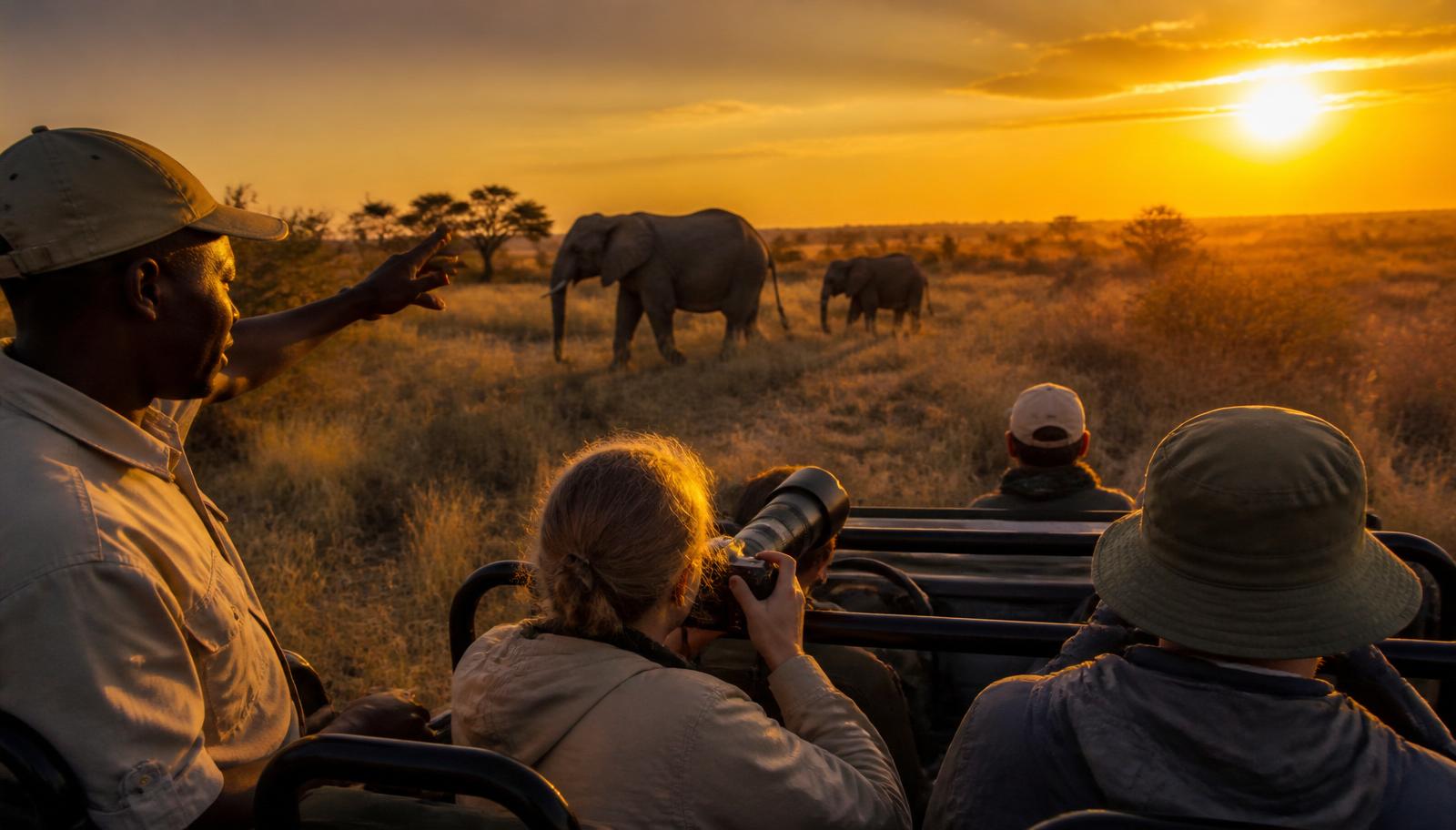
- Neutral colors — khaki, olive, beige and tan — blend with the bush and do not attract insects. Avoid black (heat), white (dirt) and bright colors (alarm wildlife).
- Lightweight long-sleeve shirts and trousers protect against sun and tsetse flies during game drives.
- A warm fleece or light down jacket for early-morning game drives (5°C–10°C in June–August).
- Wide-brim hat and polarized sunglasses for UV protection on open-sided vehicles.
- Swimwear for lodge pools and Zanzibar extensions; a light sarong doubles as sun protection.
Seasonal clothing notes
- Dry season (June–October): layers are key — warm mornings, hot middays, cool evenings. A buff or scarf blocks dust on gravel roads.
- Wet season (November–May): quick-dry fabrics, a compact rain jacket and waterproof bag liners. Mosquito-repellent clothing is worthwhile.
- Kilimanjaro trekkers need thermal base layers, waterproof shells, gaiters and proper hiking boots — this is separate from safari clothing.
Essential safari gear
- Binoculars: 8×42 or 10×42 — the standard choice of every Olympus guide. Do not rely on phone zoom for wildlife.
- Camera: DSLR or mirrorless with a 70–300mm lens minimum. A teleconverter helps with distant cats. Bring extra SD cards.
- Power: lodges have charging but not always in-room. A 20,000mAh power bank and a multi-country adapter (Type G/D) cover Tanzania.
- Headlamp or small torch for walking around camp after dark. Red-light mode preserves night vision.
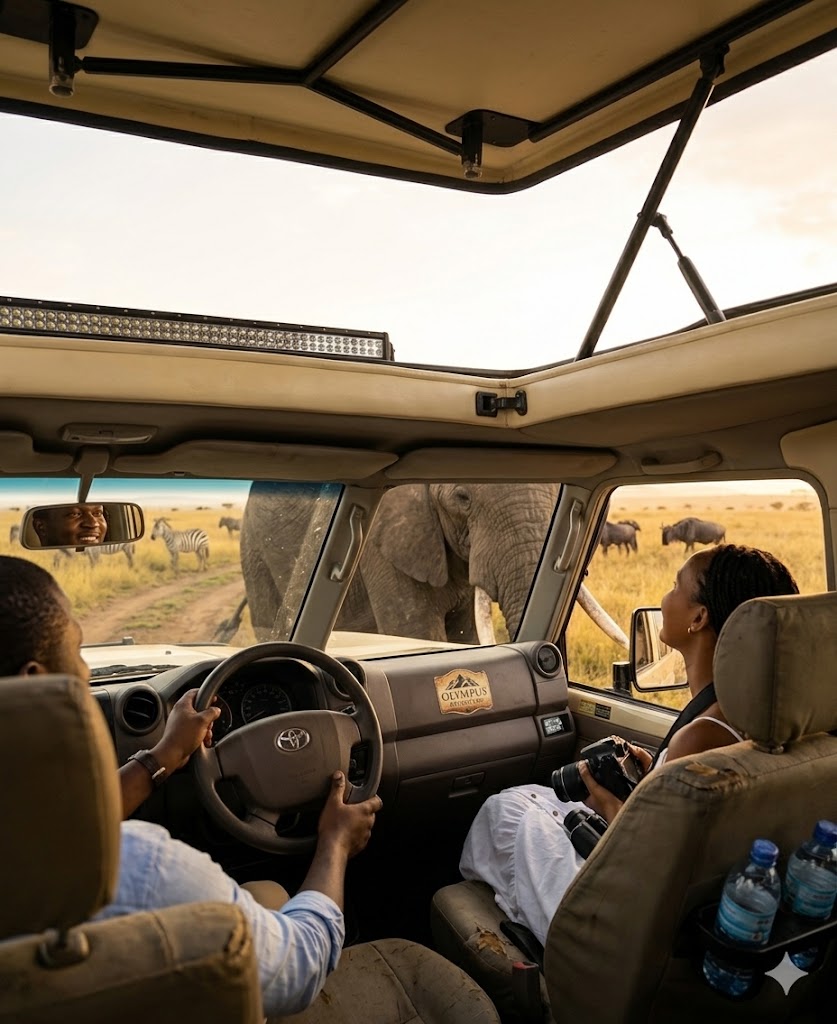
- Reusable water bottle: our vehicles carry filtered water — avoid single-use plastic and stay hydrated.
Health preparations
- Consult a travel clinic 6–8 weeks before departure for yellow fever, hepatitis A/B, typhoid and routine boosters.
- Malaria prophylaxis is recommended for most safari regions. Our guides carry treated mosquito nets in every vehicle.
- High-SPF sunscreen (SPF 50+), SPF lip balm, and DEET-based insect repellent. Reapply after dusty drives.
- Personal first-aid kit: blister plasters, anti-diarrheal tablets, rehydration salts, antihistamine and any prescription meds in original packaging.
- Travel insurance covering medical evacuation — essential for remote parks and Kilimanjaro.
Documents, luggage & final tips
- Passport (6+ months validity), printed e-visa, travel insurance certificate and vaccination card.
- Soft-sided duffel bag (under 15kg for bush flights) rather than hard-shell suitcases. A daypack for drives.
- Cash: small-denomination USD bills (2009 series or newer) for tips, souvenirs and park fees where cards are unreliable.
- Dress modestly when visiting Maasai villages or Stone Town: covered shoulders and knees.
- Leave room in your bag — Tanzanian coffee, handmade beaded crafts and carved soapstone make meaningful souvenirs.
Common Questions
Frequently Asked Questions
Neutral tones — khaki, olive, beige and tan — keep you cool and blend with the bush. Avoid black, dark blue and bright colors that attract tsetse flies.
A yellow fever certificate is required if arriving from an endemic country. We recommend hepatitis A/B, typhoid, routine boosters and malaria prophylaxis — consult a travel clinic 6–8 weeks before departure.
No — drink bottled or filtered water only. Our vehicles carry complimentary filtered water throughout your safari.
Yes — Tanzania uses Type G and D plugs (230 V). A universal adapter and a 20,000 mAh power bank cover all situations.
In Closing
Final Thoughts
Pack light, pack right, and leave room in your bag for memories — and a few handmade Tanzanian souvenirs. The rest of the trip we will take care of.