Travel Tips
Is Tanzania Safe for Tourists? An Honest 2026 Travel Safety Guide
Safari safety, roads, cities, health, money, Zanzibar and solo or family travel — practical guidance from our Arusha-based team, who send travelers into the parks every week of the year.

The question arrives in our inbox most days, usually late at night from someone two time zones away who has just booked flights and started reading: is Tanzania safe for tourists? Our answer hasn't changed in fifteen years of running safaris out of Arusha. Tanzania is a settled, hospitable country with a mature tourism industry, and the overwhelming majority of visits pass without anything more dramatic than a flat tire on the way to Ndutu.
That isn't the same as saying nothing ever goes wrong. Petty theft happens in busy city markets. Roads at night are genuinely worth avoiding. Malaria is real and preventable. The travelers who have easy trips are simply the ones who prepared for the ordinary things rather than the imagined ones.
What follows is the briefing we'd give a friend: how safety actually works on safari, in the cities, on the roads and in Zanzibar; what to organize before you fly; and what to verify yourself, because entry rules, health guidance and government advisories all change and no article should be your final source on them.
General safety overview
Tanzania has been peacefully governed since independence in 1961 and has never experienced a coup. Tourism accounts for a substantial share of national income and employment, which is why operators, guides, vehicles and camps all sit under licensing regimes — the Tanzania Tourist Board's TALA licence for operators, park authority rules inside the reserves, and mandatory certification for guides.
Most Western governments place Tanzania in the middle band of their advisory systems: the US State Department's Level 2 "exercise increased caution," with comparable wording from the UK, Canada, Australia and Germany. Several European countries sit at the same level. Those ratings reflect petty crime and regional caveats rather than a general threat to visitors, and they are updated periodically — check the current wording for your own nationality before you travel rather than relying on this page.
In practice, the risk profile of a well-planned safari looks less like a security question and more like a logistics one. Where do you sleep, who drives you, how far do you travel in a day, did you see a travel doctor. Get those right and the rest tends to take care of itself.
Why so many travelers come here
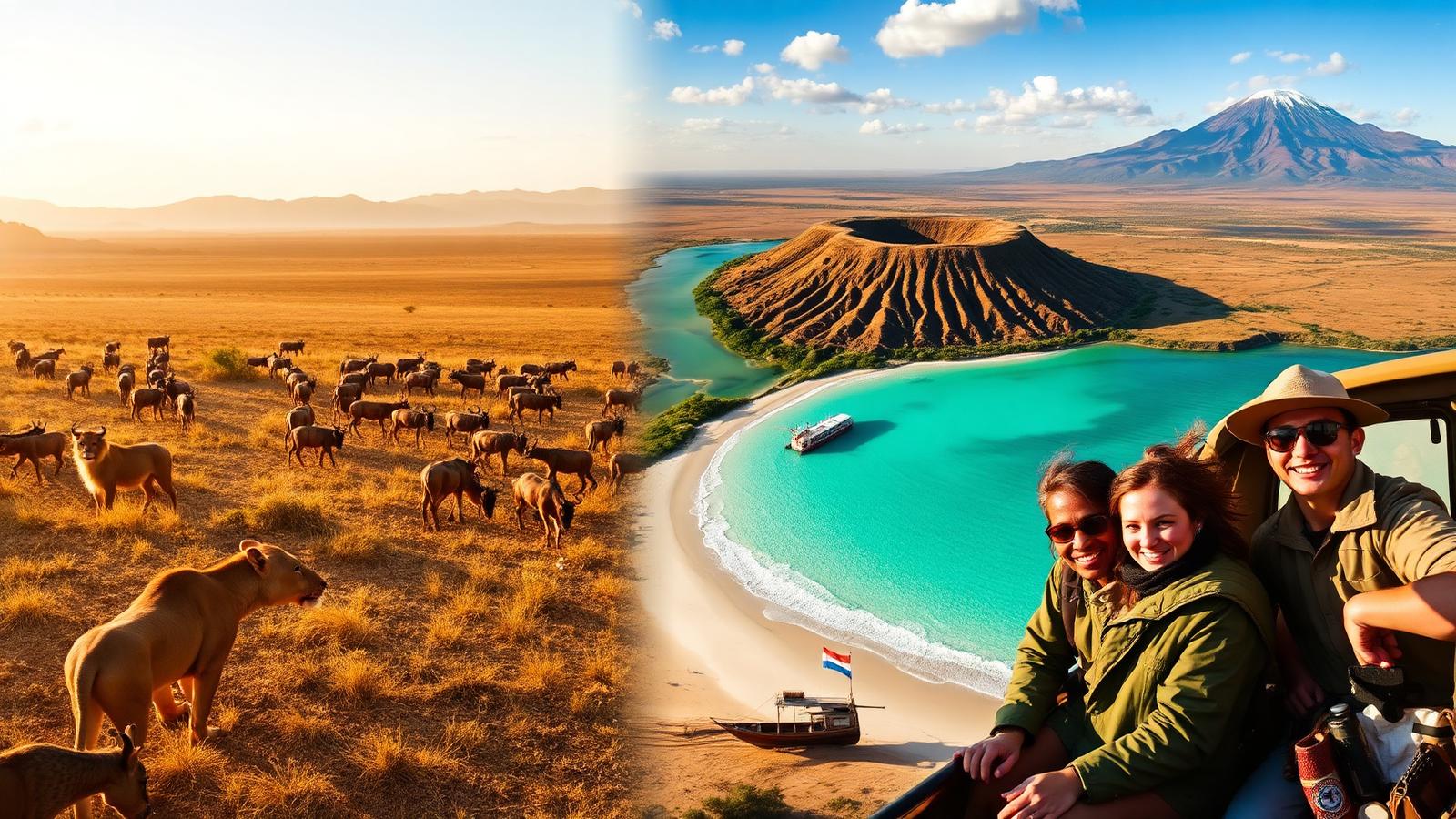
Roughly a fifth of Tanzania's land area is protected. The Great Migration circles the Serengeti ecosystem year-round, Ngorongoro Crater holds one of the densest concentrations of large mammals anywhere, Kilimanjaro stands alone above the northern plains, and the Zanzibar Archipelago gives you an ocean to finish on. Well over two million international visitors arrive each year, and the practical infrastructure — airstrips, camps, medical clinics in the gateway towns, mobile coverage in most park areas — has grown up around them.
If you're still shaping the trip itself, our Ultimate Tanzania Travel Guide covers regions, routing and logistics, and Best Time to Visit Tanzania explains how the seasons change what you see and how you should pack for it.
Safari safety
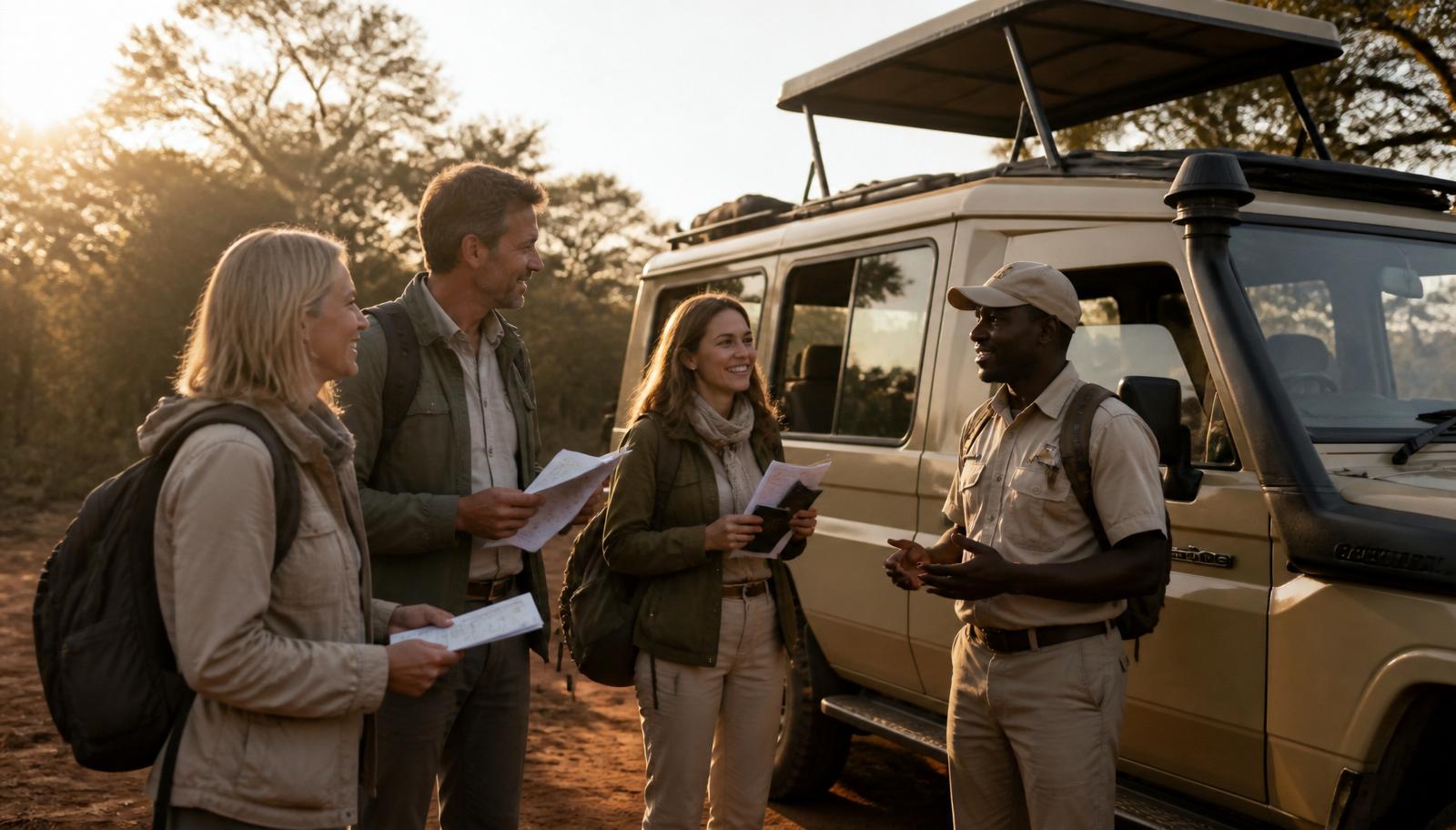
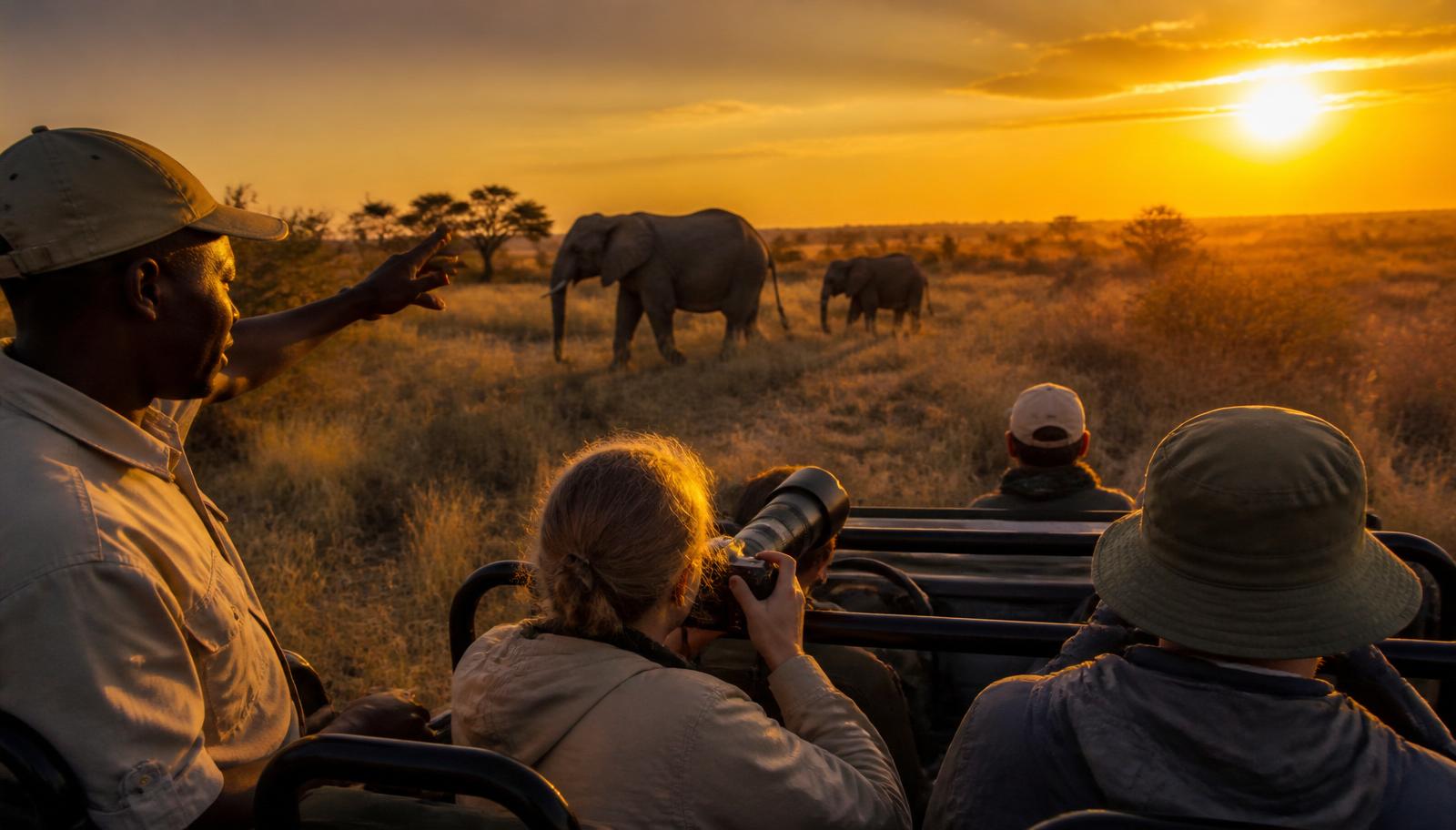
The parks are the most controlled environment of your whole trip. Entry is gated and recorded, rangers patrol, camps run night guards, and game drives are led by certified guides in inspected 4×4s. Serious incidents involving guests on organized drives are rare, and almost all of them trace back to someone breaking a rule the guide had already explained.
The briefing is short because the rules are few:
- Stay seated inside the vehicle during a game drive unless your guide tells you it is safe to step out. Animals read the vehicle as a single shape, not as people.
- Don't stand up through the roof hatch when you're close to wildlife, and never lean or dangle a lens over the side.
- Keep your voice low at sightings. Quiet vehicles get longer, better, calmer encounters — which is also the photographic argument.
- In camp, walk with the askari after dark. Every camp provides one, and this is the rule guests most often forget on night three when they feel settled.
- Zip your tent fully closed, day and night. Vervet monkeys and baboons are the usual culprits; buffalo and hippo grazing near camp are the animals to give real distance.
- Keep to the schedule. Guides plan departures around light, animal movement and getting back before the gates close.
First safari? Our guide to Tanzania safari for first-time visitors walks through the daily rhythm, and Tanzania safari etiquette covers the behavioral side — around wildlife, camp staff and communities.
Wildlife safety
The animals people worry about and the animals that actually require caution are rarely the same. Lions and leopards keep their distance from vehicles. Buffalo and hippo cause more problems across Africa than any big cat, and around camps it's usually a hippo grazing between the tents and the river at 2 a.m.
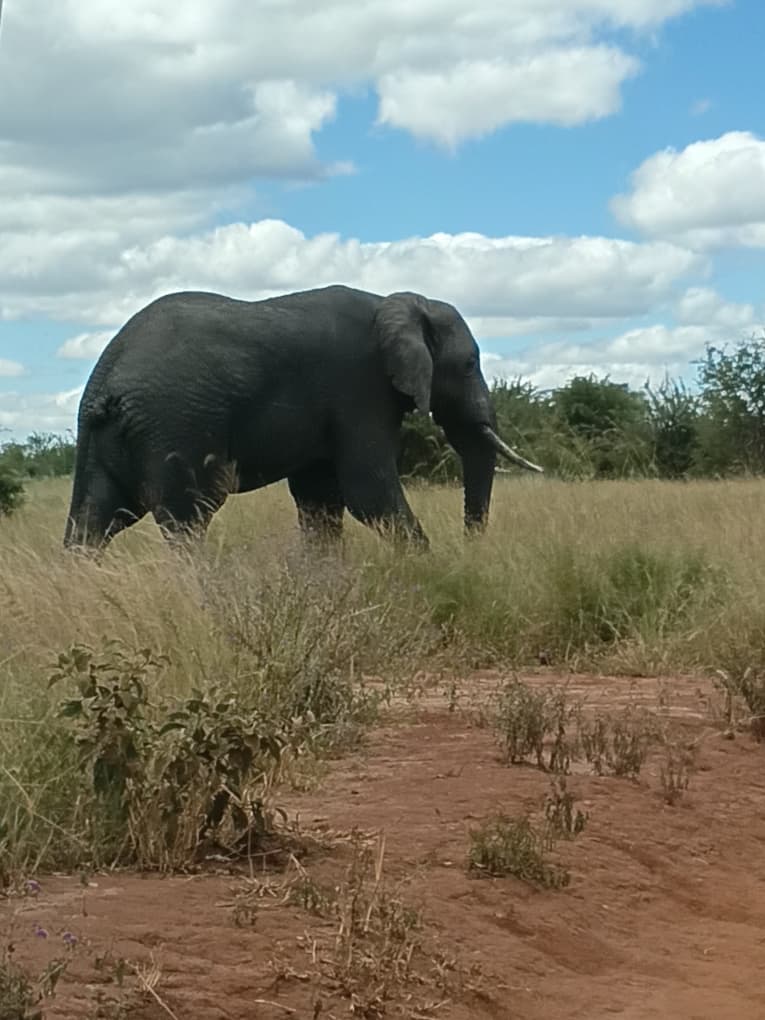
- Elephants: give them space and time. Your guide will read ear position and body language and will reverse rather than push a nervous herd.
- Buffalo: unpredictable on foot, particularly lone bulls. Never walk toward one, even in an open camp.
- Hippos: keep away from the water's edge at dawn and dusk and never block a path between a hippo and water.
- Primates: baboons and vervets will enter tents for food. Don't feed them and don't leave snacks out.
- Snakes and scorpions: seldom seen. Shake out boots in the morning and use a torch on paths at night.
- Insects: the mosquito is statistically the animal to take most seriously. Repellent from late afternoon, every day.
Road and transportation safety
If we could change one thing about how independent travelers move around Tanzania, it would be night driving. Unlit vehicles, livestock on the shoulder and motorcycles without lights combine badly after dark, especially on rural stretches between towns. Our own operating rule is simple: guides do not drive guests at night except for short, planned transfers in town.
| Option | Typical use | Our view |
|---|---|---|
| Private safari 4×4 with a licensed guide | All park travel and long transfers on the northern or southern circuit | The safest and most comfortable option. Vehicles are inspected, guides are certified, and reputable operators do not drive after dark. |
| Domestic light aircraft | Arusha–Serengeti, Serengeti–Zanzibar, southern parks | Scheduled carriers such as Coastal Aviation, Auric Air and Regional Air run to fixed timetables with a 15 kg soft-bag limit. |
| Hotel or operator airport transfer | Kilimanjaro (JRO), Dar es Salaam (DAR) and Zanzibar (ZNZ) arrivals | Pre-booked and traceable. Match the driver's name to the one your operator sent you before getting in. |
| Licensed taxi or hotel-called ride | Short city trips, dinner runs, evening movement | Fine when arranged through your hotel. Agree the fare before departure — most city taxis do not use meters. |
| Long-distance intercity buses | Budget travel between cities | Workable in daylight on main routes, but driving standards vary. We do not recommend overnight coaches. |
| Boda-boda (motorcycle taxi) | Short local hops | The one option we consistently advise guests to skip. Helmets are rarely available and most travel insurance excludes them. |
Accommodation safety
Where you sleep changes character three or four times on a typical trip: a town hotel in Arusha, a lodge on the crater rim, a tented camp in the Serengeti, a beach resort in Zanzibar. Each has its own norms.
Town hotels and lodges
- Use the in-room safe for passports, spare cards and cash you aren't carrying.
- Lock the balcony door on ground floors; ask reception to call a taxi rather than hailing one outside.
- Keep a photo of your room key card and the hotel's address in Swahili on your phone.
Tented camps in the parks
- Attend the arrival briefing — it tells you exactly how the camp handles wildlife at night.
- Use the whistle or radio in your tent rather than stepping out to investigate a noise.
- Fully unfenced camps are normal and well managed; the escort system is what keeps them that way.
Beach resorts
- Don't leave phones and wallets unattended on the sand while you swim.
- Book water sports through the resort so the operator is insured and licensed.
- Walk back along lit main routes at night rather than along empty beach.
Accommodation quality also tracks closely with price band — our Tanzania safari cost breakdown explains what changes between budget, mid-range and luxury, including the parts that affect comfort and security rather than just aesthetics.
City and urban travel tips
Arusha, Moshi, Karatu and Stone Town are relaxed places to walk around in daylight. Dar es Salaam is a large, fast commercial city and deserves the attention you'd give any big city you don't know.
- Carry a photocopy of your passport photo page; leave the original in the safe.
- Keep your phone out of sight in crowded markets and bus areas, and don't wear obvious jewelry.
- Close car windows in slow city traffic — bag-snatching through open windows is the classic Dar es Salaam incident.
- After dark, move by pre-arranged car, even for a few blocks.
- Ask hotel staff which neighborhoods are comfortable on foot. They will tell you honestly.
- Photographing government buildings, military sites, airports and police is not permitted.
Health and medical preparation
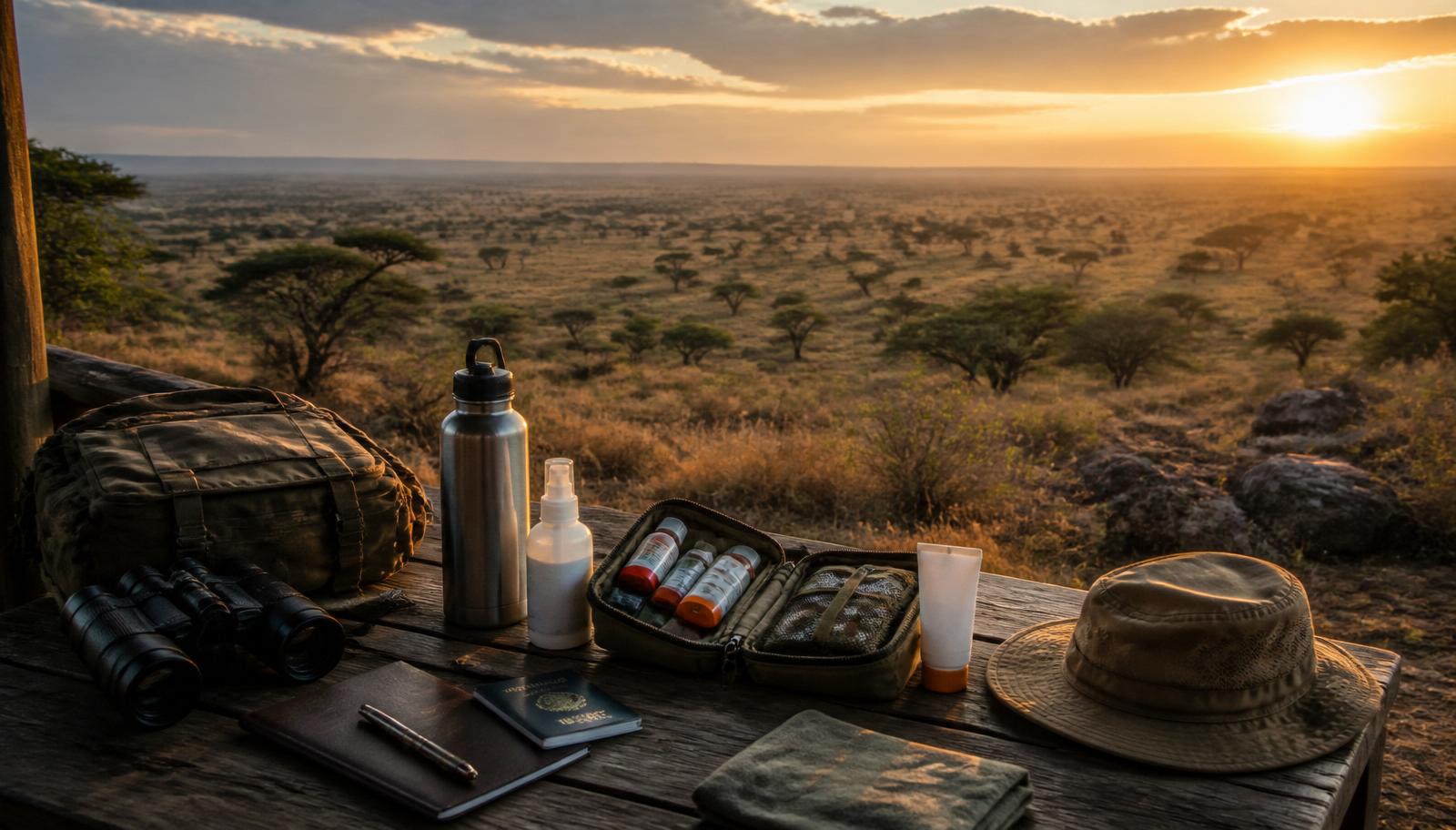
Health preparation does more for a Tanzanian trip than any security measure. Gateway towns like Arusha and Moshi have decent private clinics, Dar es Salaam has full hospitals, and remote camps rely on radio contact and air evacuation. The requirements below are general guidance — your travel clinic gives the binding advice for your itinerary and medical history.
| Area | What to know |
|---|---|
| Yellow fever certificate | Required if you arrive from, or transit more than 12 hours through, a country with yellow fever transmission. Rules change — confirm with your travel clinic and airline before you fly. |
| Malaria prevention | Malaria is present in most safari areas below roughly 1,800 m and along the coast. Prescription prophylaxis, repellent from dusk, long sleeves in the evening and the bed net provided by your camp cover the practical bases. |
| Routine vaccinations | Travel doctors commonly discuss hepatitis A, typhoid, tetanus and, for longer or rural stays, rabies. Your own clinic makes the call based on your itinerary and history. |
| Water and food | Drink bottled or filtered water, including for brushing teeth. Lodges and safari vehicles supply it. Hot, freshly cooked food is reliable; be more selective with roadside raw salads and unpeeled fruit. |
| Altitude | The Ngorongoro rim sits above 2,200 m and Kilimanjaro far higher. Give yourself an acclimatization night in Karatu or Moshi if you are sensitive to altitude. |
| Personal medication | Bring enough for the whole trip in original packaging, plus a copy of the prescription. Specific brands are not always stocked in Tanzanian pharmacies. |
Our Tanzania safari health guide goes deeper on vaccinations, medical kits and what camps can and can't handle on site. For the paperwork side, the Tanzania visa guide covers the current e-visa process.
Money and valuables
The Tanzanian shilling is the local currency, but US dollars are widely used for park fees, tips and tourism services. Bring notes from 2009 or later — older series are routinely refused.
- Split your cash: some in the lodge safe, a working amount in your daypack, nothing in a visible pouch.
- Use ATMs inside bank branches, malls or hotel lobbies, in daylight, and put the cash away before you turn around.
- Cards work at most lodges and better restaurants; card fees of 3–5% are common. Carry cash for markets, tips and village visits.
- Tell your bank you're traveling. Blocked cards cause more stress on safari than anything criminal.
- Small denominations make tipping easier and avoid the change conversation entirely.
- Never let your card leave your sight, and check the amount on the terminal before entering your PIN.
Solo traveler considerations
Solo travelers do well here, particularly on organized safaris, where you're with a guide all day and in a staffed camp at night. The practical challenges are usually social and financial rather than security-related — single supplements exist, and small-group departures are the usual answer.
- Share your itinerary and camp names with someone at home and check in daily.
- Buy a local SIM or eSIM at the airport; coverage is good in most park areas and towns.
- Choose accommodation with 24-hour reception rather than the cheapest option in an unfamiliar area.
- Be vague with strangers about where you're staying and how long you're alone.
- Join a shared group safari if you'd rather not eat every dinner by yourself.
Women traveling in Tanzania
Tanzanian culture is warm and greeting-heavy, and most attention female travelers receive is friendly conversation rather than anything more. The adjustments are mostly cultural.
- Cover shoulders and knees in villages, in Stone Town and anywhere outside a resort or beach.
- A polite, firm "hapana, asante" (no, thank you) closes most unwanted sales conversations.
- Decline unsolicited beach tours and drinks from strangers, as you would anywhere.
- Use pre-arranged transport after dark in all cities and beach areas.
Family travel considerations
Family safaris are among the trips we plan most, and children handle them better than parents expect. The variables that matter are drive length, camp choice and pacing.
- Choose fenced lodges or family-friendly camps with interconnecting rooms for younger children; several camps set a minimum age, usually around six.
- Keep driving days shorter. Two nights in each park beats a new camp every night.
- A private vehicle is worth the cost with children — you can leave a sighting when someone needs the bathroom.
- Brief children on the vehicle rules the same way the guide does. Most take it more seriously than adults.
- Pack sun protection, repellent and any medication in child doses; Tanzanian pharmacies won't reliably stock your usual brand.
- Ngorongoro and Tarangire suit families well: dense wildlife, short drives, high hit rate.
Zanzibar and the coast
Zanzibar is peaceful and heavily geared to visitors, and it's also a conservative Muslim society. Nearly every awkward moment we hear about comes from dress or timing rather than crime.
- Swimwear is for the beach and pool. Cover up in villages, in Stone Town and on public transport.
- During Ramadan, avoid eating, drinking or smoking in public during daylight hours.
- Stick to the main lit lanes of Stone Town after dark; the alleys are a daytime pleasure.
- Don't leave belongings unattended on the sand, and be aware of the enormous tidal range on the east coast.
- Book snorkeling, diving and dhow trips through your hotel so the operator is licensed and insured.
- Firmly decline "beach boy" tour offers — an annoyance rather than a threat, but a persistent one.
For planning the island half of the trip, see the Zanzibar travel guide and our Stone Town travel guide, which covers navigating the old city and its etiquette in more detail.
Cultural etiquette
Courtesy here is a real currency, and it noticeably changes how your trip goes. Greetings come before requests, always.
- Open with "jambo" or "habari" and let the greeting run its course before asking anything. "Asante" and "karibu" will carry you a long way.
- Ask before photographing people. In Maasai and Hadzabe communities, photography is usually arranged as part of the visit fee.
- Dress modestly away from resorts, particularly in coastal and rural areas.
- Use your right hand for giving, receiving and eating.
- Give donations to schools or clinics through your operator rather than handing money or sweets to children at the roadside.
- Tip through the camp tipping box for staff and directly for your guide, at the end of the trip.
Common scams and how to sidestep them
Nearly all of these are money-loss annoyances rather than danger, and knowing them in advance is enough to defuse them.
- The false pickup at the airport: someone greets you by name and claims your driver changed. Call your operator before following anyone.
- Wrong change: common at busy markets. Keep the note visible until change is counted back to you.
- Unofficial spice or town tours: a friendly stranger offers a "special" price. It's usually amateur and inflated. Book through your hotel.
- Curio-shop pressure selling: everything is negotiable; walking out is a normal part of the process.
- Fake operator websites: the most expensive one. Check for a TALA licence, a physical Arusha office, a registration number and reviews on independent platforms before paying a deposit.
- Ad-hoc "fees" at gates or on the street: all genuine park fees are paid by your operator. Refer any request politely to your guide.
Vetting an operator properly is the single highest-value safety step you take — how to book a Tanzania safari sets out the questions to ask and the deposit terms to expect.
Emergency planning
You're unlikely to need any of this. It takes ten minutes to arrange and it removes a whole category of stress.
- Save your operator's 24-hour number, your guide's number and your camp names offline.
- Keep digital and paper copies of your passport, visa, insurance policy and evacuation hotline.
- Register with your embassy's traveler program if your country offers one.
- Agree a check-in rhythm with someone at home and tell them where mobile coverage will be patchy.
- Ask at check-in how each camp contacts help — most use radio or satellite rather than mobile.
| Contact | Number | Notes |
|---|---|---|
| Police (national) | 112 or 999 | Works from most Tanzanian mobile networks |
| Ambulance (Dar es Salaam / Arusha) | 114 | Response times vary outside city centers |
| Tourist Police, Arusha | +255 27 254 4444 | For lost documents and reports for insurance |
| AMREF Flying Doctors | +254 20 699 2000 | Air evacuation across East Africa |
| US Embassy, Dar es Salaam | +255 22 229 4000 | Consular help for US citizens |
| UK High Commission, Dar es Salaam | +255 22 229 0000 | Consular help for UK citizens |
Numbers change occasionally. Confirm embassy and clinic contacts against official websites shortly before you fly, and add them to your phone offline.
Travel insurance
Every serious operator, ourselves included, asks for proof of insurance before departure. The clause that matters most is medical evacuation: moving someone from a remote airstrip to a hospital in Nairobi or Dar es Salaam is expensive and time-sensitive.
- Medical evacuation and repatriation — the non-negotiable one.
- Safari activities — confirm game drives and walking safaris are named, not excluded as "adventure sports."
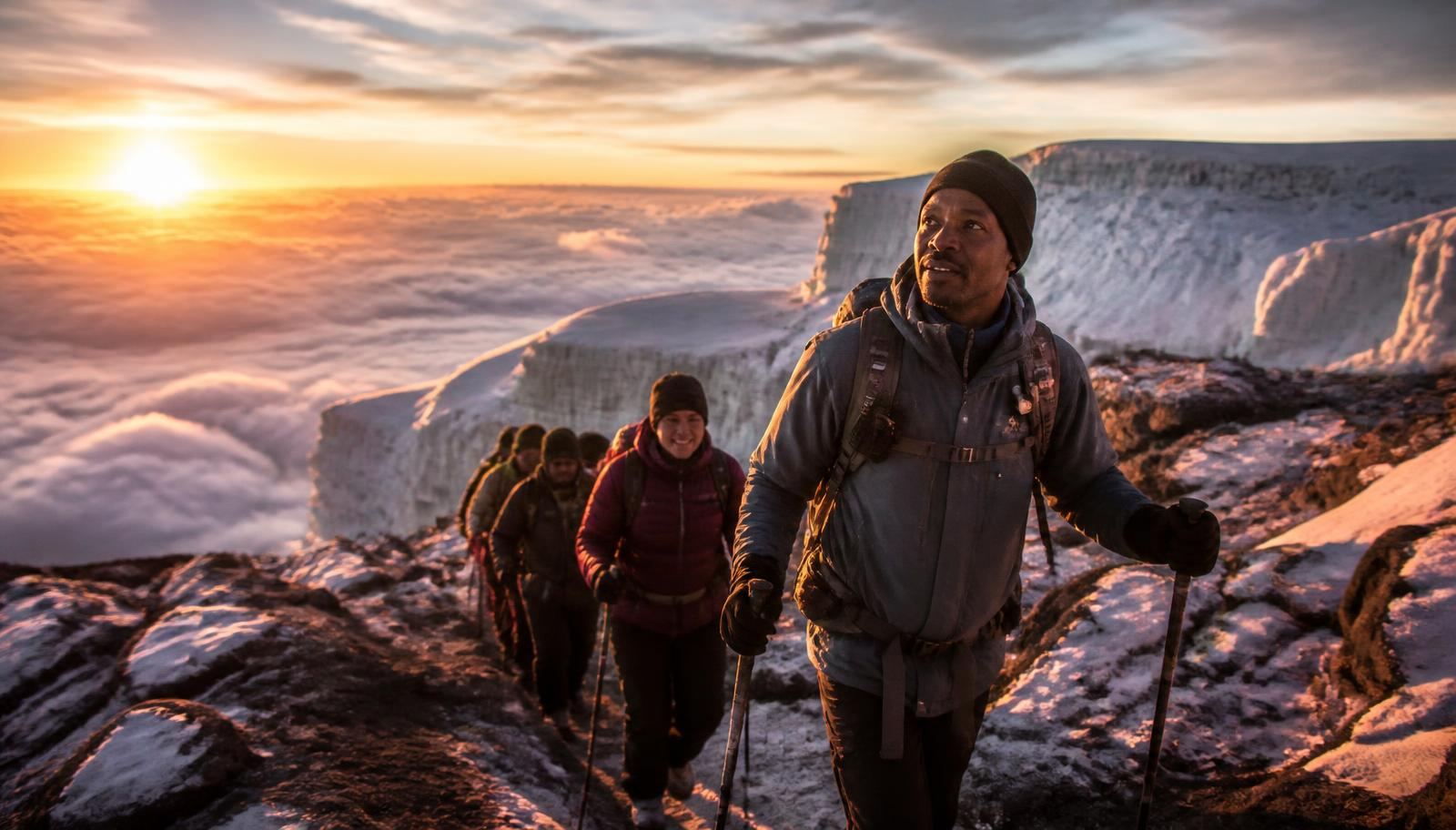
- Altitude cover — required to Kilimanjaro's summit height if you're climbing.
- Cancellation and interruption — protects deposits against illness or airline disruption.
- Baggage — useful, though delayed bags on light aircraft usually resolve within a day or two.
Our travel insurance guide compares what different policy types actually cover for a safari itinerary.
What travelers should verify before departure
This is the part of the article we'd ask you to act on rather than just read. Each of these can change between now and your departure date.
- Your government's current travel advisory for Tanzania and Zanzibar
- Visa requirements and the current e-visa process for your nationality
- Yellow fever certificate rules for your exact routing, including layovers
- Vaccination and malaria advice from a travel clinic, based on your itinerary
- Passport validity (six months beyond your return date) and blank pages
- That your travel insurance names safari activities, altitude and evacuation
- Airline baggage limits, especially the 15 kg soft-bag rule on light aircraft
- Your operator's licence, emergency contact number and driver details
- Whether your bank cards work in Tanzania and your travel notification is filed
- Local customs and any Ramadan dates that overlap your Zanzibar days
Common mistakes tourists make
| The mistake | Why it matters | What to do instead |
|---|---|---|
| Booking on price alone from an unverified website | Unlicensed guides, worn vehicles, no recourse if things go wrong | Check for a TALA licence, a physical Arusha office and independent reviews before paying a deposit |
| Driving between parks after dark | The single biggest avoidable risk in the country | Plan departure times so you arrive before sunset; ask your operator to build the day around it |
| Carrying passport, cash and cards together | One lost bag becomes a ruined week | Originals in the lodge safe, a photocopy in the daypack, cash split across two places |
| Skipping travel insurance or buying a policy that excludes safari | Evacuation from a remote park is expensive and time-critical | Confirm cover for game drives, walking safaris, altitude if climbing, and medical evacuation |
| Standing up or leaning out of the vehicle for a photo | Changes your outline and unsettles the animals | Shoot from the roof hatch seated; ask your guide to reposition instead |
| Treating Zanzibar like a purely beach destination | Unintended offence in villages and Stone Town | Cover shoulders and knees away from the resort, and dress conservatively during Ramadan |
| Withdrawing large amounts of cash on the street | Attention you do not need | Use ATMs inside bank branches or hotels in daylight; card is accepted at most lodges |
| Relying on old advice from a forum post | Visa, health and entry rules move faster than travel blogs | Verify the current rules with official sources in the month before you fly |
Frequently Asked Questions
Common Questions
Frequently Asked Questions
For most visitors, yes. Tanzania is politically stable, tourism is closely licensed, and the overwhelming majority of safari, Kilimanjaro and Zanzibar trips pass without incident. The realistic risks are petty theft in busy urban areas, road travel after dark and mosquito-borne illness — all of which are manageable with sensible planning. Because advisories change, check your own government's current guidance before you travel.
Road travel, particularly at night on rural routes where unlit vehicles, livestock and motorcycles are common. Reputable operators plan driving days to finish before sunset and avoid overnight road transfers entirely. Malaria prevention is the second thing worth taking seriously.
Game drives with a licensed operator are the most controlled part of a Tanzanian trip. Parks are gated and ranger-patrolled, guides are certified, and vehicles are inspected. Nearly all wildlife incidents involve someone leaving the vehicle or ignoring a camp briefing, so following your guide's instructions is the whole safety protocol.
Yes, and organized safaris suit solo travelers particularly well because you are with a guide during the day and in a staffed camp at night. Share your itinerary with someone at home, use pre-arranged transport after dark, and pick accommodation with 24-hour reception rather than the cheapest room in an unfamiliar neighborhood.
Many women travel Tanzania solo each year without difficulty. Tanzanian culture is warm and greeting-heavy, so expect friendly attention rather than hostility. Dress modestly outside resorts, especially in Zanzibar and rural areas, decline unsolicited tours firmly and politely, and use arranged transport at night.
Family safaris work well. Choose fenced lodges or camps that accept your children's ages, keep driving days short, and consider a private vehicle so you can leave a sighting when you need to. Tarangire and Ngorongoro are especially family-friendly thanks to short drives and reliable wildlife.
Zanzibar is peaceful and well set up for visitors. The practical points are cultural rather than criminal: cover shoulders and knees away from resorts, respect Ramadan if your dates overlap, stay on main lit lanes in Stone Town at night, and book water activities through your hotel so the operator is licensed and insured.
Malaria is present in most safari areas below roughly 1,800 metres and along the coast, and prophylaxis is standard advice for visitors. Your travel clinic prescribes the right option for you. Combine it with repellent from late afternoon, long sleeves in the evening and the bed net your camp provides.
Stick to bottled or filtered water, including for brushing your teeth. Lodges, camps and safari vehicles supply drinking water throughout the day, so this is rarely an inconvenience.
Yes — reputable operators require proof of it. The clause that matters most is medical evacuation, because moving someone from a remote airstrip to a hospital is expensive and time-critical. Confirm your policy names safari activities, and altitude cover to summit height if you are climbing Kilimanjaro.
Your government's current travel advisory, visa requirements for your nationality, yellow fever certificate rules for your exact routing including layovers, vaccination and malaria advice from a travel clinic, passport validity of at least six months, insurance wording, airline and bush-flight baggage limits, and your operator's licence and 24-hour emergency number.
Look for a TALA licence, a physical office you can verify, a company registration number, independent reviews on platforms such as TripAdvisor or SafariBookings, clear written terms, and a payment process that never asks for cash to a personal account. Vetting an operator is the highest-value safety step you take.
In Closing
Final Thoughts
Tanzania tends to feel calmer on the ground than it looks from a search results page. The travelers who have easy trips are not the lucky ones — they are the ones who booked a licensed operator, saw a travel doctor, insured the right activities, kept their valuables boring and let their guide decide when to leave a sighting. Do that, verify the current entry and health requirements before you fly, and you can spend your attention where it belongs: on the crater floor at first light, on the migration crossing at Kogatende, on the tide going out at Paje. Our Arusha team is here to handle the planning that makes that possible.