Travel Tips
The Ultimate Tanzania Safari Packing List (2026 Expert Guide)
Exactly what to pack — and what to leave at home — written by the Arusha team who meet these bags at the airport every week of the year.

Introduction
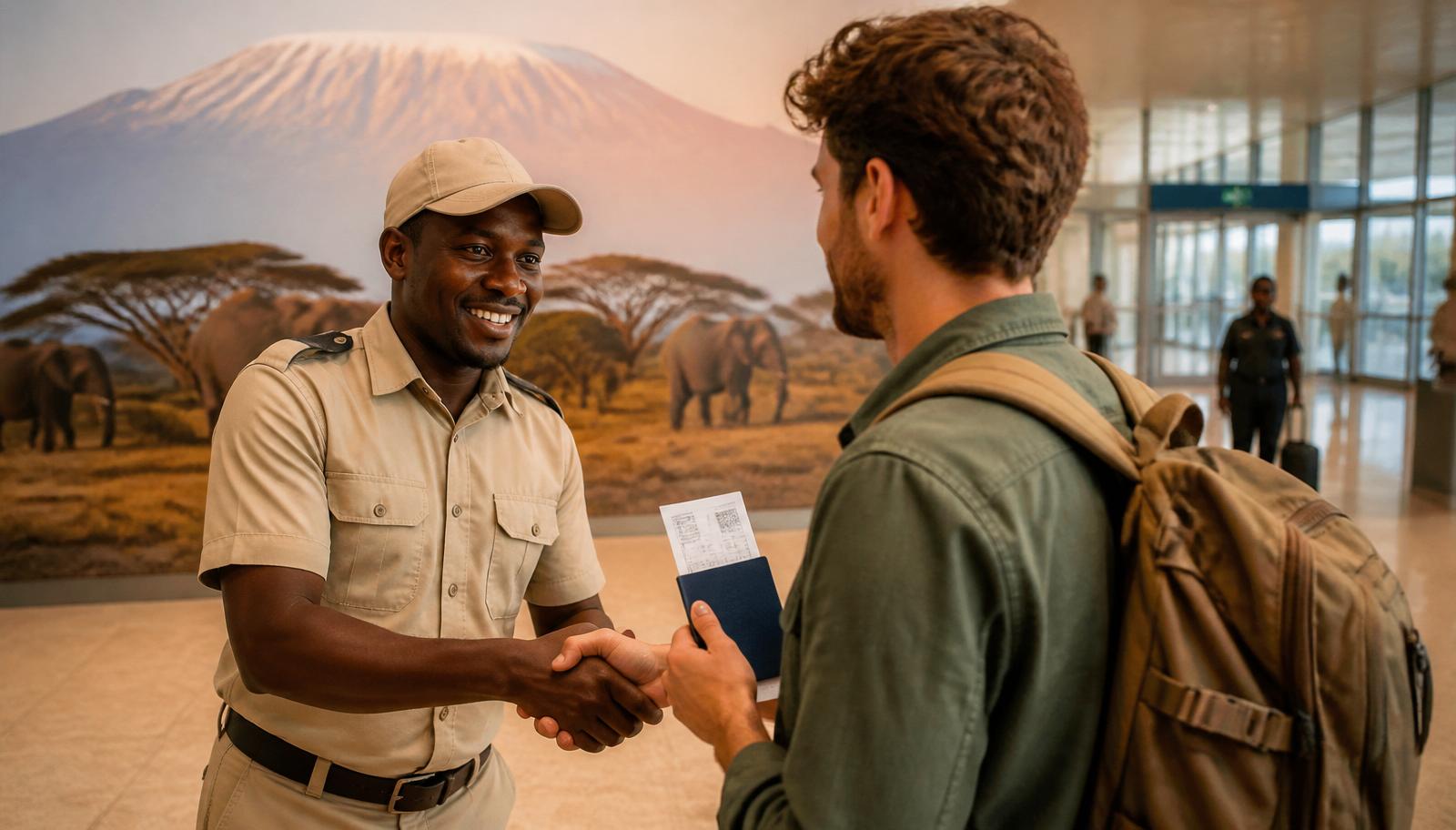
We meet guests at Kilimanjaro International most weeks of the year, and you can read a suitcase from thirty metres away. The rigid four-wheeled case belongs to someone who has not been told about bush flights. The enormous rucksack belongs to someone packing for a trek they are not doing. And the small, soft, slightly battered duffel almost always belongs to a returning guest.
This Tanzania safari packing list is the version we send our own travellers. It is built on the two conditions that actually govern what you need here: a temperature swing of more than twenty degrees between the 6 a.m. game drive and lunch, and a strict weight limit on the light aircraft that link the parks. Every item below earns its place against one of those two facts — or against dust, which is the third.
You will also find a firm list of what not to bring. Some of it is illegal in Tanzania, some of it is refused at the airstrip, and some of it simply becomes dead weight you carry for two weeks. Getting that list right saves more grief than any single piece of gear you buy.
The short answer
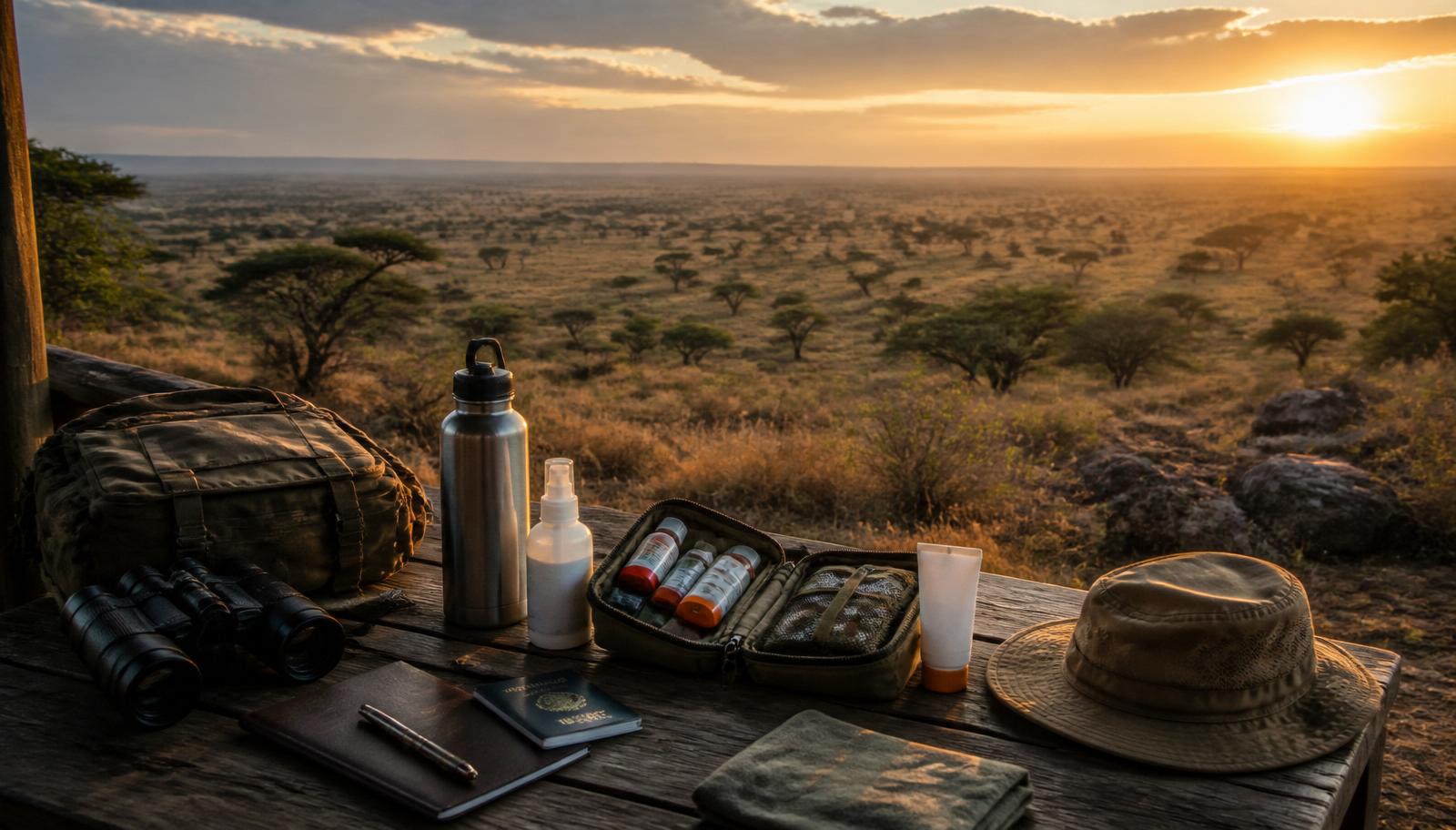
One soft duffel under 15 kg. Four or five days of neutral, quick-drying clothing. A warm mid-layer and a windproof shell whatever the month. Trainers and sandals. A long lens, binoculars, a power bank and more memory than you think you need. Your medication, documents and camera in a daypack that never leaves your side.
Everything below is the reasoning behind that paragraph — plus the season, park and family variations that change it.
Printable safari packing checklist
Start here. If you tick every line on this list you are ready for a Northern Circuit safari in any month of the year. The detailed sections that follow explain the reasoning and the exceptions.
The one-page safari checklist
- Soft duffel under 15 kg + 20–25L daypack
- 4–5 days of neutral, quick-dry clothing
- Fleece or down jacket + windproof rain shell
- Wide-brim hat, sunglasses, buff
- Trainers + sandals (boots only for Kilimanjaro)
- Camera body, long lens, spare batteries, memory cards
- Binoculars 8×42 or 10×42
- Power bank, universal adapter, headlamp
- Antimalarials, prescriptions, first-aid kit, repellent, sunscreen
- Passport, e-visa, insurance, vouchers, yellow fever card
- USD 300–500 in small bills for tips
- Refillable water bottle and dry bags
Safari clothing and why colour matters
Colour is not a style question in Tanzania. Tsetse flies, which are active in Tarangire, parts of the western and northern Serengeti and much of Nyerere, are strongly drawn to black and dark blue. Wear either through a tsetse belt and you will spend the drive swatting rather than watching. Pure white looks smart for exactly one hour, after which the road wins.
Khaki, olive, beige and tan solve all of it at once. They hide dust, do not startle game on walking safaris, stay cooler in direct sun and photograph well in camp.
- Three to four lightweight long-sleeve shirts in khaki, olive, beige or tan — sun and tsetse protection without overheating
- Two to three pairs of quick-dry trousers; convertible zip-off styles earn their keep on hot afternoons
- One or two pairs of shorts for camp and pool time
- A fleece or light down jacket — non-negotiable for June to August mornings
- A packable windproof rain shell, whatever the season
- Wide-brim hat, polarised sunglasses and a buff to keep dust out of your face on gravel roads
- Swimwear and a light sarong for lodge pools and any Zanzibar leg
- Five to seven pairs of moisture-wicking socks and underwear
Clothing by season
The base kit stays the same all year. What changes is how much insulation and how much waterproofing you add. Cross-reference this with our best time to visit Tanzania guide once your dates are fixed.
| Season | Morning conditions | Add to the base kit | Leave behind |
|---|---|---|---|
| Long dry season (June – October) | 5–12°C on the Ngorongoro rim and in the northern Serengeti | Fleece or light down jacket, beanie and gloves for dawn drives, long-sleeve shirts, zip-off trousers, buff for dust | Heavy rainwear, umbrella |
| Short rains (November – mid-December) | 14–17°C, humid afternoons | Packable rain shell, quick-dry fabrics, dry bags for camera gear, extra repellent | Cotton jeans, anything slow to dry |
| Calving / green season (January – February) | 15–18°C, hot bright middays at 28–30°C | Light long sleeves, wide-brim hat, SPF 30+, one fleece for Ndutu mornings, extra memory cards | Bulky insulation |
| Long rains (March – May) | 16–18°C, heavy afternoon storms | Waterproof shell, waterproof sandals, dry bags, spare socks, strong insect repellent | Suede shoes, single-layer canvas bags |
| Zanzibar (any month) | 23–26°C, humid year-round | Swimwear, linen, reef-safe sunscreen, shoulder and knee cover for Stone Town | Fleece, closed hiking shoes |
Dry season vs green season packing
Two travellers on the same route in June and April need noticeably different bags. Not more gear — different gear. Here is how I brief each group before they shop.
Dry season (late June to October)
This is dust season. The grass is short, the animals concentrate on water, and every vehicle ahead of you throws a fine red powder that finds sensors, contact lenses and throats.
- Two buffs or a light scarf. One lives around your neck for dust, the other stays clean for the drive back to the airstrip
- A blower brush and a couple of microfibre cloths. Never wipe a dusty lens dry — blow first, then wipe
- Warmer mornings layers than people expect. Ngorongoro's crater rim sits near 2,300 m and July dawns there run 6–10°C before the sun clears the wall
- Lip balm with SPF and eye drops. Dry air plus an open roof does more damage than the sun
- Skip the heavy rain shell. A packable windproof is enough for these months
Green season (November to May)
Rain here arrives in short, heavy afternoon bursts rather than all-day drizzle. Grass is tall, the light is superb, and camps are quieter and cheaper — see our Tanzania safari cost breakdown for what the seasonal difference actually saves you.
- A genuinely waterproof shell with a hood, not a shower-resistant jacket. Sitting still in an open vehicle finds every weak seam
- A second pair of shoes. Wet grass and black-cotton soil around Ndutu soak canvas quickly, and nothing dries overnight in a humid tent
- Dry bags or a rain cover for camera gear. A hotel shower cap over a long lens is the trick every guide uses
- Stronger insect repellent and long sleeves at dusk. Mosquito activity rises with standing water
- Quick-dry fabrics over cotton throughout. Cotton stays damp for two days in March humidity
Footwear
Around 90% of a classic safari day is spent seated in a vehicle, stepping out at picnic sites and camps. Comfort and low weight beat ankle support every time — unless you are climbing, in which case the Mount Kilimanjaro packing list is the guide you want instead.
| Footwear | When you will wear it |
|---|---|
| Comfortable trainers or lightweight closed-toe shoes | Everyday game drives — you are seated for most of the day and shoes come on and off at camp |
| Sandals or flip-flops | Camp, pool, Zanzibar beaches and the flight home |
| Lightweight hiking shoes | Walking safaris in Arusha NP, Lake Manyara, Tarangire or Nyerere |
| Proper hiking boots | Kilimanjaro only — broken in for at least 60 km before you fly |
Camera equipment checklist
The most common photographic regret we hear at the end of a trip is reach. Lions rest in the shade a long way from the track, leopards sit high in sausage trees, and the light is best when the animals are furthest away. Bring one lens longer than instinct suggests.
Camera and optics
- DSLR or mirrorless body — a second body saves lens changes in dust
- 70–300mm zoom as a minimum; 100–400mm or 150–600mm for cats and birds
- Wide-angle 16–35mm or 24–70mm for landscapes and camp scenes
- Two to three spare batteries — drives can run eight hours with no charging
- 128GB+ of SD or CFexpress cards, plus a portable SSD for nightly backups
- Bean bag or window clamp to steady long lenses on the vehicle frame
- Blower, microfibre cloths and sensor-safe cleaning kit
- Binoculars, 8×42 or 10×42 — the single most underrated item on this list
- Dry bag or roll-top pouch to seal the camera between sightings
For settings, in-vehicle technique and the specific challenges of shooting from a moving Land Cruiser, our Tanzania safari photography guide goes considerably deeper.
Electronics checklist
Power is the constraint here, not connectivity. Many camps run on solar with a generator window in the evening, and charging is frequently at reception rather than in your tent. Plan to be self-sufficient for a full day.
Power and devices
- Universal adapter with Type G and Type D pins (230V)
- 20,000 mAh power bank — camps often charge only at reception
- Multi-port USB charger so one socket serves the whole family
- Headlamp with a red-light mode for camp after dark
- Phone with offline maps and the Merlin Bird ID app downloaded before you fly
- Noise-cancelling earbuds for the long-haul legs and light aircraft
- Spare charging cables — Arusha is the last place to replace one
Health and medication checklist
Tanzania is a malaria zone at safari altitudes, and lodges stock only basic supplies. Book a travel clinic appointment six to eight weeks before departure; antimalarial prescriptions and certain vaccinations both need lead time.
Health kit
- Prescription antimalarials, usually Malarone, started on your clinic's schedule
- Insect repellent with 30–50% DEET or picaridin
- SPF 30+ sunscreen and SPF 15+ lip balm — equatorial sun burns even in the cool season
- Personal medication in original packaging with a doctor's letter for controlled drugs
- First-aid basics: rehydration salts, paracetamol, antihistamine, anti-diarrhoeal, plasters
- Motion-sickness tablets — corrugated tracks surprise even seasoned travellers
- Eye drops and saline nasal spray for dust
- Hand sanitiser and travel wipes
For the fuller medical picture — vaccinations, water safety, altitude and what happens if you do fall ill on safari — read our Tanzania safari health guide. If you are weighing up general risk before you travel, our honest assessment of whether Tanzania is safe for tourists covers safari, city and coastal conditions separately.
Safari documents checklist
Immigration at Kilimanjaro International is efficient but exacting. Keep everything in one folder or pouch, with digital duplicates on your phone and in cloud storage.
Documents and money
- Passport valid six months beyond travel with four or more blank pages
- Tanzania e-visa confirmation — see our visa guide for the current process and fees
- Yellow fever certificate if arriving from or transiting an endemic country
- Printed and digital copies of your Olympus Adventure itinerary and vouchers
- Travel insurance policy including emergency medical evacuation (AMREF Flying Doctors cover recommended)
- USD in small denominations, 2009 series or newer, for tips and curios
- Visa or Mastercard for lodge extras; Amex acceptance is patchy
- Emergency contacts and your operator's 24-hour number saved offline
Visa requirements, the e-visa portal and current fees change periodically — check the details in our Tanzania visa guide before you apply, and allow at least ten working days.
Luggage rules and bush flights
This is the rule that catches the most guests. Light aircraft operated by Coastal Aviation, Auric Air and Regional Air enforce a 15 kg (33 lb) total allowance including your hand luggage, and they accept soft-sided bags only. The hold is a curved compartment; a rigid case physically will not go in.
- Soft duffel, 85L maximum, weighed at home with everything in it
- Daypack of 20–25L for camera, binoculars, water and sunscreen on every drive
- Camera gear counts towards the 15 kg — photographers should cut clothing, not lenses
- Extra seats can be bought on most bush flights if you genuinely need the allowance; tell us early
- Refillable bottle only — our vehicles carry filtered water at no charge
What changes park by park
A Northern Circuit trip and a Southern Circuit trip ask for slightly different bags. These are the adjustments our guides make depending on where you are heading.
| Destination | What to adjust |
|---|---|
| Serengeti | 1,500–1,800m altitude means genuinely cold pre-dawn drives and fierce midday UV. Dust is the defining problem: bring a buff, a dry bag and a blower brush. |
| Ngorongoro Crater | The rim sits at 2,300m and regularly drops below 8°C before dawn. Guests underpack warm layers here more than anywhere else in Tanzania. |
| Tarangire | Hot, dry and tsetse country along the river. Long sleeves in khaki or olive matter here — dark blue and black draw flies within minutes. |
| Lake Manyara | Humid groundwater forest with mosquitoes at dusk. Repellent and long trousers for the evening are worth more than another shirt. |
| Ruaha | Remote, hot and served by strict 15 kg bush flights. Charging can be solar and limited — a large power bank is not optional. |
| Nyerere (Selous) | Boat safaris and walking safaris mean spray, humidity and insects. Bring a dry bag, closed shoes for walks and long, light layers. |
| Zanzibar | Modest dress in Stone Town and villages, reef-safe sunscreen for snorkelling, and a rash vest for long days on the water. |
If you are still shaping the route itself, the ultimate Tanzania travel guide sets out how the circuits fit together and how long each realistically needs.
Adding Zanzibar or Kilimanjaro
Most of our guests extend. A beach week changes your bag more than people expect: humidity means linen and quick-dry fabrics, Stone Town asks for shoulders and knees covered out of respect, and reef-safe sunscreen is both courteous and increasingly expected on snorkelling trips. The full kit is in our Zanzibar packing list.
A Kilimanjaro climb is a different exercise entirely — a genuine cold-weather system, broken-in boots and porter weight limits. Do not attempt to combine the two lists; pack a separate trekking bag and store it in Arusha while you are on safari. Start with the Mount Kilimanjaro packing list.
What NOT to pack
Some of these items are confiscated at the border, some are refused at the airstrip, and some simply become weight you carry for a fortnight. This is the list that saves guests the most trouble.
Single-use plastic bags
Banned nationwide since 2019. They can be taken from you on arrival at Kilimanjaro International — use packing cubes and reusable dry bags instead.
Camouflage or military-pattern clothing
Illegal for civilians in Tanzania. This includes children's camo shorts, which we have genuinely seen cause a delay at immigration.
Drones
Require prior TCAA permits and are prohibited in most national parks. Confiscation at the airport is common and recovery is slow.
Hard-shell suitcases
Refused on Coastal Aviation, Auric Air and Regional Air light aircraft. The hold is a soft curve, not a box.
Pure white or black clothing
White is filthy within an hour on gravel tracks; black and dark blue attract tsetse flies aggressively in Tarangire and the western Serengeti.
Heavy hiking boots for a standard safari
You spend around 90% of the day seated. That weight is better spent on a longer lens.
A hair dryer, travel iron or full toiletry bag
Camps supply toiletries and power is often solar-limited. High-draw appliances trip camp inverters.
Valuable jewellery
There is nowhere to wear it and in-room safes at mobile camps are basic or absent.
Packing tips for families
Families are the group most likely to arrive overloaded and least likely to need it. Children are unbothered by wearing the same shirt twice; they are extremely bothered by boredom on a three-hour transfer.
- Give every child their own small daypack with a water bottle, snacks, sunglasses and a cheap pair of binoculars — ownership keeps them engaged in the sightings
- Pack a wildlife checklist or spotting book. Our guides use these constantly and children take them seriously
- Two outfits per child plus a warm layer. Laundry is free and same-day at nearly every family-friendly lodge
- Motion-sickness remedies for the whole family — the Ngorongoro descent and Serengeti corrugations affect children more than adults
- Downloaded films and audiobooks for transfers, plus headphones so the vehicle stays calm
- Child-formulation repellent and sunscreen, plus a sun-protective swim top for pool afternoons
- No camouflage-print children's clothing — it is illegal here, and it is a surprisingly common purchase for a safari holiday
For age guidance, vehicle arrangements and which camps genuinely welcome children, see our family safari in Tanzania guide.
Packing tips for photographers
If images are the reason you are coming, the 15 kg limit becomes a design problem. The solution is always the same: cut clothing, protect glass, and buy the extra seat if you need it.
- Two bodies, one long and one wide, removes lens changes in dust — the single biggest practical gain you can make
- A bean bag beats a tripod in a vehicle. Fill it with rice or beans on arrival in Arusha rather than flying it full
- Back up nightly to two separate cards or an SSD. Camp power windows are short — charge and copy while you eat
- Request a window seat or a private vehicle. On a shared drive you photograph whatever side the animal chooses
- Bring a headtorch with red light for pre-dawn setup and neutral-density filters for harsh midday plains
- Tell us at booking. We brief guides to position for light and to hold sightings longer for photographic guests
Expert packing advice from our guides
These are the small things that separate a comfortable safari from a merely adequate one. None of them appear on manufacturer packing lists.
- Weigh your packed duffel at home on bathroom scales. Discovering the number at the airstrip helps nobody
- Pack a full change of clothes, all medication and your camera in hand luggage. Delayed bags are the most common disruption we deal with, and they usually arrive within 48 hours
- Split your cash. Half in the lodge safe, half in the daypack, none in a visible money belt
- Use packing cubes rather than plastic bags — they replace a banned item and make a soft duffel behave like a chest of drawers
- Bring a buff. It is the cheapest item on this list and by day three it is the one guests mention most
- Leave a little space. Tinga Tinga canvases, Maasai beadwork and Zanzibari spices all travel home with more guests than expect it
Common packing mistakes
| The mistake | What it costs you | What to do instead |
|---|---|---|
| Packing for the heat only | A miserable, shivering first game drive at 6 a.m. in the crater | One warm mid-layer plus a windproof shell, in every month of the year |
| Over-packing clothing | Excess baggage fees at the airstrip and a duffel you cannot lift | Four to five days of clothing maximum — nearly every lodge does free same-day laundry |
| Bringing one short zoom lens | Distant cats reduced to specks in every frame | 70–300mm as an absolute minimum; 100–400mm if wildlife photography matters to you |
| Relying on card payments | No cash for tips, curios or village visits | USD 300–500 in small bills, 2009 series or newer, split between two places |
| Leaving medication in checked luggage | A delayed bag becomes a medical problem | All prescriptions, antimalarials and a day's clothing in your carry-on |
| Hard suitcase for a fly-in itinerary | Repacking on the airstrip in front of the pilot | Soft duffel under 15 kg; we store your rigid case in Arusha free of charge |
| Skipping the travel clinic | No antimalarials, or the wrong ones, days before departure | Book 6–8 weeks ahead — prescriptions and yellow fever timing both need lead time |
Frequently Asked Questions
Common Questions
Frequently Asked Questions
Lightweight, breathable clothing in neutral colors — khaki, olive, beige, tan. Long sleeves and trousers protect against sun and insects, and you layer over them: a fleece or light down jacket plus a windproof shell for dawn game drives, which can start at 5–10°C (41–50°F) on the Ngorongoro rim and in the northern Serengeti before climbing to 28°C by midday.
Avoid black and dark blue — tsetse flies in Tarangire, the western Serengeti and Nyerere are strongly drawn to them. Skip bright colors, which alarm wildlife on walking safaris, and pure white, which shows road dust within an hour. Khaki, olive, beige and tan solve all three problems.
No. Heavy boots are only needed for Kilimanjaro or dedicated walking safaris. You spend around 90% of a classic safari day seated in a vehicle, so comfortable trainers or lightweight closed-toe shoes plus sandals for camp are the right combination. Boots are weight you would rather spend on a longer lens.
A DSLR or mirrorless body with at least a 70–300mm lens; 100–400mm or 150–600mm is ideal for cats and birds. Add a wide-angle for landscapes, 2–3 spare batteries, 128GB+ of cards, a portable SSD for nightly backups, a bean bag for the window frame, a blower and cloths for dust, and 8×42 or 10×42 binoculars.
Yes. Internal bush flights with Coastal Aviation, Auric Air and Regional Air limit you to 15 kg (33 lb) in total, including hand luggage, and accept soft-sided bags only. Hard-shell suitcases are refused at the airstrip. If your international case is rigid, we store it free of charge in Arusha while you are on safari.
Four to five days of clothing is plenty. Almost every lodge and camp offers free same-day laundry, so packing a fresh outfit for each day just consumes your 15 kg allowance. Guests consistently report using less than they brought — and wishing they had packed another lens or more memory cards.
Tanzania is a malaria zone. See a travel clinic 6–8 weeks before departure for prescription antimalarials (Malarone is the most common choice). A yellow fever certificate is required if you are arriving from or transiting an endemic country, and hepatitis A/B, typhoid and routine boosters are usually recommended.
Tanzania uses Type G (British three-pin) and Type D plugs at 230V, so bring a universal adapter. Many camps run on solar with an evening generator window and charge devices at reception rather than in your tent, so a 20,000 mAh power bank and a multi-port charger are genuinely useful.
Single-use plastic bags have been banned since 2019 and may be taken on arrival — use packing cubes instead. Camouflage and military-pattern clothing is illegal for civilians, including children's items. Drones require prior TCAA permits and are prohibited in most national parks.
Give each child a small daypack with water, snacks, sunglasses and inexpensive binoculars, plus a wildlife spotting book. Bring child-formulation repellent and sunscreen, motion-sickness remedies for the Ngorongoro descent and Serengeti corrugations, downloaded entertainment with headphones for transfers, and no camouflage clothing.
USD 300–500 in small denominations, 2009 series or newer, covers tips, drinks, curios and village visits. Older bills are frequently refused. Carry a Visa or Mastercard for lodge extras — Amex acceptance is patchy — and split your cash between the lodge safe and your daypack.
In Closing
Final Thoughts
Packing well for Tanzania is an exercise in restraint. The travellers who enjoy their safari most are the ones carrying one soft duffel, a warm layer they can shed by nine in the morning, a lens with real reach and nothing they will not use. Everything else is weight between you and the sighting. Send us your dates, your parks and your flights, and our Arusha team will build the checklist around your actual trip rather than a generic one — so the bag you carry off the aircraft is exactly the bag the next two weeks require.