Travel Tips
Tanzania Safari Etiquette: Essential Do's and Don'ts for First-Time Visitors
How to behave around wildlife, guides, camp teams and local communities in Tanzania — practical conduct, tipping guidelines and cultural context from our Arusha planning desk.

Introduction
Most first-time guests ask some version of the same question on the drive out of Kilimanjaro Airport: what are we supposed to do out there, and what are we supposed to not do? It is a fair question, and it usually comes from people who want to get it right rather than people worried about rules. Safari etiquette in Tanzania is not a code of manners invented for tourists. It is a set of practical habits that keep animals calm, keep guests safe, keep camp operations running, and keep the relationship between visitors and local communities workable.
None of it is difficult. Almost all of it comes down to three things: follow your guide, keep your presence small, and ask before you assume. This guide walks through how that plays out in the situations you will actually be in — at a sighting, in a vehicle, at dinner, in a village, and on the last morning when the tipping envelope comes out. Where customs vary between regions, communities or camps, we say so rather than pretending Tanzania is one uniform set of rules.
Safari etiquette basics
A safari day has a shape, and most etiquette follows from it. You leave camp early, spend several hours in a vehicle with the same small group, stop at a designated site for a break, return for lunch or continue with a packed meal, and come back in the late afternoon. Within that rhythm you share space with a guide who is working, animals that are wild, staff who are running a remote operation, and other vehicles that want the same sightings you do.
Four habits cover most situations:
- Be on time. Departures are set around light and animal activity, not convenience. Fifteen minutes late costs the whole vehicle the best part of the morning.
- Keep your presence small. Low voices, slow movement, no sudden standing, nothing thrown or dropped.
- Ask before acting. Before you stand, before you step out, before you photograph a person, before you hand anything to anyone.
- Assume variation. A tented camp in the western Serengeti, a lodge on the Ngorongoro rim and a family homestead outside Mto wa Mbu do not run on the same conventions.
If this is your first trip, it helps to read this alongside our guide for first-time safari visitors, which covers trip structure, pacing and what a day actually looks like. This article stays on conduct.
Respecting wildlife
Animals in Tanzania's parks are habituated to vehicles, not to people. They have learned that a vehicle is a large, dull object that behaves the same way every time. That tolerance is what allows a photographic safari to exist at all, and it is maintained by thousands of vehicles behaving consistently. Your job is to be one of them.
- Follow your guide's instructions without delay, including when to sit, when to stop talking and when to close the roof hatch.
- Stay in the vehicle unless your guide tells you it is safe to get out. Designated picnic sites, viewpoints and washroom stops are the exception, not the rule.
- Keep a respectful distance and let the guide judge it. Parks publish minimum distances, but the animal's behaviour matters more than the number.
- Never feed wildlife, including monkeys and baboons around lodges. Fed animals become bold, then a problem, then a management decision nobody wants to make.
- Do not chase, circle or block. Parking in the path of a moving herd or a hunting cat interrupts behaviour that took hours to build.
- Do not call out, whistle, clap or throw anything to make an animal look up.
- Leave nothing behind. Wrappers, tissues, fruit peel and cigarette ends all cause harm out of proportion to their size.
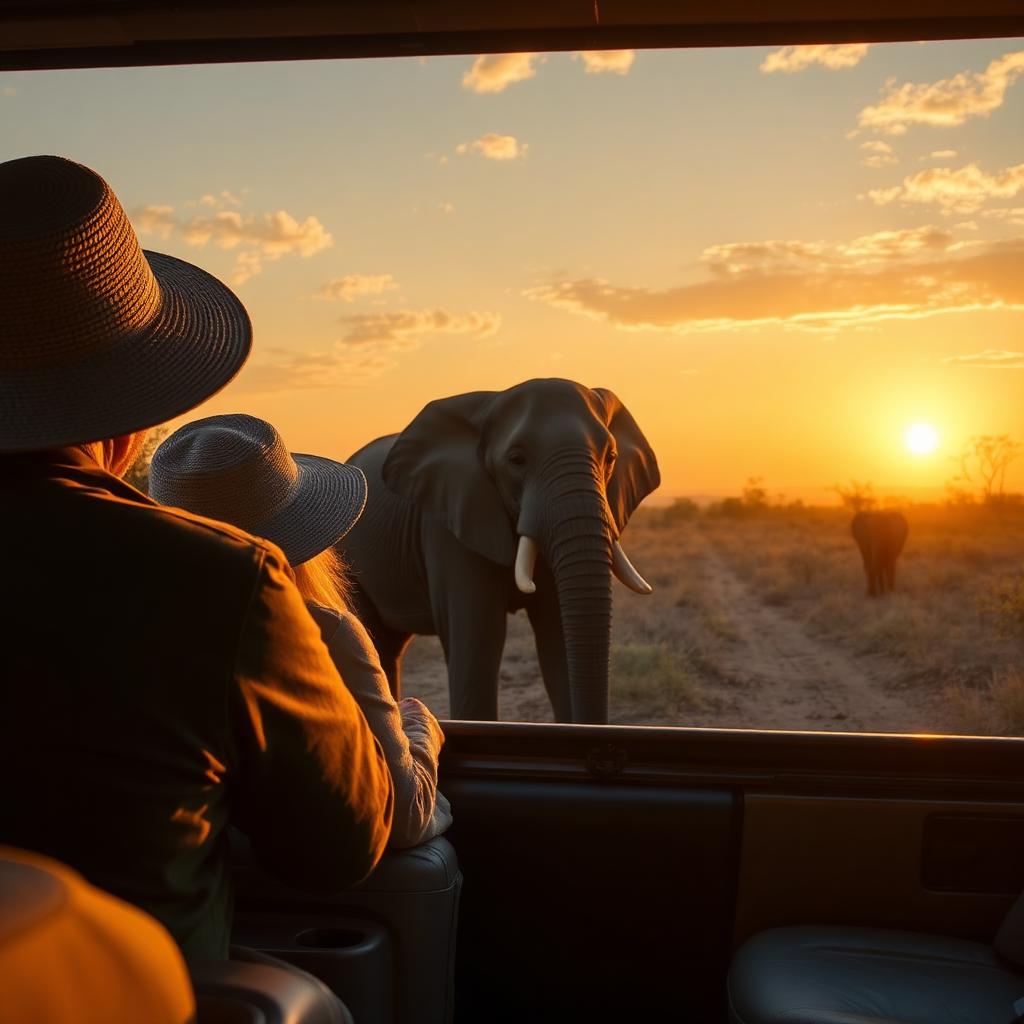
If an animal changes its behaviour because of your vehicle — a cat gets up and moves, an elephant turns and faces you, a herd starts to bunch — the vehicle is too close or too loud. A good guide backs off without being asked. Support that decision rather than pushing for the photograph. For background on what you are likely to see and how each species behaves, our Serengeti wildlife guide and the Big Five overview are useful pre-reading.
Noise, movement and shared sightings
Quiet is the most underrated safari skill. At a good sighting, the difference between five minutes of looking and half an hour of watching real behaviour usually comes down to how still the vehicle is. Sound carries a long way in cool morning air, and an open vehicle offers no insulation at all.
- Set phones to silent rather than vibrate, and turn off camera shutter sounds and focus beeps.
- Talk at conversational volume before the engine stops and at half that afterwards.
- Save the discussion of what you just saw for the drive between sightings.
- Do not lean across other guests or swap seats mid-sighting. Agree on rotation before you leave camp.
Sensitive situations deserve extra care: predators with young, animals at a kill, and anything that looks like the early stage of a hunt. In those moments the guide may cut the engine, ask for silence and simply wait. That waiting is the safari.
Respecting your guide
Tanzanian driver-guides hold a professional licence, work long seasons, and carry responsibility for guest safety and park compliance every day they are out. They know the individual animals in their area, the tracks that flood, and the rangers at the gate. Treating them as the expert in the vehicle changes the quality of the trip more than any equipment choice you make.
What works
- Introduce yourself properly on day one and say what you are most interested in — cats, birds, landscapes, photography, quiet time.
- Ask questions. Guides generally enjoy the ones about behaviour, ecology and daily life far more than the ones about how soon the next lion will appear.
- Give feedback early and privately. If the pace is too fast or the music too loud, say so on day one rather than at the end.
- Respect their rest. Guides drive, spot, cook lunch stops, handle park paperwork and manage logistics. Evenings are not extra work time.
What does not
- Pressing for off-road driving, speeding, or crossing a distance line to improve a photograph. It risks their licence, and refusal is the correct answer.
- Asking them to drive after park closing hours. Gate times are enforced and fines are real.
- Treating the guide as a driver only. They are the reason you find anything.
- Questioning an instruction in the middle of a sighting. Ask afterwards; there is always a reason.
Photography etiquette
Good safari photography and good etiquette are largely the same discipline: be still, be patient, and do not make the sighting about you.
- No flash on wildlife, particularly at night or on resting animals.
- Move slowly. Fast lens swings, tripod adjustments and standing up all register as movement to an animal a few metres away.
- Stay inside the vehicle frame. No leaning out of hatches, no sitting on the roof, no putting an arm out for a wider angle.
- Share the window. In a shared vehicle, agree on seat rotation before the day starts so nobody spends four hours behind a long lens.
- Do not ask the guide to reposition repeatedly at a busy sighting. Other vehicles are waiting, and the animal notices the shuffling.
- Ask before photographing any person — guides, camp staff, community members, children. Every time.
Drones are the other recurring issue. They are not permitted in Tanzania's national parks and conservation areas without a specific permit that takes time and money to obtain, and flying one without it creates problems for your guide as well as you. Leave it at home. For technique rather than conduct, see our safari photography guide.
Clothing and personal conduct
Safari clothing is functional first. Neutral tones sit quietly against the bush, light fabrics handle heat, and long sleeves cover you against sun and thorns. Beyond the vehicle, Tanzania is a fairly modest country, and coastal and Muslim-majority areas such as Zanzibar and parts of Stone Town more so.
- Neutral colours work best: khaki, olive, tan, stone, brown, muted green.
- Skip pure white. It is dusty within an hour and reflects light noticeably at close sightings.
- Go easy on bright red, orange and yellow in the vehicle, though they are fine around camp.
- Avoid dark blue and black in tsetse fly country such as Tarangire and parts of the western Serengeti; both attract them.
- Do not bring camouflage clothing. Civilians are not permitted to wear it in Tanzania, and items can be taken at the border.
- Cover shoulders and knees in villages, small towns and coastal areas. Keep swimwear to pools and beaches.
Personal conduct follows the same logic. Public drunkenness, loud behaviour in shared spaces and public displays of affection read differently here than they might at home. Greetings matter more than most visitors expect: a handshake and a few words before getting to the point is standard almost everywhere in the country. Our packing list covers the wardrobe in detail, including what actually gets worn and what stays in the bag.
Lodge and camp etiquette
Safari camps are small, remote operations. Water is often trucked in, power may be solar, and the team living on site can be larger than the guest count. Most camp etiquette is really about making that operation work.
- Confirm wake-up, meal and departure times with your guide the night before. Schedules shift with plans.
- Never walk between tents after dark without an escort. Many camps are unfenced and animals move through at night; the escort exists for a reason.
- Keep food, snacks, toothpaste and scented items sealed inside your tent, and zip the tent fully when you leave.
- Keep showers short and lights off when you leave the tent. Water and power are finite in the bush.
- Raise problems quietly with the manager. Camp teams fix things fast when they know, and public complaints in the lounge help nobody.
- Learn a few Swahili greetings. Jambo, habari, asante and karibu go a long way.
- Respect staff privacy and back-of-house areas, and ask before photographing anyone who works there.
Food and mealtime etiquette
Meals on safari range from a packed breakfast in the vehicle to a set dinner served at a shared table. A few things smooth all of it:
- Send dietary requirements in advance, in writing. Remote kitchens shop days ahead and cannot improvise a gluten-free menu on arrival.
- Arrive on time for set meal sittings. Kitchens work to a schedule around game drive departures.
- Take what you will eat. Supply chains are long and waste is expensive out here.
- At a communal table, follow the host's lead on seating and when to start.
- If you are offered food in a Tanzanian home or community setting, accepting even a small amount is a courtesy. Where food is eaten by hand, the right hand is used.
- Keep picnic sites clean. Pack out everything, including fruit peel, and do not leave food on tables where baboons and kites are watching.
Tipping etiquette
Tipping is a genuine part of income for guides, camp teams and porters, and it is expected rather than optional in most of the safari industry. The amount is at your discretion and should reflect service. Treat the figures below as working ranges commonly used on the Northern Circuit rather than fixed prices — your operator can confirm what suits your specific trip.
| Who | Common range | How it is usually given |
|---|---|---|
| Driver-guide | Around USD 20–30 per day, per vehicle rather than per person | Cash, handed over directly on the final morning. Groups usually pool it. |
| Camp or lodge team (pooled) | Around USD 10–15 per guest per day | Into the staff tip box or to the manager, so housekeeping, kitchen and back-of-house all share it. |
| Private butler or dedicated waiter | Around USD 5–10 per day | Given directly, separate from the pooled amount. |
| Airport and hotel porters | Around USD 1–2 per bag | Small notes are much easier than asking for change. |
| Kilimanjaro and walking-safari crews | Substantially higher, commonly quoted as a percentage of trip cost | Your operator should give you a written breakdown by role before you start. |
| Community or village host | Often USD 10–20 for the host, on top of any entry fee | Ask your guide what is customary for that specific community. |
How you give matters as much as how much. Guides are usually tipped directly on the final morning; camp teams are tipped into a shared box so that housekeeping and kitchen staff are included alongside the people you see. If you are unsure whether a tip is pooled, ask the manager rather than guessing. If you want a fuller picture of where your money goes across a trip, our safari cost breakdown sets out park fees, vehicles, accommodation and staffing.
Cultural etiquette in Tanzania
Tanzania has more than a hundred ethnic groups and a national culture built around Swahili as a shared language. Conventions differ between the coast and the interior, between cities and rural areas, and between communities. What follows is general courtesy that travels well, not a description of how everyone behaves.
- Greet before anything else. Skipping straight to a question or a request reads as abrupt.
- Shikamoo is a respectful greeting to an older person; the reply is marahaba. Using it is noticed and appreciated.
- The right hand is used for greeting, giving, receiving and eating. Supporting your right forearm with your left hand when giving something is a mark of respect.
- Dress modestly away from lodges, and more conservatively in Zanzibar and other predominantly Muslim areas.
- Ask before entering a home, a place of worship or a working space.
- Directness about money, age or family circumstances can land differently than at home; let your host set the tone.
- Patience is a courtesy. Schedules flex, and irritation in public is uncomfortable for everyone present.
When in doubt, ask your guide. Part of their job is translating context, and they will tell you plainly what works in the place you are standing.
Visiting local communities
Community visits can be one of the better parts of a trip when they are arranged properly and awkward when they are not. The difference is usually whether the visit was set up with the community, on terms they agreed, with money reaching them directly.
- Book through an operator that works with the community rather than dropping in unannounced.
- Go in as a guest, not an observer. Ask questions, answer theirs, and expect a conversation rather than a display.
- Ask before photographing anyone, including children, and accept no as an answer.
- Pay the agreed fee without haggling, and buy handicrafts from the people who made them.
- Do not give sweets, pens or cash to children. It undercuts school attendance and creates roadside begging; ask your operator about vetted local projects if you want to contribute.
- Keep your comments about living conditions to yourself. Curiosity is welcome; pity is not.
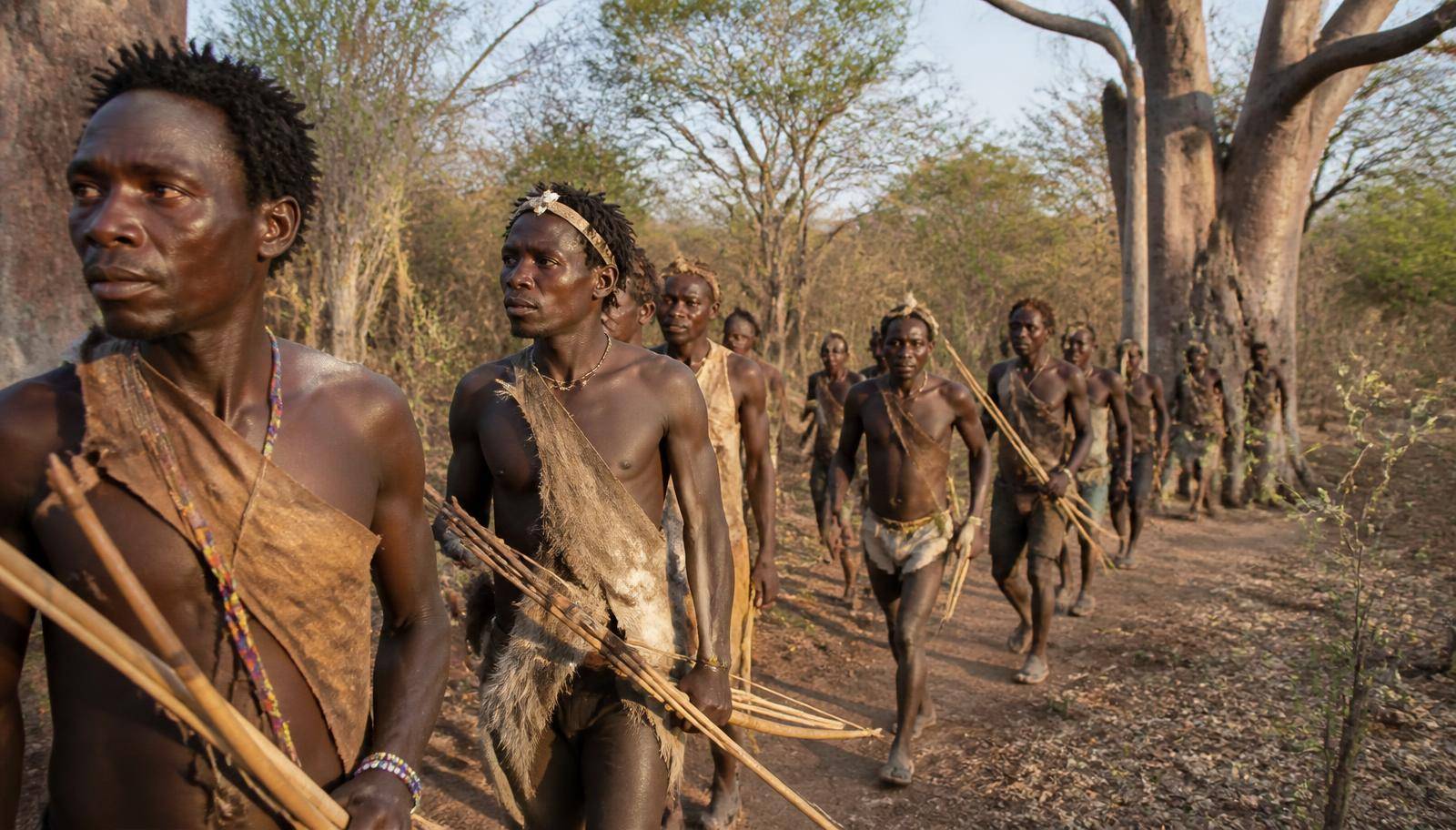
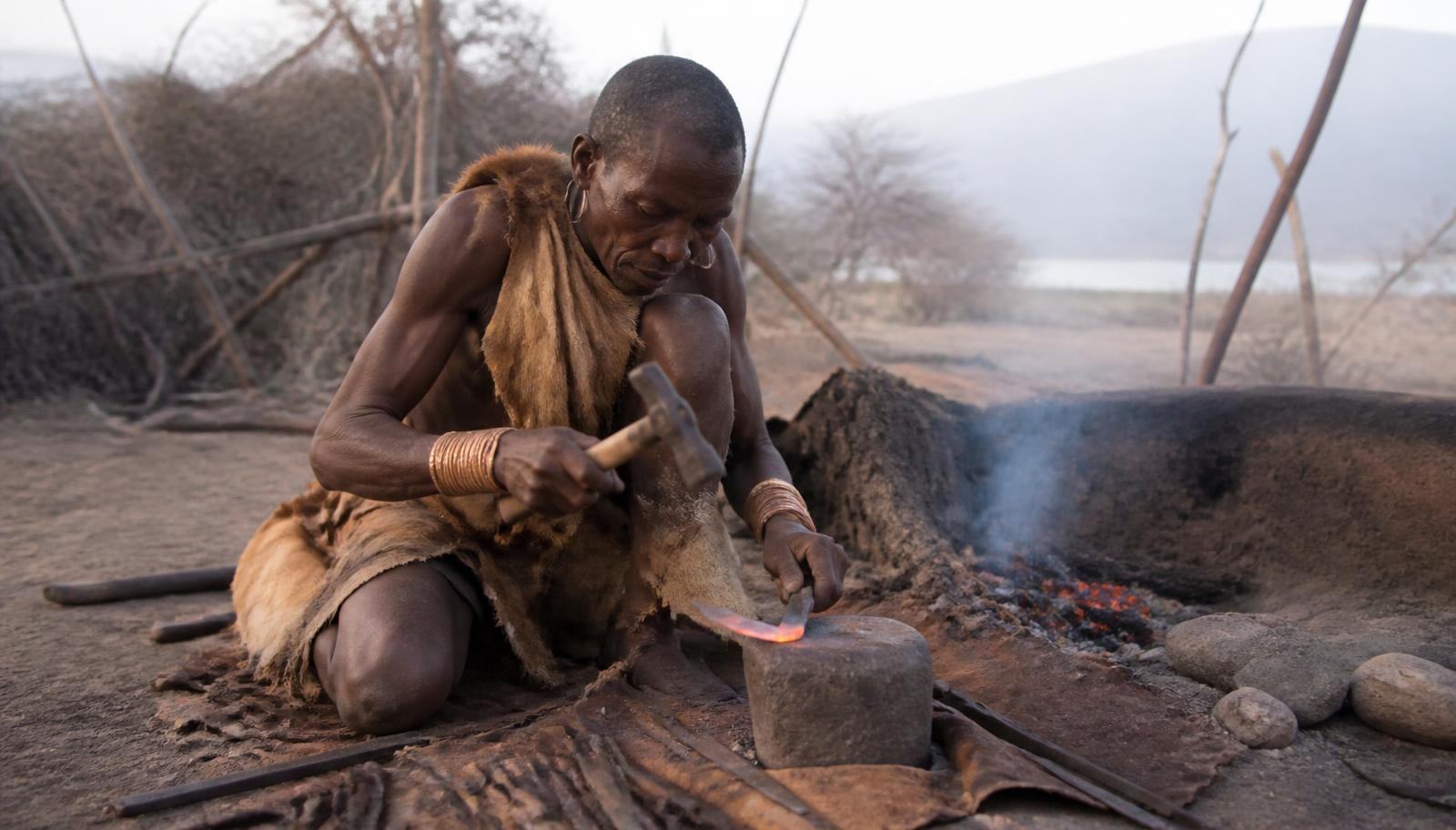
If you want cultural context before you go, our guides to the Hadzabe and the Datoga around Lake Eyasi explain how those communities live today, which makes a visit far more interesting than arriving cold.
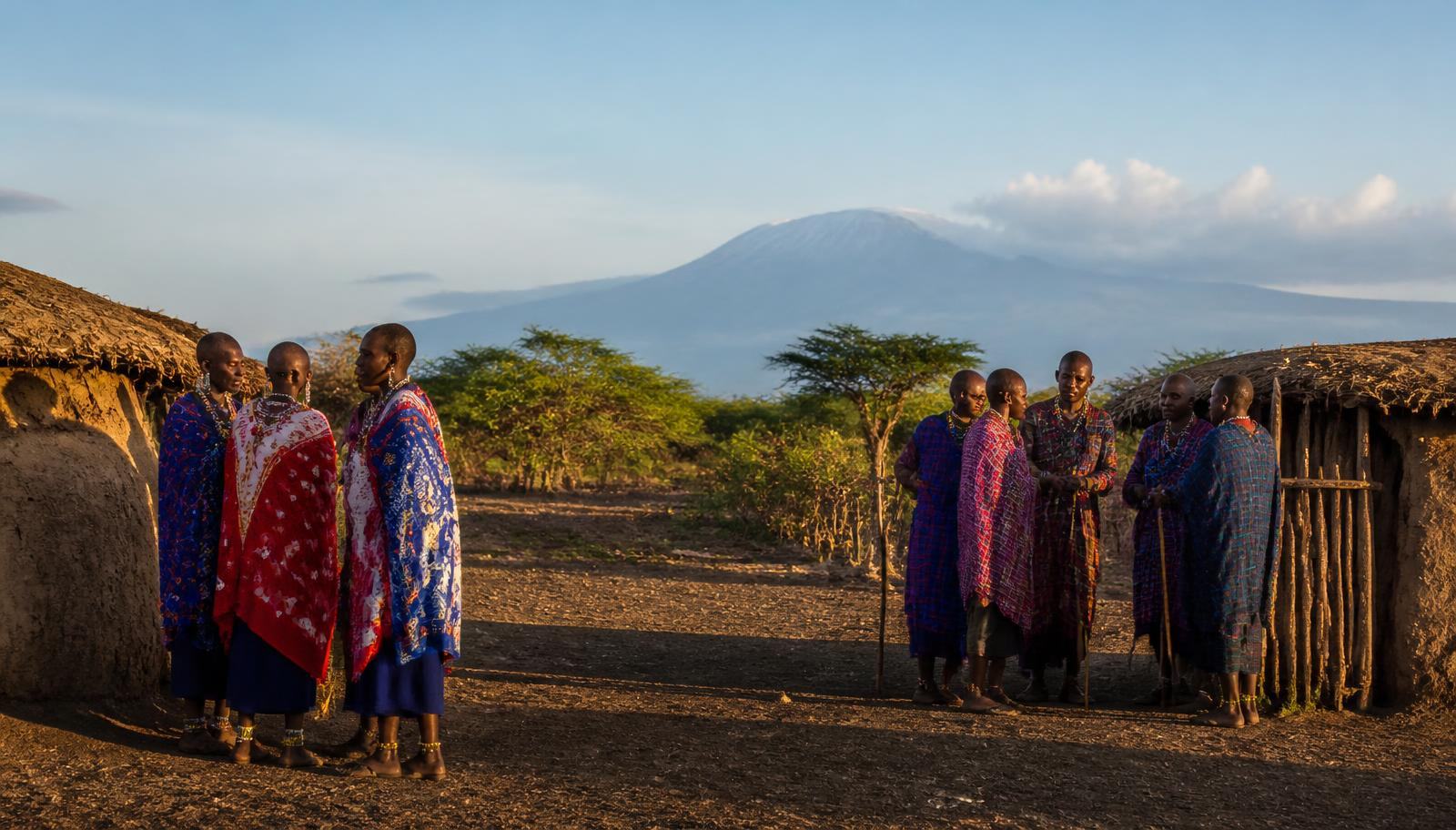
Maasai village etiquette
Maasai communities across northern Tanzania host visitors regularly, and practice varies from one boma to the next. Some receive guests as an organised part of community income; others rarely do. Treat what follows as a starting point, and follow your host and guide on the specifics.
- Greet the elders first and let the host lead the order of the visit.
- Ask before entering a home, taking photographs, or joining a dance or song.
- Do not handle spears, jewellery or personal belongings without being invited to.
- Cover shoulders and knees. Shorts and vest tops are out of place in most villages.
- Pay any photography or entry fee as set, and buy beadwork from the women who make it.
- Ask questions about the present as well as tradition. Maasai life today includes schooling, mobile phones, livestock markets and land pressure alongside customary practice.
A short read beforehand helps more than anything else. Our Maasai guide covers history, pastoral life and how tourism fits into it, so you arrive with better questions than "can I take a photo".
Environmental responsibility
Park fees fund conservation and anti-poaching work, so simply visiting contributes. Beyond that, the day-to-day choices are small and add up across thousands of visitors a season.
- Refill a reusable bottle at camp water stations rather than buying single-use plastic.
- Take nothing from the parks — no plants, feathers, bones, shells or stones.
- Stay on established tracks, and support your guide when they decline to drive off-road.
- Keep showers short and reuse towels. Water in remote camps is trucked or pumped at real cost.
- Use reef-safe sunscreen if you are adding Zanzibar or the coast.
- Avoid attractions that use captive or restrained animals for photographs.
- Choose operators and camps that employ locally and are transparent about how they manage waste and energy.
Sharing the park with other travelers
At popular sightings in Seronera or the Ngorongoro Crater floor you will not be alone. Vehicle etiquette between guides is well established, and guests can either help or get in the way.
- Take your turn. If several vehicles are waiting for a position, expect to move on after a reasonable time.
- Do not ask your guide to block another vehicle's view or push into a gap.
- Keep voices down between vehicles. Sound travels across the whole sighting, not just yours.
- Be considerate at picnic sites and viewpoints; they are shared and often crowded at midday.
- In a shared vehicle, agree on seat rotation, music and stop frequency at the start of the trip.
Common mistakes first-time visitors make
None of these are serious, and guides handle them gently every week. Knowing them in advance simply makes the first two days smoother.
| Mistake | Why it matters | Better approach |
|---|---|---|
| Treating the checklist as the goal | Pressure to tick off species pushes guides into long transits and rushed sightings. | Tell your guide what interests you, then let sightings develop. Behaviour beats box-ticking. |
| Underestimating how far sound carries | An open vehicle in still morning air is loud. Voices and ringtones reach animals easily. | Phones on silent, not vibrate. Low voices from the moment the engine stops. |
| Arriving without small dollar bills | Tips, village fees and curio purchases are cash. Card readers and ATMs are unreliable in the bush. | Bring clean, recent USD notes in fives, tens and twenties before you leave home. |
| Packing bright or dark clothing only | Bright colours stand out at close sightings, and dark blue and black attract tsetse flies. | Neutral khaki, olive, tan, stone and brown. Camouflage is not permitted for civilians. |
| Photographing people without asking | It reads as intrusive anywhere in Tanzania and sours the visit for the whole vehicle. | Ask, wait for the answer, and put the camera down if the answer is no. |
| Booking on price alone | Very cheap trips often mean crowded vehicles, tight schedules and pressure on guides. | Compare what is included. Our cost guide sets out what each tier realistically buys. |
Practical do's and don'ts
| Situation | Do | Don't |
|---|---|---|
| At a sighting | Speak quietly, move slowly, and let the guide choose the position and the departure time. | Standing up suddenly, calling to the animal, or asking to push closer. |
| In the vehicle | Stay seated while moving and keep hands, lenses and elbows inside the frame. | Leaning out of the roof hatch or sitting on the roof rails for a photo. |
| Photographing people | Ask first, accept a no gracefully, and pay a photo fee if one is set. | Shooting from a moving vehicle or using a long lens to avoid asking. |
| At camp | Be ready at the agreed departure time and keep the tent zipped. | Leaving snacks out, walking unescorted at night, or airing complaints in the lounge. |
| In a village | Greet elders first, cover shoulders and knees, and buy directly from makers. | Handing sweets or cash to children, or wandering into homes uninvited. |
| With your guide | Share your interests on day one and act on instructions immediately. | Pressing for off-road driving, night driving in national parks, or rule bending. |
Two related reads round this out: our honest look at safety in Tanzania, which covers the practical side of moving around the country, and the complete Tanzania travel guide for visas, money, health and regional planning.
Frequently Asked Questions
Common Questions
Frequently Asked Questions
Do not shout or call to animals, stand up while the vehicle is moving, lean out of the roof hatch, feed any wildlife, litter, or ask your guide to drive off-road or get closer than park rules allow. Drones are not permitted in parks without a special permit. And do not photograph people without asking first.
Yes, tipping is expected across the safari industry and forms a real part of income for guides and camp teams. Common working ranges on the Northern Circuit are about USD 20–30 per day for the driver-guide (per vehicle, not per person), about USD 10–15 per guest per day for the camp team as a pooled tip, and USD 1–2 per bag for porters. Amounts vary with trip type and service level, so ask your operator what fits your itinerary.
Only where your guide says it is allowed — designated picnic sites, viewpoints and washroom stops. Elsewhere in a national park you stay in the vehicle, because the vehicle is the reason animals ignore you. Walking activities do exist in certain concessions and reserves, run by trained and armed professionals under strict conditions.
Pure white shows dust immediately and reflects light at close sightings. Bright red, orange and yellow stand out in the vehicle. Dark blue and black attract tsetse flies, which matters in Tarangire and parts of the western Serengeti. Camouflage clothing is not permitted for civilians in Tanzania. Khaki, olive, tan, stone and brown are the safe choices.
Yes, always ask, whether it is a camp staff member, a market trader or someone in a village. Some communities set a photography fee; pay it as quoted rather than negotiating. If the answer is no, put the camera down. Using a long lens to avoid asking is still taking a photograph without consent.
Not without a specific permit, which is intended for research and professional filming and takes time and money to obtain. Flying without one risks confiscation and penalties that fall on your guide and operator as well as you. Most visitors are better off leaving the drone at home.
Parks publish minimum distances, and guides work to them, but the animal's behaviour is the real limit. If a cat gets up and moves, an elephant turns to face the vehicle, or a herd starts to bunch, the vehicle is too close and a good guide will back off. Support that decision rather than pushing for a closer photograph.
No. That includes monkeys and baboons around lodge decks and picnic sites. Fed animals lose their wariness, become bold around people, and often end up being removed. Keep food sealed and inside vehicles and rooms.
Greet the elders first and let your host lead the visit. Ask before entering a home, taking photographs or joining a dance, and do not handle spears, jewellery or personal belongings uninvited. Cover shoulders and knees, pay the agreed fee without haggling, and buy beadwork directly from the women who make it. Practice differs between communities, so follow your guide's cues.
It is better not to. Handing out sweets, pens or money encourages roadside begging and pulls children away from school. If you want to contribute, ask your operator about community projects they work with directly, where support is coordinated with local schools and leaders.
Less formal than most people expect. Dress is casual, meals are often shared, and the main courtesies are practical: be on time for departures, keep tents zipped, never walk between tents after dark without an escort, keep showers short, and raise any problem quietly with the manager rather than in the lounge.
Your guide will tell you, usually quietly and without fuss. Correct it, ask afterwards why it matters, and move on. Guides deal with the same handful of first-day habits every week and none of them ruin a trip.
In Closing
Final Thoughts
Safari etiquette in Tanzania is mostly common sense applied to an unfamiliar setting. Keep your presence small around animals, treat your guide as the professional they are, ask before you photograph anyone, tip in cash and give it properly, and let local hosts set the terms of a village visit. Do that and the country tends to open up: guides share more, sightings last longer, and community visits turn into conversations rather than performances. Where customs vary, ask. That question alone marks you as a good guest.