
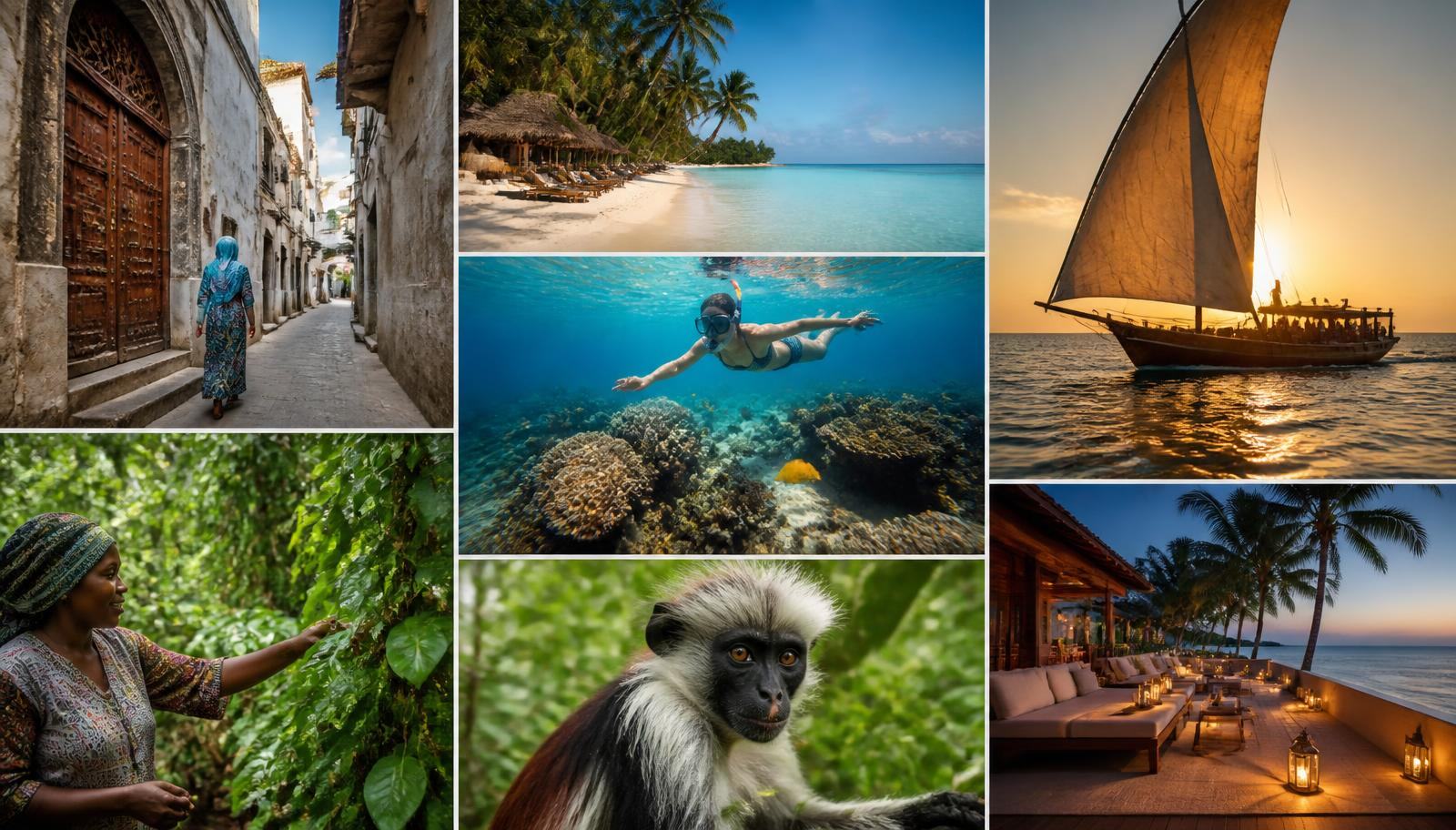
Zanzibar Travel
25 Best Things to Do in Zanzibar
Twenty-five experiences worth your time on Zanzibar — with honest prices, real travel times, tide warnings and a straight answer on who each one actually suits.

Introduction
I've been sending travelers to Zanzibar for years, and the same conversation keeps coming up on the phone afterward. People arrive expecting a beach. They leave talking about a market at seven in the morning, a boat captain named Hamisi, a plate of octopus curry eaten with their hands, and the smell of a clove-drying yard in the middle of the island. The beach was fine. The beach was always going to be fine. What surprised them was everything around it.
That gap between expectation and experience is the reason this guide exists. Zanzibar is small — roughly 55 miles long and 25 across, an hour and forty minutes end to end on a good road — but it's dense in a way most island destinations aren't. It has a 1,000-year trading history, a UNESCO-listed old town, coral reefs that hold their own against anywhere in the Indian Ocean, an endemic primate found nowhere else on earth, and a food culture built from Omani, Indian, Portuguese and Swahili layers.
What follows is the list I'd give a friend: twenty-five things worth doing, ordered roughly the way most people encounter them, with prices in the range we actually see in 2026, driving times from where you'll likely be staying, and honest notes on who each thing suits and who should skip it. Where a topic deserves its own treatment, I've linked to our fuller guides — the complete Zanzibar travel guide for logistics and planning, the guide to the best beaches in Zanzibar for choosing a coast, and the Stone Town travel guide for the old quarter in depth.
Why Zanzibar Offers More Than Beaches
Zanzibar sits about 25 miles off the Tanzanian mainland, which sounds close until you realize how differently the island developed. For centuries it was the pivot of the Indian Ocean monsoon trade. Dhows rode the northeast winds down from Oman, India and Persia between November and March, sat out the turn, then rode the southwest monsoon home. Everything that arrived on those boats — language, architecture, religion, recipes, and for a brutal stretch of the nineteenth century, enslaved people — stayed and mixed.
You can see the results without looking hard. A Zanzibari door in Stone Town has Indian brass studs, an Omani frame and a Swahili proverb carved into the lintel. A plate of pilau uses cardamom that grows twenty minutes inland. The call to prayer carries over a beach where the tide has just gone out and the seaweed farmers are walking their lines. This is a working island with about 1.9 million residents, not a resort archipelago, and that's precisely what makes it interesting.
The practical version of all this: build a trip with variety. Three days of lying on sand followed by a fourth day of the same thing is how people end up bored on one of the more interesting islands in the world. Alternate. Do a boat day, then a slow day. Do a town day, then a beach day. The list below is arranged so you can pick one item from each category and end up with something balanced.
1. Explore Stone Town
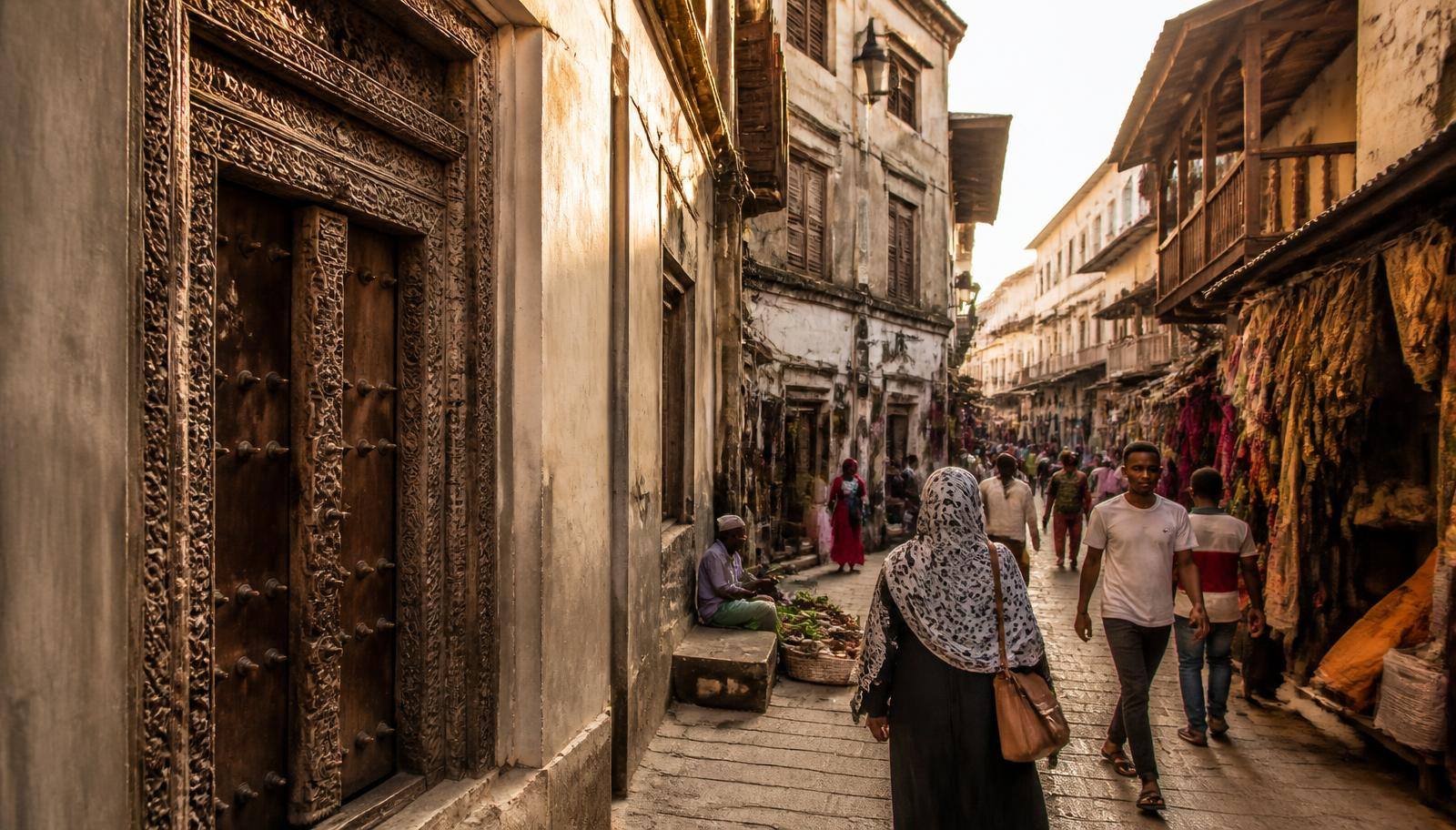
Stone Town is the reason Zanzibar has UNESCO World Heritage status, and it's the part of a Zanzibar trip people most often shortchange. Two square kilometers of coral-stone buildings, overhanging balconies, alleys too narrow for cars, and roughly 16,000 people who live there — this is a neighborhood, not an open-air museum.
Hire a licensed guide for your first two or three hours. This is not optional advice. The buildings don't explain themselves, and there's a difference between wandering past a plain door and understanding that you're looking at the site of the last legal slave market in East Africa. Expect to pay $20 to $35 for a good private guide. Ask your hotel; the guides who work with the better hotels are licensed and unhurried.
After that, get lost on purpose. The alleys make a rough grid but no map survives contact with them. Pick the seafront as your reset point — walk inland until you're disoriented, then head back toward the sound of traffic or the smell of the ocean. The essentials: Darajani Market before 9 am, the Anglican Cathedral and the slave chambers beneath it, the Old Fort in late afternoon, and Forodhani Gardens after dark when it becomes a street-food market.
Best for: everyone. Even travelers who swear they only want the beach come back and thank us for the two nights. Time needed: two nights ideally, one full day minimum.
2. Visit Nungwi Beach
Nungwi occupies the island's northern tip, roughly 60 to 75 minutes from Stone Town depending on traffic through Mahonda. It's the busiest beach on the island and the one with the widest range of hotels, restaurants, dive centers and bars — which is either exactly what you want or exactly what you don't.
The practical advantage is enormous: Nungwi sits far enough north that the tidal range barely affects swimming. You can walk into deep water at any hour, which is not true of most of the east coast. If you're traveling with children, or you simply refuse to plan your day around a tide chart, this matters more than any other consideration.
Nungwi is also a real fishing and boat-building village. Walk five minutes past the hotels to the boatyard on the western side and you'll find dhows being built by hand with adzes and no plans, the same way they've been built for centuries. It's free, it takes twenty minutes, and it's more memorable than anything on the beach strip.
Best for: first-time visitors, families, travelers who want restaurants and nightlife within walking distance. Skip if: you want quiet — try Matemwe or Pongwe instead.
3. Relax at Kendwa Beach
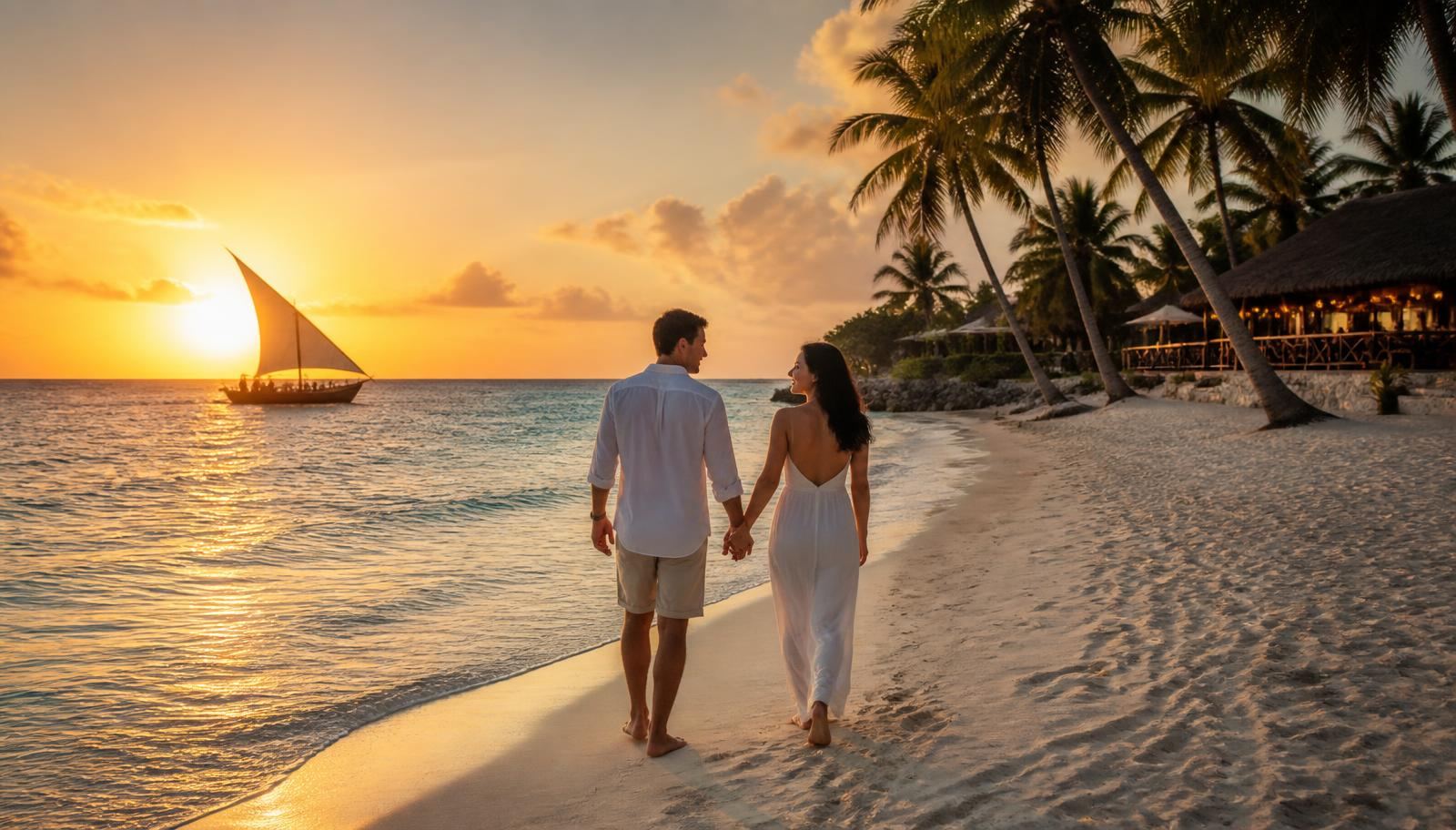
Kendwa is a twenty-minute walk or five-minute drive south of Nungwi, and it's the beach I recommend most often to couples. Same tidal advantage — swimmable all day — but wider sand, fewer boats moored offshore, and a west-facing aspect that gives you the best sunsets on the island. Nungwi points north; Kendwa looks straight into the sun going down. It's a real difference.
The Full Moon Party at Kendwa Rocks has been running for years and draws a big crowd monthly. If that's your thing, plan around it. If it isn't, stay at the southern end of the bay, which is noticeably quieter, or check the lunar calendar before booking.
Best for: couples, sunset watchers, anyone who wants Nungwi's convenience with less noise. Travel time: about 70 minutes from Stone Town, 15 minutes from Nungwi.
4. Discover Paje
Paje, on the southeast coast about an hour from Stone Town, is a completely different proposition. Wide, flat, blindingly white sand, shallow turquoise water inside a reef, and wind — reliable, consistent wind that has turned this village into one of the world's great kitesurfing destinations.
You need to understand the tide here. At low tide the ocean withdraws several hundred meters and you're looking at a vast expanse of wet sand, tide pools and seaweed farms. It's beautiful, genuinely — some of the best photography on the island happens at low tide at Paje — but you cannot swim. At high tide it becomes a lagoon. Both states last about six hours and shift roughly fifty minutes later each day.
The village itself has a young, relaxed atmosphere: beach cafés, yoga studios, kite schools, a couple of very good coffee places. It's the closest thing Zanzibar has to a backpacker-meets-digital-nomad scene, and it works well for solo travelers.
Best for: kitesurfers, solo travelers, younger couples, photographers. Skip if: your priority is walking into deep water whenever you feel like it.
5. Tour a Spice Farm
I'll be honest: "spice tour" sounds like the kind of thing you do because it's on a list. It isn't. A good one is a two-hour walk through a working smallholding where someone cuts open a nutmeg in front of you, has you crush a cinnamon leaf, digs up fresh turmeric that stains your fingers orange, and climbs a tree barefoot to bring down a coconut. Children love it. Adults who cook love it more.
The farms cluster around Kizimbani and Kidichi, 30 to 40 minutes inland from Stone Town. Expect to pay $20 to $30 including a lunch of pilau or biryani cooked with the spices you've just walked past. The version to avoid is the rushed one bolted onto a transfer, where the "tour" is fifteen minutes and the real destination is the gift shop.
Best for: families, food travelers, anyone with a spare half day. Book through: your hotel or us — the difference between a good farm and a bad one is entirely the guide.
6. Visit Prison Island
Changuu Island — everyone calls it Prison Island — sits about 20 minutes by boat from Stone Town's seafront. The name is misleading: the prison was built in the 1890s but never held prisoners. It became a quarantine station for yellow fever instead. Before that, in the 1860s, the island was used to hold enslaved people, which is the part of the history that most guides gloss over and shouldn't.
The main draw now is a colony of Aldabra giant tortoises, gifted from the Seychelles in 1919. Several are over a century old, and one is documented at around 190. You can feed them spinach, which children find hilarious. There's also a decent snorkeling spot off the island's northern side and a small beach for swimming.
Cost: roughly $35 to $45 including boat and the $4 island entry. Time: half a day. Best for: families and anyone spending two nights in Stone Town.
7. Swim With Sea Turtles, Responsibly
This one needs a caveat before the recommendation. The two places most travelers get taken to — Mnarani Marine Turtles Conservation Pond in Nungwi and Baraka Natural Aquarium — are enclosures. The turtles are in a tidal pool, they're fed seagrass by visitors, and while both facilities do release hatchlings and do rescue injured animals, what you're paying for is a swim with captive turtles. Some travelers are fine with that. Others feel misled afterward, which is why I'd rather tell you now.
The alternative, and the better experience by a distance, is seeing green and hawksbill turtles in open water. Mnemba Atoll delivers this regularly. So does Chumbe Island and, for divers, the reefs off Matemwe. There's no enclosure, no feeding, no guarantee — and that's exactly what makes it worth it when a turtle surfaces two meters away and looks at you.
If you do visit the ponds, go to Mnarani rather than Baraka. It's a community conservation project with a documented hatchling release program, and entry is about $10.
8. Go Snorkeling
Zanzibar's reef snorkeling is excellent at the right site and forgettable at the wrong one, and the difference is almost entirely about where the boat takes you. The house reef off a hotel beach at low tide is usually sand and seagrass. A proper boat trip is a different sport.
Mnemba Atoll is the headline. A private island's fringing reef off the northeast coast, reached by boat from Matemwe or Kendwa, with hard and soft coral, dense reef fish, frequent green turtles and a decent chance of dolphins on the transit. Shared trips run $45 to $90; a private boat is $180 and up. Leave early — 7:30 am departures get you glassy water before the wind builds around ten.
Chumbe Island Coral Park, south of Stone Town, is the quiet answer and arguably the better reef. It's a protected marine sanctuary that has been closed to fishing since 1994, and the coral cover shows it. Day visitor numbers are capped, so book weeks ahead. Around $100 to $130 including boat, guide and lunch.
Safari Blue, out of Fumba on the southwest coast, is the sociable full-day version: dhow sailing, two or three snorkel stops, a sandbank lunch and a seafood grill. It's touristy in the best sense. $60 to $90.
9. Go Scuba Diving
Zanzibar is a good place to learn to dive and a genuinely good place to dive if you're already certified. Water temperatures run 78 to 84°F year-round, visibility is typically 50 to 100 feet, and the sites range from gentle reef to serious current.
| Site | Level | What you'll see |
|---|---|---|
| Mnemba Atoll | All levels | Reef fish in volume, turtles, occasional reef sharks and dolphins. The island's benchmark dive. |
| Leven Bank | Advanced | Deep seamount north of Nungwi. Strong current, big pelagics, kingfish and barracuda. Not a beginner site. |
| Tumbatu Island | Intermediate | Wall and drift diving with healthy coral and far fewer boats than Mnemba. |
| Pange & Bawe reefs | Beginner | Shallow, calm sites off Stone Town used for most Open Water training dives. |
| Pemba Island | Advanced | A separate trip entirely — Manta Point and the Pemba Channel walls are world-class and largely undived. |
A two-tank day runs $120 to $180. A PADI Open Water course is typically $500 to $650 over three to four days. Book the course before you arrive so the instructor schedule lines up, and leave at least 18 hours between your last dive and any flight — which matters if you're flying to the Serengeti or home.
10. Sunset Dhow Cruise
Two hours, thirty to sixty dollars, and reliably one of the best evenings of the trip. A dhow is a wooden sailing boat with a lateen sail, the same design that carried the monsoon trade for a thousand years, and watching one work in a light breeze is worth the ticket on its own.
You can do this from Stone Town's seafront, from Kendwa, or from Kizimkazi in the south. Stone Town has the best backdrop — the old buildings catching the last light as you come back in. Kendwa has the cleanest sunset. Most trips include soft drinks and a beer or two; the better ones include fresh fruit and a captain who actually sails rather than motoring in a circle.
Best for: couples, families, anyone with a camera. Book: a day ahead through your hotel. Private charters for two run around $120 to $200.
11. Jozani Forest National Park
Jozani Chwaka Bay National Park protects the last significant stand of indigenous forest on Zanzibar, and it's home to the Zanzibar red colobus — a monkey found nowhere else on earth, with a population of roughly 6,000. They're habituated, unbothered by people, and often sitting three meters above the path.
The visit takes about two hours: a guided forest walk, the colobus troops, and a boardwalk through a mangrove swamp that's more interesting than it sounds. Entry is around $10 plus a guide fee, and the park sits about 45 minutes from Stone Town on the road to the southeast coast — which makes it an easy stop on a transfer day rather than a separate excursion.
Go early morning or after 4 pm. Midday the monkeys move high into the canopy and the humidity in the forest is punishing.
Best for: families, wildlife interest, anyone who wants a break from sun. Note: the guides ask you to stay three meters back from the monkeys. This protects them from human disease transmission — please respect it, however close they come to you.
12. Dolphin Tours, Done Ethically
I want to be direct here, because this is the activity most likely to leave you feeling bad. The standard Kizimkazi dolphin tour involves a fleet of boats locating a pod of bottlenose or humpback dolphins, then racing to drop tourists into the water in front of them. The dolphins flee. The boats follow. It repeats. Studies of the Kizimkazi population have documented measurable behavioral disruption from exactly this pressure.
There is a better version. A handful of operators run boat-based watching only — you stay aboard, the captain keeps a respectful distance, engines idle rather than chase, and you watch dolphins behave like dolphins. It costs the same. It's a calmer and frankly more impressive experience. Ask your hotel or ask us specifically for a no-swim, no-chase operator, and be prepared for a shrug from beach touts who don't offer one.
The honest alternative: you'll often see dolphins on the transit to Mnemba anyway, from a boat that isn't chasing them. That's the sighting I'd take.
13. The Rock Restaurant
The Rock sits on a coral outcrop off Michamvi Pingwe on the east coast. At low tide you walk to it; at high tide a boat takes you across. It's the most photographed building in Zanzibar and it's earned the attention — the setting is genuinely extraordinary.
A realistic expectation: the food is good, not transcendent, and you're paying for location. Expect $40 to $70 per person. Lunch is better value than dinner and the light is better for photographs. Book at least a week ahead in high season; walk-ups are turned away constantly. The drive from Paje is about 30 minutes, from Nungwi closer to 90.
Best for: couples, a one-off occasion. Order: simply. Grilled fish, calamari, the seafood platter. The elaborate dishes are where the kitchen overreaches.
14. Local Food Experiences
Zanzibari cooking is the best argument against staying inside your resort. A few things worth seeking out:
- Forodhani Gardens night market — Stone Town's seafront fills with grills after sunset. Eat mishkaki (marinated beef skewers), Zanzibar pizza (a folded, fried stuffed chapati that is nothing like pizza), and sugarcane juice pressed with ginger and lime. Eat what's cooked in front of you; skip the pre-made seafood platters sitting under lights.
- Urojo soup — also called Zanzibar mix. A tangy mango-and-turmeric broth with bhajia, cassava crisps and boiled potato. $1 to $2 at a street stall and completely addictive.
- A village cooking class — four hours, $30 to $50, usually in a family home near Stone Town or Jambiani. You go to the market, then cook pilau or coconut curry with someone's mother. It's the most underrated cultural experience on the island.
- Lukmaan, Stone Town — a canteen where locals actually eat. Point at what you want. Full plate for a few dollars.
- Fresh seafood at a beach shack — the fish came in that morning. At Jambiani and Bwejuu you can sometimes buy directly from the boats and have a shack cook it.
15. Shopping for Handicrafts
Zanzibar shopping is better than typical beach-destination souvenir fare, provided you know what's actually made here. Worth buying: kanga and kitenge cloth (the printed cotton wraps with Swahili proverbs on the border), Tingatinga paintings, hand-carved chests and door frames, coconut-shell jewelry, and spices — cloves, cardamom, cinnamon, vanilla and black pepper, sold vacuum-packed at the airport or loose at Darajani.
Be skeptical of "ebony" carvings, which are frequently stained hardwood, and avoid anything made from shell, coral or turtle. It's illegal to export and you may be stopped at customs. Bargaining is expected in markets — start around half the asking price, stay friendly, and be willing to walk. In fixed-price boutiques in Shangani, don't bargain; it's rude there.
Good places: Darajani Market for spices and cloth, Gizenga Street for art and carvings, the Old Fort craft stalls, and the Zanzibar Curio Shop if you want antiques with actual provenance.
16. Kite Surfing
Paje is one of the best places in the world to learn to kitesurf, and I don't say that lightly. The combination is rare: a flat, shallow lagoon inside a reef, consistent side-onshore wind, warm water, and a cluster of established schools with proper safety boats.
Two seasons. The kaskazi blows from December through February. The kusi, stronger and more reliable, runs June through September. Outside those windows the wind is patchy and you may spend your week on the beach. Lessons run $60 to $80 per hour; a full beginner course to independent riding is typically 9 to 12 hours over three or four days, around $400 to $600.
Jambiani, just south, has similar conditions with fewer kites in the air — worth considering if you're already riding and want space.
17. Photography Spots
A short list of where the good light and the good frames actually are:
- Stone Town alleys, 7–9 am — low sun slicing between buildings, shopkeepers opening up, no crowds.
- Paje or Jambiani at low tide — the seaweed farmers walking their lines across reflective wet sand. Best in the hour after sunrise.
- Nungwi boatyard, late afternoon — dhow hulls, sawdust, working hands, warm light.
- Kendwa, sunset — the only major west- facing beach. Silhouetted dhows on request from any boat captain.
- The Rock at mid-tide — enough water for the reflection, not so much that the stilts disappear.
- Forodhani after dark — grill smoke, lanterns, motion blur. Push your ISO and shoot wide.
One rule: ask before photographing people, always. A phrase of Swahili and a smile gets you a yes far more often than a lens does. In Stone Town's residential lanes, assume the answer is no unless you've asked.
18. Day Trips Worth Taking
Assuming you're based on a beach, these are the day trips that justify leaving it.
- 19. Nakupenda Sandbank — a strip of pure white sand that appears at low tide off Stone Town. Boat, seafood lunch, a few hours of swimming. Around $40. Better than it sounds.
- 20. Kuza Cave, Jambiani — a freshwater limestone cave used for centuries as a village bathing and ceremonial site. Cold, clear, deeply atmospheric. About $10 with a cultural center attached.
- 21. Mangapwani slave chambers — coral caves north of Stone Town where enslaved people were hidden after the 1873 abolition treaty. Sobering, quiet, rarely visited. Combine with a beach stop.
- 22. Michamvi Peninsula sunset — the only east-coast point where you can watch the sun set over water, from Kae Beach. Twenty minutes from Paje.
- 23. Pemba Island — Zanzibar's quieter sister, 30 minutes by air. Wall diving, clove plantations, almost no tourism. Needs two nights minimum, not a day trip.
- 24. Kizimkazi fish auction — early morning on the south coast. The boats land, the auction runs, and nothing about it is staged for visitors. Free.
- 25. Sunrise sea kayak or SUP at Matemwe — flat water inside the reef, Mnemba on the horizon, and you'll have the ocean to yourself before seven.
Activity Comparison Table
Everything above, priced and sorted, so you can build a week without doing the math twice.
| Activity | Cost | Time | Best for | Verdict |
|---|---|---|---|---|
| Stone Town walking tour | $20–$35 with a licensed guide | 3 hrs | Everyone, ideally on arrival or departure day | The single highest-value activity on the island. |
| Spice farm tour | $20–$30 incl. lunch | Half day | Families, first-timers, food lovers | Better than it sounds. Skip the ones bolted onto shopping stops. |
| Mnemba snorkeling | $45–$90 shared, $180+ private | Half day (early start) | Confident swimmers, couples, photographers | The best reef you can reach without a dive certificate. |
| Scuba diving (2 tanks) | $120–$180 | Half day | Certified divers; Open Water courses from $500 | Mnemba for reef, Leven Bank for big fish and current. |
| Safari Blue day trip | $60–$90 | Full day | Groups, families, sociable travelers | Sandbank, snorkeling, seafood grill. Touristy and genuinely fun. |
| Sunset dhow cruise | $30–$60 shared | 2 hrs | Couples, anyone with a camera | Cheap, beautiful, works from Stone Town, Kendwa or Kizimkazi. |
| Jozani Forest | $10 entry + guide | 2 hrs | Families, wildlife interest, non-beach days | Red colobus at close range. Go early or after 4 pm. |
| Prison Island | $35–$45 incl. boat and entry | Half day | History interest, families with kids | Giant tortoises and a hard story. Combine with a Stone Town day. |
| Kitesurf lesson | $60–$80 per hour, $400+ course | Multi-day to learn | Active travelers, Paje and Jambiani in Jun–Sep or Dec–Feb | Zanzibar is one of the best places on earth to learn. |
| The Rock Restaurant | $40–$70 per head | 2 hrs | Couples, a one-off lunch | Book ahead. Go for the setting, order simply. |
| Chumbe Island day trip | $100–$130 all-in | Full day | Serious snorkelers, conservation interest | The healthiest reef in Zanzibar. Numbers are capped daily. |
| Cooking class in a village | $30–$50 | 4 hrs | Food travelers, rainy afternoons | The most underrated cultural experience on the island. |
When to come
| Months | Weather | Verdict |
|---|---|---|
| Jan–Feb | Hot, humid, brief afternoon showers | Excellent water clarity. Busy in early January. |
| Mar | Humid, rain building late | Fine before mid-month, unreliable after. |
| Apr–May | Long rains | Cheapest. Many small hotels and dive centers close. |
| Jun–Aug | Dry, breezy, low humidity | Peak season. Best kitesurfing wind, highest prices. |
| Sep–Oct | Dry, warm, calm seas | Our pick. Great diving visibility, fewer crowds. |
| Nov | Short rains, patchy | Often lovely and noticeably cheaper. |
| Dec | Warm and festive | Fills up hard from about the 20th. |
If you're pairing the island with the mainland, the seasons line up neatly: June to October is both peak safari and peak beach. The ultimate Tanzania travel guide sets out how the wildlife calendar and the coastal weather interact across the year.
Sample 3-Day Zanzibar Itinerary
This is the shape we build most often for travelers arriving from a safari with three nights to spend. It front-loads Stone Town, gets the boat day done before the wind picks up, and leaves the last day loose.
Day 1
Stone Town, spices and the seafront
- Morning
- Land at ZNZ, drop bags at a restored house in Shangani or Hurumzi. Coffee at Jaws Corner, then a guided three-hour walk taking in Darajani Market, the Anglican Cathedral and slave chambers, the Old Fort and the House of Wonders facade.
- Afternoon
- Lunch at Lukmaan for local prices or a rooftop for the breeze. Rest through the heat, then a spice farm tour inland at Kizimbani — 35 minutes each way, back by five.
- Evening
- Sunset dhow from Shangani, then grilled mishkaki and Zanzibar pizza at the Forodhani Gardens night market.
Day 2
Reef, forest and the drive north
- Morning
- Early boat to Mnemba Atoll from Matemwe or Kendwa. Leave by 7:30 am — the water is glassiest before the wind arrives around ten.
- Afternoon
- Late lunch at your beach hotel. If you'd rather trade reef for shade, swap in Jozani Forest for the red colobus, roughly 45 minutes from Stone Town on the way east.
- Evening
- Kendwa for the sunset. It's the only major beach on the island that faces west, and the tide never strands you.
Day 3
Beach day, then choose your ending
- Morning
- Nothing scheduled. Swim, walk the sand at low tide, watch the dhow builders at Nungwi's boatyard.
- Afternoon
- Pick one: a kitesurf taster at Paje, lunch at The Rock, a Safari Blue sandbank trip, or a village cooking class. All are half-day commitments.
- Evening
- Fresh seafood at your hotel or a beach shack, then a night flight out or one more night before the mainland.
With five nights, add a full day for Safari Blue or Chumbe, and a slow day on the east coast at Jambiani or Michamvi. With seven, split your stay between two coasts — north for swimming, southeast for atmosphere — and give yourself the transfer day in between rather than trying to compress it.
Frequently Asked Questions
The questions we're asked most often by travelers planning their first Zanzibar trip.
Common Questions
Frequently Asked Questions
Zanzibar is famous for three things that rarely sit this close together: white-sand Indian Ocean beaches with genuinely turquoise water, Stone Town's UNESCO-listed Swahili trading quarter, and the spice trade that gave the island its old nickname, the Spice Islands. Add to that some of the best coral diving in East Africa around Mnemba Atoll, the endemic Zanzibar red colobus monkey in Jozani Forest, and a food culture that mixes Omani, Indian, Portuguese and African influences into something you won't eat anywhere else. Most travelers come for the beaches and leave talking about Stone Town.
Five to seven nights is the sweet spot. Two nights in Stone Town covers the historic core, a spice farm and a sunset dhow without rushing. Four or five nights on a beach gives you time for a snorkeling day, a diving day or a kitesurf lesson and still leaves space to do nothing. Three nights total is doable if you're adding Zanzibar to a safari, but you'll spend a disproportionate amount of it in transit. Ten nights only makes sense if you're diving seriously, kitesurfing, or splitting between two very different coasts — say Nungwi in the north and Jambiani in the southeast.
More than people expect. Walking Stone Town costs nothing, and the alleys are the attraction. Forodhani Gardens in the evening is free to enter — you only pay for food. Beach walking at low tide on the east coast is spectacular and free, as is watching the dhow builders at Nungwi, the seaweed farmers at Paje and Jambiani, and the fish auction at Kizimkazi or Mkokotoni in the morning. Sunset from a public beach at Kendwa costs nothing. Most of the paid activities cluster around $25 to $70; the free ones are often the parts people remember.
Yes, with two caveats. First, choose your beach for the tide — Nungwi and Kendwa in the north stay swimmable through the tidal cycle, which matters enormously with children, while Paje and Jambiani empty out for hours. Second, plan around the heat: mornings for activities, midday for the pool. Jozani Forest, a spice farm, a short glass-bottom boat trip and Prison Island's tortoises all work well for children aged roughly six and up. Malaria prophylaxis is standard for the island and worth discussing with your doctor. Most resorts in the north are family-configured with pools, shallow entries and kids' menus.
A sunset dhow out of Kendwa or Stone Town, dinner at The Rock or a private sandbank lunch on a Safari Blue trip, a night at a boutique house in Stone Town with a rooftop, and a stay on a quieter stretch — Matemwe, Michamvi or Pongwe rather than the Nungwi strip. Snorkeling at Mnemba as a two-person private boat rather than a group charter costs more but changes the day completely. If you're combining with the mainland, our guide to a Tanzania safari for couples covers how to build the safari half around the same idea.
At the right site, absolutely. Mnemba Atoll on a calm morning is genuinely world class — hard and soft coral, reef fish in numbers, and a reasonable chance of green turtles and dolphins on the way out. Chumbe Island Coral Park, a protected marine sanctuary south of Stone Town, is arguably better still and far less crowded. Where snorkeling disappoints is the house reef directly off a hotel beach at low tide, which is usually sand, seagrass and not much else. Book a boat, go early before the wind builds, and it will be one of the best half-days of your trip.
Accommodation, first and always — the good properties in Nungwi, Matemwe and Stone Town sell out for July, August and Christmas months ahead. Book dinner at The Rock at least a week out, Chumbe Island several weeks out because it caps daily numbers, and any diving course before you arrive so the instructor schedule works. Spice tours, Jozani, Prison Island, Safari Blue and dhow cruises can all be arranged a day or two ahead through your hotel. Internal flights between the Serengeti and Zanzibar should be locked in with your safari, not left to chance.
That's how most of our clients travel, and it's the best version of a Tanzania trip. The standard shape is six or seven days on the northern circuit — Tarangire, the Ngorongoro Crater, the Serengeti — followed by a short flight from a Serengeti airstrip or Arusha to Zanzibar for four to six nights. The flight is roughly ninety minutes to two hours depending on routing, and it turns two separate holidays into one. Do the safari first: after five days of early game drives, the beach is a reward rather than an interruption.
Conclusion
Zanzibar rewards travelers who treat it as an island with a culture rather than a resort with a beach. Give Stone Town two nights, pick your coast by the tide rather than the photo, book one boat day and one forest or farm morning, and leave a day unscheduled. Do that and you'll come home with the sort of trip that doesn't fit neatly into a caption.
If you take one thing from this list, make it the variety. The travelers who come home happiest are not the ones who found the most perfect beach — they're the ones who walked Stone Town at seven in the morning, ate something they couldn't name at Forodhani, watched a turtle from a boat that wasn't chasing it, and then spent two entirely unproductive days on the sand feeling like they'd earned it.
Plan Your Zanzibar Trip With Olympus Adventure
Olympus Adventure is a Tanzanian-owned company based in Arusha. We build private, tailor-made trips that combine the northern safari circuit with Zanzibar's coast, and we've walked, sailed, dived and eaten our way through most of what's on this list. That means we can tell you which spice farm has the good guide, which dhow captain actually sails, and which beach matches how you like to travel — rather than which one pays the biggest commission.
A typical trip runs six or seven days across Tarangire, the Ngorongoro Crater and the Serengeti, then a short flight to the island for four to six nights. We handle the internal flights, the transfers, the excursion bookings and the hotel selection, and we'll say so plainly if we think your dates or your chosen coast are wrong for what you want. If you'd rather understand the process before committing, our guides on how to book a Tanzania safari and planning a Tanzania safari for couples walk through deposits, timing and trip design in detail.
Send us your dates, the number of nights you have, and a rough sense of your budget. We'll come back with a day-by-day plan, a transparent quote, and honest advice about what to cut if the itinerary is doing too much.
Keep Reading
More Zanzibar Guides
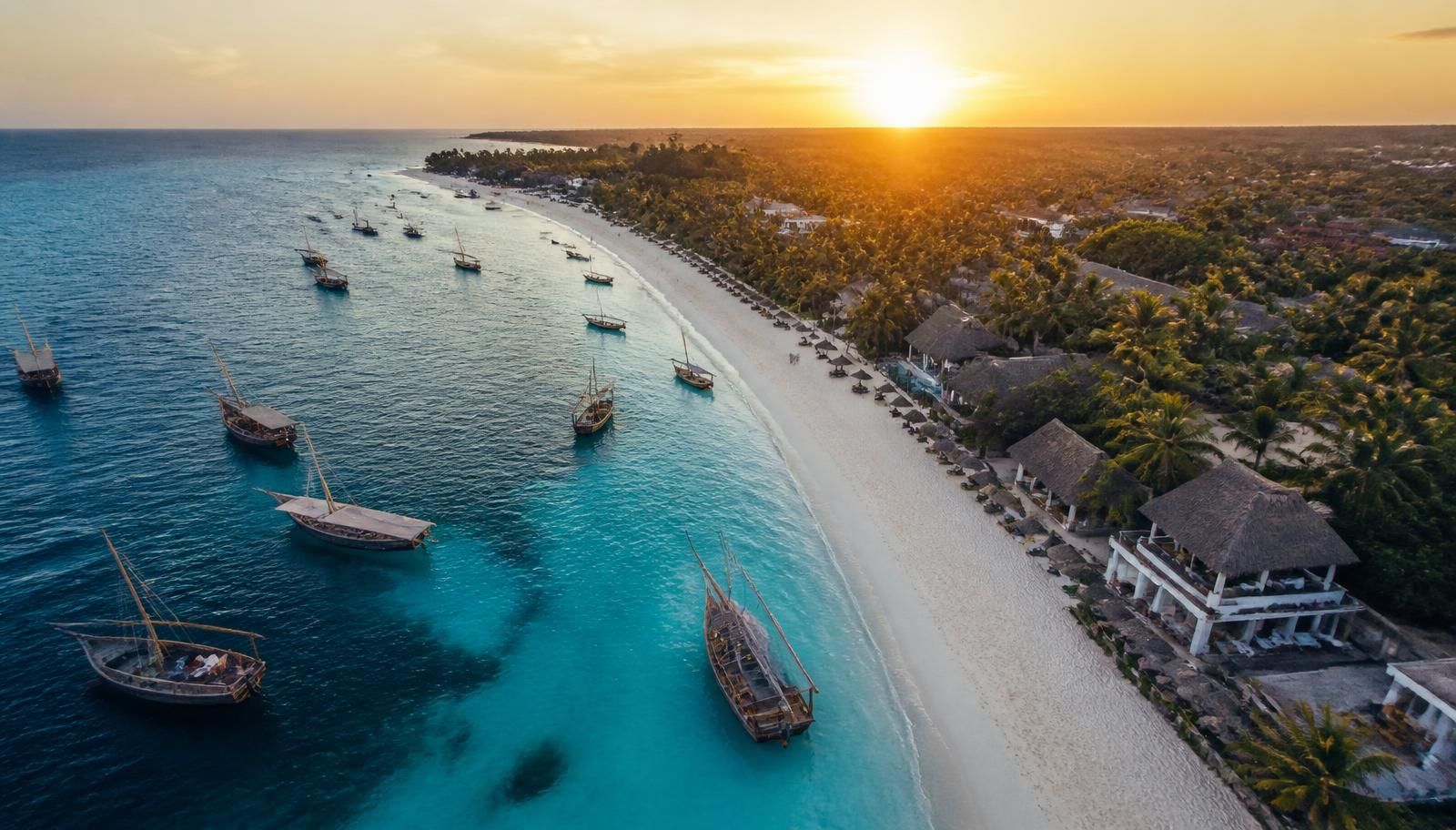
Zanzibar
Zanzibar Travel Guide: Everything You Need Before Visiting the Island
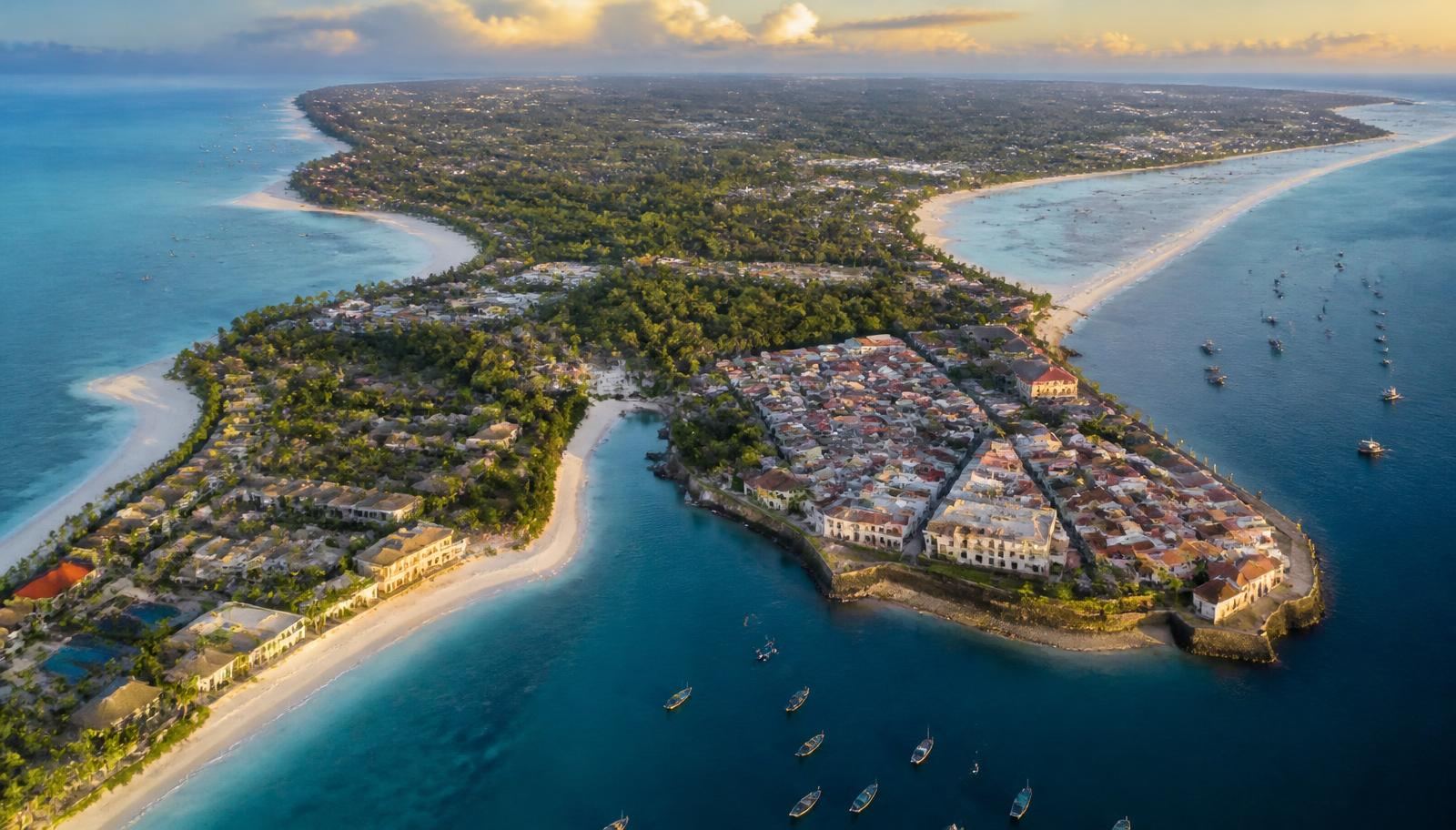
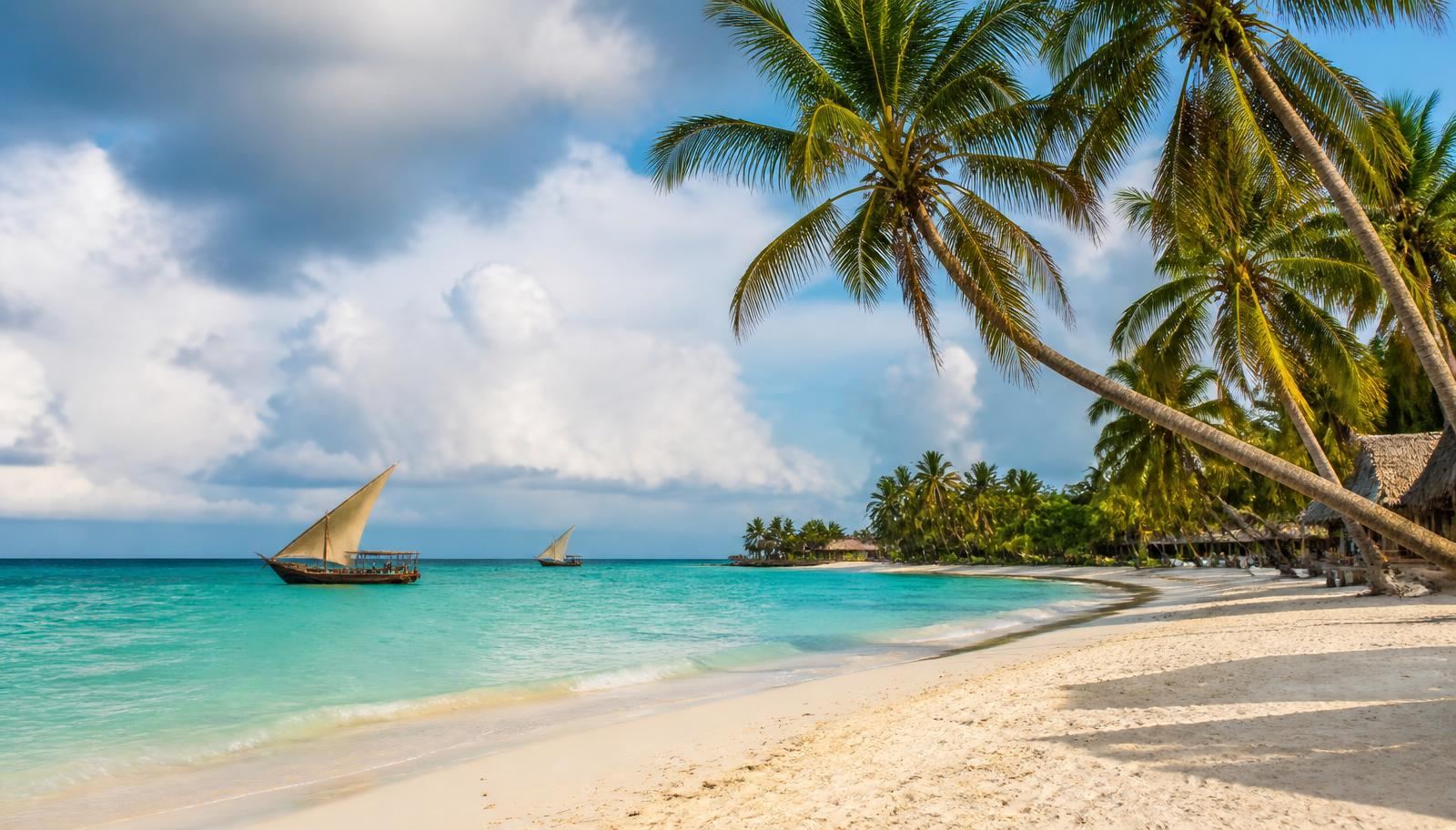
Zanzibar
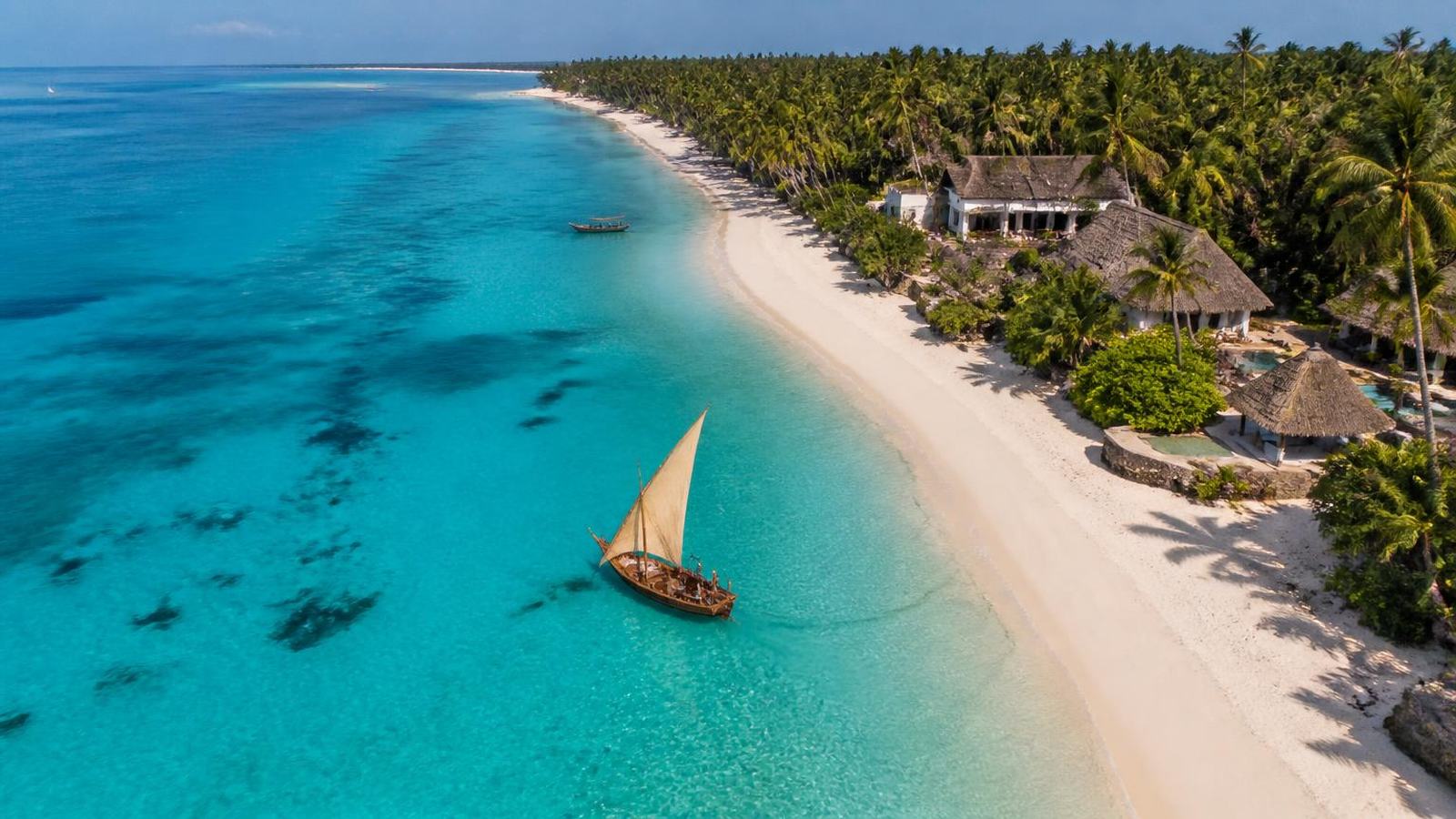
Best Beaches in Zanzibar: Complete Guide to Choosing the Perfect Beach
Plan Your Journey
Ready to explore Tanzania?
Let our Arusha-based safari specialists craft a private, tailor-made itinerary around you — no middlemen, no templates, just your perfect journey.
- TALA Licensed Operator
- 4.9 ★ Guest Rating
- No Booking Fees