

Zanzibar Travel
Zanzibar and Safari: How to Plan the Perfect Tanzania Vacation
A practical 2026 planning guide to combining a Tanzania safari with Zanzibar — trip length, routing, internal flights, seasons, costs and the mistakes worth avoiding.

Most people who contact us about Tanzania already have both halves of the trip in mind. They want the Serengeti, and they want a few days by the ocean afterward. The question is rarely whether to combine the two. It is how many days each half needs, in what order, and how the flight between them fits without wasting a day.
This guide answers that. It is written from the planning side of the desk: what tends to work, what tends to go wrong, where the costs sit, and how the calendar changes the answer. Zanzibar itself — beaches, food, Stone Town, diving — is covered separately in our Zanzibar travel guide, so this article stays on the combination.
Where numbers appear below, treat them as planning ranges rather than quotes. Flight times, schedules, park fees and lodge rates all change, and they change at different times of year.
Why the Combination Works
A safari is a demanding holiday. Game drives start early, the roads are rough, and the days are long even when the camps are comfortable. By the fifth or sixth morning most travelers are still enjoying it, but they are also tired in a way that a flight home does not fix.
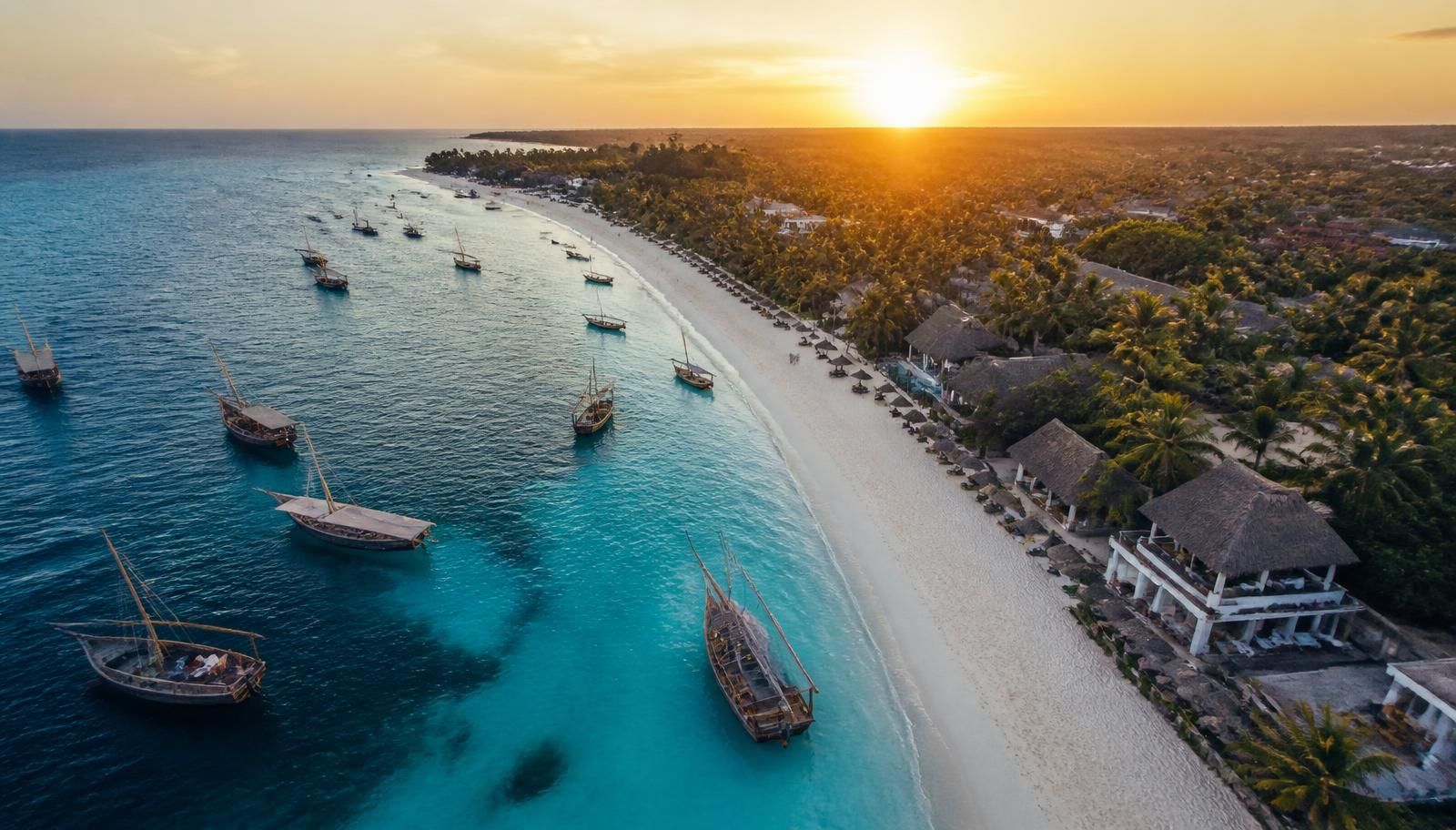
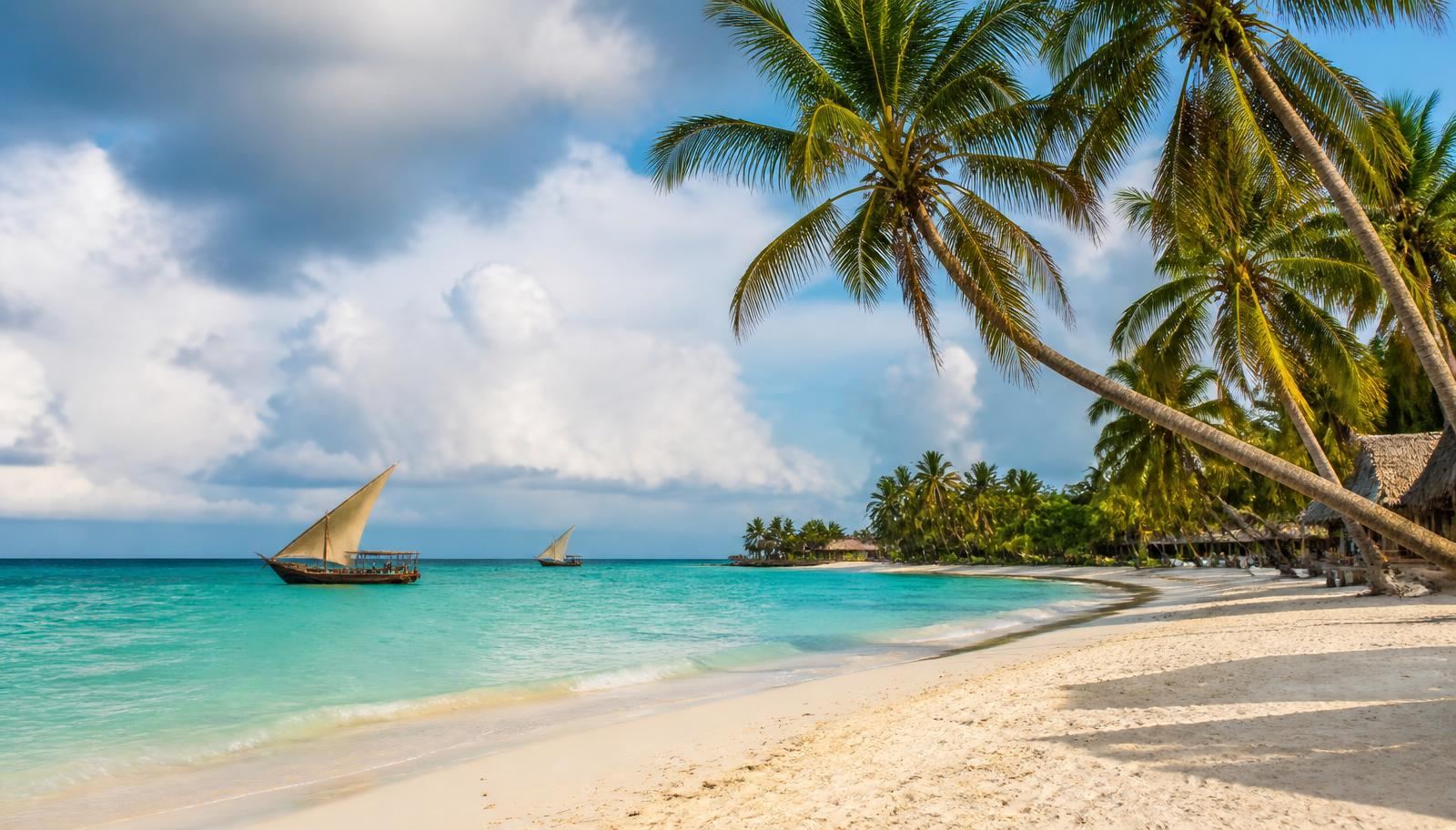
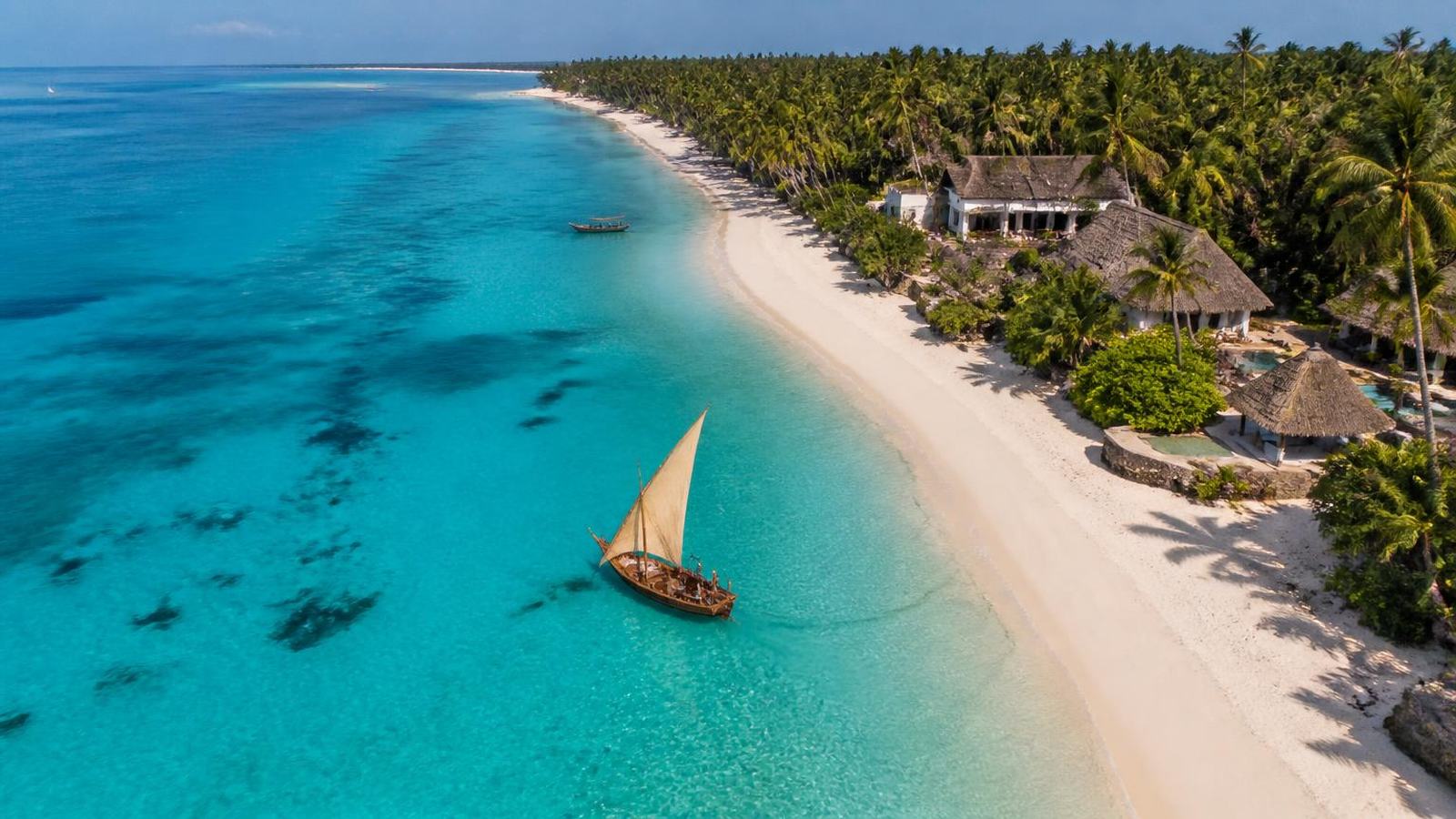
Zanzibar solves that problem in the same country, without a second long-haul flight and without a second visa. The island sits off the Tanzanian coast, scheduled flights connect it to the safari regions daily, and the change of pace is complete: no alarm clocks, no vehicle, warm water, and a slower rhythm for a few days before you travel home.
There is also a practical argument. Tanzania is a long way from most source markets. Once the international airfare is committed, adding three or four island nights is a comparatively small increase for a large change in how the trip feels at the end.
How Many Days Do You Need?
The honest answer is that the combination needs more days than either half alone, because two internal transfer points sit inside it. Here is how the common lengths behave in practice.
| Trip length | Typical split | Who it suits | What to watch |
|---|---|---|---|
| 7 days on the ground | 3–4 safari nights + 3 beach nights | Short-leave travelers, second visits, families who want gentle days. | Only realistic with a short northern loop (Tarangire and the crater). Adding the Serengeti to seven days usually means paying for a flight to spend one night there. |
| 10 days on the ground | 5–6 safari nights + 4 beach nights | The most common request we receive, and the length that balances best. | Book the internal flight early in the planning, not last. It decides which Serengeti region is sensible. |
| 12–14 days on the ground | 7–8 safari nights + 5 beach nights | Honeymoons, milestone trips, first long-haul trips, photography-led travel. | Resist the urge to add a fourth safari region. Extra nights in fewer places almost always produce a better trip. |
| Under 6 days | Not recommended as a combination | Better spent on either a focused short safari or a straight beach holiday. | Two arrival days, one internal flight and two departure transfers leave very little actual holiday. |
One detail that changes the arithmetic: your arrival day is rarely a usable day. Long-haul flights into Kilimanjaro often land in the evening, which means the first night is a transit night in Arusha. When you count days, count nights on the ground and subtract the arrival evening. If you want to see how full itineraries are structured across different lengths, our itinerary comparison lays the safari half out day by day.
Safari First or Zanzibar First?
Safari first, in nearly every case. Three reasons, in order of how often they matter.
- Energy. Game drives reward early starts and attention. Doing them after several slow beach days is possible, but most people find the transition uncomfortable in that direction.
- Recovery before flying. Ending on the coast puts a few unhurried days between the dust of the parks and a long flight home.
- Schedule risk. Safari logistics are the less flexible half. Keeping them at the front leaves the beach nights as a buffer if a light-aircraft schedule shifts.
There are exceptions. Travelers arriving through Dar es Salaam or already on the coast sometimes start on the island. Families with young children occasionally begin with two or three beach nights to reset time zones before the early safari mornings. Both are reasonable when there is a reason behind them.
Best Safari Parks to Combine With Zanzibar
Not every park pairs neatly with the island. The deciding factors are distance from a usable airstrip, how many nights the park genuinely deserves, and whether it duplicates something already in the itinerary.
| Park | Suggested nights | Why it pairs well | Getting to the coast |
|---|---|---|---|
| Serengeti | 3–4 | Open plains, strong predator viewing and the seasonal migration regions. The reason most people fly to Tanzania in the first place. | Several airstrips (Seronera, Kogatende, Grumeti area) with scheduled light-aircraft services that connect toward the coast, usually with a stop. |
| Ngorongoro Crater | 1–2 | One contained descent day with an unusually wide range of large mammals, including Tanzania's most realistic rhino chance. | No commercial airstrip of its own. Pair it with a Serengeti departure or a road transfer back toward Arusha. |
| Tarangire | 1–2 | Large elephant groups and baobab country in the dry months, with far fewer vehicles than the Serengeti. | Close to Arusha, so it works well as the first stop before flying to the coast from Arusha or Kilimanjaro. |
| Lake Manyara | 0–1 | A half-day of forest, lake edge and birdlife that breaks up the drive between Tarangire and the highlands. | Usually a road stop rather than a flight point. |
| Nyerere (Selous) | 3–4 | A southern-circuit alternative with boat safaris and walking, and the shortest hop to Zanzibar of any major park. | Direct light-aircraft services to Zanzibar are common, which makes it attractive for shorter trips. |
| Ruaha | 3–4 | Remote, quiet and excellent for predators. Suits repeat safari travelers rather than first-timers. | Longer flying time to the coast, often with a connection. Budget an extra half-day for the transfer. |
For most first trips the northern circuit does the job: Tarangire for elephants and baobabs, the crater for a single dense day of wildlife, and the Serengeti for scale and predators. Our region-by-region look at the Serengeti explains which part of the park makes sense in which month, and the crater guide covers why that day works best when it is not rushed. If elephants are high on your list, the Tarangire guide is worth reading before you decide how many nights to give it.
Best Safari + Zanzibar Itineraries
The three outlines below are the shapes we build most often. They are starting points, not fixed products — the Serengeti region, the camps and the beach area all shift depending on your dates.
7-Day Example: Short Northern Loop and Three Beach Nights
This is the tightest version that still feels like a holiday. It skips the Serengeti deliberately. Flying in for a single Serengeti night is an expensive way to be tired.
| Day | Where | Shape of the day |
|---|---|---|
| 1 | Arrive Kilimanjaro (JRO) | Transfer to Arusha, overnight, itinerary and vehicle briefing. |
| 2 | Tarangire | Full day in the park, then overnight nearby or in the Karatu highlands. |
| 3 | Ngorongoro Crater | Early descent, most of the day on the crater floor, ascend mid-afternoon. |
| 4 | Fly to Zanzibar | Road transfer to Arusha or Kilimanjaro, scheduled flight, afternoon arrival at the coast. |
| 5 | Zanzibar | Beach day. Optional reef trip depending on tides and conditions. |
| 6 | Zanzibar | Half-day Stone Town or a spice farm visit, afternoon back at the beach. |
| 7 | Depart | Transfer to Zanzibar airport for the international connection. |
10-Day Example: Full Northern Circuit and Four Beach Nights
The version most travelers end up booking. It gives the safari enough room to include the Serengeti properly and still leaves four nights on the island, one of which is genuinely unstructured.
| Day | Where | Shape of the day |
|---|---|---|
| 1 | Arrive Kilimanjaro (JRO) | Overnight Arusha, briefing. |
| 2 | Tarangire | Full day, overnight near the park. |
| 3 | Lake Manyara → Karatu | Half-day Manyara, overnight in the highlands. |
| 4 | Ngorongoro Crater | Crater descent, then overnight in the highlands or toward the Serengeti. |
| 5 | Serengeti | Transfer in with game viewing en route; afternoon drive. |
| 6 | Serengeti | Full day in the region that matches the season. |
| 7 | Fly to Zanzibar | Morning drive, light-aircraft departure, arrival at the coast in the afternoon. |
| 8 | Zanzibar | Rest day. Nothing scheduled, deliberately. |
| 9 | Zanzibar | Stone Town, a reef trip or a dhow afternoon, tide permitting. |
| 10 | Depart | Morning at the beach if the flight allows, then transfer to ZNZ. |
14-Day Example: Slower Safari and Five Beach Nights
Two weeks changes the safari more than it changes the beach. You stop moving camp every night, you can sit with a sighting instead of driving past it, and a second Serengeti region becomes realistic if the season justifies it.
| Day | Where | Shape of the day |
|---|---|---|
| 1 | Arrive Kilimanjaro (JRO) | Overnight Arusha. |
| 2–3 | Tarangire (2 nights) | Slower pace, full and half-day drives, sundowner time in camp. |
| 4–5 | Ngorongoro highlands (2 nights) | Crater day plus a highlands walk or a cultural visit. |
| 6–9 | Serengeti (4 nights) | Two regions, or one region with the time to sit with sightings. |
| 10 | Fly to Zanzibar | Light aircraft to the coast, afternoon arrival. |
| 11–13 | Zanzibar (3 full days) | Beach, one Stone Town day, one water-based day. |
| 14 | Depart | Transfer to ZNZ for the international flight. |
How the Flights Actually Fit Together
The link between the two halves is a domestic flight, and it is the part of the trip travelers understand least before arriving. A few points worth knowing.
- There are two kinds of aircraft. Light aircraft serve the bush airstrips and often make one or two stops on the way. Larger turboprops and jets run between the main airports. Your routing may use both.
- Bush flights are not point-to-point. A Serengeti departure may touch down at another airstrip or route via Arusha before continuing to the coast. Allow most of a travel day rather than assuming a single short hop.
- Baggage rules are strict. Soft-sided bags only, with a low weight limit that varies by operator. Hard suitcases are regularly refused. Confirm the allowance in writing before you pack, and see our packing guide for how to handle the safari and beach wardrobe in one bag.
- Schedules shift. Departure times on light aircraft can move by an hour or more depending on the route and other passengers. This is normal, and it is the main reason we avoid connecting a bush flight directly to an international departure.
- Luggage storage helps. Most operators, including us, will hold anything you do not need on safari in Arusha and return it before the coast leg.
Best Time to Combine Safari and Zanzibar
The two halves do not always peak together, which is why the combination narrows the calendar slightly compared with a safari alone.
| Window | Safari side | Island side |
|---|---|---|
| January – early March | Calving season on the southern Serengeti plains, with concentrated predator activity. Short rains can pass through. | Generally hot and sunny with high humidity. Water is warm and clear on most days. |
| Mid-March – May | Long rains. Green, quiet and cheaper, but some roads and camps become difficult. | The wettest stretch. A number of beach properties close or run reduced service in April and May. |
| June – October | Dry season. Wildlife concentrates around water and viewing is at its most consistent. | Drier, cooler evenings, lighter humidity. The busiest and most expensive months. |
| November – December | Short rains, usually brief afternoon showers. Herds move south again. | Warm and mostly sunny between showers. Rates climb sharply from around 20 December. |
June to October is the most reliable overall, and it is priced accordingly. Late January to early March is the alternative worth considering: calving season on the plains with warm, largely sunny island weather, at lower rates than the dry-season peak. The month-by-month detail sits in our guide to timing a Tanzania trip.
Mid-March through May is the stretch we steer combination travelers away from. It is not that a safari becomes impossible — it is that the island half, which exists to be restful and sunny, is least likely to deliver that, and some properties close.
Accommodation Considerations
On the safari side, the choice is less about star ratings and more about location and style. A camp inside the park saves an hour of driving at each end of the day. A lodge on the rim or outside the gate is usually more comfortable and less expensive. Our comparison of mid-range and luxury safari standards sets out what actually changes between the tiers, and the luxury safari guide covers the top end in detail.
On the island, the main variable is not the hotel category. It is the coast you choose, because the tide behaves very differently around the island.
| Area | Character | Tends to suit |
|---|---|---|
| Northeast (Matemwe, Pwani Mchangani, Kiwengwa) | Reef-protected, quiet stretches, easy access to the Mnemba area. | Couples, snorkelers, travelers who want calm over nightlife. |
| North (Nungwi, Kendwa) | The least tide-affected swimming on the island, more bars and restaurants. | Travelers who want to swim at any hour and like some activity around them. |
| East (Paje, Jambiani, Bwejuu) | Wide beaches with a strong tidal swing; kitesurfing conditions in season. | Younger travelers, active holidays, better value per night. |
| Southeast (Michamvi, Dongwe) | Fewer properties, sunset-facing options on the Michamvi side. | Honeymooners and anyone prioritizing privacy. |
| Stone Town | Historic urban base rather than a beach base. | One or two nights at the start or end of the island stay. |
Two practical notes. First, transfer time from Zanzibar airport to the beach areas varies from around an hour to closer to two, so a late arrival can eat an evening. Second, ask about the tide at the specific property rather than the coast in general; two hotels a few kilometers apart can offer quite different swimming.
How Much Beach Time to Allow
Count the arrival afternoon as half a day and the departure morning as nothing, and the picture becomes clear:
- Two nights: an arrival evening and one full day. Not enough to justify the transfer.
- Three nights: two usable days. Workable if one of them is completely free.
- Four nights: three usable days — a rest day, a town or spice day, and a water day. This is the length most guests say felt right.
- Five or more nights: the island stops being an extension and becomes half the holiday, which suits honeymoons and families particularly well.
Honeymoon Planning
The combination suits honeymoons because it front-loads shared experience and ends with privacy. A few things we would suggest thinking about early.
- Give the beach half five nights if the total allows it. Honeymoon travelers are usually the most tired arrivals we see, and the trip works better when the second half is unhurried.
- Choose the coast for privacy rather than facilities. The southeast and the quieter northeast stretches generally have fewer people on the sand.
- Tell your planner the occasion at the time of booking. Many properties offer some form of honeymoon recognition, though what is included varies by property and season and should be confirmed in writing rather than assumed.
- A private vehicle matters more on a honeymoon than on most trips — stopping when you want, staying with a sighting, and eating breakfast in the field are the parts couples remember.
Our guide to planning a safari as a couple covers the safari half in more depth, including camp styles and pacing.
Family Planning
Families benefit from the combination more than anyone, because it gives children a reward at the end and gives parents a genuine break from early starts. The adjustments we usually make:
- Shorten the safari to four or five nights and lengthen the island stay. Long driving days are where family trips come unstuck.
- Use a private vehicle so the schedule can bend around naps, patience and lunch, rather than around a shared group.
- Check minimum-age policies. Some camps set them, particularly the smaller and more remote ones.
- On the island, prioritize reef-protected swimming and a pool. Tide patterns matter more with children than with adults.
The family safari guide goes through park choices, vehicle setups and realistic day lengths for different ages. If this is your first African trip with or without children, the first-timer's guide is a useful companion read.
Private vs Shared Safari
On a combination trip, this decision affects the safari half only, but it shapes how the whole holiday feels.
- Private vehicle: you set the departure time, decide how long to stay at a sighting, and can shorten a day when someone is tired. Charged per vehicle, so the per-person cost falls as the group grows.
- Shared vehicle: meaningfully cheaper for one or two travelers, with fixed departure times and a schedule set by the group. Fine for flexible travelers on a budget; less suited to photography, small children or honeymoons.
For most combination trips we recommend private on the safari half and then keeping the island half simple. Once you are at the coast, the vehicle question disappears.
Budget Planning
Rather than publishing a fixed price that will be out of date within a season, it is more useful to understand what actually moves the number. The items below are ranked roughly by their effect on a ten-day trip.
| Cost driver | How it affects the total |
|---|---|
| Number of safari nights | The safari half carries park fees, concession fees and vehicle costs each day. It is almost always the larger share of the budget. |
| Camp and lodge tier | The gap between a solid mid-range camp and a top-tier camp is wider than most travelers expect, and it compounds nightly. |
| Private vs shared vehicle | A private vehicle is charged per vehicle, so small groups feel it most per person. |
| Internal flights | Flying from a Serengeti airstrip costs more than flying from Arusha or Kilimanjaro, but it can save a full day of driving. |
| Travel dates | July to October and the Christmas period sit at peak rates on both halves. April and May are the cheapest and the least reliable. |
| Beach board basis | Half-board, full-board and all-inclusive change the headline nightly rate considerably. Compare like for like. |
| Group size | Fixed costs spread better across four or six travelers than across two, which is why couples often see higher per-person figures. |
A large share of a Tanzanian safari budget is fixed government cost — park entry, conservation and concession fees — which is why quotes from different operators tend to converge at the same standard. Where they differ sharply, the difference is usually in vehicle age, guide experience or what has quietly been excluded. Our breakdown of safari costs explains what should appear on a complete quote, and the general Tanzania travel guide covers the wider trip budget.
Practical Details Between the Two Halves
- One country, one visa. Zanzibar is part of Tanzania, so a single-entry visa normally covers both. Requirements do change; verify before you travel.
- Health preparation. Both the mainland and the island are malaria-risk areas, and yellow fever documentation may be requested depending on your route. Speak to a travel clinic several weeks ahead.
- Two wardrobes, one bag. Neutral, layered clothing for the parks and light beachwear for the island, kept within the light-aircraft allowance.
- Dress on the island. Zanzibar is predominantly Muslim. Beachwear belongs at the beach; cover shoulders and knees in Stone Town and in villages.
- Money. US dollars are widely accepted at lodges and hotels; local currency is useful for markets, small purchases and tips. Card acceptance is inconsistent outside larger properties.
- Insurance. Choose a policy that includes medical evacuation, not only cancellation. It matters more in remote parks than on the coast.
Common Planning Mistakes
These come up often enough that they are worth listing plainly.
| The mistake | What works better |
|---|---|
| Booking the beach half first and squeezing the safari into what is left. | Set the safari nights first. The parks are the part with fixed distances, seasonal logic and limited camp availability. |
| Trying to reach the Serengeti in a seven-day combination trip. | Either extend to ten days or run a Tarangire and crater loop, which is a genuinely good short safari. |
| Driving between the safari and the coast to save money. | Two travel days cost more in lost holiday than the flight usually saves. Fly if the budget allows it. |
| Booking a same-day internal flight and international departure. | Keep one night between the last bush flight and the long-haul flight, or fly to the coast a day earlier. |
| Choosing a beach area from photographs alone. | Ask how the tide behaves in front of the property. It changes the swimming experience more than the room does. |
| Packing a hard suitcase for a trip that includes light aircraft. | Use a soft duffel within the airline's stated allowance and store the rest in Arusha until the coast leg. |
| Allowing only two nights on Zanzibar. | One of those nights is an arrival afternoon. Three nights is the floor, four is comfortable. |
Related Guides
- Zanzibar Travel Guide — the island itself: coasts, Stone Town, food and getting around.
- Best Tanzania Safari Itineraries — how the safari half is structured across different trip lengths.
- Tanzania Safari Cost — what sits inside a complete quote, and where operators differ.
- Tanzania Safari for Couples — pacing, camp styles and privacy for two travelers.
- Family Safari in Tanzania — realistic day lengths, ages and park choices with children.
- Best Time to Visit Tanzania — month-by-month conditions for both halves of the trip.
Common Questions
Frequently Asked Questions
Yes, and it is one of the most common trip shapes in Tanzania. Zanzibar is part of the same country, so there is no second visa and no need to route through another capital. Scheduled domestic flights link the safari regions with the island daily, and a single internal flight replaces what would otherwise be two long road-transfer days. The practical requirements are enough days on the ground and a sensible order: safari first, island second.
Seven days on the ground is the realistic minimum, with three or four safari nights and three beach nights. At that length a short northern loop such as Tarangire and the Ngorongoro Crater works well, while adding the Serengeti usually means paying for a flight to spend one night there. Ten days is the length that balances best: five or six safari nights and four beach nights. Twelve to fourteen days lets you slow the safari down and give the island five nights, which suits honeymoons and families.
Safari first in almost every case. Game drives start early and reward attention, which is easier at the beginning of a trip than after several slow beach days. Ending on the coast also puts unhurried days between the dust of the parks and a long flight home, and it keeps the less flexible half of the trip at the front, so the beach nights act as a buffer if a light-aircraft schedule shifts. Exceptions exist, mainly for travelers arriving through Dar es Salaam or families resetting time zones with children.
For a first trip, the northern circuit: Tarangire for elephants and baobab country, the Ngorongoro Crater for a single dense wildlife day, and the Serengeti for scale and predators. On shorter trips, Tarangire and the crater alone make a strong three or four-day safari. Travelers who have already seen the northern parks sometimes choose Nyerere, which sits closer to the coast and has a shorter flight to the island, or Ruaha for a quieter, more remote alternative.
Domestic carriers connect Arusha, Kilimanjaro and several Serengeti airstrips with Zanzibar. Flights from the main airports are short; flights from a bush airstrip often make one or two stops or route via Arusha, so it is safer to allow most of a travel day rather than assume a single hop. Baggage rules on light aircraft are strict, with soft bags and low weight limits that vary by operator. Schedules and flight times change, so confirm them for your dates rather than planning around a fixed number.
June through October is the most reliable window: dry-season wildlife viewing inland and drier, less humid weather on the island. Late January to early March is the strong alternative, with calving season on the southern Serengeti plains and warm, largely sunny island weather at lower rates. Mid-March to May is the long rains, when safari roads deteriorate and a number of beach properties close or reduce service, so it is the stretch we usually steer combination travelers away from.
Three is the practical floor and four is comfortable. The arrival afternoon is rarely a usable day once the flight and the transfer from the airport are counted, and transfer times to the beach areas range from roughly an hour to closer to two. Four nights gives you three usable days, which is enough for a rest day, a Stone Town or spice farm day, and a water-based day. Five or more turns the island into half the holiday, which suits honeymoons and families particularly well.
It is one of the better family structures in East Africa, because the island gives children something to look forward to and gives parents a break from early starts. The usual adjustments are a shorter safari of four or five nights, a private vehicle so the day can bend around naps and patience, and a beach property with reef-protected swimming and a pool. Check minimum-age policies, as some smaller and more remote camps set them.
It suits honeymoons well because it front-loads shared experience and ends with privacy. Where the total length allows, we suggest five island nights rather than three, a coast chosen for quiet rather than facilities, and a private vehicle on the safari half so you can stop and stay with sightings. Many properties offer some form of honeymoon recognition, but what is included varies by property and season and should be confirmed in writing at booking rather than assumed.
The safari half drives most of the budget, because each day carries park entry, concession fees and vehicle costs. After that, the biggest levers are camp and lodge tier, whether the safari vehicle is private or shared, how many internal flights the routing needs, and your travel dates. July to October and the Christmas period sit at peak rates on both halves. Rates and park fees change between seasons, so treat any published figure as a planning range and confirm a current quote for your dates.
For most travelers, yes on the safari half. A private vehicle lets you set departure times, stay with a sighting as long as you like, and shorten a day when someone is tired, all of which matter more on a trip that also has to fit a flight to the coast. It is charged per vehicle, so two travelers feel the cost most per person and larger groups feel it least. A shared vehicle is a reasonable saving for flexible travelers on a budget.
Booking the beach half first and squeezing the safari into what is left; trying to reach the Serengeti inside a seven-day trip; driving instead of flying between the two halves; connecting a bush flight directly to an international departure; choosing a beach area from photographs without asking how the tide behaves; and allowing only two island nights. A useful test is to count the days that involve changing location. If more than half of them do, the itinerary is too tight.
Final Thoughts
Combining a Tanzania safari with Zanzibar is not complicated, but it is easy to get slightly wrong. The trips that disappoint are almost always the ones that tried to fit four parks and a beach into eight days, or that saved money by driving a route that should have been flown.
Decide the number of nights you can be on the ground. Put the safari first. Give the island at least three nights, ideally four. Fly between them. Then choose parks that fit the season rather than the wish list, and the rest of the planning tends to fall into place.
Fix the number of nights you can actually be on the ground, put the safari first, fly between the two halves and give the island at least three nights. Once those four decisions are made, the rest of a safari and Zanzibar itinerary tends to settle into place.
Plan Your Journey
Ask us for a private safari and Zanzibar itinerary built around your dates
Send us your travel window, how many nights you have and who is traveling. Our Arusha-based team will suggest which parks suit that season, how many safari nights to set against your beach time, how the internal flight fits, and which stretch of coast matches how you want to spend those days — set out clearly so you can see what is included.
- TALA Licensed Operator
- 4.9 ★ Guest Rating
- No Booking Fees
Keep Reading
More Zanzibar Guides
Zanzibar
Zanzibar Travel Guide: Everything You Need Before Visiting the Island



Zanzibar