
Zanzibar Travel
Best Beaches in Zanzibar: Complete Guide to Choosing the Perfect Beach
Nungwi, Kendwa, Paje, Jambiani, Matemwe and more — compared honestly on tides, swimming, atmosphere and price by a Tanzanian team that books this coastline every week.

Introduction
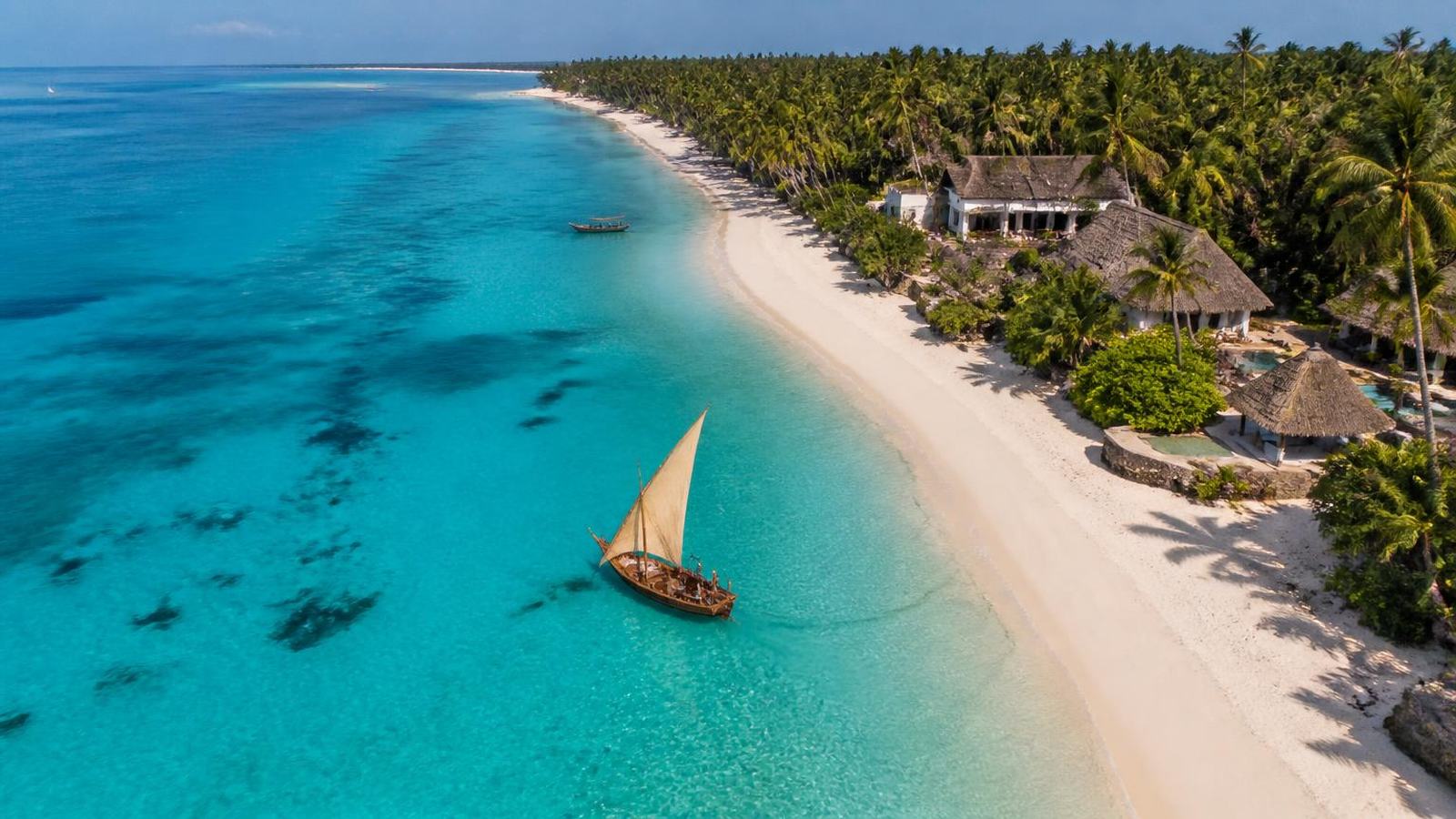
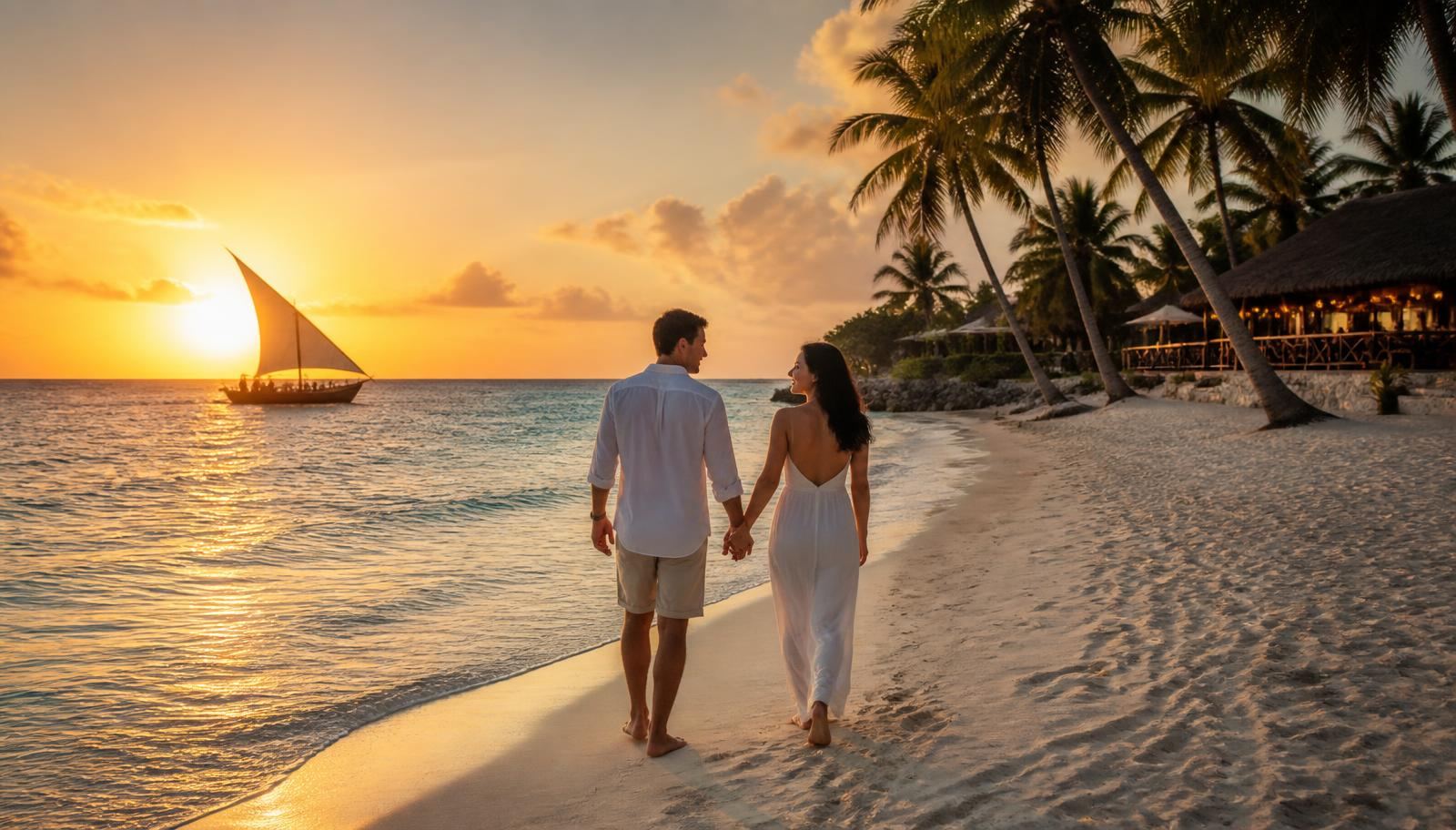
I have lost count of how many times a client has sent me a photo of a Zanzibar beach they found online and asked, "Can we stay here?" The photo is almost always the same shot: white sand, a dhow with a triangular sail, water in three shades of blue. What the photo never shows is whether that water will still be there at two in the afternoon, whether you can walk to dinner, or whether the beach in front of that hotel is soft sand or coral rubble at low tide. Those three details decide whether you enjoy your week.
Zanzibar's coastline runs roughly 300 kilometers around the main island of Unguja, and the differences between one stretch and another are far bigger than most travelers expect. The northern tip swims at any hour and stays up late. The southeast has tides so dramatic that the ocean pulls back most of a kilometer and returns like a switch has been flipped. The northeast sits behind reef and is built for divers. The southwest is where dolphins are, and almost nothing else.
This guide compares the nine beach areas that actually matter for a holiday, and it does so honestly. Some of them are excellent. Some are excellent only if you want a specific thing. A couple are frequently oversold. I have spent years sending travelers to every one of these coasts and hearing what came back — the compliments, the complaints, and the "I wish someone had told us" emails. That feedback is what shaped what follows.
If you have not read our broader Zanzibar travel guide yet, start there for visas, costs, transport and Stone Town. This article picks up where that one leaves off and goes deep on one question only: which beach should you actually book?
Understanding Zanzibar's Coastline
Before comparing individual beaches, it helps to understand why they differ so much, because the reasons are geographic rather than arbitrary. Unguja is a low coral island, about 85 kilometers long, sitting on a shallow shelf in the Indian Ocean. A fringing reef runs along most of the eastern side, sometimes a few hundred meters offshore, sometimes a couple of kilometers. That reef creates a lagoon — a broad, shallow, protected bath of water between the sand and the breaking surf.
The lagoon is why the east coast photographs so well. It is also why the tide behaves the way it does there. When the water drops, the lagoon drains, and what was a turquoise swimming pool at ten in the morning becomes a plain of wet sand, seagrass and starfish by one in the afternoon. Twice a day, every day, on a schedule that shifts by about fifty minutes each cycle. Around new and full moon, the swing is at its most extreme.
The northern tip has no reef in the same way. The seabed drops off quickly, and because of the way the tidal flow wraps around the island, the vertical range is considerably smaller. That single quirk of geography is the entire reason Nungwi and Kendwa became the island's swimming beaches and command a price premium for it.
The west coast, around Stone Town and southward, faces the mainland across a channel. The water is warmer, calmer and murkier, the sand is grayer, and the shoreline is mostly working port, mangrove and fishing village rather than holiday beach. People stay on the west coast for the city, not for the sand. The southwest around Kizimkazi is the exception: rocky, remote, and the departure point for the island's resident dolphin population.
How to Choose the Right Beach
There is a simple order of operations that prevents almost every Zanzibar booking mistake I have seen. Decide the priority first, then the coast, then the hotel. Most people do it backwards — they find a beautiful hotel on a booking site, book it, and discover the coast does not match the holiday they imagined.
Step one: name your non-negotiable
Pick one thing that matters more than everything else. Swimming whenever you feel like it. Reef and marine life. Wind and water sports. Absolute quiet. Nightlife and restaurants. Price. You cannot maximize all six on one beach, and pretending otherwise is how people end up in Paje wondering where the sea went.
Step two: match it to a coast
- Swimming above all: north — Kendwa first, Nungwi second.
- Reef, diving, snorkeling: northeast — Matemwe, with Mnemba offshore.
- Kitesurfing: southeast — Paje, no real alternative.
- Quiet and slow: Jambiani, Pongwe or Michamvi.
- Nightlife and choice: Nungwi, then Kendwa.
- Best value: Jambiani and Paje, by a clear margin.
Step three: check the hotel's specific beach access
This is the step everyone skips. Beaches on the same stretch of coast can differ radically over 300 meters. One property has soft sand and a clean entry; the next has a rock shelf that becomes an obstacle course at low tide. Ask the hotel directly: "What does the beach in front of your property look like at low tide, and can guests swim from the shore?" A good hotel answers honestly. A vague answer tells you something too.
Step four: think about transfers
Zanzibar's roads are better than they were, but distance still costs time. Stone Town to Nungwi runs about 90 minutes, Stone Town to Paje about an hour, and cross-island transfers between coasts can push two hours in traffic. Budget $50–$90 each way for a private car. If you are landing after a full safari day, a shorter transfer is worth paying for.
Nungwi Beach
Nungwi occupies the northernmost point of the island, and it is the beach that most people picture without knowing its name. Wide white sand, water deep enough to swim in at every hour, and a shoreline packed tight with hotels, restaurants, dive centers, dhow builders and beach bars. It is the most developed stretch on Zanzibar and the most consistently busy.
The swimming is genuinely excellent. Because the northern tip escapes the extreme tidal drain of the east coast, you can walk out of your room at any point in the day and be chest-deep in warm water within twenty meters. For families with kids, for anyone who wants a proper swim rather than a wade, this matters enormously.
Nungwi also happens to be a working village with a long boat-building tradition. Walk north past the hotels and you will find dhows under construction on the sand, hulls of mango and teak shaped by hand with adzes. It is one of the few places on the island where the tourist strip and the working community sit directly side by side, and it gives the area a texture the purpose-built resort coasts lack.
What Nungwi does well
- Swimming at any tide, with the shortest walk from sand to deep water.
- The widest choice of restaurants on the island outside Stone Town — you can eat somewhere different every night for a week.
- Diving infrastructure: several established PADI centers running daily trips to Mnemba, Leven Bank and Hunga Reef.
- Sunsets over water, because the northwest-facing section looks straight at the horizon.
- Sunset dhow cruises, snorkeling trips and Mnemba day trips leaving directly from the beach.
Where Nungwi disappoints
It is crowded in high season, and I mean genuinely crowded — sunbeds close together, music from three bars overlapping, and a steady flow of beach vendors. The eastern side of Nungwi has a rocky shelf that limits swimming, so the specific location of your hotel matters more here than anywhere else. And if you came to Zanzibar for quiet, Nungwi will feel like a mistake within a day.
Kendwa Beach
Kendwa sits about three kilometers southwest of Nungwi on the same tide-friendly northern tip, and it is the beach I recommend most often to travelers who have not been to Zanzibar before. It has everything Nungwi has going for it — deep swimmable water at any hour, soft powdery sand, no reef shelf to navigate — with a calmer, more spread-out feel.
The sand at Kendwa is the finest on the island in my opinion. It is bright white, soft underfoot, and wide enough that even when hotels are full the beach does not feel congested. The seabed is sand rather than rock or seagrass, which is why the water reads as that particular electric blue in photographs and why entering the water is effortless.
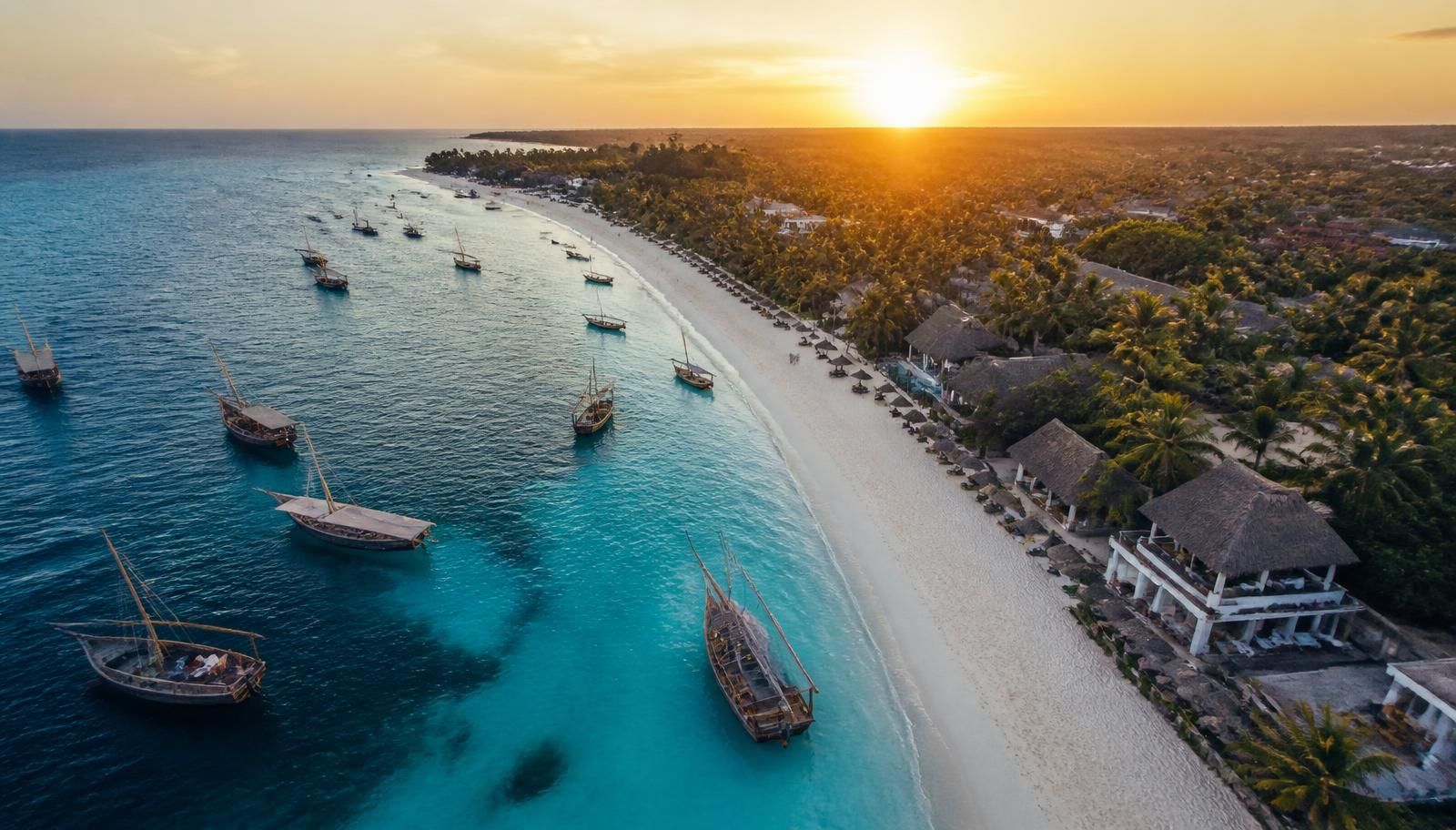
Sunsets here are the best on Zanzibar, full stop. The beach faces west with an unobstructed horizon, and the whole strip turns out for it — dhows silhouetted, bars putting out cushions, and that ten-minute window when the light goes copper. It is the single most reliably beautiful thing on the island's coastline.
What Kendwa does well
- The best all-round swimming beach in Zanzibar — sandy bottom, minimal tide, calm water.
- Excellent range of accommodation from $60 guesthouses to $600 boutique properties on one stretch.
- Genuinely good sunsets every evening, not just occasionally.
- Quieter than Nungwi while still having beach bars, restaurants and a dive shop.
- Easy day trips to Mnemba, Nungwi's restaurants, and the Mnarani turtle sanctuary.
Where Kendwa disappoints
The monthly full-moon party is loud and runs late, and if your hotel is close to the venue you will hear it. Check the lunar calendar if that matters to you. Kendwa is also not a cultural experience — it is a beach strip, and the surrounding village is small and set back from the sand. And it has grown fast: a stretch that felt sleepy five years ago now has considerably more construction along it.
Paje Beach
Paje is on the southeast coast, and it is the beach that most divides opinion. If you kitesurf, or want to learn, it is one of the best places on the planet to do it — steady cross-shore trade winds, a flat shallow lagoon that is waist-deep for hundreds of meters, sandy bottom, and a dozen well-run schools with instructors from everywhere. Nothing else in East Africa comes close.
If you are not there for the wind, the picture is different. At low tide the ocean retreats several hundred meters, exposing an enormous flat of wet sand, seagrass and seaweed farms. It is beautiful in its own way — locals walking out with buckets, starfish in the pools, the whole horizon shifting — but you are not swimming for several hours a day, and the water you do get is shallow and warm rather than deep and clear.
The town itself has a distinct character: young, international, barefoot, backpacker-adjacent but not scruffy. Good coffee, smoothie bowls, yoga studios, beach bars that run into the evening, and a permanent crowd of instructors and long-stay travelers. If you are traveling solo, Paje is the easiest place on Zanzibar to meet people.
What Paje does well
- World-class kitesurfing conditions, especially June–September and December–February.
- The best value on the island — guesthouses from $40, decent mid-range from $90.
- A real social scene: cafés, bars, yoga, and people who stay for weeks rather than days.
- Walkable. You can eat and drink outside your hotel, which is not true of most Zanzibar beaches.
- Spectacular low-tide walks and some of the most photogenic light on the island.
Where Paje disappoints
Swimming. If your holiday is built around getting into deep water whenever you want, Paje will frustrate you. The kite traffic also means large parts of the lagoon are busy with lines and boards during the windy months, which is not relaxing if you are trying to float. Seaweed and seagrass are constant. And the beach can get littered with washed-up weed after storms, particularly in the rainy season.
Jambiani Beach
Jambiani starts a couple of kilometers south of Paje and runs for roughly seven kilometers along the same lagoon. It shares the tides and the seaweed farming, but the atmosphere is completely different. This is a strung-out fishing village where the guesthouses are small, family-run and low-rise, and where life on the beach is mostly local life rather than tourist life.
Mornings here are the reason to come. Fishermen push out on the rising tide, women head to the seaweed plots in bright kanga cloth, kids play football on the exposed flat, and everything happens at a pace that has nothing to do with holidays. Stay a week and you will be greeted by name at the shop. That is not an exaggeration; it is a small place.
Accommodation runs from $35 rooms with a fan to a handful of genuinely lovely boutique properties in the $200–$350 range. There is very little in between at scale, and almost nothing resembling a big resort, which is exactly why the people who love Jambiani love it.
What Jambiani does well
- The most authentic village atmosphere of any beach area on the island.
- Outstanding value — you can stay comfortably for half what the north costs.
- Long, empty stretches of sand where you can walk for an hour and pass a dozen people.
- Quiet enough to actually rest, with almost no touts compared to the north.
- Easy access to Jozani Forest, the Rock restaurant and the southern circuit.
Where Jambiani disappoints
Same tidal reality as Paje, and fewer options to fill the gap — there is no cluster of cafés to wander between and dinner choices outside hotels thin out after dark. It is also the wrong choice for anyone who wants organized water sports on the doorstep or a lively evening. Bring a book and the right expectations, and it is one of the best-value stays in the Indian Ocean.
Matemwe Beach
Matemwe runs along the northeast coast and it is my personal pick for travelers who care about what is under the water. Mnemba Atoll — a small private island ringed by the best-protected reef in the archipelago — sits about four kilometers offshore, and boats from Matemwe reach it in twenty minutes rather than the ninety it takes from elsewhere.
The beach itself is long, quiet and lined with palms, with development kept low-rise by local building conventions. There are no high-rise blocks and no strip of bars. What you get instead is a run of small hotels and a few genuinely excellent boutique lodges, separated by stretches of village where fishermen keep their boats.
The tide here is moderate rather than extreme. The reef holds a lagoon, so at low tide you get shallow water and exposed coral flats rather than a bare sand plain, and at mid-to-high tide the swimming is lovely. Reef shoes are genuinely useful. Most guests structure the day around the tide within about forty-eight hours of arriving, and it stops being an inconvenience.
What Matemwe does well
- The best snorkeling and diving access in Zanzibar, thanks to proximity to Mnemba.
- Turtles, reef sharks, dolphins and occasionally whale sharks on the same day trip.
- Peaceful, low-density, and largely free of the vendor pressure found in the north.
- Some of the island's best boutique and honeymoon properties.
- Reliable sunrise views, which almost no other beach coast offers.
Where Matemwe disappoints
There is no walkable dining scene, so you will eat at your hotel most nights. Swimming is tide-dependent and the coral flat can be sharp underfoot. And it is a 75–90 minute transfer from the airport, which is a long haul at the end of a travel day. Divers accept all of this instantly; sunbathers who wanted a bar next door sometimes do not.
Kiwengwa Beach
Kiwengwa, on the mid-east coast, is where most of Zanzibar's large all-inclusive resorts ended up. Long stretches of the beach are effectively private frontage for big Italian- and Russian-market properties, and the experience is closer to a packaged Indian Ocean holiday than to independent travel.
That is not a criticism if it is what you want. The sand is broad and white, the resorts have pools that solve the low-tide problem entirely, kids' clubs and buffet dining make family logistics simple, and package pricing can be genuinely competitive — sometimes better per night than a mid-range independent hotel further north.
What Kiwengwa does not offer is much sense of place. Walk out of the resort gate and there is not a great deal there. The beach at low tide exposes a wide shallow flat, and independent restaurants are sparse. For travelers who want to feel like they are in Tanzania rather than at a resort that could be almost anywhere warm, this is the weakest of the main beach areas.
Best for
- Families who want all-inclusive convenience, pools and kids' facilities.
- Travelers on a package deal who prioritize price and simplicity.
- Groups who plan to stay put rather than explore the island.
Kizimkazi Beach
Kizimkazi sits at the southwestern tip and is a different proposition entirely. The coastline here is rockier, the beaches are smaller and more broken up, and there is barely any tourist infrastructure. What brings people is the resident population of bottlenose and humpback dolphins in the channel offshore, and, from roughly July to October, humpback whales passing on migration.
A word of honesty about the dolphin trips, because they are widely marketed and inconsistently run. The old model — boats chasing pods so tourists can jump in on top of them — is stressful for the animals and increasingly discouraged. Reputable operators now keep their distance, cut engines, and let the dolphins choose whether to approach. Ask your hotel or operator explicitly which approach the boat takes. If the answer is vague, book elsewhere.
Kizimkazi also has serious diving on the southern reefs, a handful of high-end hideaway properties, and Kizimkazi Dimbani mosque, parts of which date to the twelfth century and make it one of the oldest Islamic buildings in East Africa. It is a place for people who want to be genuinely away from things.
Best for
- Ethical dolphin encounters and seasonal humpback whale sightings.
- Divers exploring the less-visited southern reefs.
- Travelers who want isolation and a small, high-quality property.
Pongwe Beach
Pongwe is a small crescent on the east coast between Kiwengwa and Uroa, and it is one of the few genuinely sheltered pockets on that side of the island. A close-in reef and the curve of the bay hold water in the cove even when the surrounding coast has drained, which makes it far more swimmable at low tide than its neighbors.
There are only a handful of properties here, most of them small and several of them excellent. There is no village strip, no bars, and essentially nothing to do beyond swim, snorkel off the beach, read and eat. Guests either love that immediately or start looking for taxis on day two.
For honeymooners who want quiet without paying private-island prices, Pongwe is one of the best-value choices on Zanzibar. It also works well as the second half of a split stay — three lively nights in Kendwa followed by three completely still ones here is a combination I recommend often.
Best for
- Honeymooners and couples who want privacy without total isolation.
- Swimmers who want an east-coast location that still holds water at low tide.
- Anyone who wants to snorkel straight off the beach rather than by boat.
Michamvi Beach
The Michamvi peninsula stretches north from Paje and separates the open ocean on its eastern side from Chwaka Bay on its western one. That geography gives it something no other east-coast location has: west-facing beaches with sunset views, on the side of the island where the sun is supposed to rise.
Michamvi Kae and Michamvi Pingwe are the two main areas. The eastern side has classic east-coast conditions — long tides, wide flats, lovely light. The western bay side is sheltered, calm, and swimmable for more of the day, and it is where the sunset bars and the best-known photo spot on the island, the Rock restaurant, sit just offshore.
Accommodation skews upscale: boutique hotels, villas and a handful of large luxury properties, generally spaced well apart. There is no village center and no walkable dining, so you will need a car or hotel transport for anything beyond your property. For couples on a second Zanzibar trip who want somewhere less trafficked than the north, Michamvi is usually the right answer.
Best for
- Couples and privacy-focused travelers who do not mind driving to dinner.
- Sunset views on the east coast — a genuine rarity.
- Upscale villas and boutique stays away from the main tourist strips.
Best Beaches for Honeymoon
Honeymoon requests are the most common inquiry we get for Zanzibar, and the ones where getting the beach right matters most, because there is no second attempt. Three areas consistently deliver: Matemwe, Pongwe and Michamvi. All three are quiet, low-density, and built around small properties rather than resort scale.
Matemwe is my first recommendation for couples who want more than a sunbed. The boutique lodges there are among the best on the island, the reef gives you something to do together in the mornings, and the coast is quiet without feeling empty. Pongwe suits couples who want stillness above everything — a cove, a few hotels, and nothing else. Michamvi is for those who want a villa, a plunge pool, and privacy at the higher end.
Kendwa deserves a mention as the exception. It is livelier than the other three, but for couples who want to swim at any hour, walk to a bar, and watch the sun go down over the water every evening, it delivers something the quiet coasts cannot. If your idea of a honeymoon involves more than reading on a lounger, book it.
Most of our honeymoon clients pair the island with a few days in the bush first. If that is the shape of your trip, our Tanzania safari for couples guide covers the romantic camps and private-vehicle options on the mainland side.
Best Beaches for Families
Families need three things from a Zanzibar beach: water children can safely play in at most hours, a transfer short enough to survive with tired kids, and food that will not become a nightly negotiation. That points firmly at the north and, for all-inclusive travelers, Kiwengwa.
Kendwa is the strongest family choice overall. The water is calm, sandy-bottomed and accessible at every tide, the beach is wide enough for games, and there are enough restaurants that fussy eaters have options. Nungwi works equally well for the water and has more variety, though the busier central strip can be a lot with small children.
Kiwengwa is the practical answer for families who want structure — resort pools solve the tide entirely, buffets solve mealtimes, and kids' clubs buy parents a couple of hours. It is less atmospheric, but nobody remembers atmosphere at the end of a long day with a five-year-old.
| Beach area | Tidal range | At low tide | Practical note |
|---|---|---|---|
| Nungwi | Roughly 1–1.5 m | Water stays swimmable at the shoreline | The most forgiving beach on the island for swimmers. |
| Kendwa | Roughly 1–1.5 m | Sandy bottom, deep water a few steps out | Best all-round swimming beach in Zanzibar. |
| Matemwe | Roughly 2.5–3 m | Lagoon empties to ankle depth | Snorkel by boat; swim on a rising tide. |
| Pongwe | Roughly 2.5–3 m | Cove holds water better than neighbors | Protected pocket makes low tide bearable. |
| Kiwengwa | Roughly 3 m | Long shallow flat exposed | Most resorts have pools for this reason. |
| Paje | Roughly 3–3.5 m | Ocean retreats several hundred meters | Perfect for kiting, frustrating for swimmers. |
| Jambiani | Roughly 3–3.5 m | Seaweed farms fully exposed | The tide is part of the experience here. |
| Michamvi | Roughly 2–3 m | Varies sharply by cove | Ask the hotel about their specific access point. |
Best Beaches for Diving & Snorkeling
Zanzibar's underwater reputation rests mostly on Mnemba Atoll, and it earns it. The atoll's reef wall drops from five meters to forty, water clarity regularly exceeds twenty-five meters, and the marine life includes green turtles, whitetip reef sharks, dolphins, huge schools of fusiliers and bluestripe snapper, and — from roughly October to February — the occasional whale shark.
Matemwe is the closest base and the obvious choice for divers. Nungwi is the second option, with more dive centers but a longer boat ride to Mnemba, offset by access to Leven Bank, a deeper current dive that experienced divers rate as the most exciting site in northern Zanzibar. Kizimkazi opens up the southern reefs and Pungume, which see far fewer boats.
For snorkelers without boats, options are narrower than most people assume. The honest answer is that Zanzibar's best snorkeling is almost always a boat trip. Pongwe's cove and parts of the Matemwe lagoon at high tide are the best shore-entry options; everywhere else, budget for the boat.
Diving seasons at a glance
- Best visibility: late December to February, when the water is warmest and the seas calmest.
- Best all-round: September and October — good visibility, fewer boats than the December peak.
- Windiest: July and August, when afternoon chop can cancel some sites.
- Avoid: April and early May, when the long rains cut visibility and many boats stop running.
Best Beaches for Kite Surfing
Paje is the answer, and it is not close. The combination of the kusi trade wind from roughly June to September, the kaskazi from December to February, a flat lagoon that stays waist-deep across a huge area, and a sandy bottom with no coral heads makes it one of the safest and most productive places in the world to learn.
Wind averages 15 to 25 knots in season, blowing cross-shore, which is the ideal direction for both safety and riding. Schools run IKO-certified courses, and a typical beginner package of six to nine hours over three days runs $350–$500 depending on the school and whether equipment is included. Rental for independent riders is around $60–$80 per day.
Jambiani offers the same wind with far fewer kites and a slightly less consistent lagoon — better for confident riders who want space than for beginners who want instruction. Michamvi's bay side is used for downwinders and light-wind days. Everywhere else on the island, kiting is incidental at best.
Beach Comparison Table
Here is the whole coastline side by side. Price bands are rough guides for a double room per night in high season: $ under $80, $$ $80–$200, $$$ $200–$450, $$$$ above $450.
| Beach | Coast | Tide | Swimming | Atmosphere | Best for | Price |
|---|---|---|---|---|---|---|
| Nungwi | Far north | Minimal | All day, deep water close in | Busy, social, restaurants and bars | First-timers, groups, nightlife, diving | $$–$$$ |
| Kendwa | Northwest tip | Minimal | All day, calm and sandy | Resort-calm with real sunsets | Couples, families, easy swimming | $$–$$$$ |
| Paje | Southeast | Extreme | Tide-dependent, shallow lagoon | Kitesurfing, young, barefoot | Kiters, solo travelers, budget stays | $–$$ |
| Jambiani | Southeast | Extreme | Tide-dependent, long walk-out | Quiet fishing village, slow | Long stays, culture, writers | $–$$ |
| Matemwe | Northeast | Moderate | Reef lagoon, best at mid-to-high tide | Peaceful, low-rise, reef-focused | Divers, snorkelers, honeymooners | $$–$$$$ |
| Kiwengwa | East | Moderate to high | Good at high tide, shallow at low | Big resorts, all-inclusive | Families, package travelers | $$–$$$ |
| Kizimkazi | Southwest | Moderate | Limited beach, boat-based days | Dolphins, fishing village, remote | Dolphin trips, divers, seclusion | $$–$$$$ |
| Pongwe | East | Moderate | Protected cove, calm water | Tiny, sheltered, very quiet | Honeymoons, readers, privacy | $$–$$$ |
| Michamvi / Pingwe | Southeast peninsula | Mixed by cove | Good on the west-facing side | Secluded, boutique, sunset coves | Couples, privacy, upscale stays | $$$–$$$$ |
Best beach by travel style
| Travel style | Our pick | Why |
|---|---|---|
| First trip to Zanzibar | Kendwa | Swim at any hour, good food, easy transfers, no tidal surprises. |
| Honeymoon | Matemwe or Pongwe | Quiet, low-rise, reef offshore, boutique hotels rather than resort scale. |
| Families with kids | Kendwa or Kiwengwa | Calm swimming, resort facilities, shorter transfer from the airport. |
| Diving and snorkeling | Matemwe | Mnemba Atoll is twenty minutes offshore and the reef is the island's best. |
| Kitesurfing | Paje | Steady cross-shore wind, flat shallow lagoon, the largest kite school scene in East Africa. |
| Nightlife and social travel | Nungwi | The highest concentration of bars, live music and late venues on the island. |
| Budget travel | Jambiani or Paje | Guesthouses from $40–$70, local restaurants, cheap public transport to Stone Town. |
| Total quiet | Pongwe or Kizimkazi | Few properties, almost no beach traffic, nothing to do but swim and read. |
| Bush and beach after safari | Kendwa or Matemwe | Direct Serengeti flights, short transfers, and enough comfort to decompress. |
Beach conditions by season
| Period | Weather | Sea temp | Beach conditions |
|---|---|---|---|
| January–February | Hot, humid, short afternoon showers | 28–29°C | Excellent underwater visibility; busy over New Year. |
| March–mid May | Long rains, heaviest of the year | 28°C | Seaweed washes up on east coast; some hotels close. |
| June–August | Dry, breezy, low humidity | 25–26°C | Peak season. Windiest afternoons — great for kiting. |
| September–October | Dry, warming, calm seas | 26–27°C | The best all-round beach months of the year. |
| November | Short rains, patchy and brief | 28°C | Good value, generally fine beach weather. |
| December | Warm, humid, festive | 28°C | Peak prices from mid-month; book far ahead. |
Timing your island week alongside the mainland seasons takes a little planning. Our best time to visit Tanzania guide lines up the safari calendar with the coastal one so you are not choosing between good game viewing and good beach weather.
Combining a Zanzibar Beach Week With Safari
The overwhelming majority of travelers who book Zanzibar with us also book a mainland safari, and the sequencing matters. Safari first, beach second — always. Early mornings, dusty roads and 5:30 a.m. wake-ups are far easier at the start of a trip, and ending on a beach is the right emotional shape for a holiday.
The logistics are easier than people expect. Small aircraft fly daily from the Serengeti's airstrips to Zanzibar in about 75 to 90 minutes, and from Arusha or Kilimanjaro in roughly an hour. Baggage on those aircraft is typically limited to 15 kg in soft bags, so pack accordingly. A typical two-week trip runs six or seven days on safari, two nights in Stone Town, and four or five nights on the coast.
Our Zanzibar and safari Tanzania guide breaks down the routing and sample itineraries in detail. For the mainland side, the ultimate Tanzania travel guide covers parks, costs and logistics, and when you are ready to move from planning to booking, our guide to booking a Tanzania safari explains deposits, permits and how to vet an operator properly. Entry requirements for both the mainland and the island are covered in the Tanzania visa guide.
Practical Beach Advice Nobody Tells You
A few things that come up again and again after clients get home. None of them are deal-breakers, but knowing them in advance makes the week smoother.
- Beach vendors: common in Nungwi, Paje and parts of Kendwa, rare elsewhere. A friendly, firm "hapana asante" (no thank you) works. Do not engage in a long conversation you do not intend to end in a purchase.
- Sea urchins: present in rocky and seagrass areas across the east coast. Reef shoes solve it entirely. If you are spined, hot water and a clinic visit, not vinegar folklore.
- Sun strength: you are three degrees south of the equator with reflective white sand. People burn badly on day one. Reef-safe SPF 50, a rash guard for snorkeling, and shade between noon and three.
- Modesty off the beach: swimwear is fine on the sand and at your hotel, not in the village. Cover shoulders and knees once you leave the beachfront. It is the single easiest way to be treated well.
- Cash: many beach restaurants and all boat crews are cash only. Bring clean US dollar bills dated 2013 or later plus shillings for smaller purchases.
- Ramadan: during the holy month, many village restaurants close during daylight and the atmosphere is quieter. Hotels operate normally, but plan around it if you want a lively trip.
Common Questions
Frequently Asked Questions
For most first-time visitors, Kendwa is the safest single answer. It has soft white sand, deep water close to shore at every stage of the tide, calm swimming, good sunsets and enough restaurants without the density of Nungwi. If your priority is nightlife and choice of dive shops, Nungwi is better. If you want reef and quiet, Matemwe wins. If you kitesurf, nothing on the island touches Paje. There is genuinely no universal best beach in Zanzibar — the beaches differ far more from one another than travelers expect, and the right choice depends on whether you value swimming, quiet, water sports, price or nightlife most.
Matemwe and the water around Mnemba Atoll offshore. The northeast reef sits close enough that the lagoon stays filtered and calm, and visibility on a good morning runs 20 to 30 meters. Kendwa is a close second for swimming clarity because there is little seagrass and the sand bottom keeps the water bright blue rather than green. Paje and Jambiani look spectacular in photos because of the shallow turquoise lagoon, but the water there carries more seagrass and suspended sand, especially in the afternoon once the wind picks up.
Matemwe, Pongwe and Michamvi are the three we recommend most for honeymoons. Matemwe combines reef snorkeling with low-rise boutique hotels and almost no beach traffic. Pongwe is a small crescent with calm protected water and only a handful of properties, which makes it feel private without being isolated. Michamvi and the Pingwe headland have the upscale hideaways and the rare east-coast sunset views. Kendwa also works well for couples who want to swim at any hour and still have a bar to walk to, though it is livelier than the other three.
Kendwa and Nungwi for families with children who want to swim, because the tide never strands you and the water stays shallow and calm near the shore. Kiwengwa is the other strong option, particularly for families who like a resort with pools, kids' clubs and all-inclusive food, since much of that coast is built around larger properties. Avoid Paje with small children unless you specifically want a kitesurfing holiday: the beach is busy with kites and the low-tide walk-out is long and slippery.
Nungwi, without much competition. It has the highest concentration of beach bars, live music, restaurants and late-opening venues on the island, and you can walk between most of them along the sand. Kendwa is the second choice and hosts the well-known full-moon party once a month, which draws people from across the island. Paje has a younger, more low-key scene built around the kite crowd — beach bars, sunset sessions, and one or two places that stay open late rather than a strip of them.
Matemwe, because Mnemba Atoll is a twenty-minute boat ride offshore and it is the best-protected reef in the archipelago. Expect turtles, reef sharks, big schools of fusiliers and excellent coral. Kizimkazi in the south is the place for dolphins rather than reef. Nungwi has decent snorkeling from boats heading to Mnemba or the nearby reefs but nothing worthwhile directly off the sand. If you want to snorkel straight from the beach without a boat, Pongwe's protected lagoon is the most practical option.
Nungwi and Kendwa on the northern tip. Because of the way the island sits relative to the tidal flow, the northern beaches see only a modest change in water level, and there is deep swimmable water within a few meters of the sand at any hour. The southeast coast is the opposite extreme — at spring low tide in Paje or Jambiani the ocean can withdraw close to a kilometer, exposing seaweed farms and sand flats. The northeast, including Matemwe and Pongwe, sits in between: the reef holds a lagoon of water even at low tide, though it can be too shallow to properly swim.
One if you have four nights or fewer, two if you have five to eight, and no more than three even on a long trip. Transfers across Zanzibar take one to two hours and eat half a day each time once you factor in checkout and check-in. The most effective two-beach combination is north plus northeast — for example three nights in Kendwa for swimming and sunsets, then three in Matemwe for reef and quiet. Adding Stone Town for one or two nights at the start or end is worth it regardless of which coast you choose.
Conclusion
Zanzibar rewards travelers who choose deliberately. The beaches here are not interchangeable — the tide, the reef, the crowd and the price change dramatically over a forty-minute drive, and the difference between a good week and a great one usually comes down to whether the coast you booked matched the holiday you had in mind. Work out first whether you care most about swimming, reef, wind or quiet, then pick the beach, then pick the hotel. In that order, it is very hard to get wrong.
If you want the short version: book Kendwa if you want to swim, Matemwe if you want the reef, Paje if you want wind, Jambiani if you want value and quiet, Nungwi if you want everything happening at once, and Pongwe or Michamvi if you want to be left alone. Add two nights in Stone Town at either end regardless of which you choose, because the island is more interesting than its coastline alone.
And treat the tide not as a problem but as the rhythm of the place. The east coast at low tide, with the ocean gone and the flats full of people working, is one of the more memorable things you will see in East Africa. It is only a disappointment if nobody warned you it was coming.
Plan Your Zanzibar Beach Holiday With Olympus Adventure
Olympus Adventure is a Tanzanian-owned company based in Arusha, and we build customized Zanzibar holidays — on their own or paired with a mainland safari — for travelers from all over the world. We know these beaches personally, we know which hotels deliver and which ones photograph better than they live, and we will tell you honestly if the coast you have in mind is wrong for the holiday you described.
Send us your dates, the number of nights you have, your budget range and what matters most to you at the beach — swimming, reef, wind, quiet or nightlife. We will come back with a specific recommendation, a realistic day-by-day plan including transfers, and a transparent quote with nothing buried in it. If you want to add the Serengeti, the Ngorongoro Crater or Kilimanjaro to the front of the trip, we will handle the flights and the connections between them.
Keep Reading
More Zanzibar Guides
Zanzibar
Zanzibar Travel Guide: Everything You Need Before Visiting the Island
Plan Your Journey
Ready to explore Tanzania?
Let our Arusha-based safari specialists craft a private, tailor-made itinerary around you — no middlemen, no templates, just your perfect journey.
- TALA Licensed Operator
- 4.9 ★ Guest Rating
- No Booking Fees