Tanzania Travel Guide
The Ultimate Tanzania Travel Guide: Everything You Need to Know Before You Visit
An Arusha-based operator's overview of how Tanzania actually fits together — regions, seasons, safari, Kilimanjaro, Zanzibar, costs and the planning decisions that shape the trip.

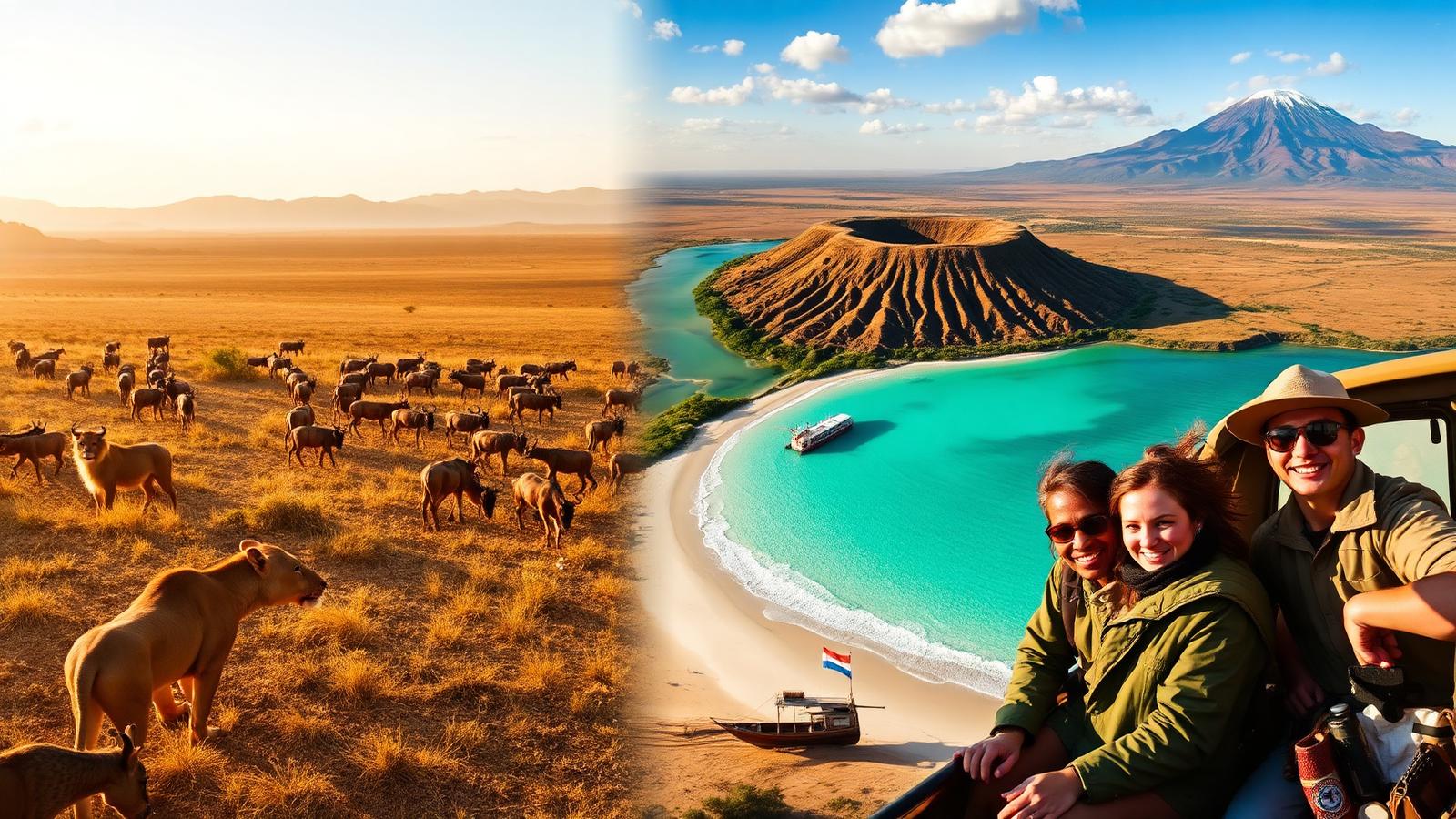
Most people start planning a trip to Tanzania with a mental image — a lion on the plains, a mountain in the distance, a beach at the end — and no clear sense of how those pieces connect. They are separated by real distances, they suit different months, and the order you put them in changes both the cost and how the trip feels.
This Tanzania travel guide is the overview version. It covers the decisions that shape a trip and points you to the detailed guides where each subject is worked through properly. Read it front to back if you are early in planning; use the contents list below if you already know which part you are stuck on.
Tanzania Overview
Tanzania is a large country with several distinct travel experiences inside it, and a substantial share of its land sits under some form of protected status. That is the reason park fees exist and why they form a fixed part of every safari quote — the money is tied to maintaining the areas you have come to see.
It is also an easy country to travel in, for reasons that are structural rather than sentimental. English is used throughout the tourism industry, park access runs through licensed guides and registered vehicles, and the northern circuit in particular has decades of infrastructure behind it. Most of what feels intimidating from a planning spreadsheet turns out to be handled for you on the ground.
Where Is Tanzania?
Tanzania sits in East Africa, bordered by Kenya and Uganda to the north, Rwanda, Burundi and the Democratic Republic of the Congo to the west, Zambia, Malawi and Mozambique to the south, and the Indian Ocean to the east. Mount Kilimanjaro stands near the northern border; the Serengeti runs west from there toward Lake Victoria; the coast and the Zanzibar archipelago lie several hundred kilometres east.
Much of the northern safari circuit sits at altitude, which is why mornings there are cooler than most visitors expect. Zanzibar, at sea level, stays tropical year-round. Those two facts explain most of the packing confusion travelers run into.
The Four Tanzanias
Thinking in regions rather than in attractions makes planning far easier. Almost every itinerary is a combination of two or three of these.
| Region | What it covers | Who it suits |
|---|---|---|
| Northern safari circuit | Tarangire, Lake Manyara, the Ngorongoro Conservation Area and the Serengeti, all reachable from Arusha by road or short flight. | First-time safari travelers, families, and anyone with a limited number of days. |
| Kilimanjaro and Moshi | The mountain itself, plus the farming towns and coffee country on its lower slopes. | Trekkers, and travelers who want a few active days before or after safari. |
| Zanzibar and the coast | Stone Town, the island beaches, reefs, and the Swahili culture of the coast. | Almost everyone. It is the natural second half of a Tanzania trip. |
| Southern and western parks | Ruaha, Nyerere, Katavi, Mahale and Gombe — larger, quieter and mostly reached by air. | Repeat visitors and travelers who prioritise solitude over convenience. |
Best Time to Visit Tanzania
There is no single best month, only trade-offs. The dry months deliver the most predictable game viewing and the highest prices. The green months bring lower rates, fewer vehicles and better light, with less concentrated wildlife and some difficult roads. Both produce good trips; they produce different ones.
Two other factors matter. If the migration is your priority, your dates should follow the herds rather than the calendar. If you are climbing Kilimanjaro, the mountain has its own preferred windows, which do not always match the best safari months.
Seasons at a Glance
| Window | Typical conditions | What to weigh |
|---|---|---|
| June to October | The long dry season. Cooler mornings, thinner vegetation and wildlife concentrated near remaining water. The most predictable game viewing of the year. | Highest rates, busiest parks, and the longest booking lead times. Popular camps fill many months ahead. |
| November to mid-December | Short rains, usually as afternoon showers rather than all-day rain. Landscapes green up and visitor numbers drop. | Good value, generally good sightings, occasional muddy tracks. |
| January to February | A drier spell within the green months, and the calving period on the southern Serengeti plains and around Ndutu. | A short, popular window with limited accommodation in the calving area. Book early. |
| Mid-March to May | The long rains. The quietest and greenest months, with excellent birding and dramatic light. | Some camps close, certain tracks become difficult, and a few areas are impractical to reach. |
Weather patterns are tendencies, not guarantees, and recent years have not always followed the textbook timing. Ask what conditions have actually looked like recently in the areas you are considering.
Go deeperMonth-by-month detail, including rainfall, temperatures and what each park is doing, lives in Best Time to Visit Tanzania, with a park-level view in safari weather by month.
Tanzania Safari Overview
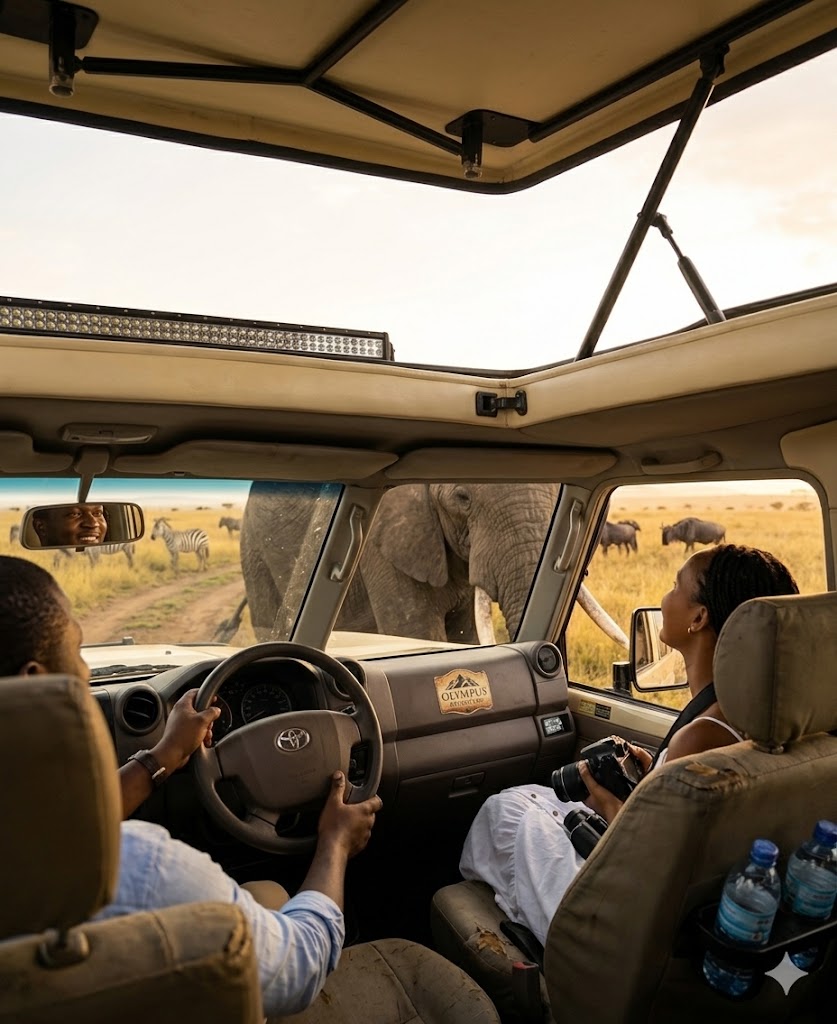
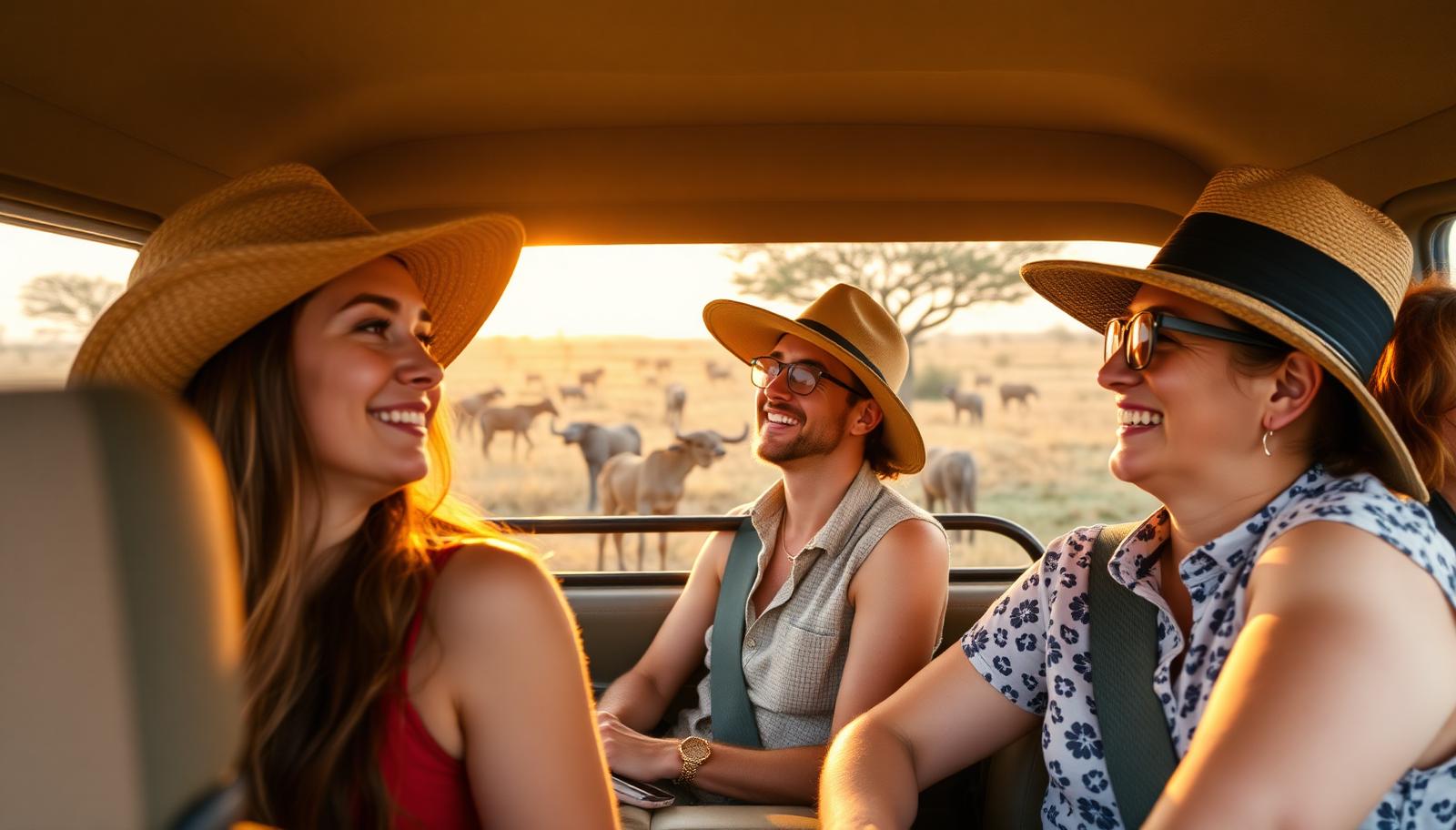
A safari day has a rhythm that surprises first-timers. You leave early, because the animals are active before the heat; you return for a long midday break; you go out again in the late afternoon. Between those, you are in a vehicle with a roof hatch and a guide who is reading tracks, radio chatter and bird behaviour to work out where to be.
The parts you choose are the accommodation tier, the number of nights in each park, whether you have a private vehicle or share one, and whether you drive or fly between areas. Those four decisions produce almost the entire price range you will be quoted.
Go deeperIf this is your first safari, start with Tanzania Safari for First-Time Visitors. For the mechanics of choosing and booking a company, see how to book a Tanzania safari and how to choose an operator.
Best Safari Destinations
The northern circuit draws most first-time visitors because the parks are close enough to combine and each one offers something the others do not.
| Park | Known for | Suggested stay |
|---|---|---|
| Serengeti National Park | Vast plains, resident predators year-round, and the wildebeest migration moving through different areas by season. | Three nights minimum; four or five if the migration is a priority. |
| Ngorongoro Crater | A collapsed caldera with dense resident wildlife on the crater floor, including one of Tanzania's few areas where black rhino are occasionally seen. | One night on the rim or in Karatu, with a half-day descent. |
| Tarangire National Park | Large elephant herds in the dry season, baobab landscapes and strong birdlife along the Tarangire River. | One to two nights, best from roughly June to October. |
| Lake Manyara National Park | A compact park below the Rift escarpment, with forest, soda lake birdlife and a reputation for tree-climbing lions. | A half day or one night, usually as a stop en route. |
| Arusha National Park | Mount Meru's foothills, giraffe and colobus monkeys, and walking safaris — uncommon elsewhere on the circuit. | A day trip, and a good option for arrival or departure day. |
Go deeperPark-level guides: Serengeti, Ngorongoro Crater, Tarangire and Lake Manyara. The route that ties them together is covered in the Northern Circuit guide, and if you are choosing between the two headline parks, read Serengeti vs Ngorongoro.
Southern and Western Parks
Ruaha, Nyerere, Katavi, Mahale and Gombe are wilder, quieter and mostly reached by air. They reward travelers who already know how safari here works and who value solitude over convenience. Fewer vehicles, longer flights, higher cost per day, and in the western parks a completely different draw — chimpanzee tracking rather than plains game.
Go deeperStart with Ruaha, Nyerere, Katavi, Mahale Mountains and Gombe Stream.
Mount Kilimanjaro
Kilimanjaro is the highest mountain in Africa and the highest freestanding mountain in the world. No technical climbing is involved on the standard routes, which is why so many non-mountaineers attempt it — and why altitude, not skill, is what turns people back.
The main variables are route and duration. Longer itineraries allow more acclimatisation and generally produce better outcomes than short ones on the same mountain. Fitness helps, but the deciding factor is usually how gradually you gain height and how well you manage pace, hydration and sleep along the way.
Go deeperThe main reference is the Mount Kilimanjaro climbing guide, with detail in route comparison, best time to climb, how difficult it is, training and altitude sickness.
Zanzibar and the Coast
Zanzibar is part of Tanzania and connects to the mainland circuit by short domestic flights, which is why combining bush and beach is a normal itinerary here rather than an ambitious one. Stone Town carries centuries of Swahili, Omani, Indian and European history in a few square kilometres of narrow lanes; the beaches and reefs are the reason most people stay on afterwards.
Two practical points shape where you stay. Tides on parts of the east coast are dramatic, which affects swimming at certain hours, so the stretch of coast you choose matters more than the star rating. And Zanzibar is predominantly Muslim, so modest dress away from beaches and resorts is the local norm.
Go deeperStart with the Zanzibar travel guide and combining Zanzibar with a safari. For the specifics, see where to stay, the beaches, Stone Town and the best time to visit the island.
Tanzania Culture
Tanzania is home to many distinct peoples with different languages, livelihoods and histories, and Swahili works as the common language that connects them. That linguistic unity is part of why the country feels cohesive to visitors despite its diversity.
Cultural visits vary widely in quality. The good ones are community-run, transparent about how the fee is used, and unhurried enough for actual conversation. The weaker ones are rushed and transactional. It is worth asking who organises a visit, how long it lasts and where the money goes before adding it to an itinerary.
Go deeperCommunity-specific guides: the Maasai, the Hadzabe and the Datoga.
Tanzania Wildlife
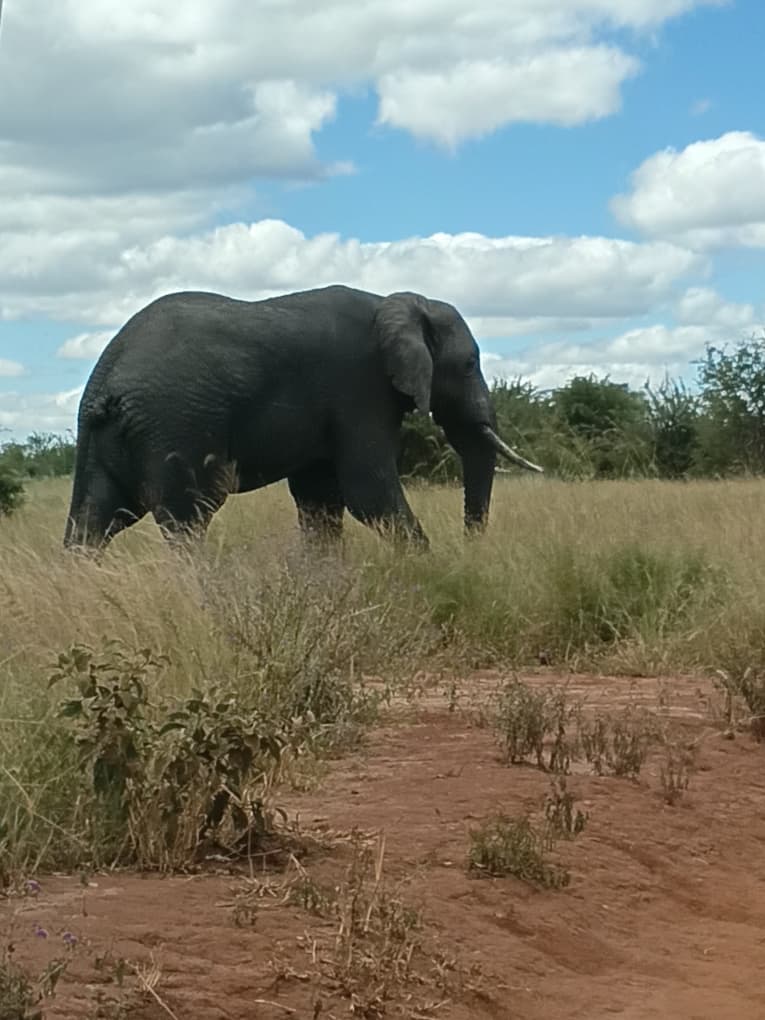
The northern parks deliver frequent sightings of elephant, giraffe, zebra, buffalo, wildebeest and a wide range of antelope, with lion sightings common in the right areas. Leopards are present and seen regularly but are solitary and well camouflaged. Rhino numbers are limited and closely protected, so sightings are infrequent and usually distant.
Nothing is guaranteed, and that is worth internalising before you travel. What you can influence is time: more nights in good habitat, earlier starts, and a guide who knows the area produce better results than any promise on a booking page.
Go deeperSpecies detail lives in the Big Five guide, lions of Tanzania and African elephants, with habitat context in the Serengeti wildlife guide.
The Great Migration
The migration is a continuous, year-round movement of herds around the Serengeti ecosystem, driven by rainfall and grazing. It does not start or stop on a date. The planning question is where the herds are likely to be during your dates, and river crossings are a seasonal chapter within the cycle rather than a scheduled event.
Go deeperThe full cycle is covered in the Great Wildebeest Migration guide, with timing in best time to see the migration and the calving season in the Ndutu guide.
Itinerary Shapes That Work
Rather than a fixed day-by-day plan, it helps to pick a shape first and fill in the detail afterwards. These four cover most of what we plan.
| Trip shape | Rough length | Who it suits |
|---|---|---|
| Short northern circuit safari | Roughly 5 to 7 days: Tarangire or Manyara, the Ngorongoro Crater, and time in the Serengeti. | First-timers with limited leave who want the classic parks without rushing every day. |
| Safari plus Zanzibar | Around 10 to 12 days: the northern parks, then a short flight to the coast for beach time and Stone Town. | The most common shape we plan, and the easiest way to end a trip of early mornings. |
| Extended Tanzania | Two weeks or more, adding depth in the Serengeti or a second circuit rather than more single-night stops. | Travelers who would rather stay put in fewer places and see them properly. |
| Kilimanjaro plus safari and coast | Usually two and a half weeks or more, since the climb alone takes six to nine days plus recovery time. | Trekkers combining the mountain with wildlife and a few recovery days at sea level. |
Go deeperDay-by-day templates are in Best Tanzania Safari Itineraries, with a worked example in the 10-day Tanzania safari itinerary. Trips built around specific travelers are covered in family safaris, safaris for couples and solo travel.
Tanzania Travel Costs
Tanzania is not a budget destination, and the reason is structural. Park and conservation fees are set by the authorities and charged per person per day, so they apply equally whoever you book with. The vehicle, guide and fuel are a fixed daily cost shared among passengers. Accommodation is the variable that separates a modest trip from an expensive one.
| Tier | What it looks like | Worth knowing |
|---|---|---|
| Camping and budget | Campsites or simple lodges, shared vehicles, prepared meals. | The lowest cost per day, with the trade-off of less comfort and more sharing. |
| Mid-range | Comfortable lodges and permanent tented camps with en-suite bathrooms and full board. | Where most travelers land. The game drives are the same as those from far pricier camps. |
| Premium | Smaller camps, better locations inside the parks, more experienced guiding. | Location often matters more than décor. Being inside the park saves an hour of driving each morning. |
| Luxury and fly-in | Remote camps, private vehicles and guides, flights between areas. | A genuine category rather than the whole market, and the source of most headline safari prices online. |
Budget separately for what sits outside a safari day rate: international flights, visa and insurance, tips, drinks and optional activities such as balloon flights or diving. Park fees are periodically revised, so confirm the figures used in any quote rather than relying on numbers published elsewhere.
Go deeperPricing is worked through in Tanzania safari cost and, line by line, in the cost breakdown. For tier decisions, see luxury vs mid-range, and for the island, Zanzibar travel costs.
Getting Around Tanzania
On a first trip, most of your movement is handled for you. The choices worth understanding are when to drive and when to fly, since that decision affects both budget and how many hours you spend on the road.
| Mode | Best for | Worth knowing |
|---|---|---|
| 4x4 safari vehicle with driver-guide | The northern circuit and most multi-day safaris | Your guide handles routing, gates and timing. This is the default and the reason safari logistics feel easy. |
| Light aircraft between airstrips | Serengeti, southern parks, and hops to Zanzibar | Baggage limits are tight and usually soft bags only. Confirm the current allowance before packing. |
| Scheduled domestic flights | Kilimanjaro, Dar es Salaam and Zanzibar | The practical way to move between the north, the coast and the south without long road days. |
| Private transfers and taxis | Airports, town moves and evenings out | Worth the cost on arrival day and after dark. Arrange through your hotel or operator. |
| Buses and dalla-dallas | Budget independent travel between towns | Cheap and part of daily life, but slow. Travel in daylight and book through a reputable operator. |
Flying one direction and driving the other is a common compromise on longer northern itineraries: you see the landscape on the way in and save most of a day coming back.
Accommodation
Safari accommodation falls into a few categories, and the terminology causes more confusion than anything else in planning. A permanent tented camp is a canvas structure on a raised platform with a proper bed, an en-suite bathroom and served meals — comfortable, and nothing like camping. Lodges are conventional buildings, often with pools. Mobile camps move seasonally to follow the herds. Public campsites are the basic end and are used mainly on budget trips.
Location often matters more than the tier. Staying inside a park means starting game drives where the animals already are, rather than spending the first good hour of light driving to a gate.
Go deeperProperty types, locations and how to choose between them are covered in the safari accommodation guide.
Food and Drink
On safari, meals are included and cooked at the camp or lodge: buffet or plated dinners, cooked breakfasts, and packed lunches on full game-drive days. Dietary requirements are routine when notified in advance, though remote camps need more notice than town hotels.
Away from the lodges, Tanzanian food is worth trying properly — grilled meats, rice and coconut dishes, fresh fish on the coast, and the Indian and Arab influences that shape Swahili cooking. Stick to bottled or filtered water, which camps and lodges provide as standard.
Go deeperCoastal cooking, street food and where to eat are covered in the Zanzibar food guide.
Safety
The risks travelers actually encounter here are ordinary ones: petty theft in busy urban areas, opportunistic scams, and road safety on long journeys. On safari and on the mountain you are with licensed crews on known routes, which removes much of the uncertainty. In Arusha, Dar es Salaam and Stone Town, normal city judgement applies — arranged transport after dark, discretion with valuables, care with cash.
Go deeperThe region-by-region picture is in Is Tanzania Safe for Tourists?, and the misconceptions travelers arrive with are addressed in Tanzania safari myths and facts. Government travel advisories are updated regularly and worth reading directly.
Visa and Entry Planning
Most visitors need a visa, and many nationalities can apply online in advance rather than on arrival. Requirements, fees, processing times and the documents requested are set by the Tanzanian immigration authorities and are revised from time to time.
Go deeperThe application process, common mistakes and what to prepare are covered in the Tanzania visa guide.
Health Preparation
Health planning depends on your route, your medical history and where you are travelling from, so a travel clinic several weeks before departure is the right source rather than any article. Malaria risk varies by area and season, and prevention is a routine part of travel here. Altitude is the factor people forget: much of the northern circuit sits well above sea level, and Kilimanjaro is a different category again.
Go deeperGeneral preparation is covered in the safari health guide, cover and evacuation in the travel insurance guide, and altitude specifically in the altitude sickness guide.
Money and Connectivity
- Currency. The Tanzanian Shilling is the local currency, and US dollars are widely used in tourism. Older dollar bills are often refused, so bring recent series notes in good condition.
- Cards and cash. Cards work at most lodges and better restaurants in towns. Carry cash for tips, markets and small purchases, and use ATMs attached to banks.
- Tipping. Customary for guides, camp staff and mountain crews. Ask your operator for current guidance rather than guessing, and budget it as a real line.
- Connectivity. Local SIMs and eSIMs are straightforward, and coverage is good in towns and patchy across the parks. Most camps offer some connectivity in common areas.
Packing
Two rules cover most of it. Pack layers, because a pre-dawn game drive at altitude and a midday stop in a lower park feel like different climates. And pack light, because light aircraft have tight baggage limits and usually require soft bags, and because most lodges offer laundry.
- Neutral, breathable clothing you can layer, plus a warm fleece or jacket for early mornings.
- Sun protection: wide-brim hat, sunglasses, high-factor sunscreen and something for dust.
- Binoculars — the single item that improves the most sightings for the least money.
- A soft duffel rather than a hard suitcase if any leg of your trip is on light aircraft.
- Adapters for British three-pin sockets, plus a power bank for long drive days.
- A personal medical kit, insect repellent and any prescriptions in original packaging.
Go deeperFull lists by season and trip type: safari packing list, Kilimanjaro packing list and Zanzibar packing list. Camera decisions are covered in the photography guide.
Travel Etiquette
A few habits make interactions easier everywhere in the country. Greet people before getting to the point — greetings matter here, and a short exchange in Swahili is genuinely appreciated. Dress modestly in towns, particularly on Zanzibar. Ask before photographing anyone, and accept a refusal without negotiating.
In the vehicle, the rules exist for a reason: animals treat a safari vehicle as one predictable shape, and standing, leaning out or making sudden noise breaks that outline. Stay seated, keep noise down, and follow your guide's instructions at sightings.
Go deeperVehicle conduct, tipping conventions and cultural courtesies are covered in the safari etiquette guide.
First-Time Visitor Advice
The mistakes first-timers make are rarely dramatic. They book too many parks, underestimate driving times, pack too much, and arrive with a mental checklist of animals. None of those ruin a trip, but all of them make it less enjoyable than it should be.
- Choose depth over coverage. Two parks done well beat four rushed, particularly on a first visit.
- Expect early mornings. The best wildlife hours are the first ones, and the schedule reflects that.
- Leave a buffer at each end. A night in Arusha before the safari starts protects the whole trip against a delayed flight.
- Say what you actually want. Photography, birds, walking, culture or simply a slower pace — a good operator plans around it if you mention it early.
Go deeperWritten for exactly this audience: Tanzania Safari for First-Time Visitors. If you are comparing destinations, see Tanzania vs Kenya.
The Order to Plan In
Planning gets much simpler when the decisions are made in sequence rather than all at once.
- Fix your dates, or at least the month, since season affects everything downstream.
- Choose the trip shape: safari only, safari plus coast, or a climb added to either.
- Set a realistic daily budget band, which determines accommodation tier more than anything else.
- Pick the parks and the number of nights in each, keeping travel days in the count.
- Decide where you fly and where you drive.
- Book accommodation early for the busy months, when availability is the constraint.
- Handle visa, insurance and health preparation once the itinerary is fixed.
- Pack last, against the actual route and altitudes rather than a generic list.
Explore More Tanzania Guides
- Best Time to Visit Tanzania — month by month, with the trade-offs of each window.
- Tanzania Safari Cost — what a safari actually costs and what drives the range.
- Best Tanzania Safari Itineraries — day-by-day templates by trip length and travel style.
- Tanzania Safari for First-Time Visitors — how to structure a first trip and what to skip.
- Zanzibar Travel Guide — beaches, Stone Town, seasons and getting around the island.
- Mount Kilimanjaro Climbing Guide — routes, preparation and what the climb involves.
Common Questions
Frequently Asked Questions
Most travelers find 10 to 14 days works well, though the right answer depends on what you are combining. A northern circuit safari on its own is comfortable in five to seven days. Adding Zanzibar usually pushes a trip to ten or twelve. A Kilimanjaro climb needs six to nine days on the mountain plus recovery, so combining the climb with safari and the coast generally means two and a half weeks or more. The pacing matters as much as the total: fewer places with longer stays consistently produces a better trip than a tour of everything.
There is no single best month, only trade-offs. June to October is the long dry season, with the most predictable game viewing, the highest rates and the busiest parks. January and February bring a drier spell within the green months and the calving period on the southern Serengeti plains. The short rains around November and the long rains from roughly mid-March to May are quieter and cheaper, with greener landscapes and less concentrated wildlife. Weather patterns are tendencies rather than guarantees, so ask what conditions have recently looked like in the areas you are considering.
Most visitors do, and many nationalities can apply online in advance rather than on arrival. Fees, processing times, passport validity requirements and the documents requested are set by the Tanzanian immigration authorities and are revised periodically, so apply through the official immigration service rather than a third-party site and allow several weeks. Check at the same time whether any health-certificate requirements apply based on the countries you transit.
Safari pricing is a range rather than a number. Park and conservation fees are set by the authorities and charged per person per day, so they are the same wherever you book. The vehicle, guide and fuel are a fixed daily cost shared among passengers, which is why group size affects the per-person price so much. Accommodation tier is the largest variable of all. Budget separately for international flights, visa and insurance, tips, drinks and optional activities, and confirm the fee figures used in any quote rather than relying on numbers published elsewhere.
The northern circuit suits most first-time visitors because the parks are close enough to combine and the logistics are well established. A typical route takes in Tarangire or Lake Manyara, the Ngorongoro Crater and several nights in the Serengeti. The southern and western parks — Ruaha, Nyerere, Katavi, Mahale — are wilder and quieter but mostly reached by air, which makes them a better fit for a second trip than a first.
Yes, and it is the most common shape of trip we plan. Zanzibar is part of Tanzania and connects to the mainland circuit by short domestic flights, so the beach leg does not require a separate international journey. Most travelers do the northern parks first and finish on the coast, which gives them a few unhurried days after a run of early mornings. Where you stay matters: tides on parts of the east coast affect swimming at certain hours, so the stretch of coast is worth choosing deliberately.
Treat the climb as its own trip within the trip. The standard routes take six to nine days on the mountain, and longer itineraries allow more acclimatisation, which is the main factor in how the attempt goes. No technical climbing skill is needed, but altitude turns people back regardless of fitness. If you are combining the mountain with a safari, a rest day in between makes the whole trip more enjoyable than stacking the two back to back.
The risks travelers actually encounter are ordinary ones: petty theft in busy urban areas, opportunistic scams, and road safety on long journeys. On safari and on Kilimanjaro you are with licensed crews on known routes and staying at registered properties, which removes much of the uncertainty. In Arusha, Dar es Salaam and Stone Town, normal city judgement applies — arranged transport after dark, discretion with valuables, and care with cash. Government travel advisories are updated regularly and are worth reading directly before you travel.
It works well for families, with a few adjustments. Shorter driving days, parks with frequent sightings and lodges that cater to children make a much better trip than an adult-paced itinerary. Minimum age policies vary by property, and some camps set limits on game drives or activities, so it is worth confirming those details for each place rather than assuming a general rule. Adding beach time at the end gives everyone a change of pace.
Layers and light luggage cover most of it. Much of the northern circuit sits at altitude, so early morning game drives are genuinely cold even when afternoons in the lower parks are hot. Neutral, breathable clothing you can add to and remove works better than a single safari outfit. If any leg of your trip is on light aircraft, use a soft bag and confirm the current baggage allowance, which is tighter than commercial flights. Binoculars improve more sightings, for less money, than almost any other item.
That depends on your route, your medical history and where you are travelling from, and it is one of the few planning questions where a travel article should not be your source. Malaria risk varies by area and season, and prevention is a routine part of travel here. Speak to a travel health clinic several weeks before departure and ask specifically about the parks and months you are visiting. If you are climbing Kilimanjaro, altitude preparation is a separate conversation worth having at the same appointment.
Judge on evidence rather than geography. Check that the company is properly licensed, look for verifiable independent references, read the written terms, and confirm the payment structure is reasonable rather than entirely up front. When comparing quotes, compare structure instead of totals: the number of nights inside each park, the exact properties, how many guests share the vehicle, and whether park fees are included. Those four answers explain nearly every price difference you will see.
Final Thoughts
Tanzania is easier to travel than it looks from the outside and harder to plan than most people expect, because the country offers more than one trip and the pieces have to be sequenced. Get the season, the shape and the pacing right and the rest tends to fall into place.
The habit worth keeping is to ask what an answer depends on. Season, park, itinerary and your own expectations change most of them, and the guides linked throughout this page go into that detail properly where a single overview cannot.
Fees, entry rules and health guidance change over time. Confirm the specifics through official sources or your operator close to departure, and treat anything published online — including this page — as a starting point rather than the final word.
Tanzania offers more than one trip, and the planning work is mostly about sequencing: the right season, a shape that matches your time, and a pace that leaves room to enjoy it. Get those three right and the rest of the details tend to follow.
Plan Your Journey
Tell us what you want from Tanzania and we'll shape the trip around it
Share your dates, how many days you have and roughly what you'd like to spend, and our Arusha-based team will suggest destinations, the right season, a sensible pace, accommodation options and how Kilimanjaro or Zanzibar could fit — with no obligation to book.
- TALA Licensed Operator
- 4.9 ★ Guest Rating
- No Booking Fees
Keep Reading
Related Tanzania Safari Guides
Safari Guides
Tanzania Safari for First-Time Visitors: The Ultimate Beginner's Guide
Safari Guides
Best Tanzania Safari Itineraries: How to Choose the Right Route for Your Days
Safari Guides
Central Serengeti Travel Guide: Seronera Wildlife, Timing and How to Plan Your Stay