
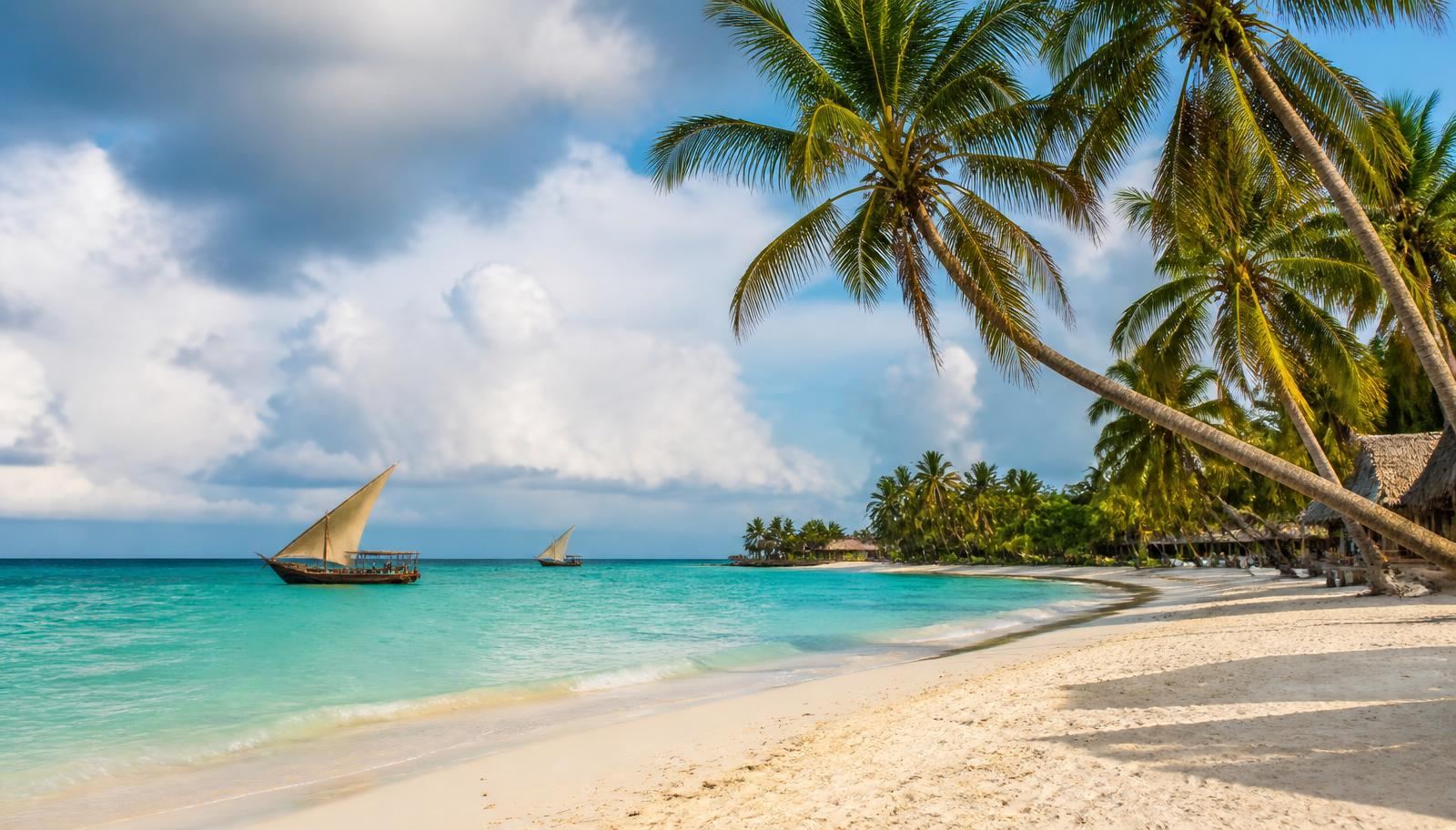
Zanzibar Travel
Best Time to Visit Zanzibar: Complete Month-by-Month Guide
Twelve months on the island, described honestly — weather, sea conditions, crowds, prices, and what each month is genuinely good for.

Introduction
Every week someone emails us a version of the same question: when should we go to Zanzibar? And almost every published answer online says the same three words — June to October. That answer isn't wrong. It's just lazy, and it costs people money and good trips.
I've been on the island in every month of the year. I've watched a February sea so flat it looked poured rather than tidal. I've sat out an April downpour under a makuti roof in Jambiani with a book and a pot of ginger tea, paying $160 for a room that costs $480 in August. I've seen honeymooners in late May get an entire stretch of Matemwe to themselves, and I've seen families arrive on December 27 and pay a festive supplement for a beach with two hundred other people on it.
The truth is that Zanzibar has no bad months, only months that suit different trips. What changes across the year isn't whether the island is worth visiting — it always is — but the combination of heat, rainfall, sea state, wind, seaweed, crowd density and price. Get that combination matched to what you actually want and you'll come home thinking you got away with something.
This guide goes month by month with real numbers, then answers the four questions people actually mean when they ask about timing: which months are best for a beach holiday, a honeymoon, diving, and traveling on a budget. If you also need the practical logistics — visas, transfers, costs, where to stay — our complete Zanzibar travel guide covers all of it, and the guide to the best beaches in Zanzibar explains why the coast you choose matters as much as the month.
Understanding Zanzibar's Climate
Zanzibar sits six degrees south of the equator in the Indian Ocean, about 25 miles off the Tanzanian mainland. That position gives it a tropical maritime climate with two features worth understanding before you look at any calendar: the temperature barely moves all year, and the monsoon winds run the show.
Daytime highs range from roughly 84°F in the coolest month to 92°F in the hottest. That's an eight-degree spread across an entire year. Sea temperature swings even less — 78°F at the coolest, 84°F at the warmest — which means you will never need a wetsuit for warmth and you will never find the water unpleasant. Nobody has ever cancelled a Zanzibar swim because it was too cold.
What genuinely changes is rainfall, humidity and wind. Those three variables are driven by the monsoon cycle that shaped a thousand years of Indian Ocean trade, and locals still name the seasons after the winds rather than the months.
The two monsoons
Kaskazi is the northeast monsoon, blowing from roughly November through March. It brings warm, humid air, hot still days, and the gentler of the two wind patterns. This is the monsoon that carried trading dhows down from Oman, India and Persia.
Kusi is the southeast monsoon, running from about June to September. It's a stronger, cooler, drier wind. It drops humidity noticeably, delivers the crisp blue skies you see in every Zanzibar brochure, and turns Paje into one of the best kitesurfing destinations on earth.
Between the two monsoons sit the rains. The transition from kaskazi to kusi produces the long rains, masika, from mid-March into May. The transition back produces the short rains, vuli, in November and early December. Once you understand that structure, the calendar becomes obvious rather than arbitrary.
Micro-climates on a small island
Zanzibar is only about 55 miles long and 25 across, but conditions are not uniform. The west coast, including Stone Town, is sheltered and hotter, with less wind and calmer water. The east coast catches the monsoon full on — breezier, cooler in the afternoon, and far more affected by tide. The north tip around Nungwi and Kendwa is the anomaly: it sits at the pivot of the tidal flow and keeps deep swimmable water at every hour of every month.
This matters for timing because a month that feels windy and choppy in Paje can feel perfectly calm in Nungwi on the same day. If your dates are fixed and the season isn't ideal, changing coast is often more effective than changing month.
Dry Season vs Rainy Season
Almost every conversation about Zanzibar timing collapses into this binary, so let's deal with it properly — because the difference between the two is smaller than most travelers assume, and the price difference between them is much larger.
The dry season: June to October
This is the stretch that earns Zanzibar its reputation. Rainfall drops to an inch or so a month, humidity falls, the kusi wind keeps afternoons comfortable, and the sky holds that hard tropical blue for days on end. Sea conditions are calm and clear. Sunrise is around 6:30am and sunset around 6:30pm, near enough all year, so daylight never varies meaningfully.
The tradeoffs are crowds and price. July and August coincide with European and North American summer holidays, and the good beachfront hotels on the north coast sell out six to nine months ahead. Rates in August can run 60 to 80 percent above April.
The second dry window: late December to February
Between the short rains and the long rains sits a hot, bright, low-rainfall pocket that many people overlook. January and February are the warmest months of the year, with sea temperatures in the low 80s and days that feel genuinely tropical rather than merely warm. Rainfall averages just over two inches a month. Diving visibility in late February is often the best of the whole year.
The catch is heat. At 92°F with high humidity and little wind, walking Stone Town at midday in February is punishing. The other catch is seaweed: sargassum and seagrass wash onto the east coast most heavily between December and March, and some hotels rake it daily while others don't bother.
The long rains: mid-March to May
Masika is the real rainy season. April averages around 15 inches of rain across 18 to 20 rain days, and May roughly half that. But "rain day" is a misleading statistic in the tropics — it means measurable rain fell at some point, not that it rained all day. In practice you'll typically get a heavy overnight downpour, a bright morning, and a dramatic afternoon storm that clears within an hour.
What actually degrades an April trip isn't the rain. It's the humidity, which sits in the high 80s and makes everything feel heavy; the flat grey light, which is poor for photography; the churned-up sea, which cuts diving visibility to five or ten meters; and the fact that a meaningful number of small hotels, restaurants and dive centers close for annual maintenance. Boat excursions get cancelled more often, and the cancellation is usually about sea state, not rain.
The short rains: November to mid-December
Vuli is much gentler than its reputation suggests. November averages around seven inches of rain, but it typically falls in a concentrated late-afternoon burst. Mornings are frequently clear and hot. Many of our November clients report that it barely affected their trip, and rates in the first half of the month sit 25 to 35 percent below peak.
January in Zanzibar
January splits cleanly in two. Through January 5, the island is at maximum capacity: festive supplements, packed restaurants, and Kendwa's full-moon-adjacent New Year parties drawing crowds from across East Africa. From roughly January 8 onward it empties out remarkably fast, and what's left is one of the more pleasant pockets of the year.
Expect highs around 91°F, water at 82°F, and about two and a half inches of rain spread thinly across the month — usually short, sharp showers rather than sustained weather. The kaskazi wind is light, which means calm seas and easy boat days out to Mnemba or the sandbanks.
Who January suits: travelers escaping a northern winter who want heat and swimmable water, families with early-January school breaks, and anyone who can travel after the 8th and wants high-season weather at shoulder-season energy levels.
The catch: east-coast seaweed is at its seasonal peak, midday heat is serious, and prices don't drop as far as the emptiness suggests they should.
February in Zanzibar
February is the hottest month on the island and, for divers, one of the two best. The sea flattens out, rainfall stays low at around two inches, and by the second half of the month underwater visibility at Mnemba Atoll regularly hits 25 to 30 meters. Water temperature peaks at about 84°F, warm enough that a rash guard is all most people want.
Above water it's hot — 92°F highs with humidity to match, and not much wind to move it. Stone Town in February is a morning activity, full stop. Get the walking tour done by ten, retreat for lunch, and come back out at four.
Crowd levels are moderate, with a bump around Valentine's Day and European half-term. Prices sit between the January peak and the March decline.
Who February suits: divers and snorkelers above all, plus honeymooners who prioritize warm water and flat seas over cool evenings.
March in Zanzibar
March is a month of two halves, and the halves are very different. The first two weeks usually behave like a slightly softer February: hot, largely dry, calm water, and prices already sliding as the high season winds down. It's one of the better value windows of the year if you're comfortable with a bit of risk.
From around the middle of the month, the long rains announce themselves. Humidity climbs, cloud builds through the afternoon, and the first serious storms arrive. Monthly rainfall averages five inches, but nearly all of it lands in the back half.
Sea conditions deteriorate through the month as the wind turns. Dive operators start reporting reduced visibility by the last week, and some smaller east-coast hotels begin their pre-closure wind-down.
Who March suits: flexible travelers who can book the first ten days and accept some weather risk in exchange for genuinely good rates and quiet beaches.
April in Zanzibar
April is the wettest month of the Zanzibar year and the one I'm most honest with clients about. Rainfall averages around 15 inches across 18 to 20 rain days. Humidity is oppressive. Cloud cover is frequent enough to flatten photographs. Sea visibility for diving can drop to under ten meters. A significant share of boutique hotels, beach restaurants and dive centers simply close for the month.
Now the other side. April is also the cheapest month by a wide margin — beachfront rooms routinely discount 40 to 60 percent, and I've seen properties that charge $480 in August go for $165. The island is emptier than at any other point in the year. The landscape is spectacularly green. And the rain, when it comes, is usually theatrical rather than relentless: a wall of warm water for forty minutes, then steam rising off the sand and a rainbow over the reef.
Who April suits: budget travelers, long-stay visitors, writers and remote workers, and repeat visitors who already know the island and don't mind losing a couple of days to weather.
Who should avoid April: honeymooners, first-time visitors, photographers, divers, and anyone with a tightly packed excursion list.
May in Zanzibar
May is April's more reasonable sibling and, in my view, the most underrated month in the Zanzibar calendar. Rainfall roughly halves to around eight inches, and it's heavily front-loaded — the first ten days can still be genuinely wet, but by the third week the pattern usually breaks and you get long clear stretches with cooler, drier air arriving ahead of the kusi.
Prices remain close to April lows through most of the month, and the island stays quiet. Late May frequently delivers dry-season weather at rainy-season rates, which is as close to a free lunch as travel timing gets.
The risk is real but manageable: some years the rains hang on into late May, and hotels that closed for April may not reopen until June 1. Check reopening dates before committing.
Who May suits: budget-conscious honeymooners, couples who want privacy, and anyone willing to trade a bit of certainty for a much better price. We push more clients toward late May than any other shoulder date.
June in Zanzibar
June is when Zanzibar switches on. The kusi settles in, rainfall drops to about an inch and a half, humidity falls away, and the sky clears. Highs ease to a very comfortable 85°F with lows around 72°F, which makes evenings genuinely pleasant for the first time since February. Sea temperature dips to 79°F — still warm, just less bathwater.
The first two weeks are the sweet spot. European and North American school holidays haven't started, so you get dry-season conditions with shoulder-season crowds and rates that haven't fully jumped. By the last week of June, occupancy and pricing are firmly into high season.
Kitesurfers should note that the kusi wind builds through June and is reliably strong at Paje by month's end.
Who June suits: more or less everyone — but especially travelers who can go in the first half and want peak conditions without peak everything else.
July in Zanzibar
July is the coolest and breeziest month, with highs around 84°F and lows dipping to 71°F. Rainfall is minimal at just over an inch. If you find tropical heat oppressive, this is your month — the kusi keeps a steady breeze running and nights are cool enough to sleep without air conditioning at some properties.
It's also full. July is high season across the board: the northern safari circuit is at its busiest, flights are expensive, and Zanzibar's north coast hotels are largely sold out by March. If you want July, book by January.
Kitesurfing at Paje peaks now, with reliable 18 to 25 knot wind. Some swimmers find the east coast a bit choppy in the afternoon; the north coast stays calm.
Who July suits: heat-sensitive travelers, kitesurfers, families tied to summer school holidays, and safari-plus-beach trips built around peak Serengeti game viewing.
August in Zanzibar
August is the busiest month of the Zanzibar year and, weather-wise, one of the most reliable. Rainfall averages an inch. The kusi is still blowing but softening. Highs nudge back up to 85°F. If you want a near-guarantee of sunshine, August delivers it.
What you pay for that guarantee is significant. Rates hit their non-festive peak, popular restaurants need reservations days ahead, Nungwi's beach is genuinely crowded, and excursion boats run at capacity. The Rock restaurant, Chumbe Island and Mnemba dive slots all need booking weeks in advance.
A note that surprises people: because so many travelers combine August safari with August beach, the flights between Arusha, the Serengeti and Zanzibar are the most oversubscribed of the year. Build in buffer.
Who August suits: travelers with fixed summer dates who prioritize weather certainty over value and solitude.
September in Zanzibar
If someone forced me to book a Zanzibar trip sight unseen, I'd choose September. The weather is still dry-season reliable — an inch of rain, 86°F highs, low humidity — but the kusi has begun to relax, which flattens the sea and lifts underwater visibility back toward 25 meters. Water warms to 79°F. And critically, the August crush is over: hotels have availability again, restaurants take walk-ins, and rates start easing from mid-month.
September is also excellent for photography. The air is at its clearest, sunsets over Kendwa are consistently spectacular, and the light holds late enough for a proper golden hour on a dhow.
For safari-and-beach combinations this is arguably the best month of all: the Serengeti's northern circuit is at peak migration river-crossing action while Zanzibar delivers its most balanced conditions.
Who September suits: honestly, everyone. Divers, honeymooners, families without school constraints, photographers, and anyone combining island time with a mainland safari. Read our Zanzibar and safari Tanzania guide for how to structure that trip.
October in Zanzibar
October is a quietly excellent month that plenty of travelers overlook. Rain ticks up slightly to under three inches, but it's still comfortably dry by tropical standards. Temperatures climb back to 88°F and the sea warms to 81°F. Wind drops away, leaving glassy morning water that's superb for snorkeling, kayaking and paddleboarding.
Crowds are moderate throughout, and the second half of the month often brings the best value-to-conditions ratio of the entire dry season. Diving remains very good until the last week or so, when the first pre-vuli humidity starts building.
Who October suits: couples, snorkelers, and travelers who want dry-season conditions without dry-season pricing. It's also a strong month for first-time visitors doing a mixed itinerary of Stone Town, spice farms and beach.
November in Zanzibar
November brings the short rains, and its reputation is worse than its reality. The monthly average of around seven inches sounds alarming until you see how it falls: typically a hot, bright morning, cloud building through early afternoon, a concentrated downpour between three and five, and then a clear, cooling evening. Plenty of November clients tell us the rain cost them one beach afternoon in ten days.
Highs sit at 89°F, water at 82°F, and rates fall 25 to 35 percent below peak. The first two weeks are the quietest stretch on the island outside the long rains.
The genuine downsides: sea state can be inconsistent for boat trips, diving visibility softens, and the humidity returns in earnest. Some years the vuli is heavier and more sustained than average, so this is a month where flexibility helps.
Who November suits: value-driven travelers who want warmth and space and can shrug off an afternoon storm. Early November in particular is one of the best-kept secrets in the calendar.
December in Zanzibar
December is two different months wearing the same name. Through about the 18th, the short rains taper off, the island is quiet, and prices remain in shoulder territory. It's warm, increasingly bright, and often lovely.
From December 20 through January 5, everything inverts. This is the most expensive window of the Zanzibar year — many hotels apply a compulsory festive supplement and a minimum-stay requirement of five to seven nights on top of already elevated rates. Kendwa's New Year celebration draws thousands. Restaurants require reservations. Transfers cost more.
Weather-wise the festive period is generally very good: hot, largely dry, with warm calm water. You're simply paying a substantial premium for the calendar rather than the conditions.
Who December suits: early-December travelers looking for value, and festive-period travelers who have booked nine to twelve months out and accept the pricing for what it is.
Zanzibar Month-by-Month Weather Table
Long-term averages for Zanzibar Town, with our own read on crowd levels and what each month is actually good for.
| Month | Avg high | Avg low | Rainfall | Sea temp | Crowds | Verdict |
|---|---|---|---|---|---|---|
| January | 91°F / 33°C | 76°F / 24°C | 2.6" / 66mm | 82°F / 28°C | High (very high to Jan 5) | Hot, bright, swimmable. Quiet and good value after mid-month. |
| February | 92°F / 33°C | 77°F / 25°C | 2.2" / 56mm | 84°F / 29°C | Moderate to high | The hottest month. Flat seas, superb late-month diving. |
| March | 91°F / 33°C | 77°F / 25°C | 5.1" / 130mm | 84°F / 29°C | Moderate, falling fast | First half excellent, second half turns humid and wet. |
| April | 88°F / 31°C | 76°F / 24°C | 15.0" / 380mm | 83°F / 28°C | Lowest of the year | Peak long rains. Cheapest month, most closures. |
| May | 87°F / 31°C | 74°F / 23°C | 8.3" / 210mm | 82°F / 28°C | Very low | Improves week by week. Late May is a hidden bargain. |
| June | 85°F / 29°C | 72°F / 22°C | 1.5" / 38mm | 79°F / 26°C | Low early, rising late | Dry season begins. Cool, breezy, uncrowded early on. |
| July | 84°F / 29°C | 71°F / 22°C | 1.2" / 30mm | 78°F / 26°C | High | Coolest, breeziest month. Peak prices, peak kitesurfing. |
| August | 85°F / 29°C | 71°F / 22°C | 1.0" / 25mm | 78°F / 26°C | Highest of the year | Reliable weather, fullest hotels, book far ahead. |
| September | 86°F / 30°C | 72°F / 22°C | 1.3" / 33mm | 79°F / 26°C | Moderate | Our overall pick. Dry, calm seas, crowds easing. |
| October | 88°F / 31°C | 74°F / 23°C | 2.7" / 69mm | 81°F / 27°C | Moderate | Warm, clear water, excellent value in the second half. |
| November | 89°F / 32°C | 75°F / 24°C | 7.4" / 188mm | 82°F / 28°C | Low | Short rains. Often lovely, and noticeably cheaper. |
| December | 90°F / 32°C | 76°F / 24°C | 5.0" / 127mm | 83°F / 28°C | Low, then extreme from Dec 20 | First three weeks quiet; festive period is the priciest of the year. |
Best Activities by Season
Timing advice changes depending on what you plan to do. This table maps the main reasons people come to Zanzibar against the months that serve them best.
| Activity | Best months | Months to avoid | Notes |
|---|---|---|---|
| Swimming and sunbathing | June–October, January–February | April | North coast (Nungwi, Kendwa) swims well at any tide, in any month. |
| Scuba diving at Mnemba | Late February–March, September–October | April–May | Visibility peaks at 25–30m when the sea is flat and rain runoff is low. |
| Snorkeling | June–October | April, late November | Calm seas matter more than temperature; the water is warm year-round. |
| Kitesurfing at Paje | June–September (kusi), December–February (kaskazi) | April–May, October–November | June–August delivers the strongest, most consistent 18–25 knot wind. |
| Stone Town and cultural touring | June–September | January–February midday heat | The alleys are brutal at 92°F. Walk before 10am whatever month you pick. |
| Dolphin and dhow trips | June–October | April, November | Sea state, not rainfall, is what cancels boats. |
| Honeymoon | June–October, late January | April, Christmas week | Late May and early November offer privacy at a third off peak rates. |
| Safari plus beach combination | June–October, January–February | April | Mainland and island dry seasons overlap almost perfectly. |
| Budget travel | April, May, early November | August, December 20–January 5 | The same beachfront room can swing by 60 percent between April and August. |
| Photography | June–October | March–May | Dry-season air is clearer and the light holds longer into the evening. |
Best Months for Beach Holidays
For a straightforward beach holiday — swimming, lying in the sun, eating grilled seafood, doing very little — the strongest months are June, September and October, with January and February close behind if you handle heat well.
Here's the reasoning. A great beach day needs four things: sun, calm water, minimal seaweed and comfortable air temperature. June through October delivers all four. The kusi keeps humidity down, the sea is clean and settled, and the sargassum that accumulates on the east coast in the kaskazi months has largely cleared. September and October add warmer water to that mix as the wind eases.
January and February have the warmest, most inviting water of the year and reliably cloudless skies, but they also bring the heaviest seaweed on the southeast coast and a level of midday heat that keeps a lot of people in the shade between eleven and three.
Match the month to the coast
- Nungwi and Kendwa (north): excellent in any month. Minimal tidal variation means you can swim off the sand at any hour, and these beaches see the least seaweed. If your dates fall in a weaker month, book north.
- Matemwe and Pongwe (northeast): best June to October, when the reef lagoon is calm and clear and Mnemba trips run daily.
- Paje and Jambiani (southeast): best June to September if you're there for wind, or September to November if you want the lagoon calm. Avoid December to March if seaweed bothers you.
- Michamvi and Pingwe (southeast tip): sheltered and sunset-facing, good year-round, exceptional September to October.
Our best beaches in Zanzibar guide breaks down tides, swimmability and atmosphere for each of these in far more detail — worth reading alongside this one, because the coast decision and the month decision interact.
Best Months for a Zanzibar Honeymoon
Honeymooners want a specific combination: privacy, reliable weather, warm water, beautiful light and a hotel that isn't full of families. That points at September, October and late January as the strongest choices, with late May as the value pick.
September and October give you dry-season certainty without August's crowds. Sunsets are at their best, the sea is calm enough for private dhow dinners and sandbank picnics, and the boutique properties on the northeast coast have availability. Late January is the quiet gap after the festive rush — hot, bright, and much emptier than the weather would suggest.
Late May deserves serious consideration if budget matters. Rates are 40 to 50 percent below September, the island is close to deserted, and the weather in the last ten days of the month is frequently indistinguishable from early June. The tradeoff is risk: some years the rains persist, and some hotels stay closed until June 1.
Months to avoid for a honeymoon: April, without hesitation, and the Christmas–New Year window, where you'll pay the highest rates of the year for the least privacy. August is fine weather-wise but crowded enough that intimate dinners are hard to come by.
Best Months for Diving and Snorkeling
Zanzibar's underwater season is driven by three things: sea state, freshwater runoff and plankton. Put them together and two clear windows emerge — late February through mid-March and September through October.
In late February the wind has dropped, there's been no significant rain for months, and the water is at its warmest. Visibility at Mnemba Atoll and Leven Bank regularly reaches 25 to 30 meters. This is the window for the big stuff: dolphins are common, and whale shark sightings off Mafia Island — a short flight away — peak between October and February.
September and October are the second window and, for most travelers, the more practical one. The kusi has eased so the surface is calm, the dry season means no runoff clouding the water, and visibility sits reliably in the 20 to 25 meter range. Water is 79 to 81°F, and boat days rarely get cancelled.
Months to avoid underwater
- April and May: rain runoff and rough seas cut visibility to five to fifteen meters, and many dive centers close or run reduced schedules.
- Late June to August: diving is still good, but the strong kusi creates surface chop that makes the boat ride out to Mnemba uncomfortable and occasionally cancels afternoon dives.
- Late November: the short rains bring variable conditions and softer visibility, though good days still happen.
Best Months for Budget Travelers
Zanzibar's price swing across the year is dramatic — bigger than most Indian Ocean destinations. The same beachfront room can cost $165 in April and $480 in August. Knowing where the value sits is worth more than any other piece of timing advice in this guide.
The cheapest windows, in order
- April — 40 to 60 percent off peak. The deepest discounts of the year, with the biggest weather compromise and the highest chance of closures.
- May — 35 to 50 percent off peak. Nearly April's pricing with meaningfully better conditions, particularly after the 15th. The best value-to-experience ratio on the calendar.
- Early November — 25 to 35 percent off. Warm, quiet, and only mildly affected by the short rains.
- Early December (1st–18th) — 20 to 30 percent off. Improving weather, very quiet, and right before the festive spike.
- Mid-January and early June — 10 to 20 percent off. Not cheap, but you're buying near-peak conditions at a discount.
Where the money actually goes
Accommodation is the biggest lever by far, but there are others. Internal flights from Arusha or the Serengeti cost the same all year, so a cheaper month doesn't help there. Excursions are broadly fixed-price — a Mnemba snorkeling trip is $50 to $70 whenever you go. Where you save beyond the room rate is on availability of guesthouses in Stone Town, on the ability to negotiate longer stays, and on the fact that quieter months make shared transfers easier to arrange.
One cost that never changes: the $50 per person tourist infrastructure levy, and the mandatory travel insurance requirement for visitors. Budget both regardless of season. Our Zanzibar travel guide has the full cost breakdown by travel style.
A Few Planning Notes That Cut Across Every Month
Some things about Zanzibar timing don't fit neatly into a month-by-month structure but matter just as much.
Ramadan
Zanzibar is about 99 percent Muslim, and Ramadan changes the rhythm of the island. Beach resorts operate normally and serve food and alcohol as usual, but in Stone Town and the villages many local restaurants close during daylight hours, spice tours run shorter, and the general pace slows. The upside is that iftar at Forodhani Gardens is genuinely special. Ramadan moves roughly eleven days earlier each year — in 2026 it falls across February and March. If your trip is culture-heavy, check the dates. If you're beach-focused, it will barely register.
Tides matter more than months on the east coast
This is the single most common Zanzibar disappointment and it has nothing to do with weather. On the southeast coast the ocean withdraws hundreds of meters twice a day, every day, all year. Spring tides around the new and full moon are the most extreme. If uninterrupted swimming off the sand is important to you, either book Nungwi or Kendwa in the north or check a tide table against your dates. No month fixes this.
Combining with a mainland safari
The seasons align conveniently. June to October is peak game viewing on the northern circuit — dry conditions concentrate animals around water — and it's also Zanzibar's best stretch. January and February pair the Ndutu calving season with the island's hottest, brightest weather. April and May are poor for both: the mainland's long rains make some tracks impassable and Zanzibar is at its wettest.
For a full breakdown of mainland timing, see our guide to the best time to visit Tanzania, and for how to structure a two-week combination trip, our Zanzibar and safari Tanzania guide covers flights, nights and sequencing.
How far ahead to book
- December 20 – January 5: nine to twelve months ahead. Festive supplements and minimum stays apply.
- July and August: six to nine months ahead for good beachfront properties.
- June, September, October: four to six months.
- January to March, November: two to four months.
- April and May: one to two months, and verify hotels are actually open.
Frequently Asked Questions
The timing questions we field most often from travelers planning a Zanzibar holiday.
Common Questions
Frequently Asked Questions
If I had to name one month, it would be September. The long rains are a distant memory, humidity is low, the sea is flat and clear enough for 25-meter visibility at Mnemba, and the July–August crowds have thinned out without prices having jumped again for Christmas. June and October are almost as good. If your travel is locked to the northern winter, late January is the quiet pocket between the New Year rush and the February heat, and it delivers hot, bright, swimmable days. The honest answer is that Zanzibar has no genuinely bad month — it has months that suit different priorities, which is what the month-by-month section of this guide is for.
There are two. The long rains, called masika locally, run from roughly mid-March through May, with April the wettest month of the year at around 15 inches of rain across 18 to 20 rain days. The short rains, vuli, fall from early November into mid-December and are far less disruptive — typically a heavy hour in the late afternoon followed by clear skies. Even in April the rain is rarely constant; it arrives in intense bursts, often overnight or in the afternoon, and the sun usually returns the same day. What actually spoils an April trip is not the rain itself but the humidity, the cloud cover for photography, and the fact that some smaller beach hotels close for annual maintenance.
April is the one month I steer people away from unless budget is the deciding factor. It's the peak of the long rains, humidity sits in the high 80s, the sea can be churned up and cloudy for diving, and a meaningful number of boutique hotels and restaurants close for the month. The upside is real, though: rates fall by 40 to 60 percent, the island is emptier than at any other point in the year, and the landscape is greener than you'll ever see it. If you're a flexible traveler who doesn't mind reading a book through a rainstorm and you're getting a beachfront room at half price, April can be a genuine bargain. For a honeymoon, a first visit or a photography-driven trip, choose almost any other month.
For pure beach conditions — flat sea, minimal seaweed, clear water and reliable sun — September and October are the strongest, with June a close third. In those months the southwest monsoon has settled, the water is calm, and the seagrass and sargassum that wash up on the east coast between December and March are largely absent. If you want warm water and hot, cloudless days, January and February beat everything, but the east coast picks up more seaweed then and the midday heat is intense. Remember that the beach you choose matters as much as the month: our guide to the best beaches in Zanzibar explains why Nungwi and Kendwa stay swimmable at every tide while Paje and Jambiani empty out twice a day.
April and May, without question — the island can feel close to empty, especially on the east coast. After that, the quietest stretches are the first half of November, before the short rains build and before the Christmas influx, and the first two weeks of June, when European school holidays haven't started. Mid-January is a surprisingly calm pocket too, once the New Year crowd has flown home. The busiest periods, in order, are the week between Christmas and New Year, all of August, and the Easter holidays. If you want a beach without other people's beach towels on it, aim for May, early June or early November.
April is the cheapest month of the year, followed closely by May. Beach hotels routinely discount 40 to 60 percent for the long rains, and a room that costs $450 a night in August can drop below $180 in April. May holds most of that discount while offering meaningfully better weather in the second half of the month, which is why we often point budget-conscious honeymooners at mid to late May. Early November and the first half of December are the next cheapest, with roughly 25 to 35 percent off peak rates. The most expensive dates by a wide margin are December 20 through January 5, when many hotels charge a mandatory festive supplement on top of already high season rates.
Yes — and it's how most of our clients travel. The flight from the Serengeti's airstrips to Zanzibar takes roughly two and a half hours with one stop, or you can connect through Arusha or Kilimanjaro in a similar time. The seasons line up conveniently: June to October is peak wildlife viewing on the northern circuit and also Zanzibar's driest, breeziest stretch, while January and February give you the Ndutu calving season paired with hot, bright island weather. The standard shape is six or seven days on safari followed by five nights on the coast, and our Zanzibar and safari combination guide walks through the flight logistics and how many nights each half really needs.
Five to seven nights is the sweet spot. Two nights in Stone Town covers the historic core, a spice farm and a sunset dhow without rushing, then four or five on a beach gives you time to actually settle. Three nights works as a short add-on to a safari, but you'll spend a real slice of it in transfers, since crossing the island takes one to two hours. Ten nights or more suits divers, honeymooners splitting two coasts, and anyone adding Pemba or Chumbe. In the rainy months I'd argue for more nights rather than fewer — the extra days buy you the flexibility to move a snorkeling trip when the weather turns.
Conclusion
There is no single best time to visit Zanzibar, only the best time for the trip you have in mind. June through October gives you dry air, calm seas and the most reliable conditions on the island, at the cost of higher prices and more company. December through February trades a little seaweed and a lot of heat for hot, brilliant days and warm water. The long rains in April and May hand you an emptier, greener, dramatically cheaper island if you're willing to work around the weather. Match the month to what you actually want — swimming, reef, wind, quiet or value — and Zanzibar will deliver in any of them.
If you want the short version: book September if you can, June or October if you can't, late January if you're chasing heat, and late May if you're chasing value. Avoid April unless the price is the point. And whichever month you land on, spend five minutes on the tide chart and the coast map — that decision will shape your trip more than the weather ever will. For everything else about the island, our guide to the best things to do in Zanzibar and the Stone Town travel guide will fill in what to do once you're there, and the ultimate Tanzania travel guide covers the country as a whole.
Plan Your Zanzibar Holiday With Olympus Adventure
Olympus Adventure is a Tanzanian-owned company based in Arusha. We plan private, tailor-made trips that pair the northern safari circuit with Zanzibar's coast, and we've traveled the island in every month described above. That means we can tell you honestly whether your dates are right, which coast suits them, and where the season boundary sits at the hotel you're eyeing.
Send us your travel window, the number of nights you have, and what matters most — swimming, reef, quiet, or value. We'll come back with a day-by-day plan, a transparent quote, and a straight answer if we think a different month or a different beach would serve you better. If you'd like to see how the process works first, our guide on how to book a Tanzania safari walks through deposits, timing and trip design.
And if your dates are already fixed, don't worry — there's a version of a great Zanzibar trip in every month of the year. Our job is to find yours.
Keep Reading
More Zanzibar Guides
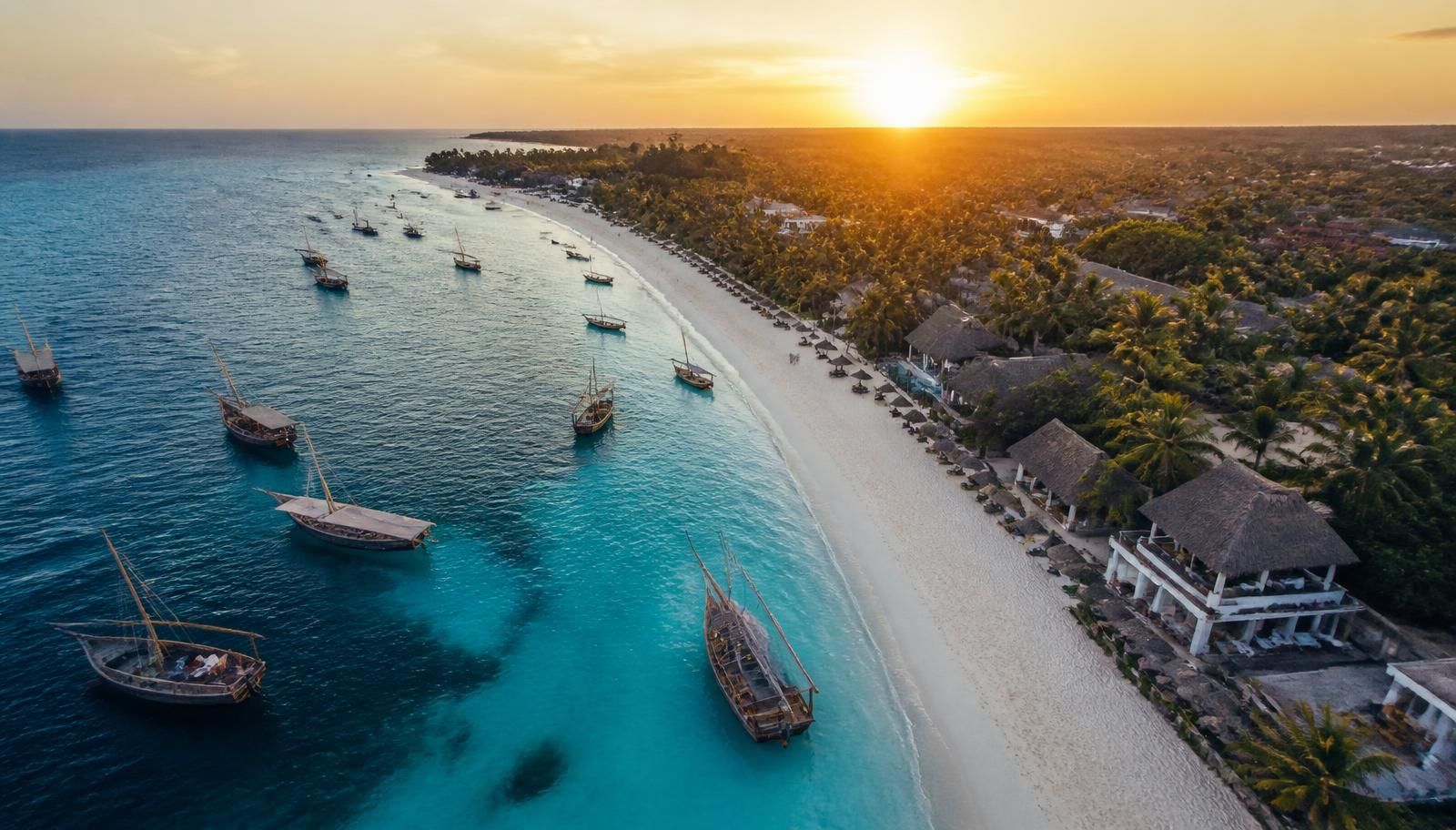
Zanzibar
Zanzibar Travel Guide: Everything You Need Before Visiting the Island
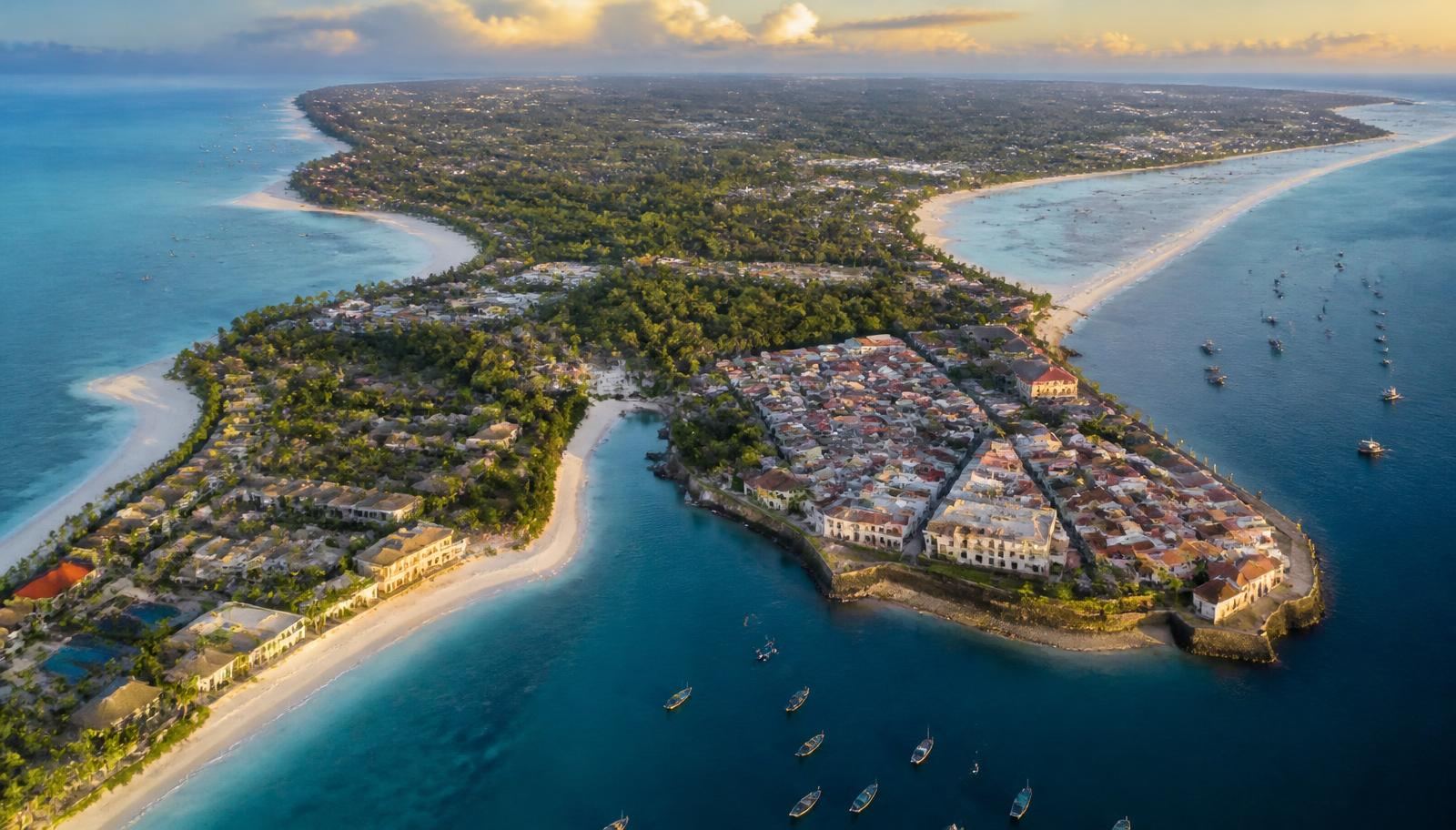

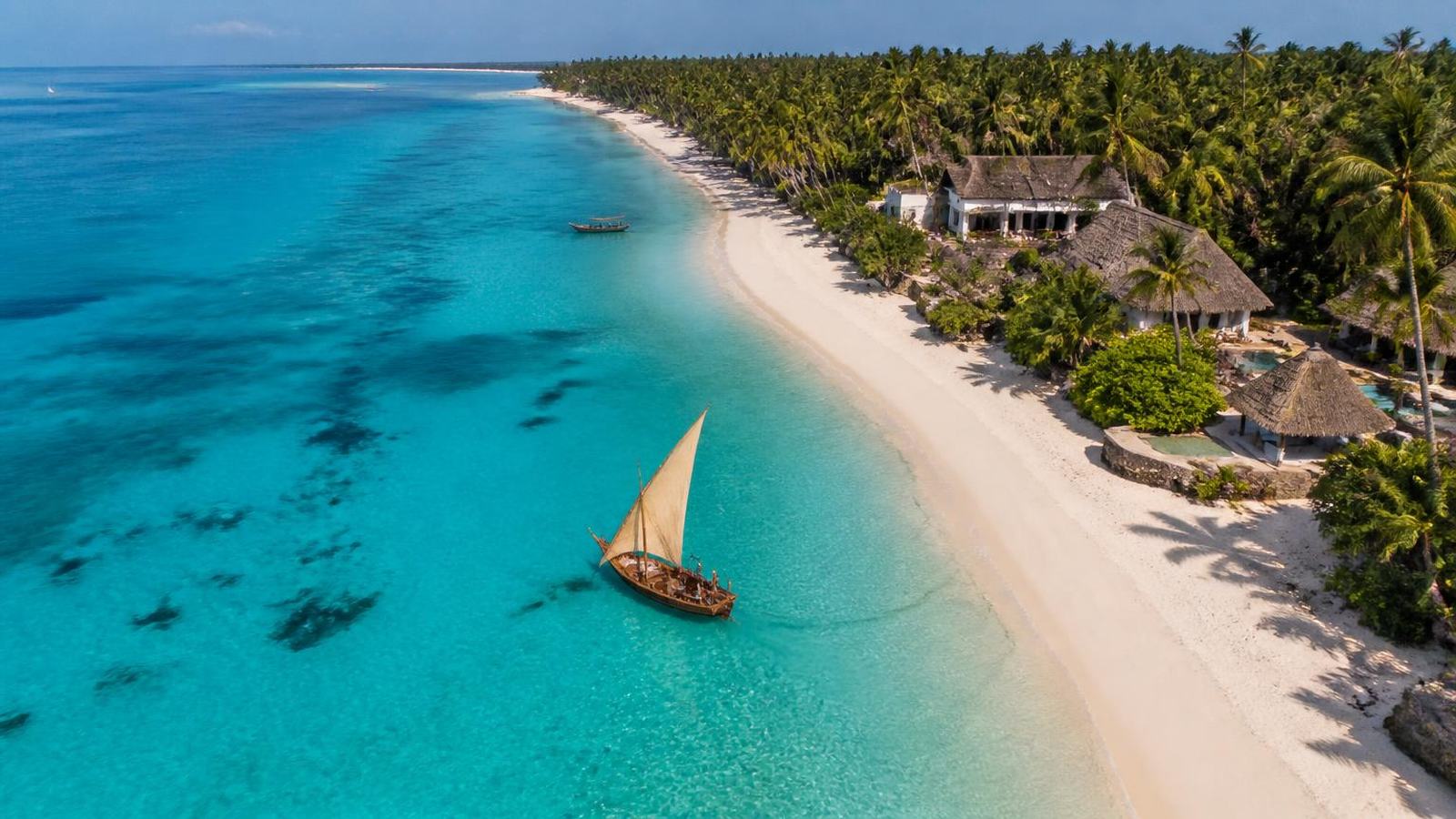
Zanzibar
Best Beaches in Zanzibar: Complete Guide to Choosing the Perfect Beach

Plan Your Journey
Ready to plan your Zanzibar holiday?
Tell us your dates and what you want from the island — our Arusha-based specialists will match the month, the coast and the hotel to the trip you actually have in mind.
- TALA Licensed Operator
- 4.9 ★ Guest Rating
- No Booking Fees