
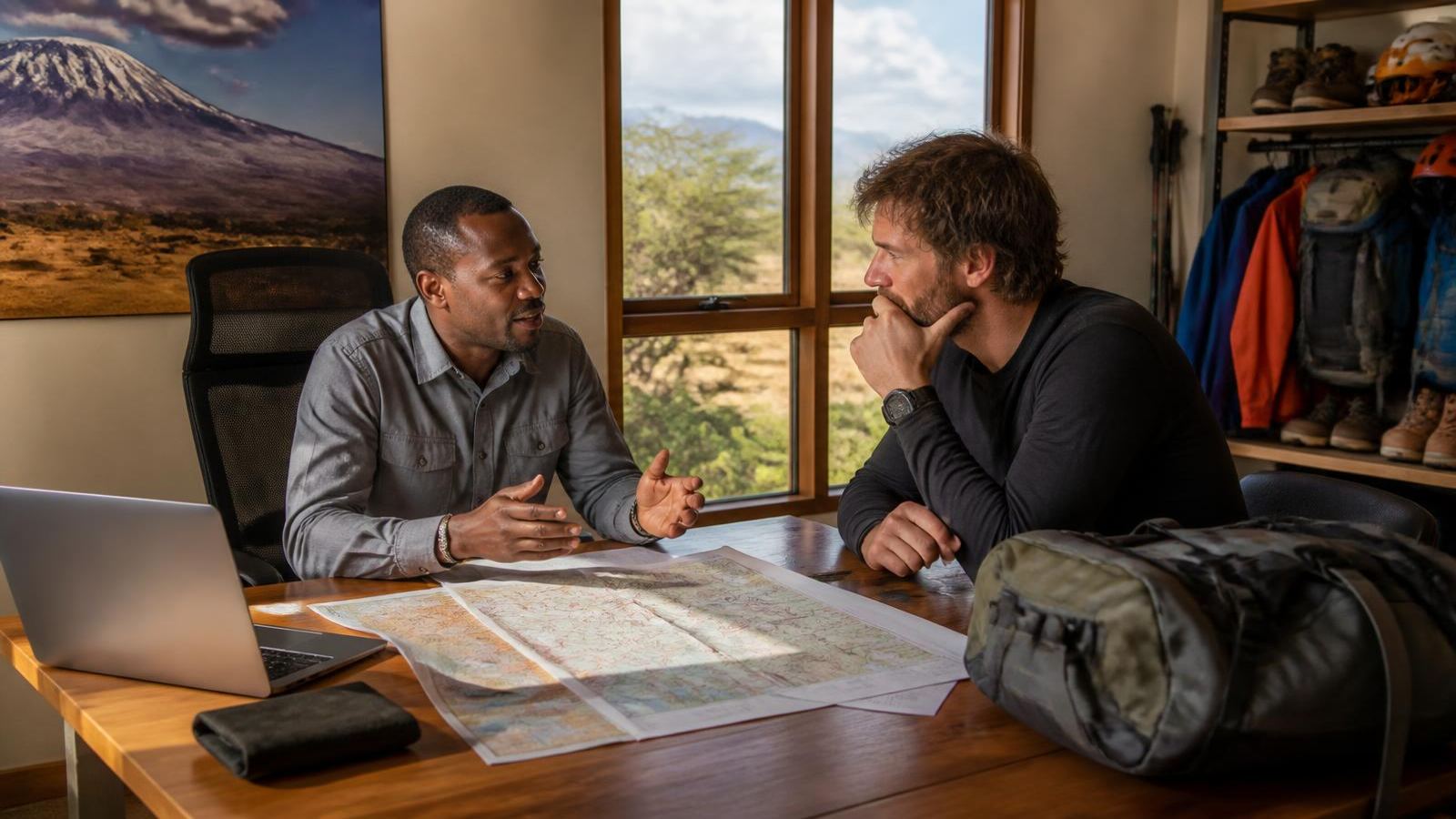
Kilimanjaro Climbing
Mount Kilimanjaro Cost Guide: How Much Does It Really Cost to Climb?
Every fee, wage, tip and hidden extra explained by an Arusha-based operator who writes these quotes for a living — so you know exactly what you are paying for.
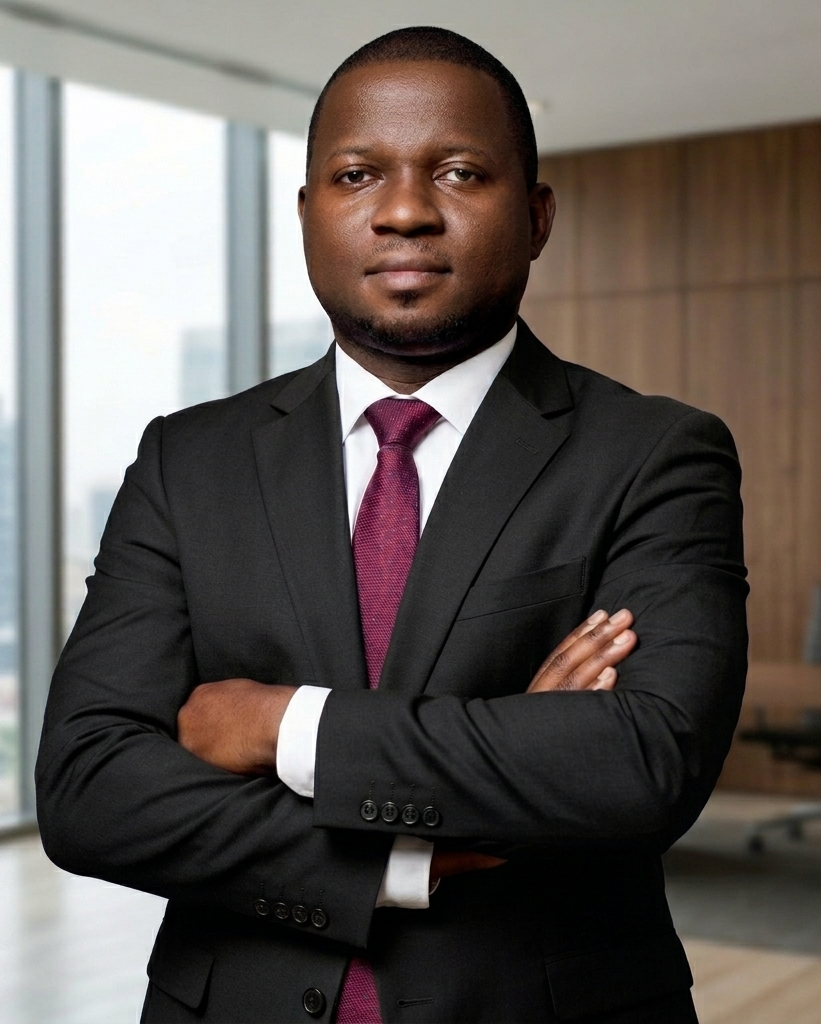
Introduction
The first question almost everyone asks me about Kilimanjaro is not about altitude, or the cold, or whether they are fit enough. It is about money. Usually it arrives in a slightly apologetic email: "I've seen climbs for $1,600 and climbs for $6,000 — what am I missing?" It is a fair question, and the honest answer is that both numbers are real, both describe a walk up the same mountain, and the difference between them is almost entirely a matter of how many days you spend, how many people carry your camp, and how well those people are paid.
I run an operator based in Arusha. I write Kilimanjaro quotations most weeks of the year, which means I know precisely what each line of a climb costs us before a single shilling of profit is added. Roughly a thousand dollars of any seven-day climb goes straight to the Tanzanian government in park fees, and there is no version of the trip where it does not. Another large slice goes to the crew — the guides, cooks and porters who carry your tent, your food and your duffel to 4,600 meters and back. What is left after that pays for equipment, transport, tax and the company's margin.
This guide breaks all of it down. Not in vague ranges designed to make our own quotes look generous, but line by line, with the actual government tariffs, the actual wage bands and the actual cost of a rented down jacket in Moshi. By the end you should be able to look at any Kilimanjaro quote on the internet and tell within about ninety seconds whether it is realistic, whether it is padded, or whether someone is going to be underpaid so you can save two hundred dollars.
If you are still deciding whether to climb at all, start with our Mount Kilimanjaro climbing guide, then come back here to plan the budget. The two articles are meant to be read together.
Why Kilimanjaro Prices Vary
Two quotes for what looks like the same climb can differ by three thousand dollars. That gap is not mysterious once you know which variables move the number, and there are only six of them that matter.
1. The number of days
This is the biggest single lever, and it is worth understanding why. The park charges you per day and per night, your crew is paid per day, and your food is bought per day. So a day on Kilimanjaro has a fairly fixed cost of roughly $250 to $400 per climber, depending on group size and comfort level. A six-day Machame and an eight-day Lemosho are not different products in the way that a three-star and a five-star hotel are different — they are the same product with two extra days of everything attached.
This is also why the cheapest climbs are almost always the shortest ones, and why the cheapest climbs have the worst summit rates. A five-day Marangu is inexpensive because you are on the mountain for less time, not because the operator found some efficiency. Our Kilimanjaro routes comparison goes into the trade-off in detail, but the short version is that days buy acclimatization, and acclimatization buys the summit.
2. Group size
A guide, a cook and a mess tent cost the same whether one person or eight are using them. Spread across eight climbers, that overhead almost disappears; carried by one, it dominates the price. This is why a private climb for a solo traveler typically costs 40 to 60 percent more per person than joining a group departure of six, and why couples often pay a noticeable single-supplement equivalent. If your dates are flexible, asking an operator which departures already have people on them is the single easiest way to reduce your price without changing anything about the climb.
3. How the crew is paid
Tanzania has a legal minimum daily wage for mountain crew, and there is a meaningful difference between operators who pay it, operators who pay above it, and operators who quietly pay below it and rely on tips to make up the gap. The Kilimanjaro Porters Assistance Project (KPAP) audits companies on wages, load limits, meals and gear, and partnership with them is one of the few genuinely verifiable ethical markers in this industry.
A properly paid crew adds roughly $200 to $400 per climber to the cost of a seven-day climb compared to the bare legal floor. That is where a large chunk of the gap between a $1,800 climb and a $2,600 climb lives. It is not glamorous, it does not show up in the brochure photos, and it is the part of the price I would defend hardest.
4. Equipment and camp standard
At the budget end you get a two-person dome tent shared between two climbers, a foam mattress, and a shared mess tent. One tier up you get a roomier tent to yourself, an inflatable mattress, a private toilet tent and a walk-in dining tent with proper chairs. At the luxury end there are camp beds, heated mess tents, hot water for washing and, occasionally, a portable hyperbaric chamber. Each step costs real money because every item is carried up the mountain by a person and depreciates fast in that environment.
5. Safety equipment and protocol
Ask any operator what they carry. Serious ones carry a pulse oximeter and run twice- daily health checks, bottled emergency oxygen with a mask and regulator, a comprehensive first-aid kit, radios or a satellite phone, and enough assistant guides that one can descend with a sick climber while the rest of the group continues. That equipment and that staffing ratio cost money. Operators who skip it are cheaper, and you will only discover the difference on the one night it matters.
6. Season
Kilimanjaro pricing is far less seasonal than safari pricing, because the park fees do not change. Still, January to March and June to October command higher prices and fill up earlier, while March to May and November see modest discounts and much smaller groups. Our guide to the best time to climb Mount Kilimanjaro explains what the weather actually does in each window — worth reading before you chase a shoulder-season saving.
Average Cost of Climbing Kilimanjaro
Here is the honest 2026 landscape, based on what reputable Tanzanian operators actually charge rather than on what appears in aggregated blog posts written far from the mountain.
A well-run climb with an established operator falls between $2,000 and $2,800 at the budget end, $2,800 and $4,200 in the mid-range where most first-timers should be, and $4,500 to $8,000 or more for luxury or fully private expeditions. International operators reselling Tanzanian ground services typically sit $1,000 to $3,000 above those figures for the identical climb, because they add a Western sales and marketing layer on top.
The absolute floor for a climb that is legal, insured and staffed by people earning a fair wage is around $1,900 to $2,000 for six days. I have seen $1,400 climbs advertised. The arithmetic on those does not work, and the shortfall is made up by underpaying porters, cutting crew numbers, skipping oxygen, or presenting park fees as a surprise supplement two weeks before you fly.
Typical cost by route
| Route | Days | Park fees | Typical total price | Summit rate | Notes |
|---|---|---|---|---|---|
| Marangu | 5–6 | $1,000–$1,180 | $1,900–$2,600 | Around 60–70% | Cheapest because of huts and short duration — also the lowest success rate. |
| Machame | 6–7 | $1,180–$1,360 | $2,200–$3,200 | Around 75–85% | The value benchmark. Take seven days, not six. |
| Rongai | 6–7 | $1,180–$1,360 | $2,400–$3,400 | Around 75–80% | Slightly pricier due to the long drive to the northern gate. |
| Lemosho | 7–8 | $1,360–$1,540 | $2,900–$4,300 | Around 85–90% | Best acclimatization profile for the money. Our most recommended route. |
| Northern Circuit | 9–10 | $1,720–$1,900 | $3,900–$5,500 | Around 90–95% | The highest success rate on the mountain, and the quietest trail. |
| Umbwe | 6–7 | $1,180–$1,360 | $2,300–$3,300 | Around 60–70% | Steep, fast, and only for climbers with prior altitude experience. |
Read that table sideways rather than downward. The cheapest route on it has the worst summit rate, and the most expensive has the best. If you fly halfway around the world and turn back at 5,000 meters because you saved four hundred dollars on the shorter itinerary, you have not saved anything — you have spent your whole travel budget on a partial climb.
What Is Included in Most Packages?
There is no legal standard for what a "Kilimanjaro package" contains, which is precisely why comparing quotes is confusing. That said, most reputable Tanzanian operators include roughly the same core, and the variation happens at the edges.
Nearly always included
- All national park fees — conservation, camping or hut, rescue and crew entry fees, plus 18 percent VAT.
- Professional licensed guides and assistant guides, with wages, insurance and their own park fees covered.
- Porters and a cook, including their wages, food and mountain gear.
- Three cooked meals a day on the mountain plus hot drinks, snacks and treated drinking water.
- Sleeping tents, mess tent, tables, chairs, sleeping mats and all cooking equipment.
- Return transfers between Kilimanjaro International Airport (JRO) and your hotel in Moshi or Arusha.
- Road transfers to the start gate and back from the exit gate, which can be a three-hour drive on some routes.
- Emergency oxygen, a pulse oximeter and a first-aid kit carried by the guiding team.
- Your summit certificate, and the paperwork and registration at the gate.
Sometimes included, always worth confirming
- Hotel nights before and after the climb — some operators include two, some include one, some include none.
- Meals in town outside the climb days.
- Equipment rental, which is occasionally bundled into premium packages.
- A portable altitude chamber (Gamow bag), standard on luxury climbs and rare below that.
- Airport transfer if you arrive on a different day than the group.
- A pre-climb briefing and gear check — free with good operators, and genuinely valuable.
Never included
- International flights.
- Your Tanzania visa.
- Travel insurance with high-altitude and evacuation cover.
- Crew tips.
- Personal clothing, boots and toiletries.
- Drinks other than water and standard hot drinks, laundry, phone credit and souvenirs.
- Vaccinations, malaria tablets and any personal medication.
- Helicopter evacuation, which your insurance must cover and which costs thousands of dollars if it is not covered.
National Park Fees
This is the immovable part of the budget. Kilimanjaro National Park is administered by TANAPA, and its fees are published, fixed and paid in advance by your operator before you set foot on the mountain. No operator can negotiate them, discount them or avoid them.
The four fees
- Conservation fee — $70 per person, per day. This is the headline charge and it applies to every calendar day you are inside the park gate. A seven-day climb therefore carries $490 in conservation fees alone. Note that this is charged per day, not per 24-hour period, so your gate-entry day and your descent day both count in full.
- Camping fee — $50 per person, per night. Charged on every route that sleeps in tents, which is all of them except Marangu. Marangu instead carries a hut fee of $60 per person, per night, which is one of the few places where the "cheap" route is actually more expensive per night.
- Rescue fee — $20 per person, per trip. A flat charge covering park-coordinated evacuation to the nearest gate. It is not insurance and it does not pay for a helicopter or a hospital, so do not let anyone tell you it replaces a proper policy.
- Crew and guide entry fees — $2 to $20 per crew member. Small individually, significant collectively. A group of four climbers might travel with fifteen crew, and their entry and camping charges add $150 to $250 to the total.
And then VAT
Tanzania applies 18 percent VAT on top of park fees. This catches out an enormous number of people comparing quotes, because some operators publish fee totals before VAT and some after. On a seven-day climb the VAT alone is around $210. When you are comparing two quotes that are $200 apart, VAT is very often the entire explanation.
A worked example
For a single climber on a seven-day Machame route, the park bill looks roughly like this: seven conservation days at $70 is $490; six camping nights at $50 is $300; the rescue fee adds $20; crew fees for around ten support staff add approximately $180. That is $990 before tax. Add 18 percent VAT and you arrive at roughly $1,168 paid to the Tanzanian government per climber, on a climb that might be advertised at $2,500.
Keep that figure in your head. It is the fastest lie detector in this industry. Any seven-day climb priced under about $1,700 either is not paying those fees, is not paying the crew, or is not going to happen.
Guide & Porter Costs
Kilimanjaro is climbed in what is called a porter-supported style, and the ratio surprises first-timers. A single climber does not walk up with one guide. A typical group of four will travel with one lead guide, one or two assistant guides, one cook, a waiter and somewhere between twelve and eighteen porters. That is often three to five crew members per climber, and every one of them must be paid, fed, insured and equipped for the same conditions you are.
What the crew actually earns
Current wage bands with operators who pay properly look approximately like this: a lead guide earns $25 to $35 a day, an assistant guide $20 to $25, a cook $18 to $25, and a porter $12 to $20. On a seven-day climb, that means a porter earns somewhere between $84 and $140 in base wages, with tips typically adding a similar amount again. Tips are a genuine and expected part of crew income on Kilimanjaro, which is exactly why I will keep insisting that you budget for them properly rather than treating them as spare change.
Load limits and why they matter to your bill
The park enforces a 20 kg limit on what a porter may carry, with an additional allowance for their own personal kit. Operators who respect that limit need more porters, and more porters cost more money. Operators who overload their crews need fewer, and their quotes are cheaper. When you see a suspiciously low price, this is frequently where the saving is hiding, and it is one of the reasons your own duffel is usually capped at 15 kg.
How to check an operator treats their crew well
- Ask whether they are a KPAP partner company, and check the partner list yourself rather than taking the logo on a website at face value.
- Ask how many crew members will support your group, and how many assistant guides. Fewer than three crew per climber usually means someone is carrying too much.
- Ask what the crew eats. Good operators cook the same three hot meals for crew as for clients.
- Ask whether crew are provided with boots, jackets and sleeping bags, or expected to source their own.
- Ask whether wages are paid before or after the climb, and whether tips are pooled transparently in front of the group.
Accommodation Before and After the Climb
You will need at least one night before the climb and one after it, and in practice most climbers want two after — one to sleep and one to be human again. Some packages include these nights and some do not, which is one of the most common sources of apparent price differences between quotes.
What accommodation costs in Moshi and Arusha
- Budget guesthouse — $30 to $60 per night. Clean, simple, a fan rather than air conditioning, breakfast included, hot water most of the time. Perfectly adequate for the night before a climb.
- Mid-range hotel — $80 to $160 per night. Pool, restaurant, reliable Wi-Fi, proper hot showers, secure luggage storage while you are on the mountain. This is where most climbers stay and where I would put you.
- Boutique lodge — $180 to $400 per night. Gardens, views toward the mountain, a spa, and the sort of dinner you will fantasize about at 4,000 meters. Genuinely worth it for the night after summit day.
Moshi or Arusha?
Moshi is closer to the mountain, quieter, and about 45 minutes from the airport. It is the natural base if Kilimanjaro is your only objective. Arusha is bigger, has more restaurants and shops, and makes more sense if you are combining the climb with a safari afterward. Neither is meaningfully more expensive than the other. We usually recommend Moshi for the pre-climb nights and Arusha afterward if a safari is attached.
Equipment Rental Costs
Buying every item on a Kilimanjaro gear list from scratch can easily cost $1,500 to $2,500. Renting the specialist pieces in Moshi costs a fraction of that, and the quality of rental gear has improved substantially over the past five years. Our full Mount Kilimanjaro packing list covers what to bring in detail; here we are only concerned with what it costs.
| Item | Rental price | Our advice |
|---|---|---|
| Four-season sleeping bag (-10°C or better) | $20–$40 per trek | Rent. Bulky to fly with and rarely reused. |
| Down summit jacket | $30–$50 per trek | Rent. You need it for roughly eight hours of your life. |
| Waterproof shell jacket & pants | $15–$30 per trek | Rent the pants, bring the jacket if you own one. |
| Trekking poles (pair) | $10–$20 per trek | Rent. Airlines lose them and they're identical everywhere. |
| Hiking boots | $30–$50 per trek | Bring your own. Fit and break-in matter more than quality. |
| Duffel bag (90 L) | $10–$20 per trek | Rent. Porters carry it, so branding is irrelevant. |
| Gaiters | $5–$15 per trek | Rent. Used mainly on the scree descent. |
| Headlamp | $10–$15 per trek | Bring your own with fresh lithium batteries. |
| Thermal base layers | $10–$20 per set | Bring your own. Hygiene over savings. |
| Sleeping mat (inflatable) | $10–$20 per trek | Often included at mid-range and above — ask first. |
A sensible rental strategy costs $100 to $200 total and covers the sleeping bag, down jacket, poles, gaiters and duffel. Bring your own boots — no exceptions, because blisters on day two will end your climb faster than altitude will — along with your base layers, socks, hat, gloves, sunglasses and daypack.
Flights to Tanzania
Flights are the single largest cost outside the climb itself, and they are the one part of the budget where booking early genuinely saves money. Fly into Kilimanjaro International Airport (JRO) whenever possible — it sits between Moshi and Arusha and is roughly 45 minutes from either.
Typical return fares
- From Western Europe: $800 to $1,400, usually via Amsterdam, Istanbul, Doha or Addis Ababa.
- From North America: $1,100 to $1,900, typically via Amsterdam, Doha or Istanbul with one or two stops.
- From the Middle East: $500 to $900, with the shortest connections of anywhere.
- From Asia or Australia: $900 to $1,900 depending on routing, usually via Doha, Dubai or Addis Ababa.
- From within Africa: $250 to $600, with Nairobi, Addis and Johannesburg the main hubs.
The Nairobi question
Flying into Nairobi (NBO) is sometimes $150 to $300 cheaper than JRO, and travelers ask about it constantly. It can work, but understand the trade: you add a Kenyan transit visa, a five to seven-hour shuttle, and a land border crossing at Namanga that occasionally takes two hours. If your climb starts the next morning, that is a lot of risk to absorb for $200. If you have a spare day, it is fine.
Practical booking advice
- Arrive at least one full day before the climb starts. Two is better if you are crossing more than six time zones.
- Never book a return flight for the same evening you descend. Descent days end late, and gate paperwork takes time.
- Book five to eight months out for peak-season travel. Fares into JRO climb steeply in the final ten weeks.
- Check the baggage allowance carefully. A 90-liter duffel of mountain gear is heavy, and excess baggage on African regional legs is expensive.
- Pack your boots and one set of thermals in your carry-on. Delayed luggage is the most common pre-climb crisis we deal with.
Visa Costs
Almost every visitor needs a visa for Tanzania, and the pricing is simple. A single-entry tourist visa costs $50 for most nationalities. US passport holders pay $100 for a multiple-entry visa, which is the only option available to them. If you plan to visit Zanzibar and return to the mainland, note that this does not count as leaving the country, so a single-entry visa is still sufficient.
You can apply online through the Tanzanian immigration e-visa portal, which we recommend, or obtain a visa on arrival at JRO. The e-visa takes around ten working days to process, so apply at least a month ahead. Visa on arrival works and thousands of climbers use it every year, but it means standing in a queue after a long flight and paying in cash US dollars. Our Tanzania visa guide walks through the application screen by screen.
Travel Insurance
This is the line item people most want to skip and the one I would least allow them to. Standard travel insurance almost universally excludes trekking above 4,000 or 5,000 meters. Uhuru Peak is 5,895 meters. A policy that does not explicitly cover trekking to 6,000 meters will not pay out on the mountain, and that includes the coverage bundled with your credit card.
What a proper policy costs
Expect $90 to $250 for a two-week trip with high-altitude cover, depending on your age, your home country and the medical limit. Older travelers and those with pre-existing conditions pay more. Add a safari afterward and it barely changes the price.
What the policy must include
- Trekking or hiking to 6,000 meters, stated explicitly in the policy wording rather than implied.
- Emergency medical treatment abroad with a limit of at least $100,000.
- Emergency evacuation and repatriation — a helicopter off Kilimanjaro costs several thousand dollars if you are paying it yourself.
- Trip cancellation and curtailment, which matters because climbs are paid for months in advance.
- Baggage cover, ideally including delayed-baggage payouts so you can rent gear if your duffel is late.
Our Tanzania safari travel insurance guide covers providers and policy comparison in detail, and everything in it applies to Kilimanjaro with the single addition of the altitude clause. Read that clause. Then read it again.
Tipping Guidelines
Tipping on Kilimanjaro is not the discretionary gesture it is in a restaurant. It is an established, expected part of how the mountain economy works, and every climber should plan for it as a fixed cost rather than a possibility. The good news is that the norms are clear and widely agreed.
Standard per-day rates
| Crew role | Per day (from the whole group) | Notes |
|---|---|---|
| Lead guide | $20–$25 | One per group. Split across the whole group, not per climber. |
| Assistant guide | $15–$20 | Usually one per 2–4 climbers. |
| Cook | $12–$15 | One per group. |
| Summit / support porter | $10–$12 | Carries your duffel and walks with you on summit night. |
| Porter | $8–$10 | Typically 3–5 per climber. This is where most of the tip pool goes. |
| Waiter / camp assistant | $8–$10 | Serves meals, sets the mess tent, boils water. |
The rates above are contributed by the group as a whole, not by each climber. This is why tipping per person falls as group size rises. In practice, budgeting $250 to $350 per climber for a seven-day climb and $300 to $400 for eight or nine days lands you comfortably in the expected range. Solo climbers on a private trip should budget closer to $500 to $600 because they carry the whole crew alone.
How the tipping ceremony works
On the final morning, usually at the last camp before you walk out, the whole crew gathers. They sing the Kilimanjaro song — you will hear it more than once and it does not get old — and then the group hands over the tips. Most groups pool their money the night before, put it in labeled envelopes by role, and nominate one person to hand them over and say a few words. Your lead guide will explain the split and, with a good operator, will do so transparently in front of everyone.
Practicalities
- Bring cash. There is no ATM on the mountain and card tipping is not a thing.
- US dollars are standard and preferred; Tanzanian shillings are equally welcome. Bills must be 2013 or later.
- Bring a mix of denominations. Tipping fifteen people from a stack of $100 bills does not work.
- Leave the money in your hotel safe during the climb — you do not need it in your duffel.
- Tip individually on top of the pool if someone was exceptional. Guides expect this and it is well received.
- If you did not summit, still tip in full. The crew did their job; the mountain made the decision.
Additional Personal Expenses
These are the small numbers that quietly add four or five hundred dollars to a trip nobody budgeted for. Individually trivial, collectively significant.
- Meals in town — $8 to $35 per meal. A local restaurant plate costs $8 to $12; a hotel dinner runs $20 to $35.
- Drinks on the mountain — $0. Water and hot drinks are included. Bring your own electrolyte tablets and any powdered drink mixes you like.
- SIM card and data — $10 to $20. Vodacom or Airtel, bought at the airport with your passport. Surprisingly good signal on parts of the mountain.
- Laundry — $5 to $15. Worth every shilling after the descent.
- Vaccinations and malaria prophylaxis — $60 to $200. No malaria risk above 1,800 m, but Moshi, Arusha and any safari extension are all in malaria zones. See our Tanzania safari health guide.
- Souvenirs and art — $20 to $200. Tinga tinga paintings, Maasai blankets and carvings. Bargaining is expected and friendly.
- Airport departure snacks and lounge — $10 to $50. JRO is small; bring a book.
- Extra hotel nights if you are delayed — $40 to $200. Keep a small buffer for this.
- Day trips around Moshi — $40 to $120. Materuni waterfalls, coffee farm tours and hot springs are all excellent recovery-day options.
A realistic total-trip budget
Here is what the whole thing actually costs, end to end, for a climber flying from Europe or North America on a seven-day Lemosho route.
| Line item | Budget | Mid-range | Luxury |
|---|---|---|---|
| 7-day Lemosho climb, small group | $2,250 | $3,300 | $5,600 |
| Return international flights | $900 | $1,200 | $2,400 |
| Tanzania visa | $50 | $100 | $100 |
| High-altitude travel insurance | $110 | $160 | $260 |
| Extra hotel nights (2) | $90 | $260 | $800 |
| Equipment rental | $150 | $100 | $0 |
| Crew tips | $280 | $320 | $450 |
| Meals, drinks, SIM, laundry, souvenirs | $120 | $250 | $500 |
| Vaccinations / malaria prophylaxis | $60 | $100 | $150 |
| Total realistic trip cost | $4,010 | $5,790 | $10,260 |
So the honest answer to "what will this trip cost me?" is roughly $4,000 at the careful end, $5,800 for a comfortable mid-range trip, and $10,000 or more for a private luxury expedition — not the climb price you saw advertised. Plan against the total, not the headline.
Budget vs Mid-range vs Luxury Climbs
The three tiers are genuinely different products, and the differences are not only about comfort. Crew ratio, acclimatization days and safety equipment all scale with price, which is why the summit rate does too.
| Tier | Price per person | Typical routes | Group | Camp standard | Crew ratio | Included extras | Who it suits |
|---|---|---|---|---|---|---|---|
| Budget | $2,000–$2,800 | Machame 6–7 days, Marangu 5–6 days | Shared group of 6–12 | Standard dome tents, foam mattresses, shared mess tent | Around 3–4 crew per climber | Basic guesthouse before and after, no frills | Fit, experienced hikers who care about the summit, not the setup |
| Mid-range | $2,800–$4,200 | Lemosho 7–8 days, Machame 7 days, Rongai 7 days | Small group of 2–8, or private at the upper end | Roomy tents, inflatable mattresses, private toilet tent, walk-in mess tent | Around 4–5 crew per climber | 3–4 star hotel, portable oximeter twice daily, emergency oxygen, better food | Most first-time climbers — the best balance of safety margin and value |
| Luxury / private | $4,500–$8,000+ | Lemosho 8–9 days, Northern Circuit 9–10 days | Private, or very small group | Large sleeping tents, camp beds, heated mess tent, private toilet, hot showers | 6–8 crew per climber | Boutique lodge, chef-level meals, portable hyperbaric bag, satellite comms, private transfers | Climbers wanting maximum comfort, privacy, and the highest summit odds |
Which tier should you actually pick?
For the vast majority of first-time climbers, mid-range is the right answer. The jump from budget to mid-range buys you an extra day, a private toilet tent, a better mattress and a lower crew-to-climber ratio — and those four things together do more for your summit chances and your enjoyment than anything you gain going from mid-range to luxury. The jump from mid-range to luxury buys comfort and privacy, which are genuinely nice, but the marginal effect on whether you reach Uhuru Peak is small once you already have the days and the crew.
Budget climbs are perfectly legitimate if you are a strong, experienced hiker who has been at altitude before and does not mind a spartan camp. They become a bad idea when they are chosen by someone who has never slept above 3,000 meters, because that is exactly the climber who needs the extra acclimatization day the budget itinerary removed. If you are unsure where you sit, read how difficult is Mount Kilimanjaro before you choose a tier.
The complete cost breakdown, line by line
| Cost item | 2026 cost | Paid to | Notes |
|---|---|---|---|
| Park conservation fee | $70 per person, per day (+18% VAT) | TANAPA (government) | Charged for every calendar day inside the park gate, including your descent day. |
| Camping fee (all routes except Marangu) | $50 per person, per night (+VAT) | TANAPA | Marangu instead carries a hut fee of $60 per person, per night. |
| Rescue fee | $20 per person, per trip (+VAT) | TANAPA | Covers evacuation coordination inside the park. Not a substitute for insurance. |
| Crew entry & guide fees | $2–$20 per crew member, per trip | TANAPA / local government | Multiplied by 6–12 crew, this reaches $150–$250 on a normal climb. |
| Guide wages | $25–$35 per day (lead), $20–$25 (assistant) | Operator | KPAP-partner operators pay above the legal minimum and pay on time. |
| Porter wages | $12–$20 per porter, per day | Operator | Legal minimum is lower; ethical operators pay above it and cap loads at 20 kg. |
| Cook wages | $18–$25 per day | Operator | One cook per group, cooking three hot meals a day at altitude. |
| Food on the mountain | $20–$35 per climber, per day | Operator | Everything is bought in Moshi and carried up on someone's back. |
| Camping equipment & logistics | $150–$400 per climber, per trip | Operator | Tents, mess tent, toilet tent, mattresses, cookware, radios, oxygen, transport. |
| Pre/post-climb hotel | $40–$400 per night | You or operator | Usually two nights. Check whether your package includes them. |
| Tips for the crew | $250–$400 per climber, per trip | You (cash) | Expected, not optional. Budget it from day one. |
| Equipment rental | $0–$250 total | You | Only for what you don't own. Rent locally in Moshi. |
| International flights | $800–$1,900 return | You | Into Kilimanjaro International Airport (JRO). |
| Tanzania visa | $50–$100 | You | $100 for US passport holders (multiple-entry), $50 for most others. |
| Travel insurance with 6,000 m cover | $90–$250 | You | Standard policies exclude high-altitude trekking. Check the altitude limit. |
How to Save Money Without Sacrificing Safety
There is a right way and a wrong way to reduce the cost of a Kilimanjaro climb. The right way trims overheads and comfort. The wrong way trims the things that get you off the mountain alive. Here is where the legitimate savings are.
Book direct with a Tanzanian operator
The largest single saving available, and the easiest. International agencies resell Tanzanian ground services with a markup of 30 to 60 percent, and the crew, tents and route are identical. Booking direct with a licensed local company typically saves $800 to $2,500 on the same climb. Check the operator holds a valid TALA licence, is registered with the Tanzania Association of Tour Operators, and can show you real reviews from named climbers. Our guide on choosing a Tanzanian operator lists the checks in full.
Join a group departure
Sharing a guide, cook, mess tent and transport with five other climbers cuts the per- person price by 20 to 35 percent versus a private climb. Group departures also tend to be more fun — summit night bonds people in a way that is hard to explain — and the only real cost is flexibility on dates.
Climb in the shoulder months
March, early June and November see lower demand, smaller groups and modest price reductions. The weather is less reliable, but Kilimanjaro's weather is unreliable everywhere and you are carrying full wet-weather gear regardless. The trails are quieter, which for many climbers is worth more than the saving.
Rent instead of buying
A full new gear list costs upward of $1,500. Renting the down jacket, sleeping bag, poles and duffel costs around $100 to $150 total. Unless you climb high mountains regularly, buying that equipment is a poor investment.
Economize in town, not on the mountain
A $40 guesthouse and a $110 hotel both give you the same night's sleep before you start walking. Eat at local restaurants, take a dala dala instead of a private taxi, buy water in bulk. These choices save $150 to $300 across a trip without touching anything that matters at 5,000 meters.
Book flights early and be flexible on dates
Shifting your travel by three days can change a fare by $400. Since the climb price barely moves with dates, all the flexibility value sits in the flight.
What you must never cut
- The acclimatization day. The cheapest way to fail is a six-day itinerary chosen to save $300.
- Crew numbers and crew pay. If the price only works because someone is underpaid, it is not a saving, it is a transfer.
- Emergency oxygen and a pulse oximeter. Non-negotiable. Ask specifically and get it in writing.
- High-altitude travel insurance. One evacuation costs more than the entire climb.
- Your own boots. Rented boots that do not fit will end your climb on day two.
- A licensed, verifiable operator. The savings from an unlicensed one are not worth the exposure.
Common Pricing Mistakes
After years of reading other companies' quotes over clients' shoulders, the same handful of mistakes come up again and again.
Comparing quotes with different day counts
This is the most common error by a wide margin. A $2,100 six-day Machame and a $2,900 eight-day Lemosho are not two prices for one thing. Normalize every quote to the same number of days before you compare, and the differences usually shrink to a few hundred dollars.
Assuming the climb price is the trip price
People budget $2,800 for a climb, then discover that flights, visa, insurance, tips and gear add another $1,800. Build the total from the start, using the full budget table above.
Forgetting to budget tips
I have watched climbers on the last morning scraping together dollars because nobody told them $300 in cash was expected. It is embarrassing for everyone. Put the tip money in an envelope before you leave home.
Buying gear you will use once
A $600 down jacket for eight hours of summit night is a poor purchase unless you are a regular mountaineer. Rent it for $40.
Choosing on price alone
Kilimanjaro is a mountain with a genuine mortality record, small but real, and almost every serious incident traces back to inadequate acclimatization, inadequate monitoring or an inadequate response. Those three things all cost money. Choosing the cheapest operator on a spreadsheet is the one decision in this whole process with consequences that cannot be undone.
Ignoring the fine print on insurance
"Adventure sports cover" does not automatically mean 6,000 meters. Read the altitude clause, and if it is ambiguous, email the insurer and keep the reply.
Booking too late for peak season
In August and September the good guides are booked out months ahead. Late bookings do not get discounts; they get whatever is left. Book six to nine months out.
Paying a large deposit to a personal bank account
A registered operator invoices from a company account and provides a receipt with a licence number. If you are asked to send money to an individual's account, stop.
Underestimating training and overestimating gear
Money spent on equipment does not substitute for months spent walking uphill. The cheapest thing you can do to improve your odds is train properly, which costs nothing but time — our Kilimanjaro training guide lays out schedules you can actually follow.
Common Questions
Frequently Asked Questions
For a reputable operator in 2026, expect $2,000 to $2,800 per person for a well-run budget climb, $2,800 to $4,200 for a mid-range climb, and $4,500 to $8,000 or more for a luxury or private expedition. Those figures cover the trek itself — park fees, guides, porters, food, camping equipment and airport transfers — but not international flights, your visa, travel insurance, tips or personal gear. A seven-day Machame climb sits at the heart of that range and is the fairest single benchmark to compare quotes against. Anything advertised below about $1,700 should be treated with suspicion, because government fees alone consume close to $1,000 of it.
Two-thirds of the cost is fixed before an operator earns a cent. Tanzania National Parks charges a conservation fee for every day you are inside the park, a camping or hut fee for every night, a rescue fee, and a crew entry fee, all of which are paid in advance and are non-negotiable. On top of that, the mountain is climbed in a porter-supported style: a single climber typically needs a guide, an assistant guide, a cook and three to five porters, all of whom must be paid regulated wages, fed, insured and equipped. Add 18 percent VAT, tents, oxygen, radios and food carried up and down by hand, and the honest floor for a safe seven-day climb lands close to $2,000.
With any legitimate operator, yes — park fees should be built into the quoted price and you should never be asked to pay TANAPA directly at the gate. But confirm it in writing before you pay a deposit, and ask specifically whether the quote includes conservation fees, camping or hut fees, the rescue fee, crew entry fees and 18 percent VAT. A handful of cut-price operators quote a number that excludes VAT or excludes the rescue fee, then present the difference as a supplement close to departure. Our quotes list the fees line by line so you can see exactly where the money goes.
Plan on $250 to $350 per climber for a seven-day climb, and roughly $300 to $400 for eight or nine days. The widely used per-day guidance is about $20 to $25 for the lead guide, $15 for an assistant guide, $12 to $15 for the cook and $8 to $10 for each porter, split among the group. So a group of four sharing one crew each contributes a share of those daily totals rather than paying them individually. Bring the money in cash, in small denominations, and hand it over at the tipping ceremony on the final morning. Tips are a genuine part of crew income, not a bonus, and budgeting for them from the start prevents an awkward last day.
Yes, but the savings should come from the right places. Choose a six or seven-day Machame or Marangu route rather than an eight-day Lemosho, join a group departure instead of booking privately, climb in the shoulder months of March, June or November, rent your down jacket and sleeping bag in Moshi, and stay in a simple guesthouse rather than a lodge before and after. Those choices together can bring a climb down to around $2,000 to $2,300 without touching safety. What you should never cut is the acclimatization day, the crew size, the oxygen and pulse oximeter, or the operator's licence and insurance — those are the things that get you down safely.
Yes, and it is well organized. Nearly every operator in Moshi and Arusha rents the full kit, and quality has improved a lot in the past few years. Typical daily rates run $20 to $30 for a four-season sleeping bag for the whole trek, $30 to $50 for a down summit jacket, $15 to $25 for waterproof shell layers, $10 to $20 for trekking poles and $30 to $50 for boots. We recommend renting the down jacket, sleeping bag, poles and gaiters, and bringing your own boots, base layers, socks and daypack from home — boots because fit matters more than quality, and base layers because hygiene matters more than cost.
No. Almost no Tanzanian operator includes international airfare, because prices swing wildly by origin, season and how far ahead you book. Budget $800 to $1,400 return from Europe, $1,100 to $1,900 from North America, and $900 to $1,600 from Asia or Australia into Kilimanjaro International Airport (JRO). Flying into Nairobi and connecting can occasionally be cheaper but adds a border crossing and a long transfer. What operators do include is the airport pickup and drop-off, which is worth confirming in writing since JRO is about 45 minutes from Moshi.
Six to nine months ahead for the peak windows of January to early March and June to October, and three to five months ahead for the shoulder periods. Booking early does not usually unlock a lower headline price, but it secures the strongest guides, the better group departures and the cheaper long-haul flights — and flights, not the climb, are where late booking really hurts. If your dates are flexible, the genuine savings sit in the shoulder months and in joining an existing group departure rather than in waiting for a discount that reputable operators do not offer.
Conclusion
Kilimanjaro is not a cheap mountain, and the operators who pretend otherwise are usually funding the discount out of somebody's wages or out of your margin for safety. Once you understand where the money actually goes — roughly a thousand dollars to the park, a substantial share to the people carrying your camp up the mountain, and the rest to food, equipment, logistics and tax — the price stops feeling arbitrary. Budget honestly, add the day, tip properly, and spend your savings on time rather than on cutting corners.
If you take one thing from this guide, make it the thousand-dollar rule: on a seven-day climb, roughly $1,150 of your money goes to the Tanzanian government before anyone has cooked you a meal or pitched your tent. Once you internalize that, the pricing of this mountain stops being a mystery and becomes arithmetic. You can look at a quote, subtract the park fees, estimate the crew bill, and see what is left. If what is left is very small, you now know exactly who is paying for your discount.
For most people reading this, the right answer is a seven or eight-day route with a licensed Tanzanian operator, in a small group, at a total trip cost somewhere around $5,000 all in. That buys the days you need to acclimatize, a crew that is paid properly, the equipment that keeps you safe, and a very good chance of standing on the roof of Africa at sunrise. It is not a cheap trip. It is, in my genuinely biased opinion, one of the best-value hard things a person can do with a week of their life.
Request Your Kilimanjaro Quote
Olympus Adventure is a Tanzanian-owned company based in Arusha. We run Kilimanjaro climbs on every main route, we pay and equip our crews properly, and we price our trips the way this article describes them — with the park fees, the wages, the equipment and our own margin written out where you can see them.
Send us your dates, your preferred route or the amount of time you have, your group size and your budget range. We will come back with a specific itinerary, a recommendation on how many days you actually need for your fitness and altitude history, and a full quotation with every line itemized. If we think a cheaper route or a shorter trip is the better fit for you, we will say that too — and if you have a quote from someone else, send it over and we will read it with you honestly.
No hidden costs, no supplements appearing two weeks before departure, and no vague "park fees payable locally." Just a clear number and what it buys.
Keep Reading
More Kilimanjaro Guides
Kilimanjaro
Mount Kilimanjaro Climbing Guide: Everything You Need Before Your Adventure
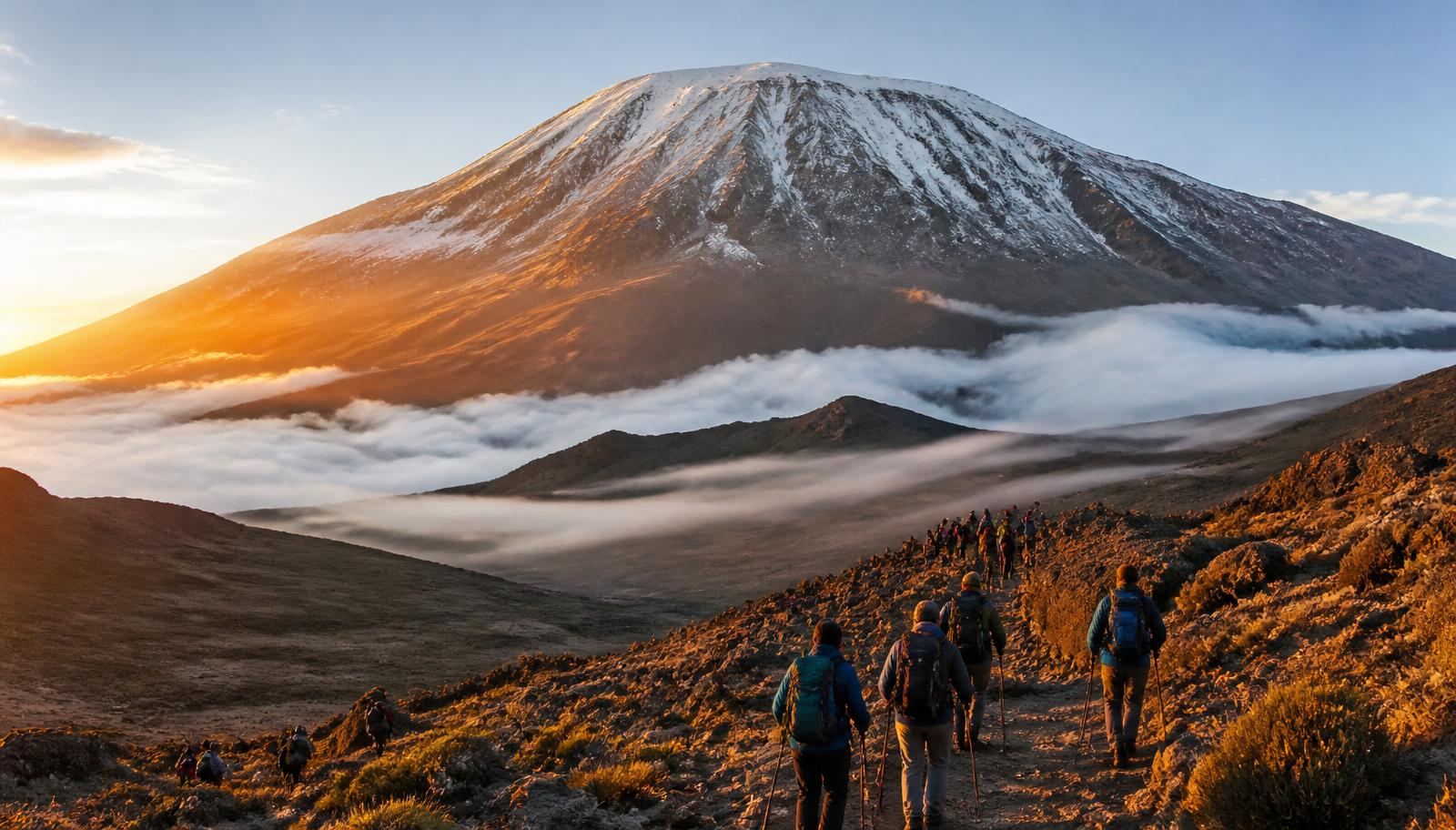
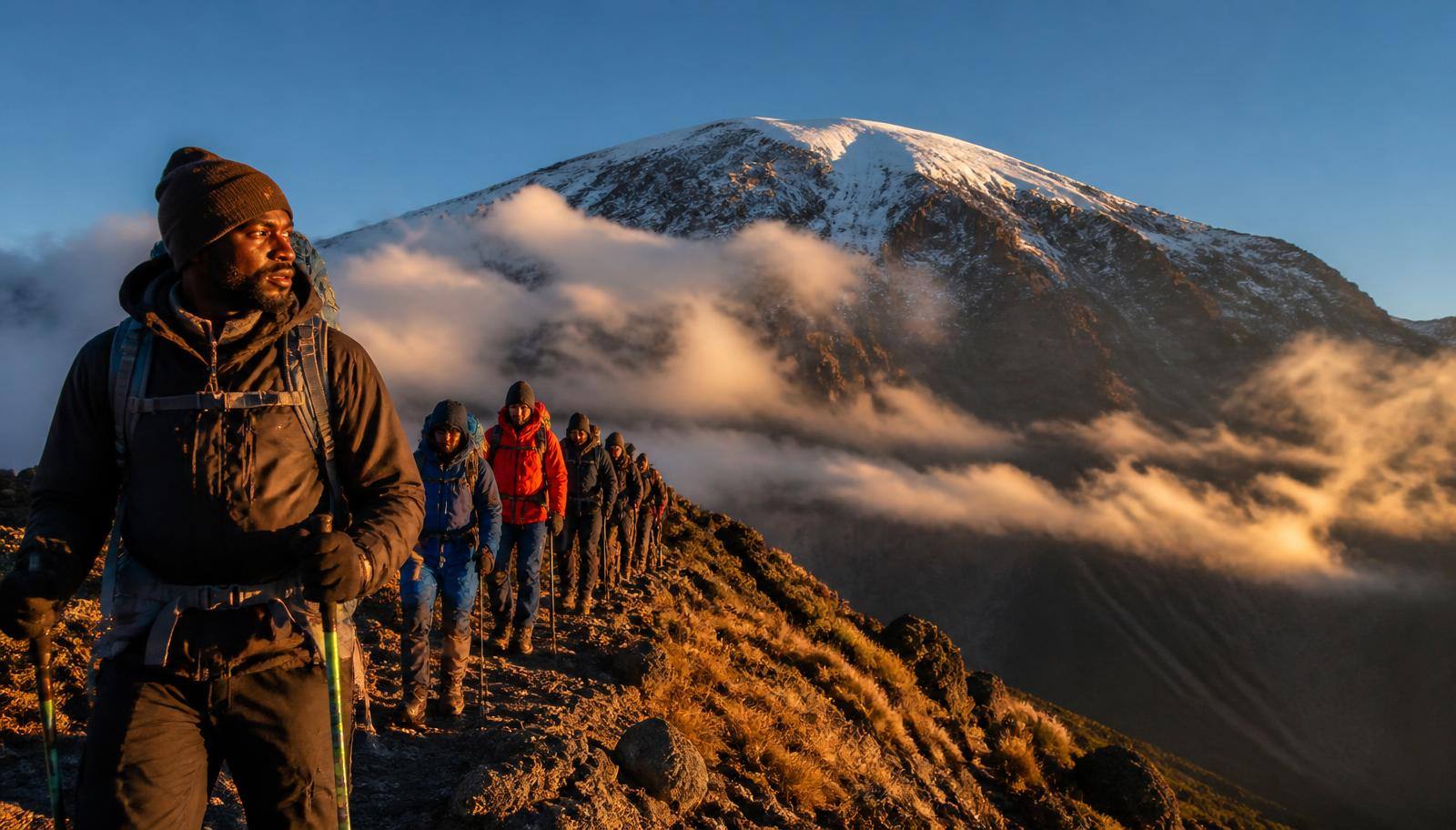
Kilimanjaro
Best Time to Climb Mount Kilimanjaro: Complete Month-by-Month Guide
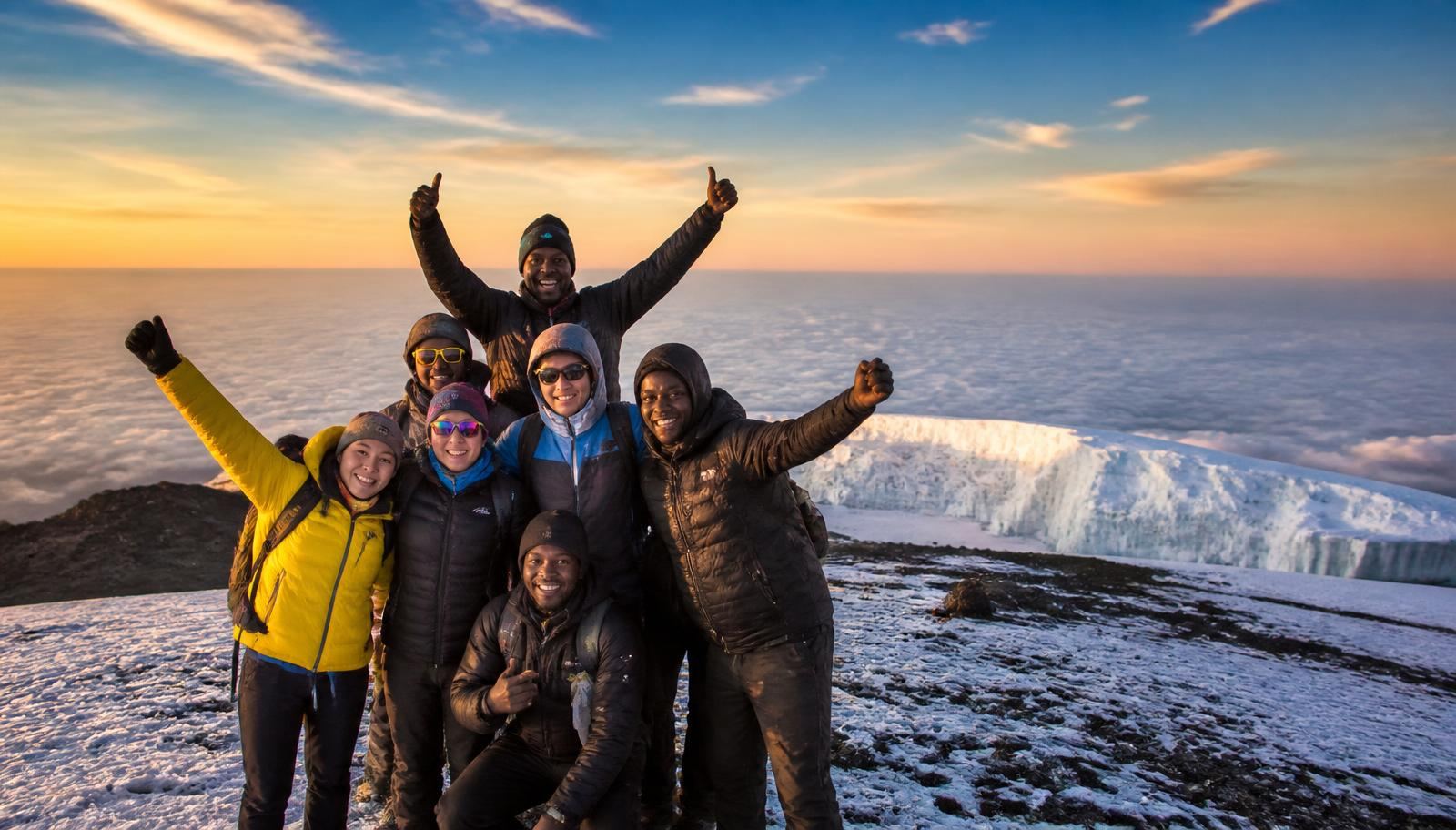
Kilimanjaro
Kilimanjaro Success Rate by Route: Choosing the Route That Maximizes Your Chances
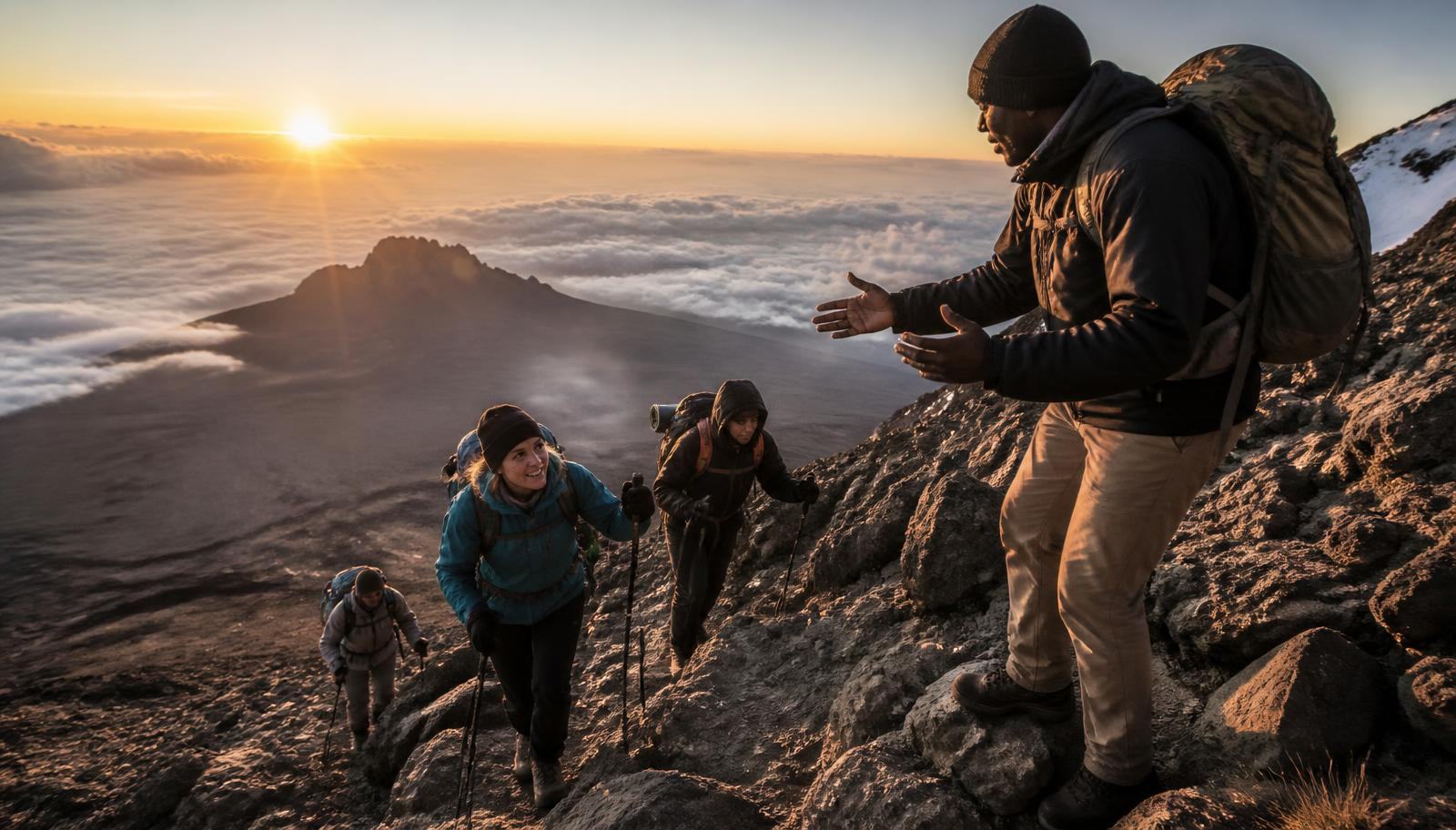
Kilimanjaro
How Difficult Is Mount Kilimanjaro? A Realistic Guide for First-Time Climbers
Plan Your Journey
Ready to explore Tanzania?
Let our Arusha-based safari specialists craft a private, tailor-made itinerary around you — no middlemen, no templates, just your perfect journey.
- TALA Licensed Operator
- 4.9 ★ Guest Rating
- No Booking Fees