
Kilimanjaro Climbing
Mount Kilimanjaro Packing List: The Complete Gear Checklist
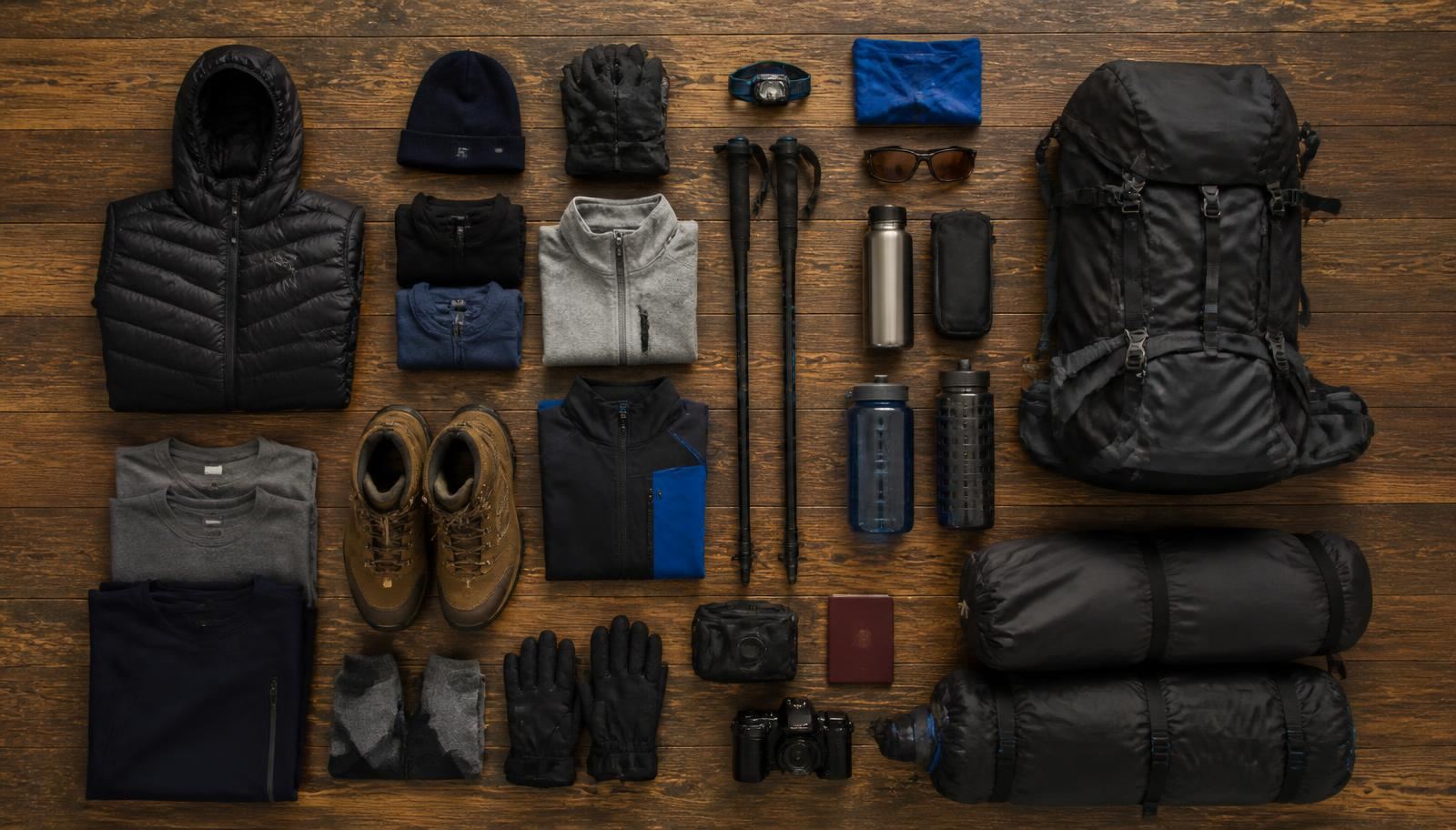
Every layer, every item, every gram — the packing list we hand our own clients in Moshi before they walk through the park gate.

Introduction
The evening before every climb, we do a kit check. Clients spread their gear across a hotel bed in Moshi and our lead guide goes through it item by item, pulling things out, sending things back to the store room, and sometimes making a quiet phone call to the rental shop down the road. It's the least glamorous part of the trip and it's probably the most important hour of the whole week.
I've been guiding on Mount Kilimanjaro for years, and I can usually tell within about ten minutes of a kit check how a climber's summit night is going to go. Not because of brand names — some of the best-prepared people I've walked with had entirely rented gear — but because of patterns. Cotton t-shirts. Brand-new boots with the price tag still attached. A three-season sleeping bag bought for European summer camping. One pair of gloves. No spare headlamp batteries. Each of those is a small thing on its own, and each of them has personally cost someone I know a summit.
Kilimanjaro is not a technical mountain. There are no ropes, no crampons, no mountaineering skills required. What makes it hard is that you walk from equatorial rainforest at 1,800 metres to Arctic conditions at 5,895 metres in less than a week, carrying only what you decided to pack from your living room floor, months earlier, thousands of kilometres away. Get that decision right and the mountain becomes a long beautiful walk. Get it wrong and you spend summit night shivering at 5,300 metres, unable to feel your fingers, watching the head torches ahead of you disappear.
This is the full Mount Kilimanjaro packing list we use with our own clients: what to bring, how many of each, what to leave at home, what to rent in Tanzania rather than buy, and how to pack it so you stay inside the park's 15-kilogram porter limit. It pairs with our Mount Kilimanjaro climbing guide for the bigger planning picture and with best time to climb Kilimanjaro for choosing dates — because when you climb changes some of what you carry.
Why Packing Correctly Matters
Roughly two-thirds of climbers who fail to reach Uhuru Peak turn back for reasons connected to altitude. But when we look at our own turnaround records, the picture is more nuanced than "altitude sickness." What actually happens is a chain: someone sleeps badly at 4,600 metres because their sleeping bag isn't warm enough, so they start summit night already exhausted; the exhaustion makes them slower; being slower means more hours in the cold; the cold makes them stop eating and drinking; and by the time the guide makes the call at Stella Point, they have a genuine case of acute mountain sickness that a warm night's sleep three days earlier might have prevented.
Gear doesn't get you up Kilimanjaro. Days on the mountain and a sensible pace do that — which is the argument we make in our Kilimanjaro routes comparison. But bad gear can absolutely take you off it. Here's what it looks like in practice.
Cold is a performance problem, not just a comfort problem
At -15 °C your body diverts blood away from your extremities and burns calories to maintain core temperature — calories you needed for the climb. Cold climbers stop drinking because taking a bottle out feels unbearable, and dehydration at altitude accelerates every symptom of AMS. On summit night, the difference between a climber wearing three torso layers and one wearing five is not comfort. It's whether they're still functioning at 5,700 metres.
Wet is worse than cold
The Kilimanjaro rainforest is genuinely tropical, and afternoon rain is normal even in the dry months. If your duffel isn't lined and your spare clothes get soaked on day one, you have nothing dry to change into for six nights. Cotton is the specific villain here: it absorbs many times its weight in water, loses all insulating value when wet, and simply will not dry in a tent at 3,900 metres. Every experienced guide on this mountain has a story about a client in a wet cotton t-shirt at Shira camp.
Feet decide the first half of the climb
Altitude gets the headlines, but blisters end more climbs in the first three days than anything else. New boots, thin socks, or boots that fit perfectly in a shop and half a size too small once your feet swell at altitude — all of these produce hot spots by day two, open blisters by day three, and a climber who is limping into Barranco before the hard part even begins.
Understanding Kilimanjaro Weather
You cannot pack sensibly for Kilimanjaro until you understand that you are not packing for one mountain. You're packing for five distinct ecological zones, stacked on top of each other, that you will pass through in sequence over five to nine days. The temperature drops roughly 1 °C for every 200 metres you gain, and by the time you're on the summit crater you're standing in permanent glacial ice three degrees south of the equator.
| Zone | Altitude | Temperature | Conditions | What you'll wear |
|---|---|---|---|---|
| Cultivation & rainforest | 1,800 – 2,800 m | 18 – 27 °C by day | Humid, frequent rain, muddy roots underfoot | Single base layer, rain shell within reach, gaiters |
| Heather & moorland | 2,800 – 4,000 m | 5 – 18 °C by day, near freezing at night | Bright sun, strong wind, big day–night swing | Base layer plus fleece, sun hat, sunglasses, sunscreen |
| Alpine desert | 4,000 – 5,000 m | -2 – 12 °C by day, -8 °C at night | Fierce UV, dust, dry cold wind, no shade | Two insulating layers, windproof shell, buff, liner gloves |
| Arctic / summit | 5,000 – 5,895 m | -7 °C by day, -15 to -25 °C on summit night | Extreme cold, wind chill, thin air, ice | Everything you own: base, fleece, down, shell, mittens |
Two things follow from that table. First, no single garment can cover a swing from +27 °C to -25 °C, which is why the layering system below is the backbone of this whole packing list. Second, your season matters. If you're climbing in the long rains of April and May or the short rains of November, add a second waterproof shell, extra dry bags and more spare socks than the list suggests — and read our Tanzania weather by month guide before you finalise anything.
Essential Clothing
Everything below is built on a four-layer system. Learn it once and the rest of your Kilimanjaro clothing decisions become obvious: base layer moves sweat off your skin, mid layer traps warm air, insulation layer holds heat when you stop moving, and shell layer blocks wind and rain. You adjust by adding and removing, not by owning one very warm coat.
Layer 1 — Base layers
Merino wool or synthetic, long-sleeve, snug but not compressive. Merino resists odour far better across six unwashed days, which matters more than you'd think in a two-person tent. Bring two long-sleeve tops and two pairs of base-layer bottoms, and designate one complete set as sleeping clothes that never get worn hiking. That dry set is one of the most effective sleep-quality upgrades on this entire list.
Layer 2 — Mid layers
A lightweight fleece (100- or 200-weight) for daily walking and a heavier fleece or synthetic-insulated jacket for camp and high altitude. Full-zip or half-zip is better than a pullover because you can dump heat on a climb without stopping to strip.
Layer 3 — Insulation
A proper down jacket, 600-fill power or better, with a hood. This lives in your duffel for the first few days and comes out at high camp and on summit night. It's the single most expensive item on the list and the most sensible thing to rent — a good rental down jacket in Moshi costs $20 to $40 for the whole climb.
Layer 4 — Waterproof shell
A hardshell jacket with a hood and taped seams, and waterproof over-trousers with full or three-quarter side zips so you can pull them on over your boots without a balancing act on wet rock. This layer doubles as your windproof on the summit push, where wind chill does far more damage than the air temperature alone.
Clothing checklist
- 2 × merino or synthetic long-sleeve base layer tops
- 3 × short-sleeve technical t-shirts (no cotton)
- 2 × base-layer bottoms (one set reserved for sleeping)
- 1 × lightweight fleece
- 1 × heavy fleece or synthetic insulated jacket
- 1 × down jacket with hood (600+ fill)
- 1 × waterproof hardshell jacket with taped seams
- 1 × waterproof over-trousers with side zips
- 2 × hiking trousers (convertible or softshell)
- 1 × fleece or insulated trousers for summit night
- 6 × underwear (quick-dry, plus sports bras as needed)
- 1 × warm beanie that covers the ears
- 1 × wide-brim sun hat or cap with neck cover
- 2 × buff or neck gaiter
- 1 × balaclava for summit night
- 1 × thin liner gloves (2 pairs preferred)
- 1 × insulated waterproof gloves
- 1 × expedition mittens for summit night
Footwear
If you take one thing from this Kilimanjaro gear list, take this: your boots are the only item where getting it wrong is guaranteed to hurt, and they're the item most people leave until last.
Hiking boots
You want mid- or high-cut boots with a waterproof membrane, a stiff-ish sole with genuine lugs (Vibram-type or equivalent), and enough ankle support to handle loose scree with a pack on. Buy half a size up from your street shoe size — feet swell measurably at altitude and on long descents your toes will slam into the toe box on every step. Try them on in the afternoon, wearing the exact socks you'll climb in.
Then break them in. Fifty kilometres of walking is our standard advice: hills if you have them, a loaded pack, and at least two long days. Boots that have never carried weight downhill are boots you haven't tested.
Socks
Four pairs of merino hiking socks, two pairs of thicker socks for high camp and summit night, and two pairs of thin liner socks if you're blister-prone. Liners work by moving friction from your skin to the sock interface. Change socks daily and dry the used pair inside your sleeping bag overnight — a trick every porter on this mountain knows.
Camp shoes and gaiters
Lightweight trainers or down booties to change into at camp, so your feet can breathe and recover after eight hours in boots. Gaiters keep scree, dust and rain out of your boot tops, and they matter more on Kilimanjaro than on most trekking peaks because of the volcanic gravel on the Barafu and Mweka descents.
Footwear checklist
- 1 × waterproof mid/high-cut hiking boots, broken in over 50+ km
- 1 × lightweight camp shoes or trainers
- 4 × merino hiking socks
- 2 × thick thermal socks for summit night
- 2 × liner socks (optional but recommended)
- 1 × pair of gaiters
- Blister kit: zinc-oxide tape, hydrocolloid plasters, small scissors
- Toe-nail clippers — cut nails short two days before you fly
Backpack & Duffel Bag
You carry two bags on Kilimanjaro, and the split between them shapes your entire day. Understanding this early prevents the most common packing mistake we see: putting something essential in the duffel and not seeing it again until 5 p.m.
| Bag | Weight limit | Typical | What goes in it |
|---|---|---|---|
| Porter duffel | 15 kg hard limit (weighed at the gate) | 11 – 13 kg | Sleeping bag, spare clothing, down jacket, toiletries, camp shoes |
| Your daypack | No limit, but keep under 7 kg | 5 – 6 kg loaded with water | Water, rain shell, fleece, snacks, camera, sunscreen, meds, documents |
| Hotel store-room bag | None | Whatever you like | Safari clothes, town shoes, laptop, valuables — left in Moshi or Arusha |
The porter duffel
Soft-sided, 70 to 90 litres, no wheels and no rigid frame — porters carry these on their head or shoulder and a wheeled suitcase is genuinely unsafe for them. Kilimanjaro National Park caps your duffel at 15 kilograms including the bag, and it is weighed at the gate in front of you. Line it with a heavy-duty dry bag or two thick bin liners even if the manufacturer calls it waterproof.
Your daypack
Twenty-eight to thirty-five litres, with a padded hip belt that transfers weight to your hips, a chest strap, and a rain cover. Everything you might need between breakfast and camp lives here: three litres of water, rain shell, an insulating layer, snacks, sunscreen, camera, medical pouch, documents and your headlamp. Loaded, it should sit around five to six kilograms.
Sleeping Gear
Sleep is your acclimatization. Every night on Kilimanjaro your body is doing the work of producing red blood cells and adjusting to lower oxygen, and a climber who sleeps four cold, broken hours at Barafu is a climber whose body never caught up.
Sleeping bag
Four-season, mummy-shaped, with a hood and a draft collar, and a comfort rating of -10 °C or colder. We recommend -15 °C for anyone who normally sleeps cold. Ignore the big number printed on the stuff sack — that's usually the "extreme" or "limit" rating, which describes survival, not sleep. Down packs smaller and weighs less; synthetic handles damp better and is the safer choice for April, May and November climbs.
Liner, mats and pillow
A fleece or silk liner adds three to five degrees of warmth and keeps the bag clean. We provide an inflatable sleeping mat on every Olympus Adventure climb; bring or rent a thin closed-cell foam mat to lay underneath it, because most heat loss at high camp goes downward into frozen ground, not upward into the air. An inflatable pillow weighs almost nothing and improves your sleep more than its weight suggests.
Sleeping gear checklist
- 1 × four-season sleeping bag, -10 °C comfort rating or colder
- 1 × fleece or silk sleeping bag liner
- 1 × closed-cell foam mat (to layer under the provided inflatable mat)
- 1 × inflatable pillow or stuff sack to fill with clothing
- 1 × dedicated dry sleeping set: base layer top, bottoms, thick socks
- 1 × pee bottle with a wide, secure lid (1 L, clearly marked)
- Earplugs and an eye mask
- 2 × chemical hand warmers to put in the foot of the bag at Barafu
Trekking Equipment
This is the practical hardware that makes the daily walking work. It's also the category where the most sensible advice is to rent locally rather than fly gear across the world.
Trekking poles
Adjustable, collapsible, ideally with snow baskets for the scree. Poles take roughly a fifth of the load off your legs going up and dramatically reduce the pounding on your knees during the descent from Uhuru — over 4,000 metres of downhill in a day and a half. Bring spare rubber tips.
Water system
Carry three litres minimum, split between a hydration bladder and two wide-mouth one-litre bottles. Above about 4,600 metres, bladder hoses freeze — this is the single most common summit-night equipment failure on Kilimanjaro. On summit night, leave the bladder behind and carry insulated bottles stored upside down, so any ice forms at the bottom rather than in the neck. Wide-mouth bottles are essential because narrow necks freeze shut first.
Headlamp
At least 200 lumens, with fresh batteries and a full set of spares kept warm inside your jacket. You'll use it every morning and evening in camp, and for six hours continuously on summit night. A cheap or failing headlamp on a dark scree slope is a genuine safety issue — this is not the place to save fifteen dollars.
Trekking equipment checklist
- 1 × pair of adjustable trekking poles + spare rubber tips
- 1 × 3 L hydration bladder with insulated hose sleeve
- 2 × 1 L wide-mouth bottles (Nalgene-style)
- 2 × insulated bottle sleeves for summit night
- 1 × headlamp, 200+ lumens, with 2 sets of spare batteries
- 4–6 × dry bags or heavy bin liners for the duffel
- 1 × small dry bag for phone, documents and power bank
- 1 × waterproof pack cover for the daypack
- 1 × lightweight sit pad (optional but excellent on breaks)
- 1 × pocket knife or multi-tool (checked luggage only)
- Water purification tablets as a backup (crew boil and filter all water)
Electronics
There is no mains power on Kilimanjaro. Some operators offer solar charging and some huts on Marangu have limited supply, but you should plan for six days entirely off grid, in cold that drains lithium batteries far faster than you expect.
- Power bank, 20,000 mAh or larger. One is the minimum; two if you're shooting a lot of video. Keep it in your sleeping bag at night — cold kills capacity, and a cold power bank will refuse to charge anything.
- Phone in airplane mode. You'll get patchy signal on several camps, but airplane mode plus occasional use will get you through the week. It also doubles as your camera and your backup torch.
- Camera and spare batteries. Carry spares against your body. A DSLR battery that reads full at camp can read empty at Stella Point if it spent the night in a side pocket.
- Universal adapter, Type D and G. Tanzania runs 230 V with British-style Type G and older Type D sockets. You'll need this in Moshi before and after the climb.
- Optional but useful: a small solar panel that straps to your daypack, a lightweight GPS watch with altimeter, and downloaded music or podcasts for summit night.
Personal Toiletries
You will not shower for the duration of your climb. Wash basins of warm water arrive at your tent morning and evening, and beyond that it's wet wipes and discipline. Keep this category small and in travel sizes — it's the easiest place to accidentally add two kilograms.
Toiletries checklist
- 2 × packs of biodegradable wet wipes (your daily shower)
- 1 × quick-dry microfibre towel, small
- Toothbrush, travel toothpaste, dental floss
- SPF 50 sunscreen, 100 ml minimum — UV is brutal above 4,000 m
- SPF 30+ lip balm, two of them, one always in a chest pocket
- Alcohol hand sanitiser (used before every meal, no exceptions)
- Toilet paper, two rolls, in a zip bag
- Deodorant, travel size
- Contact lens supplies plus a backup pair of glasses
- Small mirror and any personal grooming essentials
- Zip bags to pack out all your rubbish and used wipes
First Aid & Medications
Every Olympus Adventure climb carries a comprehensive first-aid kit, a pulse oximeter for twice-daily health checks, and bottled emergency oxygen. Your personal kit is not a replacement for that — it's the small everyday stuff you'll want within arm's reach in your daypack.
- Acetazolamide (Diamox). The standard acclimatization aid. Get it prescribed by your own doctor, and trial the dose at home first so you know how you react to the tingling fingers and increased urination.
- Painkillers. Ibuprofen and paracetamol. Altitude headaches are near-universal above 4,000 metres.
- Anti-nausea. Ondansetron or promethazine. Nausea at high camp stops people eating, and not eating is what ends summit nights.
- Stomach kit. Loperamide, oral rehydration salts, and a prescribed course of ciprofloxacin or azithromycin for travellers' diarrhoea.
- Throat lozenges and cough drops. The dry summit air produces the notorious "Kili cough" in a large share of climbers.
- Blister and wound care. Zinc-oxide tape, hydrocolloid plasters, antiseptic wipes, a small roll of gauze.
- Your regular prescriptions, in original labelled packaging, with a written note from your doctor, split between your daypack and duffel so a lost bag doesn't leave you without them.
Vaccinations, malaria prophylaxis and the yellow-fever certificate rules are a separate conversation — our Tanzania safari health guide covers all of it, including what you need if you're arriving from a yellow-fever endemic country.
Important Travel Documents
Documents are the one category where a mistake happens before you reach the mountain, and it's usually irreversible on the day. Photograph everything, email yourself copies, and carry paper as well.
- Passport, valid for at least six months beyond your arrival date, with at least two blank pages.
- Tanzania eVisa printout. Apply online in advance rather than relying on visa on arrival; our Tanzania visa guide walks through the application, the costs and the multiple-entry rule that catches out American passport holders.
- Travel insurance certificate showing trekking cover to 6,000 metres and helicopter evacuation. Print it. Rescue services and our office will both ask for it.
- Vaccination records, including a yellow-fever certificate if you're arriving via an endemic country.
- US dollars in cash for tips — bills printed in 2009 or later, in good condition. Tipping is done as a group at the end of the climb and cannot be paid by card on the mountain.
- Copies of everything, stored in a separate bag and in cloud storage, plus emergency contact details written on paper.
Snacks & Hydration
Your crew feeds you extremely well — three cooked meals a day, soup at every stop, popcorn and tea in the afternoon. What they can't provide is the specific thing you'll actually want to eat at 5,400 metres when your appetite has vanished and everything tastes like cardboard. That's why we ask every client to bring personal snacks.
- High-calorie, familiar, easy to chew. Energy bars, trail mix, salted nuts, dried mango, chocolate, boiled sweets, jerky. Bring more variety than volume — appetite fatigue is real by day four.
- Electrolyte tablets or powder. You'll drink four litres a day and lose a lot of salt. Plain water alone leaves you feeling flat and worsens headaches. Flavoured sachets also help when you're sick of the taste of boiled stream water.
- Ginger sweets or ginger tea bags. Cheap, light, and genuinely effective against altitude nausea.
- Four litres a day, minimum. Dehydration mimics and amplifies every symptom of altitude sickness. If your urine isn't pale, you're behind.
Items You Should NOT Bring
Half of good packing is subtraction. These are the things we most often send back to the hotel store room at the kit check.
- Anything cotton. T-shirts, jeans, socks, underwear, hoodies. It holds sweat, freezes, and won't dry.
- Brand-new boots. If they arrived in the last month and you haven't walked 50 km in them, they're a liability.
- Hard-shell suitcases and wheeled bags. Porters cannot carry them safely. Soft duffel only.
- Drones. Flying a drone in Kilimanjaro National Park requires permits that are difficult and expensive to obtain, and unlicensed drones are confiscated at the airport.
- Plastic bags. Tanzania banned single-use plastic carrier bags in 2019 and they are taken at immigration. Use dry bags or reusable zip bags instead — the resealable zip bags used for toiletries are exempt.
- Jewellery, laptops and valuables. Leave them in the hotel safe. There is nothing on the mountain they're useful for.
- Excess clothing. Nobody changes outfits on Kilimanjaro. You'll wear the same trousers for six days and it's completely normal.
- Heavy books, camp chairs, big tripods. Every one of these has appeared at a kit check. All of them add weight to somebody else's load.
Renting Equipment in Tanzania
Renting is normal, sensible and used by a large share of our clients. Moshi and Arusha both have proper rental shops, and we lay out your rental kit at the hotel the evening before departure so you can try everything on while there's still time to swap sizes.
| Item | Typical rental cost | Rent or buy? |
|---|---|---|
| Four-season sleeping bag (-15 °C) | $20 – $35 | Rent — bulky and rarely reused |
| Down summit jacket | $20 – $40 | Rent unless you own a good one |
| Waterproof over-trousers | $10 – $20 | Rent |
| Trekking poles (pair) | $10 – $20 | Rent |
| Gaiters | $5 – $15 | Rent |
| 70–90 L duffel bag | $10 – $20 | Rent |
| Sleeping mat | $10 – $20 | Usually included — confirm |
| Hiking boots | $20 – $30 | Never rent — bring your own |
| Base layers, socks, gloves | $5 – $15 | Never rent — buy at home |
| Headlamp | $5 – $10 | Buy — you need it to be reliable |
A full rental package — sleeping bag, down jacket, over-trousers, poles, gaiters and duffel — typically lands between $80 and $150 for the whole climb. Compared with buying the same items new, that's a saving of well over a thousand dollars for someone who will climb once.
Three practical rules. Send your rental list at booking, not on arrival, so sizes are reserved. Inspect everything yourself — check zips, hood drawcords, and whether a down bag still has loft when you shake it out. And never rent boots.
Printable Packing Checklist
Here is the complete Kilimanjaro trekking checklist in one place. Work through it twice: once when you buy and rent, and once the night before you fly.
Clothing
- 2 × base layer tops (merino/synthetic)
- 2 × base layer bottoms
- 3 × technical t-shirts
- 1 × lightweight fleece
- 1 × heavy fleece or insulated mid-jacket
- 1 × down jacket with hood
- 1 × waterproof hardshell jacket
- 1 × waterproof over-trousers
- 2 × hiking trousers
- 1 × fleece/insulated trousers
- 6 × quick-dry underwear
- Beanie, sun hat, 2 × buff, balaclava
- Liner gloves, insulated gloves, expedition mittens
Footwear
- Broken-in waterproof hiking boots
- Camp shoes
- 4 × hiking socks, 2 × thermal socks, 2 × liner socks
- Gaiters
- Blister kit and toe-nail clippers
Sleeping
- Four-season sleeping bag (-10 °C comfort or colder)
- Sleeping bag liner
- Closed-cell foam mat
- Inflatable pillow
- Dry sleeping set (top, bottoms, thick socks)
- Earplugs, eye mask, hand warmers, pee bottle
Bags & trekking equipment
- 70–90 L soft duffel (max 15 kg packed)
- 28–35 L daypack with hip belt and rain cover
- Dry bags / heavy bin liners
- Trekking poles + spare tips
- 3 L hydration bladder
- 2 × 1 L wide-mouth bottles + insulated sleeves
- Headlamp + 2 sets of spare batteries
- Sit pad, multi-tool, purification tablets
Electronics
- 20,000 mAh+ power bank (×2 for photographers)
- Phone and charging cables
- Camera and spare batteries
- Universal adapter (Type D / G, 230 V)
- Optional: solar charger, GPS watch, downloaded playlists
Toiletries & medical
- Biodegradable wet wipes, quick-dry towel
- Toothbrush, toothpaste, deodorant, toilet paper
- SPF 50 sunscreen, SPF lip balm × 2, hand sanitiser
- Diamox (prescribed), ibuprofen, paracetamol
- Anti-nausea, loperamide, ORS, antibiotics
- Throat lozenges, antiseptic wipes, tape and plasters
- Personal prescriptions in labelled packaging
Documents, money & snacks
- Passport (6 months validity) + copies
- Tanzania eVisa printout
- Insurance certificate with 6,000 m and evacuation cover
- Vaccination / yellow-fever certificate if required
- USD cash for tips (2009 or newer bills)
- Energy bars, trail mix, sweets, jerky, dried fruit
- Electrolyte tablets and ginger sweets
Complete Equipment Checklist Table
Use this table for a fast pre-departure audit — quantities, what's rentable in Moshi, and what's genuinely essential versus nice to have.
| Category | Items | Quantity | Rentable in Moshi? | Priority |
|---|---|---|---|---|
| Head & face | Warm beanie, sun hat or cap, buff/neck gaiter, balaclava, category 4 sunglasses, headlamp + spare batteries | 1 of each, 2 buffs | Headlamp — buy | Essential |
| Upper body | Merino/synthetic long-sleeve base layers, short-sleeve tops, light fleece, heavy fleece, down jacket, waterproof shell | 2 / 3 / 1 / 1 / 1 / 1 | Down jacket, shell | Essential |
| Lower body | Base-layer bottoms, hiking trousers, fleece/insulated trousers, waterproof over-trousers, underwear | 2 / 2 / 1 / 1 / 6 | Over-trousers, insulated trousers | Essential |
| Hands | Thin liner gloves, insulated waterproof gloves, expedition mittens, hand warmers | 2 / 1 / 1 / 4 pairs | Mittens | Essential |
| Feet | Waterproof mid/high hiking boots, camp shoes, hiking socks, thick summit socks, liner socks, gaiters | 1 / 1 / 4 / 2 / 2 / 1 | Gaiters only | Essential |
| Sleeping | Four-season sleeping bag (-10 to -15 °C comfort), sleeping bag liner, inflatable mat, closed-cell foam mat, inflatable pillow | 1 of each | Bag, mats | Essential |
| Bags | 70–90 L soft duffel, 28–35 L daypack with rain cover, dry bags/bin liners, small day dry bag | 1 / 1 / 4–6 / 1 | Duffel | Essential |
| Trekking gear | Adjustable trekking poles, 3 L hydration bladder, 2 × 1 L wide-mouth bottles, insulated bottle sleeves, pee bottle | 1 pair / 1 / 2 / 2 / 1 | Poles | Essential |
| Electronics | Power bank 20,000 mAh+, phone, charging cables, camera + spare batteries, universal adapter (Type D/G) | 1–2 / 1 / 2 / 1 / 1 | No | Recommended |
| Toiletries | Biodegradable wet wipes, quick-dry towel, toothbrush/paste, SPF 50 sunscreen, SPF lip balm, hand sanitiser | Travel sizes | No | Essential |
| Medical | Diamox, painkillers, anti-nausea, loperamide, ORS sachets, antibiotics, blister kit, throat lozenges | Personal kit | No | Essential |
| Documents & money | Passport, eVisa printout, insurance certificate with evacuation cover, vaccination records, USD cash for tips | 1 set + copies | No | Essential |
How We Pack Our Own Clients
A few habits separate a smooth climb from a stressful one, and none of them cost anything.
- Pack by day, not by category. Roll each day's clothing into its own labelled dry bag. At 4,600 metres, in the dark, in a tent, you do not want to be excavating a duffel.
- Prepare your summit bag on day one. Keep summit-night items — mittens, balaclava, thermal socks, insulated bottles, hand warmers, snacks — in one dedicated bag from the start.
- Carry your climb kit in hand luggage. Boots, base layers, medication and documents go in your carry-on. Delayed luggage into Kilimanjaro International happens often enough that we plan for it, and boots that fit cannot be replaced on 24 hours' notice.
- Weigh your duffel at home. Bathroom scales, fully packed, before you fly. Aim for 12 kilograms and you'll never have a gate problem.
- Come to the kit check with everything. Including the things you're unsure about. It's a free, hour-long consultation with someone who has walked to Uhuru Peak dozens of times, and the rental shop is still open afterwards.
If you're combining your climb with a safari afterwards, note that the two packing lists barely overlap — safari needs neutral colours, light layers and a good camera, not thermal mittens. Our Tanzania safari packing list covers that side, and your hotel in Moshi or Arusha will store your safari bag free of charge while you're on the mountain.
Common Questions
Frequently Asked Questions
You need two bags. Your daypack should be 28 to 35 litres — big enough for three litres of water, your rain shell, an insulating layer, snacks, camera, sunscreen and a first-aid pouch, but small enough that you're not tempted to overload it. A 30-litre pack with a proper hip belt, a chest strap and a rain cover is the sweet spot; anything under 25 litres leaves you strapping things to the outside, and anything over 40 litres invites you to carry weight you don't need. Your second bag is the porter duffel, 70 to 90 litres, soft-sided and without wheels or a rigid frame because porters carry it on their head or shoulders. Park rules cap that duffel at 15 kilograms including the weight of the bag itself, and it's weighed at the gate. On summit night your daypack should be almost empty apart from water in an insulated bottle, snacks and a spare layer.
Yes, and for several items it's the smart choice. Moshi and Arusha have well-stocked rental shops, and any reputable operator, ourselves included, will lay out rental kit for inspection the evening before your climb. The items most worth renting are the expensive, bulky ones you'll never use again: a four-season down sleeping bag rated to -10°C or colder, a summit down jacket, waterproof over-trousers, gaiters, trekking poles, a duffel bag and a sleeping mat. Typical rental prices run from about $10 to $30 per item for the whole climb. What you should not rent is anything that touches your skin or shapes to your body: boots, socks, base layers, gloves and your headlamp. Rented boots cause blisters, and blisters cause turnarounds. Tell your operator your rental list at booking so the right sizes are set aside, and always inspect zips, hoods and bag loft yourself before you leave town.
Think in four layers rather than in garment counts. Layer one is a moisture-wicking base — two merino or synthetic long-sleeve tops and two pairs of base-layer bottoms, one set kept clean and dry for sleeping only. Layer two is insulation: a lightweight fleece plus a heavier fleece or a synthetic mid-jacket. Layer three is a serious down jacket, only worn at high camp and on summit night. Layer four is your waterproof shell, jacket and trousers, which also functions as your windproof layer. On summit night you'll wear all four on your torso and three on your legs. On day two in the rainforest you'll walk in a single base layer and sweat through it. That's the point of layering: Kilimanjaro takes you through five climate zones, sometimes in the same afternoon, and no single garment can cover a 40-degree temperature swing.
Yes. Poles are the single most underrated piece of Kilimanjaro equipment and we recommend them without reservation to every client, including young, fit climbers who insist they don't need them. Going up, poles transfer roughly 20 to 25 percent of the load off your legs onto your arms and steady you on loose volcanic scree. Coming down is where they matter most: the descent from Uhuru Peak to Mweka is more than 4,000 metres of downhill in a day and a half, almost all of it on scree and rock steps, and that pounding is the reason many climbers finish with wrecked knees. Bring a pair of adjustable, collapsible aluminium or carbon poles with snow baskets for the scree, and pack a spare set of rubber tips. If you don't own poles, rent them in Moshi for around $10 to $20 for the whole climb.
A four-season bag with a comfort rating of at least -10°C, and we prefer -15°C for climbers who sleep cold. Nights at Barafu and Kosovo camps sit between -5°C and -15°C inside the tent, and manufacturers' 'limit' ratings are survival numbers, not comfort numbers — read the comfort rating and ignore the marketing figure on the stuff sack. Down bags pack smaller and weigh less, which matters for your 15 kg duffel allowance; synthetic bags cope better with damp, which matters in the rainforest and in April, May and November. Mummy shape with a hood and a draft collar, always. Add a fleece or silk liner for an extra few degrees and easier washing, and pack a small closed-cell foam mat to layer under the inflatable mat your operator supplies. Renting a good bag in Moshi costs around $20 to $30 and saves you carrying one across the world for six nights.
Not for the climb itself. Kilimanjaro's trails include wet rainforest roots, loose volcanic scree, angled rock slabs and long descents with a pack on — terrain that demands ankle support, a stiff sole and a waterproof membrane. Running shoes give you none of those, and a rolled ankle at 4,600 metres is a helicopter conversation, not an inconvenience. What you want is a mid- or high-cut waterproof hiking boot with a Gore-Tex style membrane and a Vibram-type sole, broken in over at least 50 kilometres of walking before you fly. That said, running shoes or lightweight trail shoes do have a place: pack a pair as your camp shoe so your feet can breathe in the evening, and some climbers wear them for the final gentle descent through the forest to Mweka Gate. Just never make them your primary footwear.
Bring a personal medical kit rather than relying on the crew's, even though every Olympus Adventure climb carries a comprehensive first-aid kit, a pulse oximeter and bottled oxygen. The core list: acetazolamide (Diamox) for acclimatization, prescribed by your own doctor with the dose trialled at home first; ibuprofen and paracetamol for altitude headaches and general aches; anti-nausea tablets such as ondansetron or promethazine; loperamide and an oral rehydration salt for stomach upsets; a broad-spectrum antibiotic like ciprofloxacin or azithromycin prescribed for travellers' diarrhoea; throat lozenges for the dry-air 'Kili cough'; and your malaria prophylaxis, which matters in Moshi and on safari rather than on the mountain itself. Add blister plasters, zinc-oxide tape, antiseptic wipes, lip balm with SPF 30+ and high-factor sunscreen. Keep everything in your daypack, in original labelled packaging, along with a written note of your prescriptions. Our full guidance sits in the Tanzania safari health guide.
Kilimanjaro National Park limits each porter to 20 kilograms of total load, of which a maximum of 15 kilograms is your personal duffel — the remaining five is the porter's own kit, food and tent equipment. Duffels are weighed at the park gate, and if yours is over you'll be repacking on the tarmac while everyone waits, or paying for an additional porter. Fifteen kilograms is genuinely plenty when you pack correctly; most of our clients come in between 11 and 13 kilograms. That limit exists for a reason. Porter welfare on Kilimanjaro has a difficult history, and the weight caps, wage floors and equipment standards set by the park and by KPAP are there to protect the people who make your climb possible. When you compare operators, ask directly how many porters they assign, what they pay per day and whether porters have their own tents, sleeping bags and boots — the answer tells you more about a company than any brochure.
Conclusion
Kilimanjaro rewards preparation more than it rewards fitness. The climbers who reach Uhuru Peak are rarely the strongest in the group — they're the ones whose boots fit, whose gloves are warm enough, whose sleeping bag lets them rest at Barafu, and who kept their water from freezing on summit night. Pack from this list, break in your boots, rent the bulky items in Moshi, and let your guide check your bag before you go up. Get the kit right and the mountain becomes what it should be: a long, beautiful walk into thin air.
Buy the boots first and start walking in them this week. Everything else on this list can be bought, borrowed or rented in the final month — but boots take time, and time is the one thing you can't rent in Moshi.
Ready to Climb Kilimanjaro?
Olympus Adventure is a Tanzanian-owned company based in Arusha, and we run Kilimanjaro climbs on every major route with our own guides, cooks and porters. When you book with us you get a full pre-departure gear consultation, a rental list matched to your kit, an in-person kit check the night before you walk through the gate, and a route recommendation based on your dates, fitness and altitude history rather than on what we happen to be selling that month.
Tell us when you want to climb and what's already in your cupboard. We'll send back a personalised packing list, a rental quote, and an honest recommendation on the route and number of days that give you the best chance of standing on Uhuru Peak at sunrise.
Keep Reading
More Kilimanjaro Guides
Kilimanjaro
Mount Kilimanjaro Climbing Guide: Everything You Need Before Your Adventure
Kilimanjaro
Best Time to Climb Mount Kilimanjaro: Complete Month-by-Month Guide
Kilimanjaro
Kilimanjaro Success Rate by Route: Choosing the Route That Maximizes Your Chances
Kilimanjaro
How Difficult Is Mount Kilimanjaro? A Realistic Guide for First-Time Climbers
Plan Your Journey
Ready to explore Tanzania?
Let our Arusha-based safari specialists craft a private, tailor-made itinerary around you — no middlemen, no templates, just your perfect journey.
- TALA Licensed Operator
- 4.9 ★ Guest Rating
- No Booking Fees