Safari Planning
Tanzania Safari for First-Time Visitors: A Practical Beginner's Guide
What a first Tanzania safari is actually like — how the days are shaped, how long to go for, what a quote covers, what to pack, and the decisions that make the biggest difference before you book.

Most people planning a first safari are not short of inspiration. They are short of a clear picture of how the week actually works: what time the day starts, how long they will sit in a vehicle, whether the lodge has hot water, how much of the quote is fixed cost, and what happens if the animals simply are not where everyone hoped.
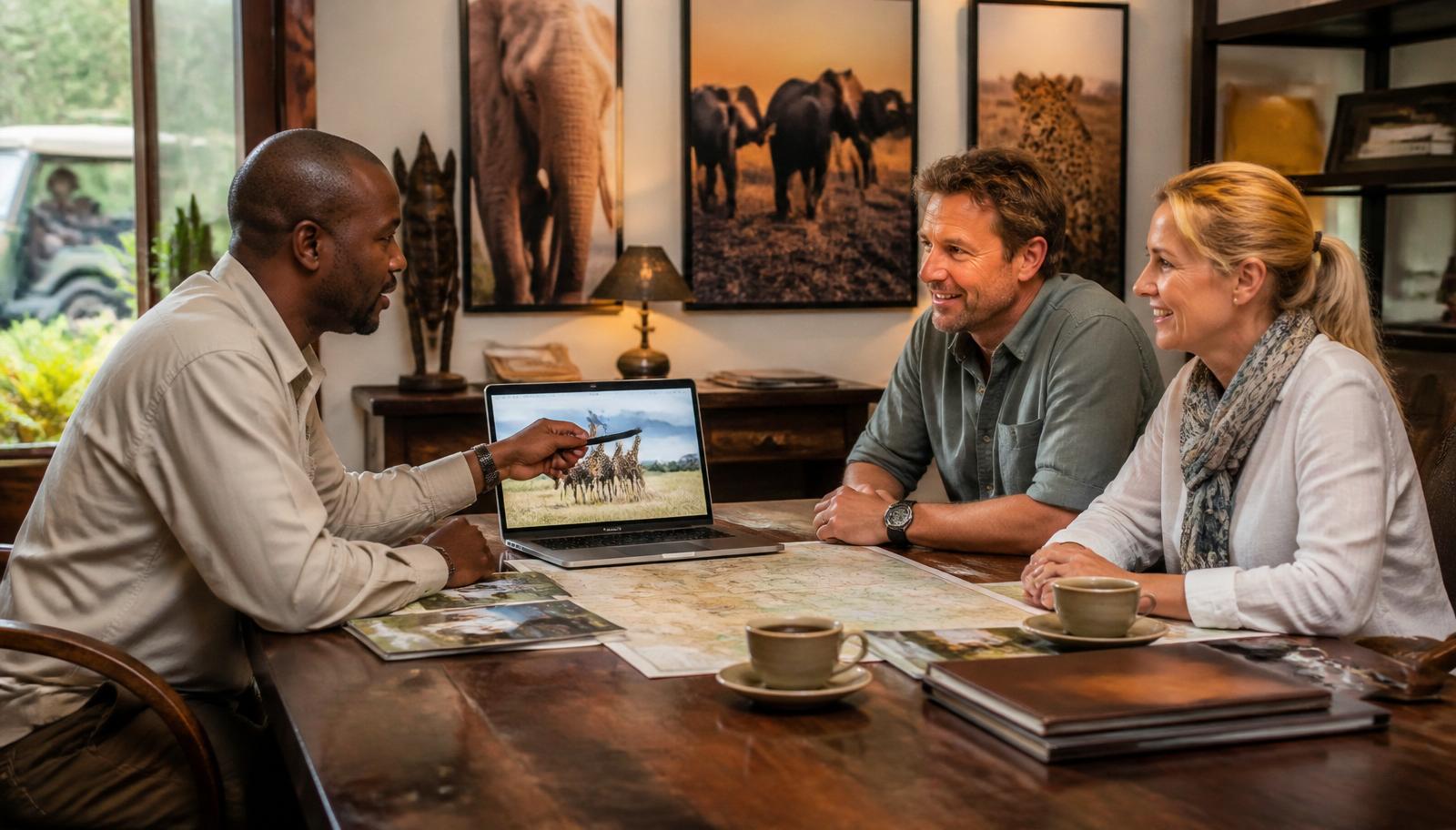
This guide answers those questions in the order they usually come up when we sit down with clients in Arusha. It stays deliberately focused on the first safari — how to prepare for it and how to approach it. Where a topic has its own detailed guide on this site, such as timing, cost or packing, you will find a link rather than a compressed summary.
What a Tanzania Safari Is Actually Like
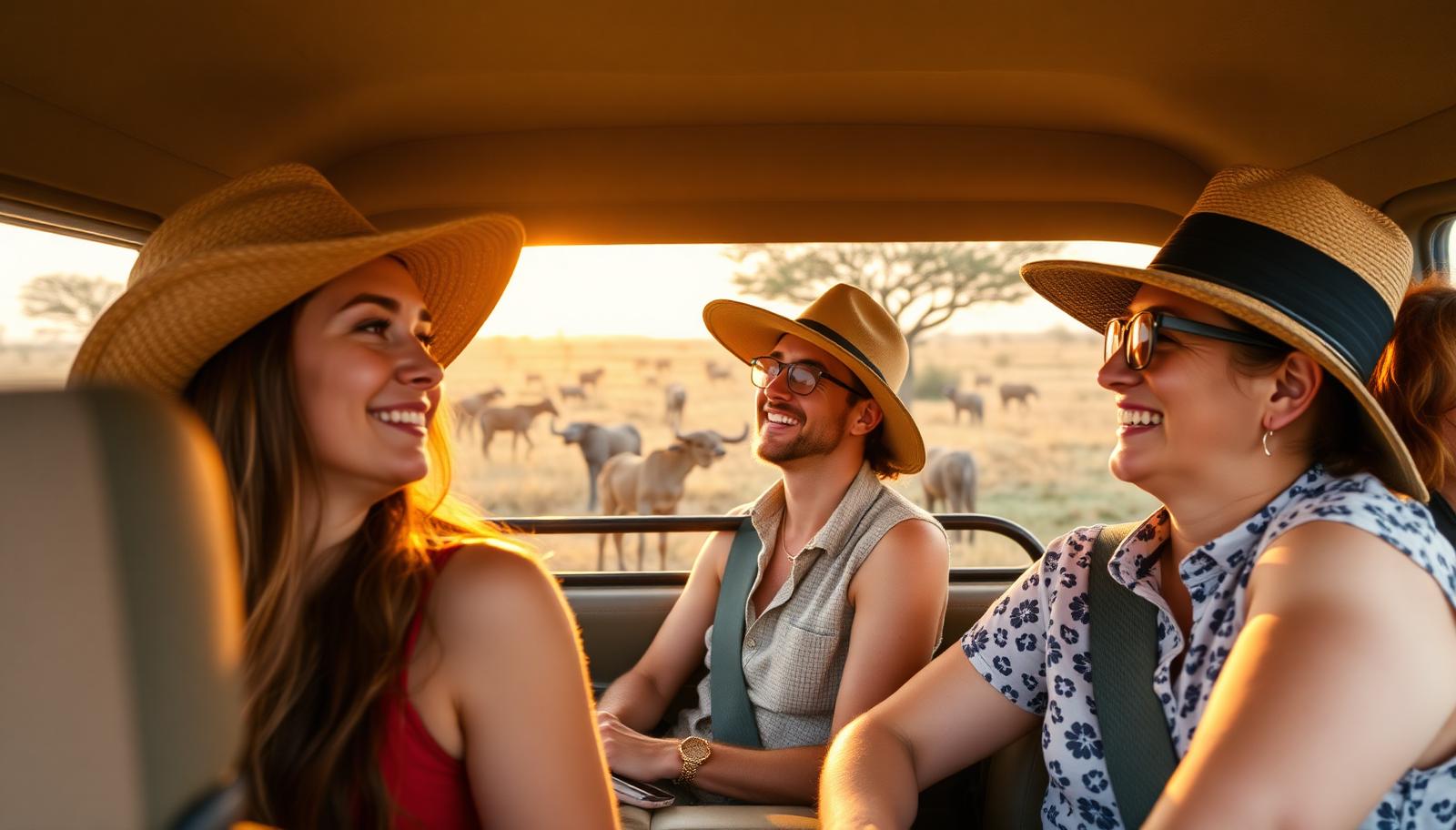
A safari is a routine more than an adventure sport. You wake before sunrise, drive slowly through a park with a guide who is reading tracks and bird alarm calls, stop when something is worth stopping for, return for lunch and a break, and go out again in the late afternoon. Repeat that for six days and you will have seen more than most documentaries show, in a rhythm that becomes surprisingly restful by day three.
The parts that catch first-time visitors off guard are usually physical rather than emotional. Mornings are cold in an open vehicle. Roads are rough enough that a two-hour transfer feels longer than it sounds. Dust gets into everything during the dry season. Signal disappears for stretches. None of this is a problem once you expect it, and every one of these details can be planned around.
| Time | What happens | Worth knowing |
|---|---|---|
| 5:45 – 6:15 | Wake-up call, coffee and a biscuit at camp. | Cold at this hour, especially on the Ngorongoro rim. Dress in layers you can shed by nine. |
| 6:30 | Vehicle leaves for the morning drive. | The first two hours are usually the most active of the day for predators. |
| 9:30 – 10:30 | Coffee or breakfast stop in the bush. | Guides pick a spot with visibility. Restroom options are basic or non-existent. |
| 12:30 – 14:00 | Return to camp for lunch, or a packed picnic lunch in the park. | Full-day drives use a lunch box; half-day drives return to the lodge. |
| 14:00 – 16:00 | Rest at camp: shower, nap, pool, charge batteries. | Midday heat flattens animal activity, so this is not wasted time. |
| 16:00 – 18:30 | Afternoon game drive. | Light softens after five. Parks have strict gate and return times. |
| 19:30 onward | Dinner, sometimes a fireside drink, early night. | Most guests are asleep by ten because the next call comes before six. |
Timings shift by camp, park regulations and season, and your guide will adjust the plan when a sighting is worth staying with. Treat the table as a template rather than a schedule.
How to Choose Your First Safari
Four decisions account for most of the difference between two trips of the same length and price: the circuit, the number of days, whether the vehicle is private, and where the camps sit relative to the wildlife. Everything else — thread count, plunge pools, wine lists — matters less than travelers expect once the week is underway.
Start with the circuit, not the lodge
The northern circuit is the sensible default for a first safari. The parks are close together, the road from Arusha is paved for the first stretch, there are airstrips if you want to shorten the return, and the landscape changes enough across a week that the days do not repeat. The southern and western parks are wilder and quieter, but they suit travelers who already know what they enjoy on safari. Our guide to the northern circuit covers the routing in detail.
Private vehicle versus a shared departure
On a shared departure you travel with five or six other guests on a fixed schedule. It is cheaper, and for sociable travelers it can be enjoyable. But the group decides when to leave a sighting, and someone always wants something different. A private vehicle costs more per person in a small party, and it is the upgrade we recommend before any lodge upgrade, because it affects every hour of every day.
Choose an operator you can hold accountable
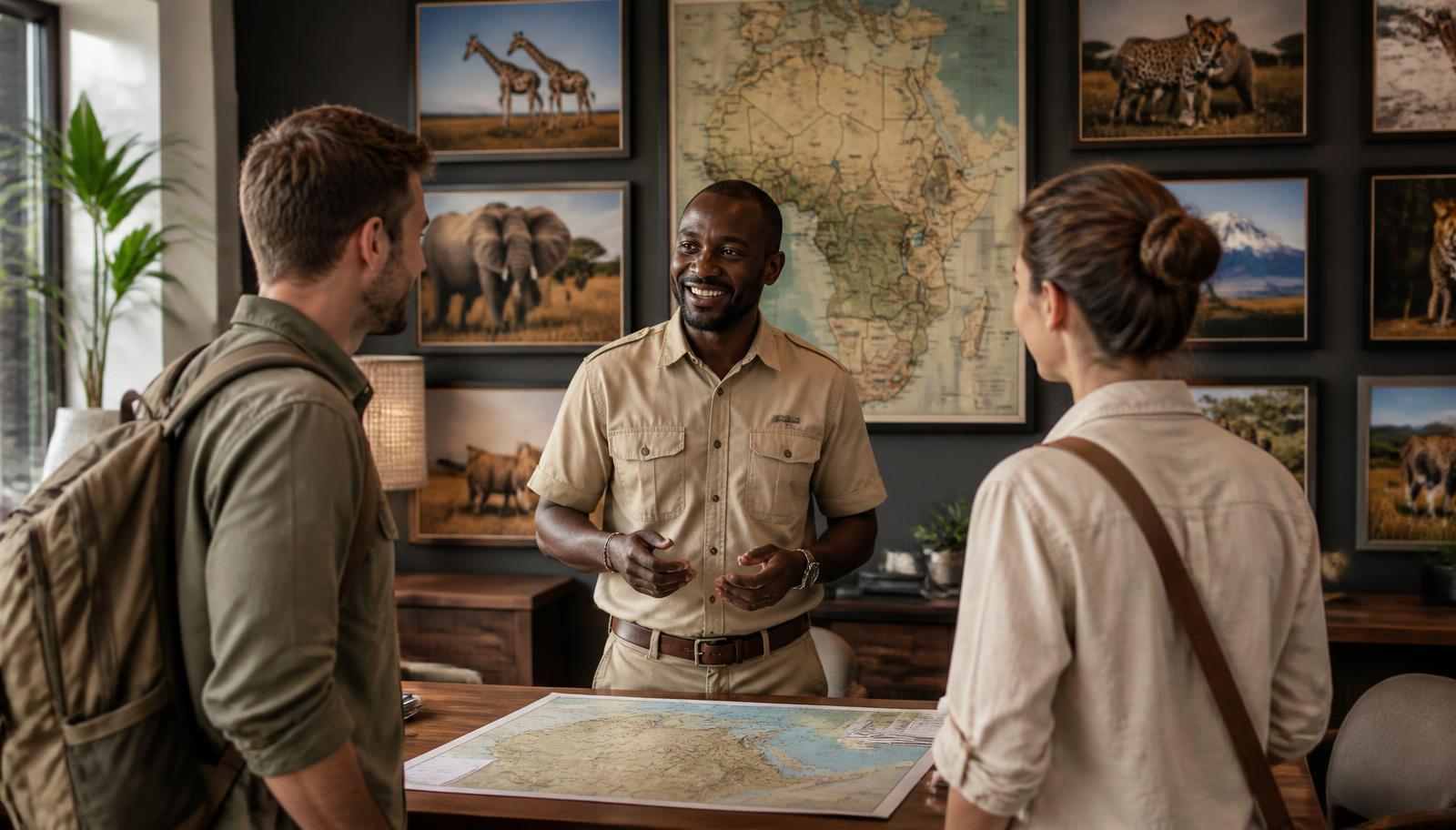
Ask who employs your guide, how many years they have been guiding, whether the vehicle is owned or subcontracted, and what happens if a camp changes hands before you arrive. A licensed, locally based operator can answer those questions specifically. Anyone who cannot is reselling someone else's itinerary. It is also worth reading how luxury and mid-range safaris actually differ before deciding where your money goes.
How Many Days You Need
Count game-drive days, not total days. A seven-day trip that includes two travel days is a five-day safari. Most first-time visitors are happiest with six to eight days on the ground, which allows three nights in the Serengeti and a full day in the Ngorongoro Crater without a punishing transfer schedule.
| Length | Realistic itinerary | Who it suits |
|---|---|---|
| 3 days | Tarangire plus the Ngorongoro Crater, or Manyara plus the crater. | An add-on to Kilimanjaro or Zanzibar. Not enough on its own for a first safari. |
| 5 days | Tarangire, the crater and two nights in the central Serengeti. | Travelers with a tight window who accept one long transfer day. |
| 7 days | Tarangire, crater, three nights Serengeti, one flight leg. | The most common first safari, and the length we recommend most often. |
| 9–10 days | The same circuit with a second Serengeti region or a slower pace. | Photographers, migration timing, or anyone who dislikes rushing. |
| 12–14 days | Safari plus four or five nights in Zanzibar. | Long-haul travelers who want the trip to end with rest rather than transit. |
If your dates are fixed and short, reduce the number of parks rather than the nights in each one. Two parks done well beat four seen through a windshield. For worked examples by length, see our comparison of Tanzania safari itineraries.
Which Parks Should You Visit?
First safaris usually combine three or four northern parks. The choice is less about which park is best and more about what each one contributes to the week, and how the season affects it.
| Park | What it contributes | First-timer advice |
|---|---|---|
| Serengeti | Open plains, high predator density, and the migration herds for much of the year depending on region. | Three nights minimum. Choose the region by season rather than by name recognition. |
| Ngorongoro Crater | A contained caldera floor with an unusually wide range of large mammals in a small area. | One full descent day. Bring warm layers for the rim mornings and expect other vehicles. |
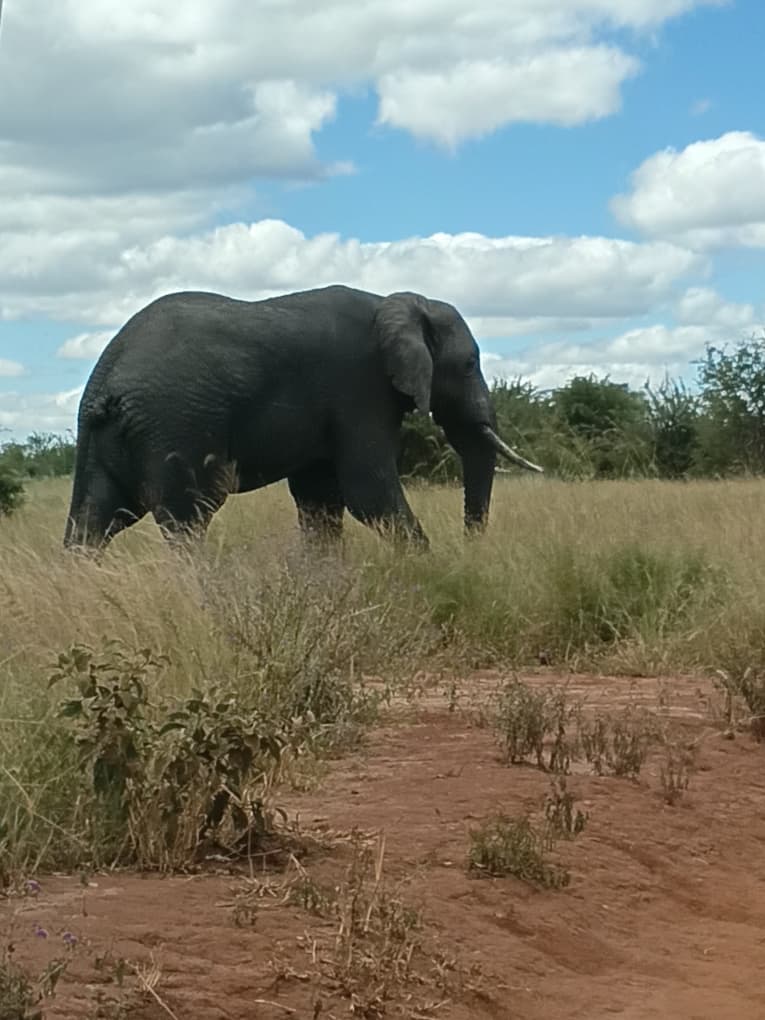
| Tarangire | Baobab country with strong dry-season elephant and buffalo concentrations along the river. | A good opening park, close to Arusha, and easy on the first day of a trip. |
| Lake Manyara | Groundwater forest, baboons, birdlife and hippos in a compact area. | Best used as a half-day on a transfer, not a two-night stop. |
| Arusha National Park | Giraffe, colobus monkeys and walking areas where permitted, an hour from town. | Useful on an arrival or jet-lag day. It complements a safari rather than replacing one. |
| Ruaha and Nyerere | Wilder, emptier southern parks with excellent guiding and far fewer vehicles. | Superb, but usually a second safari. Access is by air and the routing is less forgiving. |
For a species-level view of what you can hope to see and where, the Serengeti wildlife guide and the Ngorongoro Crater guide go deeper than this article does, and the Tarangire guide explains why that park swings so much between seasons.
Best Time to Go
There is no single best month, only trade-offs between animal concentration, landscape, crowds and price. The dry months make animals easier to find because vegetation thins and water sources shrink. The green months are quieter and cheaper, with newborn animals and better light for photography, at the cost of some access.
| Window | Conditions | Trade-off |
|---|---|---|
| January to early March | Short dry spell; calving on the southern Serengeti plains. | Predator activity is high; the northern Serengeti is quiet in this window. |
| Mid-March to May | Long rains, greenest landscapes, lowest rates. | April is the wettest. Some camps close and remote tracks can be difficult. |
| June to October | Long dry season, thinner vegetation, animals near water. | Peak pricing and peak vehicle numbers, especially July and August. |
| November to mid-December | Short rains as brief afternoon showers. | Good value and good conditions, with occasional muddy afternoons. |
Migration herds move with rainfall and their position varies year to year, so treat any month-by-month map as a probability rather than a timetable. Our month-by-month breakdown of when to visit sets out the detail, including which regions of the Serengeti tend to be productive when.
How Much It Costs
A large share of a Tanzania safari price is fixed before anyone chooses a lodge. Park entry and conservation fees, vehicle costs and guide wages apply regardless of style. That is why quotes below a certain level almost always mean shared vehicles, camps far from the parks, or fewer park nights than the itinerary implies.
| Tier | Indicative range | What it usually means |
|---|---|---|
| Budget group | Roughly $220–$320 per person per day | Shared vehicle with other travelers, simple camps or basic lodges, fixed departure schedule. |
| Mid-range private | Roughly $350–$550 per person per day | Private 4x4 and guide, comfortable tented camps and lodges, flexible daily pacing. |
| Luxury | Roughly $750–$1,500 per person per day | Premium camps in strong locations, senior guides, more inclusions and shorter transfers by air. |
| Exclusive use | $2,000+ per person per day | Private villas or whole-camp bookings with private aircraft legs. |
What Is Usually Included
Inclusions differ by operator, which makes two quotes hard to compare until you line them up item by item. This is the pattern most Tanzanian itineraries follow.
| Item | Usually | What to check |
|---|---|---|
| Park and conservation fees | Included in a proper quote | Fees change periodically; ask whether the quote is guaranteed against increases. |
| Vehicle, fuel and guide | Included | Confirm private versus shared, and whether the guide stays with you the whole trip. |
| Accommodation and meals on safari | Included | Full board is standard; check whether soft drinks and house wine are included. |
| Drinking water in the vehicle | Included | Ask about refill systems if you would rather avoid single-use bottles. |
| Internal flights | Sometimes | Listed separately in most quotes. Luggage is limited, usually to a soft bag. |
| International flights | Not included | Book after the itinerary is confirmed, not before. |
| Visa and travel insurance | Not included | Confirm current entry requirements with the official channels before you travel. |
| Tips, laundry, curios, alcohol | Not included | Budget separately; see the tipping section below. |
What Happens During a Game Drive
A game drive is a slow, attentive search. Your guide drives at walking-to- jogging pace, scanning for movement, tracks, vultures circling, or the alarm calls of impala and baboons. Radio traffic between guides plays a part, but good guides balance chasing reported sightings against working an area properly.
Expect long stretches with little visible activity, then twenty minutes that justify the whole morning. Standing through the roof is normal while stationary; you sit down while moving. Voices stay low near animals, engines are often switched off, and vehicles keep to the tracks where park rules require it.
- Tell your guide on day one what interests you most. Birds, cats, landscape photography and general viewing lead to very different routes.
- Ask questions. Guides are trained naturalists and most would far rather explain behavior than drive in silence.
- Bring binoculars even if you have a long lens. Much of what a guide points out is too far for a camera but perfectly clear through glass.
- Accept the misses. Leopards are elusive, rhinos are scarce, and a hunt can end fifty meters out of view. No responsible operator promises sightings.
If photography is a priority for the trip, the safari photography guide covers settings, lenses and vehicle technique in far more depth.
Safari Vehicle Expectations
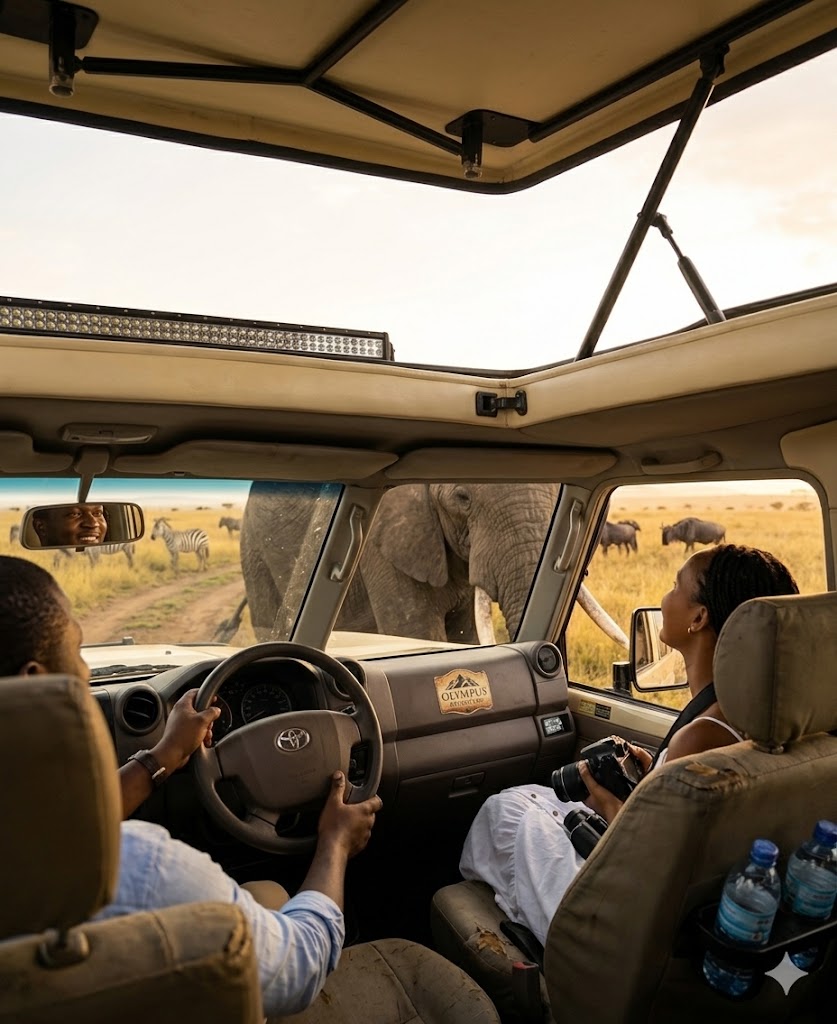
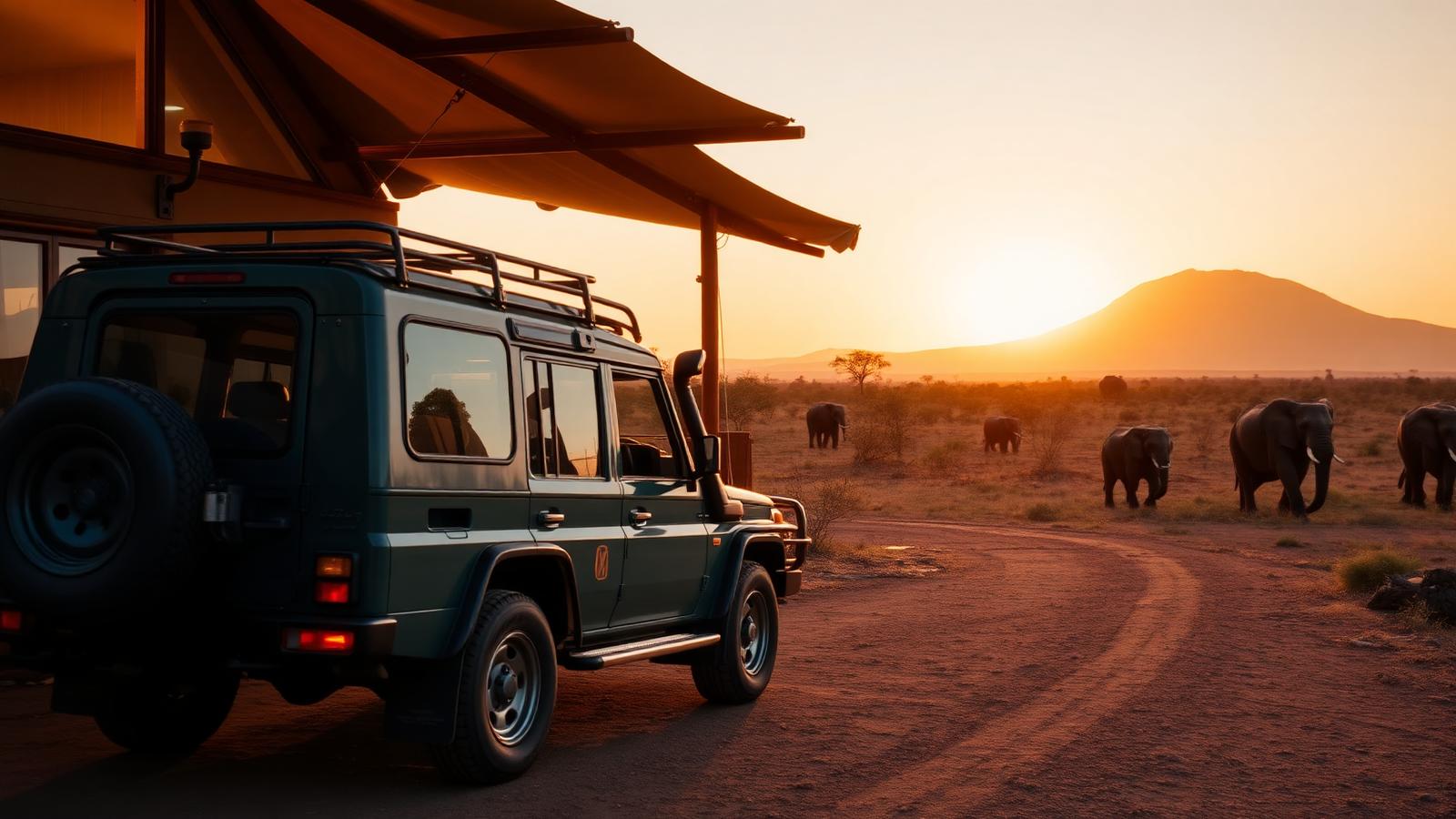
The standard northern-circuit vehicle is an extended four-wheel-drive Land Cruiser with a pop-up roof, individual window seats, charging points and a cooler box. It is comfortable, but it is not a limousine: the suspension is built for corrugated tracks, and the noise and dust of a long transfer are part of the experience.
- Ask how many guests will be in a vehicle designed for six or seven. A private booking usually means the middle seats stay empty.
- Seats rotate on longer trips even in a private vehicle. Agree a simple rotation on day one and nobody has to negotiate it later.
- Charging is usually 12V through the vehicle, so bring the right adapters and a power bank for the days when the drive runs long.
- Keep camera gear in a soft bag on your lap or in a footwell, not loose on the seat. Rough sections arrive without warning.
Accommodation Expectations
Safari accommodation falls into a few recognizable categories, and the labels matter less than the location and how the property runs.
- Lodges are permanent buildings with restaurants, and often a pool. Reliable, comfortable, and usually the easiest introduction.
- Tented camps have canvas walls on solid platforms, proper beds and en-suite bathrooms. Closer to the sounds of the bush without giving up comfort.
- Mobile camps relocate seasonally to follow the herds. Simpler, more atmospheric, and often the best located during migration months.
- Basic camping uses public or special campsites with a crew. Budget-friendly and sociable, but a demanding choice for a first safari.
Power in remote camps often runs on solar with generator support and set hours, hot water may be delivered on request, and rooms are frequently unfenced with staff escorting guests after dark. Ask about all three at the quotation stage. Where a camp sits matters more than its rating: an hour saved each morning is an hour of good light gained.
Food and Drinks
Meals on safari are full board and generally straightforward: buffet or set breakfasts, a packed lunch on full-day drives, soup and a plated dinner in the evening. Cooking is a mix of international dishes and Tanzanian staples, and the standard is usually higher than remote logistics would suggest.
- Dietary requirements are widely accommodated when notified in advance. Vegetarian is routine; strict vegan, gluten-free and allergy needs should go into the booking in writing.
- Drinking water is provided in the vehicle and in camps. Tap water is not for drinking.
- Soft drinks and house wine are included at some properties and charged at others. Confirm before you assume.
- Picnic lunches on full-day drives are simple by design. If you have particular preferences, mention them the evening before.
What to Pack
Pack light and in layers. Laundry is available at most lodges and camps, often daily, so four or five days of clothing is usually enough for a week-long trip. If any leg of your itinerary is by light aircraft, luggage is limited and soft bags are generally required.
| Category | Bring | Leave behind |
|---|---|---|
| Clothing | Neutral khaki, olive and tan layers; one warm fleece; a light windproof jacket. | Bright white and heavy dark blue or black, which attract tsetse flies in some areas. |
| Footwear | One pair of broken-in walking shoes and camp sandals. | New boots and anything that needs polish. |
| Sun and dust | Wide-brim hat, polarized sunglasses, high-SPF sunscreen, lip balm, a buff or scarf. | Nothing here is optional; dust is constant in the dry season. |
| Optics and camera | Binoculars (8x42 or 10x42), a zoom lens, spare batteries, a beanbag or soft support. | Tripods, which are unusable in a moving vehicle. |
| Health | Prescriptions in the original packaging, repellent, rehydration salts, a basic first-aid kit. | Bulky medicine cabinets; camps carry basics. |
| Luggage | A soft duffel, especially if you fly between parks. | Hard-shell suitcases, which often do not fit in light aircraft holds. |
The complete list, including weight allowances and a printable checklist, is in our Tanzania safari packing guide.
Tipping
Tipping is customary in Tanzanian tourism and is one of the few costs that sits outside your quote. It is discretionary, but it is expected, and planning for it removes the awkwardness of working it out on the last morning.
| Who | Common range | How it usually works |
|---|---|---|
| Safari guide | Commonly $20–$30 per vehicle per day | Split across the guests in the vehicle, not per person unless you are traveling solo. |
| Camp and lodge staff | Commonly $10–$15 per guest per day | Usually placed in a shared staff box at reception rather than given individually. |
| Butler or dedicated host | Additional, at your discretion | Relevant mainly at higher-end camps where a specific person looks after you. |
| Airport or town transfer driver | A few dollars per transfer | Small notes are useful; change is not always available. |
| Camping crew (cook, assistant) | Commonly $10–$15 per group per day each | Applies to mobile and camping itineraries. |
These are the ranges we see most often rather than fixed rules, and camps sometimes publish their own guidance. Bring clean, undamaged US dollar notes issued in recent years, in small denominations, since older or worn notes can be refused. The safari etiquette guide covers the social side of this in more depth.
Safety and Health
Safari travel in Tanzania is well organized and the day-to-day risks are ordinary ones: sun, dehydration, rough roads and stomach upsets. Wildlife risk is managed by staying in the vehicle, following your guide's instructions and respecting camp escort procedures after dark.
- Speak to a travel clinic well before departure about vaccinations, malaria prophylaxis and any personal medical considerations. Requirements depend on your route and history.
- Entry requirements, including visa procedures and any yellow fever certificate rules based on where you have traveled, change from time to time. Confirm current requirements through official channels close to departure.
- Take comprehensive travel insurance that includes emergency medical evacuation. Remote camps are hours from a hospital by road.
- Use the same city sense in Arusha, Dar es Salaam or Stone Town that you would in any unfamiliar city: arranged transport at night, valuables out of sight, copies of documents stored separately.
For the wider country picture, including regional guidance and practical precautions, read our assessment of safety for travelers in Tanzania.
Cultural Etiquette
Tanzanians are, as a rule, courteous, and a small amount of effort is noticed. Greet before asking anything — jambo or habari followed by a moment of conversation is normal, and going straight to a question reads as brusque. Dress modestly in towns and villages, especially in Zanzibar's Stone Town, where covered shoulders and knees are appropriate.
- Ask before photographing people. Some communities have set arrangements for photography and payment; your guide will explain the local norm.
- Use your right hand for greetings, giving and receiving. It is a small habit with real social weight.
- Learn a handful of Swahili phrases. Asante sana, karibu and pole pole will get you further than you expect.
- Treat cultural visits as visits, not exhibitions. Ask questions, buy directly where you can, and let your guide handle arrangements.
Staying in Touch
Most lodges and camps offer WiFi in the main area, and it is often adequate for messaging rather than video calls. Coverage across the parks is patchy and generally weakest in the northern and western Serengeti. A local SIM or eSIM bought in Arusha usually works better than international roaming, and the signal you get depends on the network more than the handset.
Tell family at home that quiet days are normal rather than a sign that something is wrong. Set a rough check-in rhythm — one message a day when signal allows — and leave your itinerary with someone before you fly.
Common First-Time Mistakes
These come up repeatedly, and every one of them is easy to avoid at the planning stage rather than after arrival.
| Mistake | What it costs you | Better approach |
|---|---|---|
| Booking too many parks in too few days | Half the trip is spent transferring, and the parks blur together. | Cut a park. Two nights minimum in each destination, three in the Serengeti. |
| Choosing on price alone | Shared vehicles, camps far from the wildlife, and rushed pacing that costs you sightings. | Compare quotes line by line: vehicle type, camp location, park nights, guide seniority. |
| Assuming lodge names matter more than location | An hour of driving each way before the game drive even starts. | Ask where the camp sits relative to the area you want to see in that season. |
| Packing for heat only | Genuinely cold mornings on the crater rim and in an open vehicle at 6:30. | One fleece and one windproof layer. You will use both, then take them off by nine. |
| Leaving the camera on automatic and learning on day one | Blurred frames during the best sighting of the week. | Practice at home on moving subjects. The photography guide covers settings in detail. |
| Treating tips as an afterthought | An awkward last morning and a scramble for small notes. | Bring clean, recent US dollar notes in small denominations, set aside from day one. |
| Booking flights before the itinerary is confirmed | Arrival times that force an extra hotel night or a missed connection to the parks. | Confirm the ground itinerary first, then buy international tickets around it. |
Your First Safari Checklist
Six to twelve months out
- Decide the travel window and how many game-drive days you can commit.
- Shortlist operators and compare itemized quotes, not headline prices.
- Confirm the itinerary and camps in writing, then book international flights around it.
- Check passport validity and blank pages against current entry requirements.
Two to three months out
- Visit a travel clinic for vaccinations and malaria advice.
- Arrange travel insurance including medical evacuation cover.
- Confirm visa arrangements through official channels.
- Buy or borrow binoculars and practice with your camera on moving subjects.
The final two weeks
- Pack a soft duffel with layered, neutral clothing and a small day bag.
- Withdraw clean, recent US dollar notes in small denominations for tips.
- Share your itinerary and camp contact details with someone at home.
- Load offline maps, download reading, and note your guide's contact details.
Related Guides
- The Ultimate Tanzania Travel Guide — the country-level picture, beyond the safari itself.
- Best Time to Visit Tanzania — month-by-month conditions, herds and pricing.
- Tanzania Safari Cost — where the money actually goes in a quote.
- Tanzania Safari Packing List — the full checklist, including flight luggage limits.
- Best Tanzania Safari Itineraries — routes compared by trip length.
- Northern Circuit Safari Guide — the parks most first safaris are built around.
Common Questions
Frequently Asked Questions
It is a routine built around animal activity. You wake around six, head out as the light comes up, spend two to three hours driving slowly while your guide reads tracks and alarm calls, stop for coffee in the bush, and return for lunch and a break at camp. The afternoon drive runs from roughly four until the park's return time, then dinner and an early night. Some hours pass with little visible activity and then twenty minutes justify the whole morning. First-timers are usually surprised by how cold dawn feels in an open vehicle and how restful the rhythm becomes by the third day.
Six to eight game-drive days suits most first-time visitors. That typically covers a night or two in Tarangire, a full day in the Ngorongoro Crater, and three nights in the Serengeti without a punishing transfer schedule. Three to five days works as an add-on to Kilimanjaro or Zanzibar, but a larger share of it is spent moving between parks. If your dates are short, reduce the number of parks rather than the nights in each one — two destinations done properly beat four rushed.
The northern circuit is the sensible default: Tarangire for dry-season elephant concentrations, the Ngorongoro Crater for range of species in a small area, and the Serengeti for open plains, predators and the migration herds depending on the season. Lake Manyara works well as a half-day on a transfer, and Arusha National Park is useful on an arrival day. The southern parks, Ruaha and Nyerere, are wilder and quieter but are usually a second safari because access is by air and the routing is less forgiving.
Most Tanzanian itineraries include park and conservation fees, the vehicle, fuel and guide, accommodation and meals on safari, and drinking water in the vehicle. Internal flights are sometimes included and sometimes listed separately. International flights, visa costs, travel insurance, tips, alcohol and curios are normally excluded. Because inclusions vary by operator, compare quotes item by item rather than by headline price, and ask whether the quote is protected against park fee changes.
As planning ranges, budget group trips tend to run roughly $220–$320 per person per day, private mid-range safaris roughly $350–$550, and luxury from about $750 upward. A large part of the price is fixed before anyone picks a lodge, because park entry, conservation fees, vehicle costs and guide wages apply regardless of style. That is why unusually low quotes usually mean a shared vehicle, camps a long way from the parks, or fewer park nights than the itinerary suggests. Rates change, so ask for a current written quote with each cost itemized.
For a first safari, a private vehicle is the upgrade we suggest before any lodge upgrade. On a shared departure you travel with five or six other guests on a fixed schedule, and the group decides when to leave a sighting. In a private vehicle you set the pace, everyone has a window seat, and you can shorten a drive or stay with a sighting as long as you like. Shared departures are genuinely cheaper and suit sociable travelers on a tighter budget, so it is a trade-off rather than a rule.
Tipping is customary and discretionary, and it sits outside your quote. The ranges we see most often are around $20–$30 per vehicle per day for the guide, shared across the guests in that vehicle, and around $10–$15 per guest per day for camp staff, usually placed in a shared staff box. Transfer drivers receive a few dollars per transfer, and camping crews are tipped separately. Bring clean, recent US dollar notes in small denominations, because worn or older notes are sometimes refused.
Layered, neutral clothing in khaki, olive and tan; one warm fleece and a light windproof layer for cold mornings; a wide-brim hat, polarized sunglasses and high-SPF sunscreen; broken-in walking shoes and camp sandals; binoculars in 8x42 or 10x42; a zoom lens with spare batteries; repellent and any prescriptions in their original packaging. Use a soft duffel rather than a hard suitcase, particularly if any leg is by light aircraft. Laundry is available at most camps, so four or five days of clothing usually covers a week.
No responsible operator will promise that. Lion, elephant and buffalo are seen frequently on a well-planned northern circuit week; leopard is elusive and depends on luck and light; rhino numbers are small and sightings, most often in the Ngorongoro Crater, are usually at a distance. Good timing, a knowledgeable guide, enough days and camps in the right locations improve your odds considerably. They do not remove the element of chance, which is a large part of what makes a sighting memorable.
The day-to-day risks on safari are ordinary ones: sun, dehydration, rough roads and stomach upsets. Wildlife risk is managed by staying in the vehicle, following your guide's instructions and using camp escorts after dark. Speak to a travel clinic about vaccinations and malaria advice well before departure, take insurance that includes medical evacuation, and confirm current entry requirements through official channels close to your travel date. In towns, the same city sense you would use anywhere unfamiliar applies.
Safari meals are full board: buffet or set breakfasts, a packed lunch on full-day drives, and a plated dinner in the evening, mixing international dishes with Tanzanian staples. The standard is generally higher than remote logistics would suggest. Vegetarian requests are routine, and vegan, gluten-free and allergy requirements are widely accommodated when they are noted in writing at booking rather than mentioned on arrival. Drinking water is provided in the vehicle and at camps; tap water is not for drinking.
Most lodges and camps have WiFi in the main area, generally good enough for messaging rather than video calls. Coverage inside the parks is patchy and tends to be weakest in the northern and western Serengeti. A local SIM or eSIM bought in Arusha usually performs better than international roaming. Tell people at home that quiet days are normal, agree a rough check-in rhythm, and leave a copy of your itinerary with someone before you fly.
Final Thoughts
A first safari rewards restraint in planning. Fewer parks, more nights, a private vehicle, camps chosen for where they sit, and a realistic view of what wildlife does and does not do. Get those right and the week tends to look after itself.
You will not see everything, and nobody can promise you will. What you can reasonably expect is a well-run week in one of the strongest wildlife regions on the continent, with a guide who knows the ground and a schedule built around the hours when the animals are actually moving.
A first safari rewards restraint in planning: fewer parks, more nights in each, a private vehicle and camps chosen for where they sit. Get those decisions right and the rest of the week tends to look after itself.
Plan Your Journey
Planning your first safari? Let's build a realistic itinerary together
Tell us your dates, how many days you have and the kind of accommodation you like. Our Arusha-based team will suggest the right parks, a sensible number of nights in each, camps chosen for location, airport transfers, a private vehicle with an experienced local guide, and a Zanzibar extension if you want one — with everything itemized so you can see exactly what you are paying for.
- TALA Licensed Operator
- 4.9 ★ Guest Rating
- No Booking Fees
Keep Reading
Related Tanzania Safari Guides
Safari Guides
The Ultimate Tanzania Travel Guide: Everything You Need to Know Before You Visit