Serengeti & Wildlife
Serengeti Wildlife Guide: Animals You Can Expect to See on Safari
What lives in the Serengeti, where each species is usually found, how season and vegetation change your odds, and what a realistic day of wildlife viewing looks like — from our Arusha planning desk.

Introduction
Guests usually arrive in the Serengeti with a list. Lion, leopard, cheetah, elephant, and something dramatic involving a river. What they get instead is a landscape that runs to the horizon in every direction and a guide who spends the first hour driving without stopping. That hour is not wasted. It is how you find out what moved through the area overnight.
This guide covers the wildlife of Serengeti National Park species by species — where each one tends to be, what season helps, and how honest your expectations should be. It is not a migration guide and it is not a Big Five guide; we have separate articles for both, linked where they belong. The subject here is the animal community of the park itself and how to actually see it.
How wildlife viewing actually works here
A game drive is not a tour of enclosures. Your guide is reading a set of signals — fresh tracks in the road dust, the direction the grazers are facing, alarm calls from baboons or impala, vultures dropping in a tight spiral, the position of the sun relative to where a cat would want shade in two hours. Most of the decisions that matter happen before anyone in the vehicle sees an animal.
Three variables decide what you see on any given morning. The first is location within the park, which we break down below. The second is season, mainly because it controls grass height and water distribution. The third is time of day: the first ninety minutes after sunrise and the last hour before the gates close produce most of the predator activity people travel here for.
Vegetation deserves more attention than it usually gets in planning conversations. In late April the southern plains can carry grass at bumper height, and a resting cheetah forty metres off the track is invisible. In September the same ground is grazed to stubble and you can pick out a jackal at half a kilometre. Neither season is better in absolute terms — the green season has the light, the birds and the empty tracks — but they are different products, and you should know which one you have booked.
Guides also route differently for reasons that are not always obvious from the back seat. One may avoid a well-known lion sighting because six vehicles are already there and a quieter drainage line has produced leopard twice that week. Another may sit still for forty minutes at what looks like nothing. Ask why. A good guide will explain the reasoning, and the answer is usually more interesting than the sighting you skipped.
Serengeti wildlife overview table
Realistic expectations for a well-guided trip of three or more nights, based on what our vehicles report across a normal season. Chances vary with region, month and luck.
| Species | Realistic chance | Where to look | Field note |
|---|---|---|---|
| Lion | Very likely on a 3-night trip | Seronera Valley, Moru Kopjes, Kogatende, western corridor | Sleeping most of the day. Early and late drives are where the behaviour is. |
| Leopard | Good over several days, not on demand | Seronera and Grumeti riverine forest, Bologonja | Scan horizontal branches four to six metres up rather than the grass. |
| Cheetah | Good on the open plains, seasonal | Southeast plains, Namiri area, Ndutu in the calving months | Diurnal hunter, so sightings often come with visible behaviour. |
| Elephant | Very likely | Seronera, western corridor, Lobo and the northern woodland | Breeding herds favour riverine woodland; bulls range widely. |
| Buffalo | Very likely | Western corridor, Lobo, swamp margins | Large herds pull resident lion prides along behind them. |
| Black rhino | Unlikely | Moru Kopjes sector only | Small, protected population. Most sightings are distant, if they happen at all. |
| Giraffe | Very likely | Acacia woodland throughout, strong around Seronera and Lobo | Maasai giraffe, the tallest and most widespread subspecies in Tanzania. |
| Spotted hyena | Likely | Plains-wide, den sites near the southern grasslands | Efficient hunters, not only scavengers. Best watched at dawn. |
| Hippo | Very likely at the right pools | Retina Hippo Pool, Seronera River, Mara and Grumeti rivers | Daytime is resting time. Sound and smell carry further than the view. |
| Nile crocodile | Likely near permanent water | Mara River, Grumeti River | Large individuals hold the same bends year after year. |
| Wildebeest and zebra | Depends entirely on where the herds are | Moves with the season across the ecosystem | Resident groups remain even when the main herds have moved on. |
| African wild dog | Rare | Southeastern and eastern sectors, Loliondo boundary | Recovering but wide-ranging. Treat any sighting as a genuine piece of luck. |
| Serval and caracal | Occasional | Long grass near Seronera and the southern plains | Serval hunt rodents at dawn in grass tall enough to hide a vehicle wheel. |
| Bat-eared fox, jackal, mongoose | Likely if you slow down | Short-grass plains, kopje bases | Usually missed because vehicles are racing to a cat sighting. |
Big cats: lion, leopard, cheetah
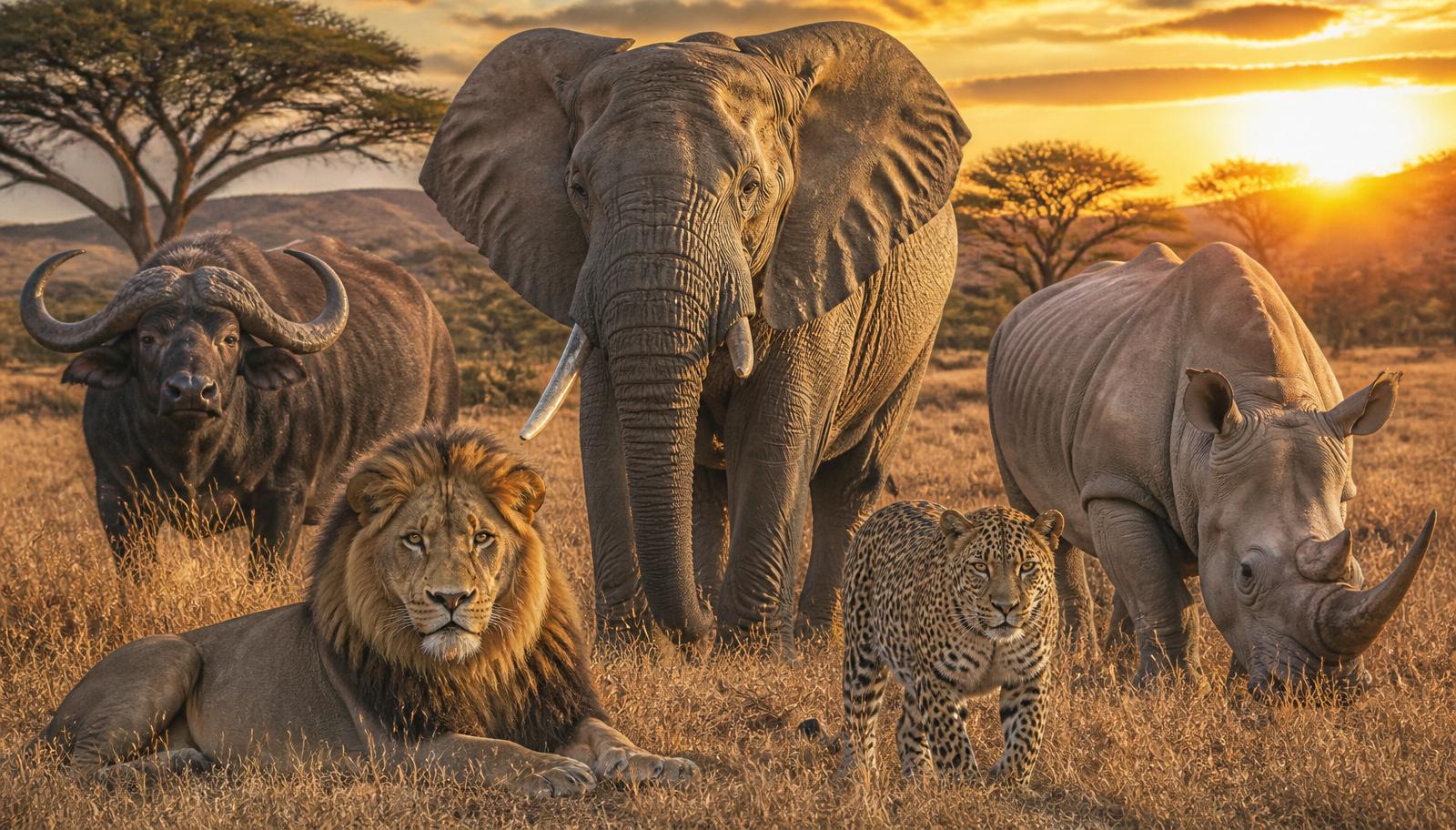
The Serengeti carries one of the highest densities of large predators in Africa, and the three big cats behave so differently that it helps to think of them as three separate searches rather than one.
Lion
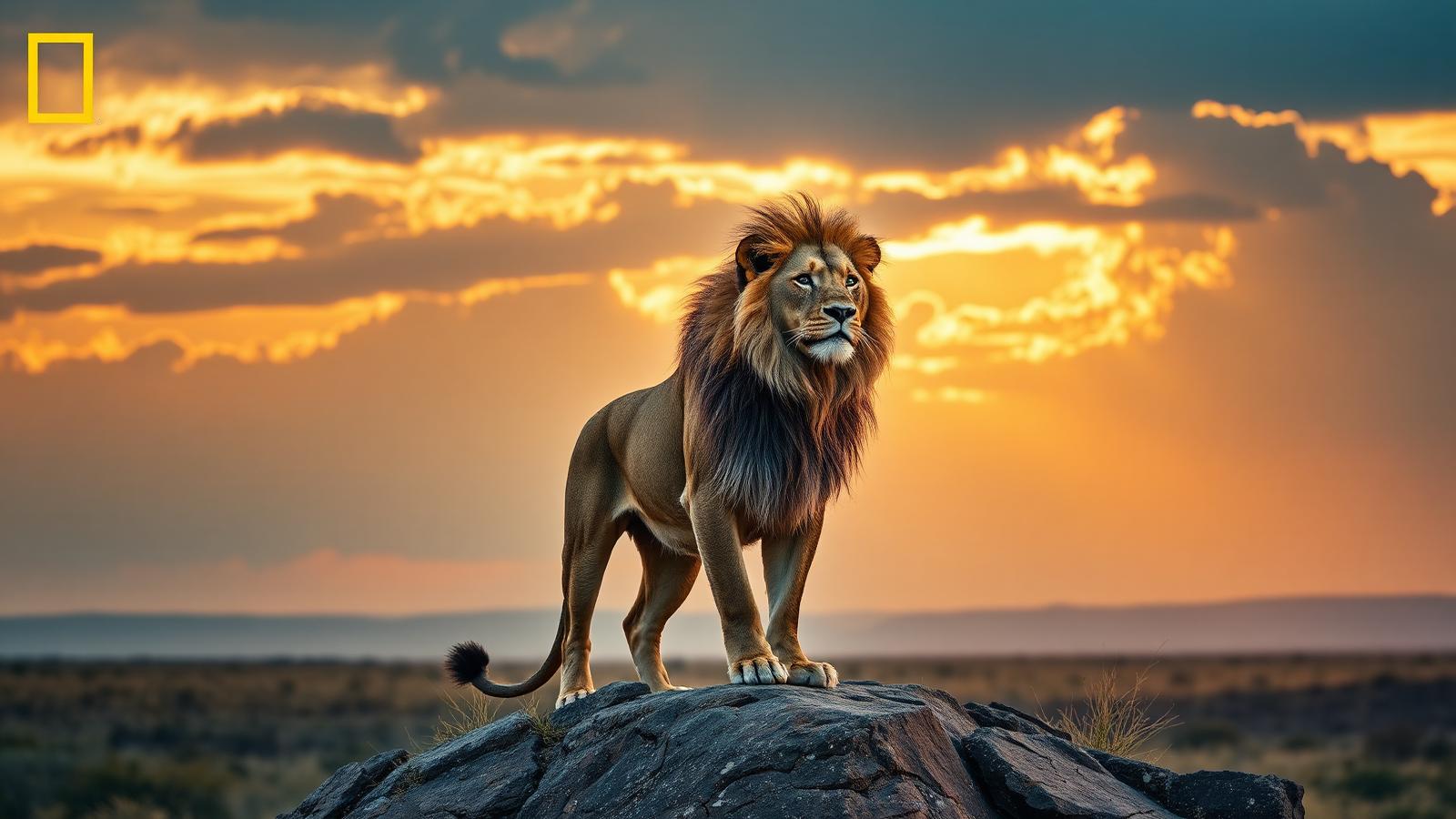
Lion are the animal most guests see first and remember least accurately. Prides here can be large, and male coalitions of three or four are common, but adults rest for most of the day. What you find at eleven in the morning is a row of flanks under a shade tree. What you find at six-thirty is a pride still up, cubs harassing an adult, a male calling across the drainage.
Central Seronera, the Moru area, the Lobo valleys and the northern sectors around Kogatende all hold established prides. Kopjes are worth checking every single time you pass one; lions use them for shade, elevation and safe cub sites, and a tail hanging off a rock is often the only visible part of an animal.
Leopard
Leopard are territorial and closely tied to riverine forest, which is what makes them findable at all. The Seronera River valley is the most consistent area in the park, with Grumeti in the west and the Bologonja drainage in the north behind it. Guides who work these areas week after week know which sausage trees and fig trees individual leopards favour, and they check them in a set order.
Look up, not out. A leopard in daylight is usually four to six metres off the ground, draped along a horizontal branch with one leg hanging. Several nights in the same region raises your odds far more than covering more ground.
Cheetah
Cheetah need open country and clear sight lines, so the southeastern plains, the Namiri area and the Ndutu grasslands in the calving months are where they concentrate. They hunt in daylight, which means a cheetah sighting often comes with visible behaviour rather than a sleeping animal — scanning from a termite mound, walking a line between gazelle groups, flattening into the grass.
A cheetah that climbs onto a mound or fallen log in the early morning is assessing prey. If your guide reads that and suggests waiting, wait. Most of the hunts our guests describe years later came from staying with one animal instead of moving on to the next sighting.
Elephants
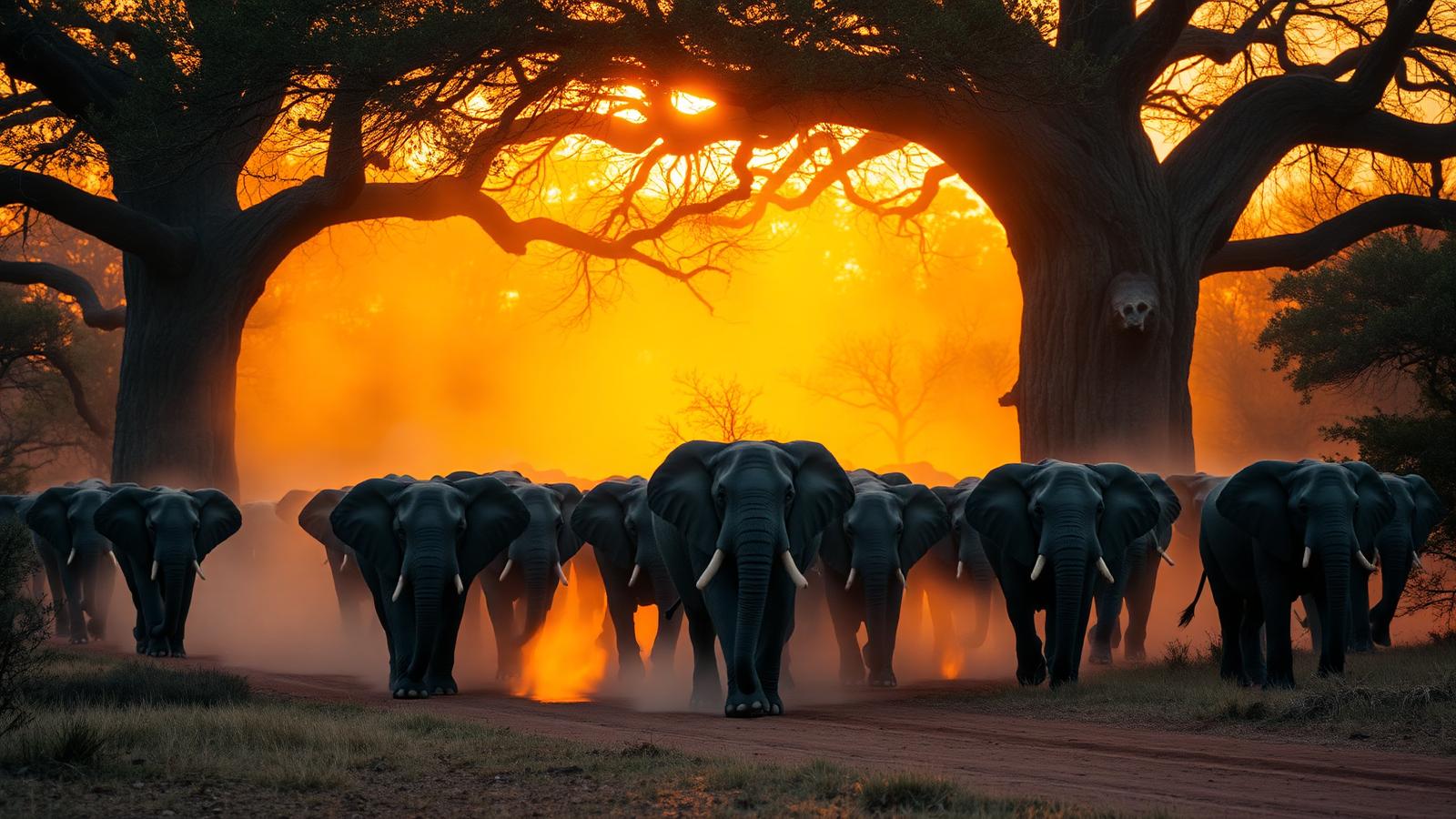
Serengeti elephant numbers have recovered substantially since the poaching years of the 1980s, and breeding herds are now a regular part of a central and northern Serengeti day. You will most often meet them in riverine woodland and along drainage lines, where water and browse sit together. Bulls range more widely and turn up almost anywhere.
Elephant viewing here is different in character from what Tarangire offers in the dry months, where the river concentrates enormous numbers into a small area. The Serengeti gives you elephants inside a working predator-and-prey ecosystem rather than as the main event, which is part of why the two parks pair so well on one itinerary.
Behaviour worth watching for: a breeding herd shepherding calves into the centre when a vehicle approaches, a matriarch turning to face you square-on with ears spread, or bulls in musth moving with a purpose that makes every other elephant get out of the way. Give them room and let them cross in their own time.
Buffalo
Cape buffalo get less attention than they deserve. Herds in the western corridor and around Lobo can be several hundred strong and move as a single dark mass, and they are the animal that most reliably brings lion into view. If you find a big herd and a guide willing to sit with it, you are watching the central drama of savanna ecology rather than a supporting act.
Old solitary bulls — mud-caked, thick-bossed, usually near water — are treated with respect by every guide in Tanzania. They have poor tolerance for surprises and excellent memory. Vehicles keep their distance for good reason.
Giraffes
The Maasai giraffe is Tanzania's national animal and a constant across Serengeti woodland. They are easy to see and easy to underrate. Watch a group for ten minutes and you notice how much they function as an early-warning system — grazers below them read giraffe posture, and so do guides. A line of giraffe all staring in the same direction with their necks locked is worth investigating.
Necking contests between young bulls happen most often in the cooler hours and are one of the more remarkable things to watch in the park. Giraffe also drink rarely and awkwardly, so a giraffe splayed at a waterhole is a sighting worth stopping for.
Hippos and crocodiles
The Retina Hippo Pool near Seronera is the classic stop, with dozens of animals packed into a bend of the river. Bring low expectations about visible activity in the middle of the day — hippos rest in water until evening — and high expectations about noise and smell. Both are part of it.
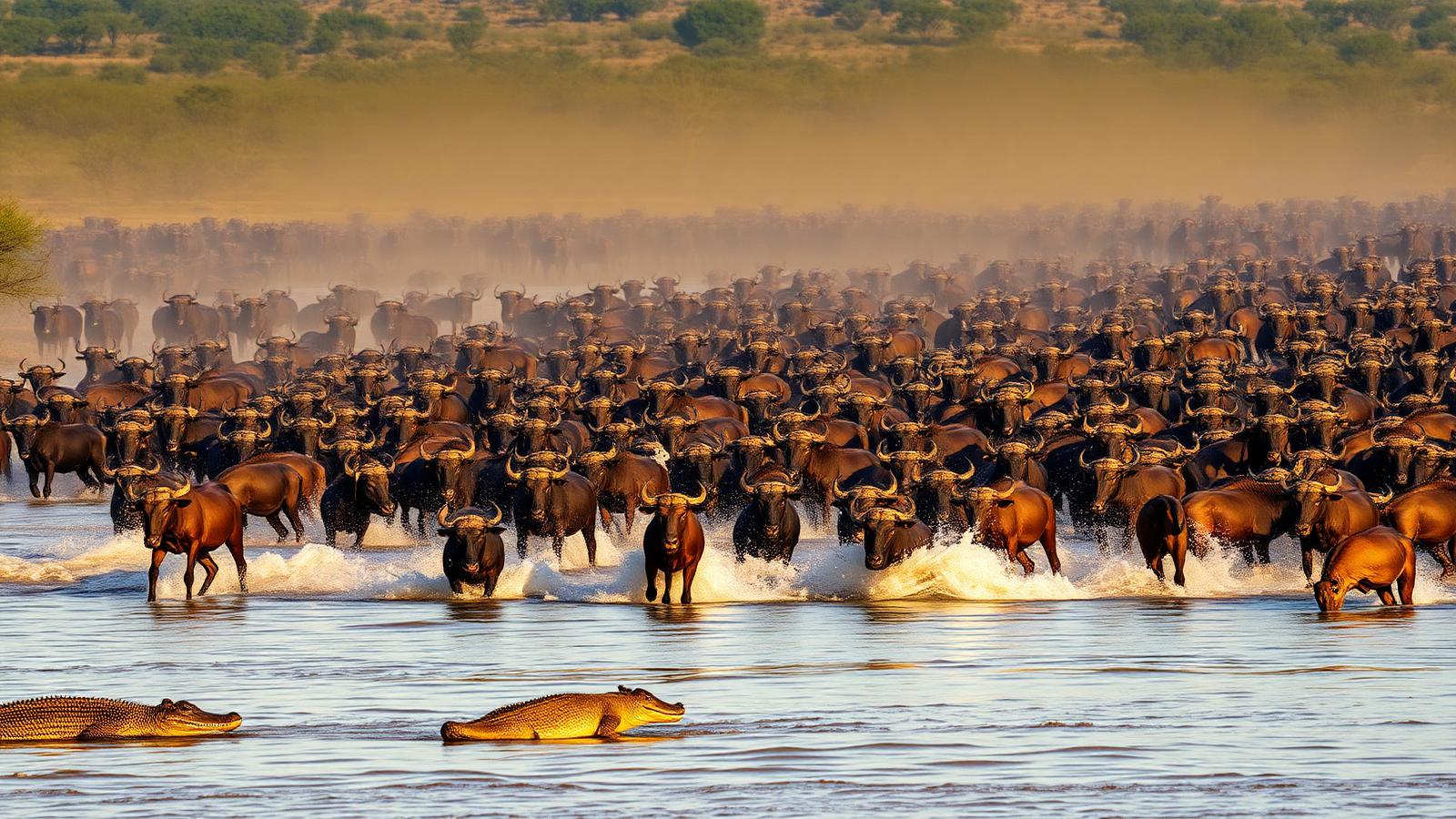
Nile crocodiles hold the deeper pools of the Mara and Grumeti rivers, and the largest individuals occupy the same bends season after season. During the months when the herds are crossing in the north, those crossing points become the most concentrated predator scene in the ecosystem. If your visit falls in that window, read our guide to the wildebeest migration for how crossings actually work and why they cannot be scheduled.
Hyenas and other predators
Spotted hyena are among the most successful hunters in the Serengeti, not simply scavengers, and clans can be large. Dens are usually in old aardvark burrows on open ground, and a den site with cubs in the early morning is one of the better sightings available in the park — often better than the lion sighting everyone else drove past it to reach.
Beyond hyena, the ecosystem holds golden and black-backed jackal, bat-eared fox, serval, caracal, striped hyena, honey badger and African wild dog. Wild dog have returned to parts of the southeastern and eastern Serengeti in recent years, but they cover huge distances and sightings remain a matter of chance. Nobody should book a trip expecting them.
Wildebeest, zebras and antelope
The migratory herds of wildebeest, zebra and Thomson's gazelle drive the whole system. Their movement determines where predators concentrate, which grasslands are grazed short, and which part of the park is busy with vehicles in any given month. What matters for wildlife viewing is that the herds are somewhere in the ecosystem all year — the question is which sector.
Resident, non-migratory groups of both wildebeest and zebra stay behind in most regions, so even a trip timed well away from the main herds gives you plains game. Alongside them you get a full antelope community: topi standing sentry on termite mounds, Coke's hartebeest, eland in nervous herds, impala in the woodland edges, Grant's and Thomson's gazelle on short grass, and reedbuck, oribi and steenbok for the people who like looking properly.
Timing around the herds is a subject of its own. Our month-by-month timing guide breaks down where the herds usually are and how much variation to expect in a given year.
Black rhino: an honest assessment
Black rhino survive in the Serengeti in small, closely protected numbers, mainly in the Moru Kopjes sector. Sightings do happen. They are uncommon, often at long distance, and no operator can promise one. Exact numbers are not published in detail, for obvious security reasons, and any guide quoting a precise figure is guessing.
If seeing rhino is a real priority rather than a bonus, build a full crater day into the trip. The Ngorongoro Crater holds the most viewable rhino population in northern Tanzania, and it slots naturally into the drive between Arusha and the Serengeti.
Smaller wildlife most people drive past
Guests who have already seen lion three times start noticing the rest of the park, and that is usually when a safari gets genuinely interesting. Rock hyrax and agama lizards colonise the kopjes. Dwarf and banded mongoose work the termite mounds in busy groups. Bat-eared foxes sit in pairs on the short grass with those enormous ears angled at the ground, listening for beetles.
- Serval. Long-legged and slender, hunting rodents in tall grass at first light. Look for the head appearing above the seed heads.
- Caracal. Scarcer and largely crepuscular. Most sightings are brief and on open ground near cover.
- Honey badger. Usually a fast-moving shape crossing the road. Often accompanied by jackals hoping to steal something.
- Aardvark, aardwolf, porcupine, genet, civet. Nocturnal and effectively invisible inside park boundaries, where night drives are not permitted. Concession-based camps outside the park can offer them.
- Colobus and vervet monkeys, olive baboons. Riverine forest species, best along the Grumeti and Seronera drainages.
Birdlife
More than 500 bird species have been recorded in the greater Serengeti ecosystem, and the park is a serious birding destination even for people who did not come for birds. The headline species are easy to appreciate: ostrich striding across the plains, secretary birds hunting snakes on foot, kori bustards displaying, ground hornbills patrolling in family groups, and lilac-breasted rollers on virtually every second dead branch.
Raptors are the real strength. Martial eagle, bateleur, tawny eagle, augur buzzard and six or seven vulture species all occur, and vultures are worth learning to read — the height and tightness of a descending spiral tells your guide whether there is a kill and roughly how fresh it is.
November to April brings Palearctic and intra-African migrants, which is the strongest birding window of the year and coincides with the quietest months for vehicles. Several endemics of the Serengeti–Mara ecosystem, including the grey-breasted spurfowl and the rufous-tailed weaver, are found here and almost nowhere else.
Best areas for wildlife
This is the decision that shapes everything else. Two camps in the same park can be six hours apart, and a badly placed booking cannot be fixed once you are there.
| Region | Character | Wildlife strengths | Best months |
|---|---|---|---|
| Seronera (central) | River valley, kopjes, permanent water | Leopard, resident lion prides, elephant, general density | Year-round; busiest sector in the park |
| Southern plains and Ndutu | Short grass, few trees, seasonal pans | Cheetah, hyena, calving herds and predator activity | December to March |
| Moru Kopjes | Granite outcrops and open grassland | Lion on rocks, the park's rhino sector, rock art | December to June |
| Western corridor | Grumeti riverine forest, black-cotton plains | Large buffalo herds, crocodile, colobus, quieter tracks | May to July |
| Northern Serengeti (Kogatende) | Rolling hills, Mara River, open woodland | Migration presence, elephant, big cats with fewer vehicles | July to October |
| Lobo and the northeast | Wooded valleys and kopjes | Resident lion, elephant, genuine solitude | Year-round, best June to November |
For a proper look at the two regions most trips are built around, see our central Serengeti guide and the northern Serengeti guide. Both cover camps, access and driving times in far more detail than we can here.
Best time for wildlife viewing
There is no closed season. Resident wildlife is present every month, and the honest answer to "when should I come" depends on whether you value concentrated dry-season game viewing, calving season predator activity, or green-season light and solitude.
| Period | Conditions | What viewing is like |
|---|---|---|
| January – March | Short grass in the south, scattered afternoon storms | Calving on the southern plains; the strongest window for cheetah and hyena behaviour |
| April – May | Long rains, tall grass, some tracks difficult | Fewest vehicles and lowest rates; sightings take more patience because cover is thick |
| June – July | Drying out, cool mornings | Herds moving north and west; excellent all-round game viewing and comfortable light |
| August – October | Dry, dusty, grass grazed short | Peak season. Concentrated game around water, migration presence in the north |
| November – December | Short rains, plains greening | Herds returning south, good raptor numbers, moderate vehicle traffic |
If you are weighing months against rainfall, crowds and price across the whole country rather than just this park, our guide to the best time to visit Tanzania sets it out season by season.
How the migration shapes what you see
The migration matters here mainly as an explanation, not a destination. Roughly a million and a half wildebeest plus large numbers of zebra and gazelle move through the ecosystem in a loop driven by rainfall and grass quality, and that movement determines predator density, grass height and vehicle traffic sector by sector.
Practically, this means two things. First, if the herds are in the north in September, the southern plains are quiet — good for solitude and resident game, thin on spectacle. Second, the herds are not on a timetable. Rain shifts them by weeks in either direction, and any itinerary sold on the promise of a particular event on a particular date is overselling.
We keep the detail in two dedicated articles rather than repeating it here: the full migration guide for how the cycle works, and the timing guide for month-by-month positioning.
Game drive tips that change your odds
- Leave before sunrise. A 06:00 departure with a packed breakfast is worth more than an extra day in the park.
- Stay out through the middle of the day occasionally. Full-day drives with a picnic let you reach sectors that a morning loop never touches.
- Slow down. Most small and medium species are missed at speed. Ask your guide to drive at a pace that lets you scan.
- Sit with sightings. Twenty minutes with a relaxed pride beats four rushed stops. Behaviour is the thing you will remember.
- Bring your own binoculars. One pair per person, 8x42 or 10x42. Shared binoculars mean somebody always misses it.
- Consider a private vehicle. It converts a shared compromise into a day shaped around what you want to watch.
- Tell your guide what interests you. Birds, predators, photography, small mammals — guides route differently depending on the answer, and most guests never say.
First safari? Our first-timer's guide covers pace, vehicle etiquette and what a day actually feels like, and the packing list handles the gear side, including what binoculars and layers are genuinely worth carrying.
Wildlife photography notes
The Serengeti is generous to photographers and unforgiving of unprepared ones. Light is hard and contrasty from about nine in the morning until late afternoon, so the useful windows are short. Dust is constant in the dry months, which argues against changing lenses in the vehicle.
- A 100–400mm or 200–500mm zoom covers most situations. A second body with something wide keeps you from missing landscape and herd context.
- Bring a bean bag rather than a tripod. Vehicle window frames and roof hatches are what you will actually brace against.
- Shoot from a low angle where the vehicle allows it. Eye-level images of cats read completely differently from images taken looking down.
- Ask the guide to position for light before you start shooting. Repositioning a vehicle takes ten seconds and saves an unusable sequence.
For camera settings, sample kit lists and how to brief a guide as a photographer, see our safari photography guide.
Responsible wildlife viewing
How a vehicle behaves at a sighting affects the animals and everyone else's experience. Park regulations cover the basics — stay on designated tracks, no off-road driving in most sectors, no feeding, no getting out except at marked points — but the standards that matter most are the ones guides hold themselves to.
- Keep distance at kills and den sites. A hyena den with cubs is easily disturbed, and a cheetah that abandons a hunt because of vehicle pressure may go another day without eating.
- Never ask a guide to break the rules for a photograph. It risks their licence and the company's operating permit, and any guide who agrees is one you should not be with.
- Keep voices down and movement slow. Sudden standing at an open roof hatch changes the shape of the vehicle, which is what animals actually react to.
- Limit time at crowded sightings. If eight vehicles are already there, ten minutes is plenty.
- Do not use flash on nocturnal or resting animals, and switch off camera beeps around hunting cats.
Common visitor mistakes
| Mistake | What it costs you | Better approach |
|---|---|---|
| Treating the Serengeti as one place | You book a camp four hours from where the wildlife is that month. | Pick the region first and the property second. |
| Booking a single night | Most of the day is spent driving to and from the gate. | Three nights minimum in one sector; four or five if you want two sectors. |
| Leaving camp at eight | You miss the coolest hours, when predators are still active. | Ask for a 06:00 departure and a packed breakfast. |
| Chasing radio calls all day | Long transfers, crowded sightings, no time to watch anything develop. | Agree with your guide to work one good area properly each morning. |
| Arriving without binoculars | You rely entirely on the guide's eyes for everything beyond 200 metres. | One pair per person, 8x42 or 10x42. |
| Expecting a checklist to be completed | Disappointment at a sighting that was genuinely excellent. | Judge the trip on behaviour watched, not species ticked. |
Budget is the other place expectations slip. Vehicle quality, guide experience and camp position all track price closely in Tanzania, and the cheapest way into the park is rarely the cheapest way to see wildlife. Our safari cost breakdown shows what each tier actually buys.
Frequently Asked Questions
Common Questions
Frequently Asked Questions
The park supports more than 70 large mammal species and over 500 recorded birds. On a well-planned trip of three or more nights you can reasonably expect lion, elephant, buffalo, giraffe, hippo, spotted hyena, jackal, zebra, wildebeest and a broad antelope community, with a good chance of leopard and cheetah. Black rhino and African wild dog are present but rarely seen.
All five occur here. Lion, elephant and buffalo are seen on most multi-day trips, and leopard is realistic over several days in the Seronera or Grumeti river country. Black rhino is the exception: a small protected population survives in the Moru Kopjes sector and sightings are uncommon and usually distant. If rhino matters to you, add a full day in Ngorongoro Crater.
June to October is the classic dry-season window — short grass, game concentrated near water, cool mornings. January to March is outstanding on the southern plains during calving, when predator activity is at its highest. The green season from April to May has the fewest vehicles and the best light, but taller grass makes sightings harder. Resident wildlife is present every month.
Cheetah are regularly seen on the open southeastern plains, in the Namiri area and around Ndutu during the calving months, though numbers across the ecosystem are modest and they range widely. They hunt in daylight, so a sighting often includes visible behaviour rather than a sleeping animal. Nobody can promise one on a given day.
The migratory herds determine where predators concentrate and which grasslands are grazed short, so their position sets the character of each region month by month. Resident lion, leopard, elephant, giraffe, buffalo and hyena do not migrate, which is why a trip timed away from the herds still delivers strong wildlife viewing — just in a quieter sector.
Yes. Most camps welcome children from around age six and several have family suites. Game drives split into morning and afternoon sessions with rest time between, which suits younger children. A private vehicle is worth the cost for families because it lets you shape each day around their energy rather than a shared group's schedule.
Three nights is the realistic minimum in one region, and four to five if you want to combine two sectors such as central and northern Serengeti. A single night is mostly a driving day, because internal distances are long and the best hours are early and late.
Black rhino is the hardest of the well-known species to see, restricted to a small protected population in the Moru area. African wild dog is uncommon but has re-established in parts of the southeastern and eastern Serengeti. Aardvark, aardwolf, pangolin and honey badger are present but largely nocturnal and very rarely seen inside the park.
No, and any operator saying otherwise is overselling. What planning does is put you in the right region in the right month with an experienced guide, which raises your odds and improves the quality of what you watch. The animals remain wild and unmanaged.
In Closing
Final Thoughts
The Serengeti rewards people who slow down. Its wildlife is not distributed evenly and not on a schedule, so the difference between a good trip and a great one comes down to being in the right sector for the month, starting before sunrise, and staying with a sighting long enough for something to happen. Pick your region carefully, keep your expectations honest, and let the guide read the ground. That approach tends to produce the mornings people talk about for years.