
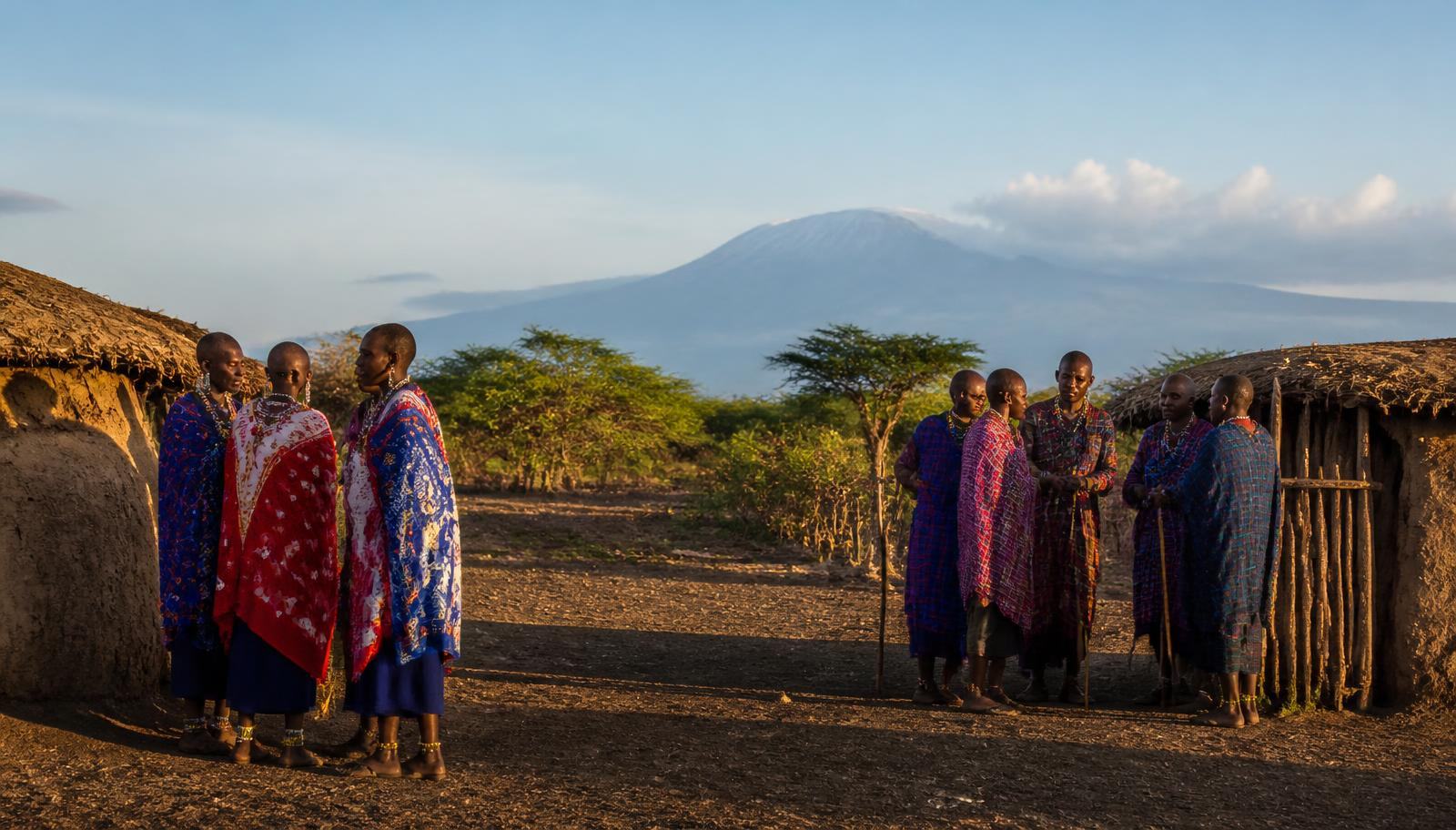
Culture & People
The Maasai Tribe in Tanzania: History, Culture, Traditions & Responsible Tourism
An honest, in-depth guide to the Maasai people of northern Tanzania — who they are, how they live today, and how to visit a community without turning it into a performance.

Introduction
The first time I sat inside a Maasai house, I could not see anything for about two minutes. You come in from the white glare of the Ngorongoro highlands, duck through a low curved passage built to keep animals out, and the room is lit by a single hand-sized window and the embers of a cooking fire. Then your eyes adjust. There is a raised sleeping platform on one side, a calf tethered on the other, a kettle, a school exercise book, a phone charging off a small solar panel wired through the wall. That combination — the very old and the entirely current, sharing one room — is the thing most articles about the Maasai leave out, and it is the thing you actually need to understand before you visit anyone.
The Maasai are probably the most photographed people in East Africa and among the most misunderstood. Safari marketing has flattened them into a silhouette: a tall figure in a red cloth, standing on one leg, holding a spear against an orange sky. That image sells trips. It also strips out everything interesting — the age-set system that organizes a man's whole life, the cattle economy that reads grass the way a trader reads a market, the ferocious debates going on right now about land, grazing rights and schooling, the women's beadwork cooperatives that in some villages bring in more reliable cash than livestock.
I have spent close to twenty years running safaris out of Arusha, and Maasai staff, neighbors, guides and friends have been part of that whole time. What follows is written from that vantage point: not as an anthropologist and not as an outsider collecting exotica, but as someone who has sat in a lot of bomas, drunk a lot of very sweet tea, and watched cultural tourism in this region done both extremely well and quite badly.
This guide covers the history, the language, the family structure, the food, the ceremonies, the clothing and the beliefs. It also covers the uncomfortable parts — why some village visits feel hollow, where the money goes, and what pressures the community is under. If you are planning a trip to Tanzania and thinking about including a cultural experience, my hope is that you finish this article able to tell a real one from a staged one.
Who Are the Maasai?
The Maasai are a Nilotic ethnic group whose homeland stretches across the semi-arid savannah of northern Tanzania and southern Kenya. In Tanzania they number around 1.2 million, roughly two percent of the national population, with perhaps a million more across the Kenyan border. They call themselves Maasai, meaning speakers of Maa, and that is worth pausing on: the group defines itself by language rather than by territory, which tells you something about a people whose history has involved a great deal of movement.
Culturally, three things define them. First, pastoralism — an economy and a worldview built around cattle, with sheep and goats filling in the gaps. Second, the age-set system, in which men born within a rough window of years are initiated together and move through life stages as a cohort, forming bonds that outlast almost every other relationship they have. Third, a decentralized political structure. There has never been a Maasai king or a paramount chief. Authority sits with councils of elders, negotiated section by section, and this is precisely why the Maasai were so difficult for colonial administrators to deal with — there was nobody to sign a treaty who could bind everybody else.
What the Maasai are not is a single homogeneous group. There are sixteen or so recognized sections, called iloshon, spread across the two countries. The Kisonko dominate much of northern Tanzania, the Purko are numerous in Kenya, the Salei live around Lake Natron, the Loitai around Ngorongoro and Loliondo. They share a language and a broad cultural framework, but dialect, dress details, ceremony timing and even attitudes toward farming vary between them. A Maasai from Monduli and a Maasai from Simanjiro will tell you different things about the same custom, and both will be right about their own section.
You should also know that closely related groups sit alongside them and are often lumped in by outsiders. The Arusha people, in and around the town this company calls home, speak Maa and share much of the culture but have farmed the fertile slopes of Mount Meru for generations. The Samburu of northern Kenya speak a near-identical language. The Parakuyo of central Tanzania are Maa-speaking pastoralists who moved south. Treating all of these as interchangeable is the sort of shortcut that a good guide will correct you on within an hour.
History of the Maasai People
Maasai origins lie far north of Tanzania, in the lower Nile valley of what is now South Sudan. Linguistic evidence and oral history both point to a southward migration along the Great Rift Valley beginning several centuries ago, with Maa-speaking pastoralists moving into central Kenya by around the fifteenth century and pushing into present-day northern Tanzania by roughly the mid-1700s. They were not moving into empty land. They absorbed, displaced or traded with hunter-gatherer and farming communities already there, and much of what looks like ancient Maasai custom carries traces of those encounters.
The nineteenth-century peak and collapse
By the mid-1800s, Maasai territory ran from central Kenya down through the Tanzanian rift as far as Dodoma — a vast pastoral empire, feared by caravan traders who plotted routes to avoid it. European explorers wrote about the Maasai in terms that mixed admiration with alarm, which is where a good deal of the enduring warrior mythology comes from.
Then came the 1880s and 1890s, a period Maasai oral history remembers as emutai, the wiping out. A rinderpest epidemic swept in from the Horn of Africa and killed an estimated ninety percent of Maasai cattle. Drought followed. Smallpox followed that. Contemporary estimates suggest two-thirds of the Maasai population died in that decade. Whole sections disappeared. The catastrophe was so total that when European settlers arrived shortly after, they found emptied grassland and concluded — wrongly and conveniently — that it had always been wilderness.
Colonial land loss
What followed shaped everything about the Maasai present. In Kenya, treaties in 1904 and 1911 moved the Maasai off the fertile central highlands into southern reserves, a loss the community has litigated for over a century. In German and then British Tanganyika, the pattern was different but the outcome was similar: rangelands were progressively enclosed for settler farms, then for game reserves, then for national parks.
The single most consequential moment came in 1959, when the Maasai living inside Serengeti were relocated to the newly created Ngorongoro Conservation Area under an agreement guaranteeing them permanent grazing rights there. That agreement is the foundation of Ngorongoro's unusual multiple-use status — and the source of the land disputes that continue in Ngorongoro and Loliondo to this day. If you visit the Ngorongoro Crater and see cattle on the crater rim, you are looking at the living remnant of a sixty-five-year-old promise.
Where Do the Maasai Live?
Draw a rough triangle from Arusha up to the Kenyan border at Namanga, west to Lake Natron and the Ngorongoro highlands, then south through Simanjiro toward Kondoa, and you have the Tanzanian Maasai heartland. It is semi-arid country: unreliable rain, thin soils, thorn scrub and open grass. Poor for crops, excellent for grazing, and precisely the kind of landscape where a mobile herding economy makes more sense than a fixed farm.
The main concentrations are Arusha Region (Longido, Monduli, Ngorongoro and Simanjiro districts), Manyara Region around Tarangire and Lake Manyara, parts of Kilimanjaro Region on the west and south sides of the mountain, and the western Serengeti fringes in Simiyu and Mara. Ngorongoro Conservation Area alone is home to roughly 100,000 Maasai — the only place in Tanzania where residents, their livestock and full wildlife populations legally occupy the same protected landscape.
This geography is why almost every northern circuit safari passes through Maasai country whether you plan a cultural visit or not. The road from Arusha to the Serengeti runs for hours through grazing land. The escarpment above Lake Manyara is dotted with homesteads. The corridors around Tarangire National Park — the routes elephants use between wet and dry season ranges — are shared with Maasai herds, which is exactly why human-wildlife coexistence is such a live issue there.
Where visitors actually meet Maasai communities
Not all of these places offer the same kind of encounter. The table below reflects how I think about it when a guest asks where to fit a cultural day into an itinerary.
| Area | From Arusha | Character of the visit | Combines with |
|---|---|---|---|
| Ngorongoro highlands | 3–4 hrs from Arusha | Bomas inside the Conservation Area where families genuinely live alongside wildlife; high visitor traffic on the main crater road, much quieter off it | Ngorongoro Crater, Olduvai Gorge, Serengeti transit |
| Longido | 1.5–2 hrs from Arusha | A long-established community tourism program with guided walks, market days and herder-led hikes on Mount Longido; low volume, high quality | Arusha, Kilimanjaro, Amboseli border crossing |
| Monduli Juu | 1.5 hrs from Arusha | Highland Maasai villages in the Monduli Mountains; farming and herding mixed, strong women's beadwork cooperatives | Arusha National Park, Lake Manyara en route |
| Lake Natron / Engaruka | 4–5 hrs from Arusha | Remote, dramatic country beneath Ol Doinyo Lengai — the mountain of God in Maa belief; the least touristed cultural experiences in the north | Ol Doinyo Lengai climb, northern Serengeti route |
| Tarangire corridors | 2–2.5 hrs from Arusha | Villages in the wildlife corridors around the park, where grazing and elephant movement overlap and coexistence is a daily negotiation | Tarangire, Lake Manyara |
| Ol Doinyo / Sinya, West Kilimanjaro | 2.5–3 hrs from Arusha | Community conservancy land shared with elephants; walking safaris guided by Maasai trackers rather than boma tours | Kilimanjaro climbs, Arusha, Amboseli |
Traditional Maasai Lifestyle
The traditional Maasai way of life is semi-nomadic pastoralism, and the emphasis belongs on semi. A family does not wander. It holds a home area, moves livestock between known grazing zones according to season, and relocates the homestead itself only when grass, water or disease pressure demands it — sometimes every few years, sometimes far less often. Every part of this is a considered decision, made by people reading rainfall patterns across hundreds of square miles.
The rhythm of a day is set by the cattle. Boys and young men take the herd out at first light, walking anywhere from three to fifteen miles depending on the season, and bring it back before dark to the thorn-fenced enclosure at the center of the homestead. Women milk at dawn and again at dusk, fetch water — often a two- or three-hour round trip — collect firewood, repair the houses they built themselves, cook, and care for children. Elders sit under a tree and talk, which sounds like leisure and is in fact governance: grazing agreements, marriage negotiations, dispute resolution and the timing of ceremonies all get worked out in those conversations.
The division of labor by gender and age is strict, and I am not going to dress it up. Women carry an enormous share of the physical work. Men control livestock ownership and most decision-making. Polygamy remains common. These are real features of the culture, and they are also actively debated inside it — by Maasai women running cooperatives, by educated young people, and by elders who have watched the economics shift. A visitor who notices the inequality is not being culturally insensitive. A visitor who lectures a host about it in their own home is.
The seasonal calendar matters more than any clock. The long rains from March to May green the plains and disperse the herds; the long dry season from June to October concentrates everything around permanent water; the short rains in November and December bring calving. Drought — increasingly frequent, increasingly severe — rewrites all of it. In the bad years of 2017 and 2022, families across Longido and Simanjiro lost forty to seventy percent of their cattle, and the effect on culture is direct: a man who cannot rebuild a herd cannot pay bridewealth, cannot host a ceremony, and is far more likely to send a son to town for wage work.
Family Structure
Maasai society nests in layers. At the base is the household, olmarei: a man, his wife or wives, their children, and their livestock. Several households related through the male line form a homestead, the enkang'. Homesteads belong to clans, of which there are five principal ones descending from mythical ancestral brothers. Clans cut across geography, so a traveler from Longido arriving in Simanjiro can find hospitality with clan relatives he has never met — a system that historically made long-distance movement possible.
Layered across all of this is the age-set system, olporror, and it is the single most distinctive feature of Maasai social organization. Boys initiated within roughly the same period of years form a named age-set that stays together for life. They move through junior warrior, senior warrior, junior elder and senior elder together, decades apart from the sets above and below. Loyalty to your age-mates is intense and lifelong: you will share food with them, defend them, be expected to help them rebuild after a loss. Ask a man his age-set name and you have asked something genuinely meaningful — a much better question than asking how old he is.
Marriage is arranged between families and sealed with cattle, usually a negotiated number of animals transferred from the groom's family to the bride's. This is not, as visitors often assume, a purchase. It creates a permanent obligation between two families and gives the bride's family standing and recourse if she is mistreated. The practice is changing under real pressure — from education, from cash economies, from young people who want to choose their partners — and in most communities today you will find both arranged and self-chosen marriages within the same extended family.
Children belong to the whole homestead in a practical sense. Any adult woman will feed or scold any child, and older siblings do a large share of the raising. Elders occupy the top of the hierarchy in every setting: they are greeted first, served first and deferred to in conversation. Getting the greeting order right during a visit is not trivial politeness — it is how you signal that you understand where you are.
Maasai Clothing & Jewelry
The everyday garment is the shuka: a rectangular cotton cloth, usually checked or striped, worn wrapped around the body and knotted over one shoulder. Men typically wear two — one around the waist, one over the torso — and often a third as a shawl in the cold highland mornings, which get genuinely chilly around Ngorongoro. It is versatile in a way that Western clothing is not: blanket, sunshade, carrying sling, seat, and a way to swaddle a newborn.
Beadwork is where the real information lives. Almost all of it is made by women, and the color combinations, shapes and layering communicate age, marital status, whether a woman has borne children, whether a man has been initiated, and which section and clan the wearer belongs to. Traditional color meanings run roughly like this: red for bravery and unity, and for the blood that connects family; white for peace, purity and milk; blue for the sky and for the rain that Enkai sends; green for the land and health; orange and yellow for hospitality and generosity; black for the people themselves and for the hardships they endure.
The elaborate flat disc collar worn by women — emonyorit — is the piece most visitors recognize. It bounces in a specific way when a woman dances, which is intentional. Brides wear layered versions that can take months to complete. Married women often wear long pendant earrings and heavy coiled brass or copper spirals; stretched earlobes, once near-universal, are now mostly seen among older generations.
Men's adornment is more restrained but no less coded. Warriors historically grew and ochred their hair into long braids — the single clearest visual marker of moran status — and shaved it at the Eunoto ceremony. A beaded belt, a wrist band, a particular arrangement of neck beads: each of these signals something. So does what a man carries. The rungu, a wooden throwing club, marks an elder's authority and is used in council to indicate who has the floor. The long-bladed spear belongs to warriors. The herding stick, plain and worn smooth, is the one you will see most often, because it is the one people actually use every day.
The Meaning Behind the Red Shuka
Red is the color the world associates with the Maasai, and there are several honest answers to why — practical, symbolic and historical, all true at once.
The practical case is visibility and protection. On open grassland, a figure in deep red is visible from a long way off, which matters when herders are spread across country and need to locate one another. There is also a widely held belief, backed by generations of herding experience if not by controlled study, that red discourages lions and hyenas from approaching a herd. Whether the deterrent effect is the color itself or the human presence it announces is a fair question. What is not in question is that people who walk cattle through predator country believe it works and act accordingly.
The symbolic case runs deeper. Red is the color of blood — of the cattle blood historically drunk at ceremonies, of the blood shared by kin, of the courage expected of an initiate who must not flinch. It carries connotations of strength, unity and the bonds between age-mates. At weddings, initiations and Eunoto, red dominates for exactly this reason.
The historical case is the one most often skipped. Before imported cloth arrived, the red came from ochre — iron-rich earth ground and mixed with animal fat, used on skin, hair and hide clothing. When trade cloth reached the interior in the second half of the nineteenth century, red cotton mapped naturally onto an existing aesthetic, and it spread quickly. So the shuka you photograph is genuinely traditional in its meaning and comparatively recent in its material — a good illustration of how living cultures actually work.
And a note on the rest of the palette, because visitors are frequently surprised: blue and purple shukas are extremely common, particularly in Tanzania, and striped or tartan patterns in dozens of combinations show up at any market. A man in a bright blue shuka is not less Maasai than a man in red.
Cattle and Daily Life
To understand the Maasai you have to understand that cattle are not livestock in the sense a Western farmer would use the word. They are food, savings account, insurance policy, social standing, marriage currency and religious symbol simultaneously. A traditional Maasai greeting between men translates roughly as I hope your cattle are well. That is not quaint. It is a direct inquiry into the state of a family's entire wealth and security.
There is a Maasai origin story in which Enkai gave all the cattle in the world to the Maasai, lowering them to earth along a rope or a root from the sky. Historically, this belief was sometimes read as a license for cattle raiding against neighboring groups — on the logic that any cattle held by others must once have been Maasai. It is worth knowing this story because visitors hear a sanitized version of it, and because raiding was a real historical practice with real consequences for neighboring peoples, not a colorful legend.
Herd management is technically sophisticated. Families track individual animals by name, lineage and temperament. Grazing is rotated between wet and dry season areas under agreements negotiated between homesteads — a commons system with rules, not a free-for-all. Certain pastures are deliberately reserved for calves, sick animals and drought years. Herders read grass species, soil moisture and cloud behavior with a precision that takes years to learn, which is one reason boys start herding small stock around age six or seven.
Milk is the main product and the reason herds skew heavily female. Cows are rarely slaughtered for meat outside ceremonies; the animals are worth vastly more alive. Goats and sheep function as everyday currency — sold for school fees, medicine or maize — while cattle are the long-term store of value nobody wants to touch.
This system is under serious strain. Grazing land has shrunk through park expansion, private acquisition and cultivation. Droughts have intensified. Livestock disease and veterinary costs have risen. The result is genuine diversification: many families now combine herding with small-scale farming where rain allows, with trade, with tourism employment, with remittances from relatives in Arusha or Dar es Salaam. When someone tells you the Maasai are abandoning their culture, what is usually being described is a rational response to an economy that no longer supports herding alone.
Traditional Maasai Homes (Bomas)
A traditional homestead is a circle. On the outside is a dense fence of cut acacia thorn, chest-high or taller, built to keep lions and hyenas out and livestock in. Just inside the fence sit the houses, arranged in a ring according to the seniority of each wife. At the center is the livestock enclosure, where the herd is brought every night. The layout is not decorative — everything valuable sits at the middle, ringed by people, ringed by thorns.
The houses themselves, called inkajijik, are built entirely by women. The frame is a lattice of flexible branches lashed into a low loaf shape. Over it goes a plaster of mud, grass, ash, cow dung and sometimes urine — a mixture that dries rock-hard, sheds rain, resists insects and is astonishingly effective at insulating against both the midday heat and the highland cold. A house takes several weeks to build and needs regular patching, particularly after heavy rain.
Inside, the space is compact and thoroughly organized: a curved entry passage that blocks direct sunlight and slows anything trying to get in, a central hearth for cooking and warmth, raised sleeping platforms of hide over branches, storage for gourds and utensils, and often a partitioned area where young calves or sick animals spend the night. There is typically one small window, and the smoke from the fire finds its own way out. It is dark and it is smoky, and it is also warm at 7,500 feet on a Ngorongoro night when the temperature drops close to freezing.
You will see plenty of variation. Near towns and along tarmac roads, cement-block houses with corrugated iron roofs are common, sometimes standing in the same enclosure as traditional structures — the iron roof for the dry season, the mud house because it is warmer. Solar panels the size of a laptop, powering a light and a phone charger, have spread remarkably fast across even remote homesteads. None of this makes a community less authentic. It makes it current.
Food and Diet
The traditional Maasai diet rests on three products of the herd: milk, meat and blood. Milk is the everyday staple, drunk fresh or soured in gourds that are cleaned and disinfected with smoldering charcoal, which gives the milk a distinctly smoky flavor that takes some getting used to. Meat is eaten at ceremonies, on the arrival of an important guest, and when an animal is injured or dies — not casually. Blood, drawn from a puncture in a living animal's jugular that is then sealed, is mixed with milk and given to people who need strength: the sick, women recovering from childbirth, men after circumcision, warriors before a long journey.
That is the traditional picture, and it is genuinely part of Maasai foodways. It is also not what most families eat most days in 2026, and anyone who tells you otherwise is selling a story. Walk into a boma at midday and the pot on the fire is far more likely to hold ugali — stiff maize porridge, the national staple of Tanzania — or rice, beans, potatoes or a stew of greens. Chapati appears on good days. Black tea boiled with milk and a great deal of sugar is the constant, offered to every visitor and consumed in remarkable quantities.
Some foods are avoided or restricted. Traditionally, mixing milk and meat at the same meal is discouraged, with a waiting period between the two, and fish and wild game were long considered inappropriate food — one reason Maasai communities lived among enormous herds of antelope without hunting them, which had real conservation consequences for the region. Some of these rules hold firmly, others have relaxed, and it varies by family and section.
For visitors, the food question comes down to hospitality. You may be offered tea, and you should accept it. You may be offered fresh milk. If you are worried about unpasteurized dairy — a reasonable concern, and one worth reading about in our Tanzania safari health guide — the graceful move is to accept the cup, hold it, take a symbolic sip or explain through your guide that your stomach is not used to it. Outright refusal without explanation reads as rejection of the household, which is exactly what you do not want.
Ceremonies and Rites of Passage
Maasai life is structured by a sequence of ceremonies that move individuals and whole age-sets from one stage to the next. These are not annual festivals on a fixed calendar; they are called when elders decide the time is right, and preparation can take a year. Most are not tourist events, and the good ones you will never see advertised.
| Ceremony | Stage of life | What it means |
|---|---|---|
| Enkipaata | Boys, roughly 12–16 | The pre-initiation gathering that forms a new age-set. Boys travel between homesteads over several months, and elders decide when the group is ready to move forward together. |
| Emuratare | Boys, roughly 15–20 | Initiation into junior warriorhood. Composure during the ritual is the point — flinching is remembered for life, and the family's standing rides on it. |
| Enkiama | Marriage | A negotiated union between two families, sealed with cattle. It creates a lasting alliance and obligation between the households, not simply a bond between two individuals. |
| Eunoto | Warriors, roughly 25–30 | The graduation from junior to senior warrior. The famous head-shaving by a warrior's mother marks the end of one life stage and the beginning of another. |
| Olng'esherr | Men, roughly 30s | The meat-eating ceremony that closes warriorhood and opens elderhood. From here a man can marry formally, own a herd outright and speak with authority in council. |
| Enkang oo-nkiri | Community | A meat-feasting gathering held to resolve disputes, mark seasons or honor an event, bringing several homesteads together in one place for days at a time. |
Two of these deserve more than a table row. Eunoto, the warriors' graduation, is the most visually striking event in Maasai life: hundreds of morans gather in a purpose-built ceremonial homestead, ochre-covered, singing for days, and each man's long braided hair is shaved off by his mother. Grown men weep. The braids represent years of a specific identity — freedom, mobility, physical prime — and cutting them is a genuine loss as well as a promotion.
Female initiation is the part of Maasai tradition that visitors are least likely to hear discussed and should understand honestly. Female genital mutilation was historically practiced as a rite before marriage. It has been illegal in Tanzania since 1998, prevalence among Maasai communities has fallen substantially over the past two decades, and it continues to decline through work led largely by Maasai women and organizations from within the community, including alternative rite-of-passage programs that preserve the ceremony and remove the cutting. This is a live and difficult subject. It is not appropriate material for a village-visit conversation with strangers, and a responsible operator will not turn it into content.
Maasai Language
The Maasai speak Maa, an Eastern Nilotic language in the same branch as Samburu and, further out, Turkana and Karamojong. It is tonal, has a rich vocabulary for cattle and landscape that simply does not map onto English, and comes in several dialects — the Kisonko Maa of northern Tanzania differs audibly from the Purko Maa of central Kenya, though speakers understand each other.
Maa is not a written language in daily use. There are Bible translations and linguistic orthographies, but transmission is oral: proverbs, songs, praise poetry, genealogies and the long negotiated speeches of elders. Some of the finest rhetoric I have heard anywhere was an elder in Longido arguing a grazing dispute for twenty minutes without notes.
Practically every Maasai in Tanzania also speaks Kiswahili, learned at school and used in markets, clinics and government offices. English is common among people who completed secondary school and near-universal among those working in tourism. In a remote boma, though, you should expect to work through your guide, and you should expect the older women in particular to speak Maa only.
A few words worth learning
- Supa — hello, said to a man. The reply is Ipa.
- Takwenya — hello, said to a woman. The reply is Iko.
- Ashe — thank you. Ashe naleng — thank you very much.
- Sopa oleng — a warm, emphatic greeting.
- Sere — goodbye.
- Enkai — God. Enkiteng — cow. Enkang' — homestead.
Learning even two of these changes an encounter. Visitors greet in English, or say jambo because a hotel taught them to. Greeting an elder correctly in Maa signals that you did some homework before you arrived, and people notice.
Religion and Beliefs
Traditional Maasai belief centers on Enkai (also written Engai or Ngai), a single creator god with a dual nature. Enkai Narok, the black god, is benevolent — bringer of rain, grass and fertility. Enkai Nanyokie, the red god, is angry — bringer of drought, lightning and famine. Both are the same deity in different aspects, which is a more sophisticated theology than the good-god-bad-god summary you sometimes read.
Ol Doinyo Lengai, the active volcano northwest of Ngorongoro above Lake Natron, is literally the Mountain of God in Maa, and it is a real place of pilgrimage and prayer, not a tourist metaphor. People travel there to ask for children, for rain, for the recovery of a herd.
The laibon is the ritual specialist: a diviner, healer and advisor who reads signs, prescribes remedies from plants, blesses warriors before difficult undertakings and advises on ceremony timing. The role is inherited within particular lineages. It is important to be precise here, because guidebooks get it wrong: a laibon is not a chief and has no political authority. Decisions belong to the elders. The laibon advises.
Layered on top of all this is Christianity, which the majority of Tanzanian Maasai now practice — Lutheran and Catholic churches are widespread in Maasai areas, with smaller numbers of Muslims particularly near the coast and trading towns. In practice, most people hold both frameworks without much sense of friction. A family may attend a Lutheran service on Sunday, consult a laibon about a sick calf on Monday, and see no contradiction. Death traditionally involved leaving the body out for scavengers, with burial reserved for great elders, on the grounds that burial was thought to harm the soil; burial is now much more common, particularly among Christian families.
Maasai Warriors (Morans)
The moran — ilmurran in the plural — is the figure every visitor arrives having already seen a thousand times. The reality is more interesting than the poster.
Warriorhood is a life stage lasting roughly ten to fifteen years, entered at initiation in the mid-to-late teens and closed by the Olng'esherr ceremony somewhere in the thirties. During it, young men historically lived apart from the main homestead in a warrior camp called an emanyatta, under the supervision of senior warriors, with their own rules: distinctive diet, prohibitions on eating alone, intense obligations to age-mates. The role was defense of the community and its livestock, cattle raiding against rivals, and being the mobile force that could travel far and fast.
The famous jumping dance, adumu, belongs to this stage. It is performed in a circle with a chanted rhythm, each man stepping forward to jump as high as he can without letting his heels touch down. It is a genuine display of fitness and status, historically connected to attracting attention at gatherings. It is also, by a wide margin, the most commodified element of Maasai culture — the thing that gets performed for every arriving minibus. Watching it is not wrong. Believing that watching it constitutes a cultural experience is where the problem starts.
The lion hunt, olamayio, does need addressing because visitors ask about it constantly. Killing a lion was once a demonstration of courage tied to warrior status. It has been illegal for decades, it has largely ceased, and where lions are still killed in Maasai areas it is overwhelmingly retaliation for livestock predation rather than ritual. Meanwhile, several conservation programs across northern Tanzania now employ young Maasai men as lion monitors and conflict-mitigation officers, deliberately building on the same status system: prestige for protecting lions rather than for killing them. It has worked better than almost anything imposed from outside, and you can read more about the predators themselves in our guide to the lions of Tanzania.
Today a moran is as likely to be a secondary school student, a lodge security guard, a boda-boda rider or a wildlife scout as anything else. The age-set identity persists. What it means in practice has moved with the times.
Modern Life and Education
Any honest account of the Maasai in 2026 has to hold two things at once: a strong, intact cultural identity, and a community absorbing very rapid change.
Education is the biggest lever. Primary enrollment in Maasai districts has risen enormously since Tanzania abolished school fees, though it still lags national averages, and the gap for girls remains real — distance, boarding costs, early marriage and the labor value of a daughter at home all work against it. Secondary completion is harder still. But the change compounds: there are Maasai doctors, lawyers, members of parliament, university lecturers and safari company owners, and those people send money home and change what families think is possible. Several community tourism programs in Longido and Monduli channel visitor fees straight into secondary school scholarships, which is one of the more direct ways a traveler's money does measurable good.
Technology arrived fast and unevenly. Mobile phone coverage reaches most of the Maasai areas of Arusha and Manyara. M-Pesa and Tigo Pesa mobile money let a herder in Longido sell an animal at market and send school fees the same afternoon. Small solar systems provide light and charging in homesteads with no grid connection. Motorcycles have partly replaced walking for long distances. None of this has dissolved the culture; it has been absorbed into it.
The pressures are equally real. Grazing land continues to contract. Climate variability has made drought more frequent and recovery slower. Land tenure disputes in Ngorongoro and Loliondo remain unresolved and contentious. Youth migration to Arusha and Dar es Salaam for work pulls labor away from herding. Women's cooperatives, land rights organizations and Maasai-led NGOs are actively working on all of it, and a good guide can tell you far more about the specifics in their own district than any article can.
| Maasai culture fact box | Detail |
|---|---|
| Name | Maasai (also spelled Masai); singular Maasai, language Maa |
| Language family | Eastern Nilotic — related to Samburu, Turkana and Karamojong |
| Population in Tanzania | Roughly 1.2 million (plus around 1 million in Kenya) |
| Main Tanzanian regions | Arusha, Manyara, Kilimanjaro, Simiyu, northern Morogoro |
| Economy | Cattle, goats and sheep; increasingly mixed with trade, farming and wage work |
| Social structure | Clans, extended families and male age-sets rather than chiefs |
| Homestead | Enkang' or boma — a thorn-fenced circle of houses around a livestock pen |
| Spiritual belief | Enkai (Engai), a single creator god with dual nature; alongside Christianity today |
| Ritual leader | Laibon — a spiritual advisor and healer, not a political chief |
| Best places to meet | Ngorongoro highlands, Longido, Monduli, Lake Natron, Tarangire corridors |
Responsible Cultural Tourism
Cultural tourism in Maasai areas is a genuine economic sector, and it ranges from excellent to grim. Understanding the difference is the most useful thing this article can give you.
What a poor visit looks like
A vehicle pulls off the main road at a boma positioned for exactly that purpose. Everybody gets out. A line of men jumps; a line of women sings. You are walked through one house in ninety seconds and delivered into a horseshoe of beadwork laid out on cloth, where declining to buy feels impossible. Forty-five minutes, a fee paid to the driver or the lodge, and back on the road. Nobody asked your name and you did not learn anyone else's.
The core problem is not that it is arranged — all tourism is arranged — but that the community has no control over the terms and often receives a small fraction of the money. When an outside intermediary owns the arrangement, residents effectively become employees performing their own culture on someone else's schedule.
What a good visit looks like
A community tourism program, run by a village committee or a family, with a published fee that goes to a shared fund. You spend two or three hours minimum — sometimes a full day. You walk with a herder and learn how he decides where to take the animals. You sit with a woman while she works on beadwork and you ask about the colors. You visit the school the fees paid for. You eat something. You are told what is not appropriate to photograph, and you respect it. Nobody dances unless a dance is actually happening.
Tanzania has real infrastructure for this. The Cultural Tourism Programme, developed with Dutch support in the 1990s and now run through Tanzanian community enterprises, operates village-managed modules in Longido, Monduli Juu, Mto wa Mbu, Engaruka and elsewhere. These programs publish their fee structures, employ local guides, and direct a defined share into a village development fund. They are not the only good option, but they are the easiest to verify.
Questions to ask before you book
- Who receives the visit fee, and what proportion reaches the community directly? A specific answer is a good sign; vagueness is not.
- Is the program run by the village, a family, or an outside operator? Ownership determines almost everything else.
- How long does the visit last, and what does it actually involve besides dancing and a market?
- Is the guide from this community? A Maasai guide from the village will tell you things a driver from Arusha cannot.
- Has the community agreed to photography, and are there restrictions I should know about in advance?
- What has visitor income funded here so far? Classrooms, water points and scholarships are verifiable; "it helps the community" is not.
How to Visit a Maasai Village Respectfully
Assume you are a guest in someone's home, because you are. Everything below follows from that.
Before you go
- Dress modestly. Shoulders and knees covered, for men and women both. Skip anything tight or revealing. Closed shoes — bomas have thorns and livestock.
- Learn the greetings above. Ten minutes of preparation, disproportionate payoff.
- Bring small denomination cash in Tanzanian shillings for crafts. Card payment does not exist and asking someone to change $100 is a burden.
- Confirm the photography rules with your guide before you arrive rather than negotiating in the moment.
- Leave the sweets, pens and second-hand clothes at home. If you want to give, ask the village committee what is needed and give through them.
While you are there
- Greet the elders first, then everybody else. Use your right hand, or both hands, for greeting, giving and receiving.
- Ask before every photograph of a person, and accept no without pressing. Show people the picture afterward — it costs nothing and it changes the dynamic.
- Do not enter a house or the livestock enclosure unless invited, and wait to be shown where to sit.
- Accept tea if it is offered. Hospitality is being extended and refusal reads as rejection.
- Ask questions about the present, not just the past. School, rainfall, cattle prices, football. People are far more interesting on those subjects than on ritual.
- Do not touch anyone's spear, jewelry or head without permission, and do not dress up in someone's clothing unless they offer it themselves.
- Buy directly from the maker at the asking price. Hard bargaining over small sums is not a game here.
- Keep your voice down and your pace slow. Arriving loud is the fastest way to be treated as a category rather than a person.
What not to do
- Do not photograph children without a parent's consent, and never post images of other people's children with location details.
- Do not hand money, sweets or gifts to individual children. It teaches begging from vehicles and it undermines the parents standing right there.
- Do not comment on polygamy, initiation practices or gender roles as a visitor passing through. Ask a question if you must; do not deliver a verdict.
- Do not use the words "primitive," "backward" or "still living like this." They land exactly the way you would expect.
- Do not treat a homestead as a photo set. If your camera has been up the whole time, you did not visit anyone.
Much of this overlaps with general fieldcraft on safari, and our guide to Tanzania safari etiquette covers the wider set of conventions — tipping, vehicle behavior, photographing people in towns and villages. If this is your first trip to the region, the first-time visitor guide is worth reading alongside it.
Common Misconceptions About the Maasai
Some of these come from old travel writing, some from tour marketing, and some from well-meaning documentaries. All of them get repeated confidently by visitors, and all of them are wrong or badly incomplete.
| What people believe | What is actually the case |
|---|---|
| The Maasai are a 'lost tribe' untouched by modern life | Maasai communities have participated in regional trade, national politics and formal education for generations. Many families have members working in Arusha, Dar es Salaam or abroad, and mobile money reaches bomas that have no electricity. |
| All Maasai men are lion hunters | Lion hunting as a rite of passage has been illegal for decades and has largely disappeared. Many communities now work as wildlife monitors and lion guardians, and killing a lion is far more likely to be a retaliation for livestock loss than a ritual act. |
| Every Maasai lives in a mud hut in the bush | Housing varies enormously. Traditional dung-and-timber houses remain common in remote grazing areas, while cement blocks, corrugated iron roofs and mixed settlements are widespread near towns and along main roads. |
| The Maasai are one uniform group | There are at least sixteen Maasai sections in Tanzania and Kenya — Kisonko, Purko, Salei, Loitai and others — with real differences in dialect, dress details, ceremony and history. Generalizing across all of them is a mistake. |
| Red clothing is worn only for tourists | The shuka is everyday clothing across northern Tanzania, worn at markets, on cattle drives and in town. What is staged for tourists is usually the dancing and the arrangement of a welcome line — not the clothes. |
| Cultural visits always exploit the community | Poorly structured visits do. Community-run programs where the group sets the terms and receives the fees have funded classrooms, water points and secondary school scholarships across Longido, Monduli and Ngorongoro. |
Two more worth naming. The first is the assumption that a Maasai person in jeans is somehow less authentic than one in a shuka — a standard nobody applies to themselves. The second is the belief that the Maasai are the largest or most representative group in Tanzania. They are not. Tanzania has more than 120 ethnic groups; the Sukuma alone number several times the Maasai population. The Maasai are simply the most visible to tourists, because the safari circuit runs straight through their land.
Frequently Asked Questions
Common Questions
Frequently Asked Questions
The Maasai are a Nilotic ethnic group of roughly 1.2 million people in Tanzania and around a million more in southern Kenya, best known as semi-nomadic pastoralists whose lives have historically revolved around cattle. They speak Maa, an Eastern Nilotic language, and are organized around age-sets, clans and extended family homesteads called bomas rather than around chiefs or a centralized state. They migrated south along the Rift Valley from the Nile region over several centuries and reached present-day northern Tanzania by roughly the mid-1700s. It is worth saying clearly that the Maasai are not a relic population living outside modern Tanzania. They are Tanzanian citizens with phones, bank accounts, university degrees, businesses and votes, and many of the people you will meet move between a boma and a town without any sense of contradiction.
In Tanzania, the Maasai are concentrated in the northern regions — Arusha, Manyara, Kilimanjaro, Simiyu and parts of Morogoro — with the densest populations across the Ngorongoro Conservation Area, the Longido and Monduli districts, the plains around Lake Natron, the corridors surrounding Tarangire, and the rangelands between Arusha and the Kenyan border. The Ngorongoro Conservation Area is unusual because it is the one protected landscape in Tanzania where people and wildlife legally share the same ground, and roughly 100,000 Maasai live there. On the Kenyan side they occupy Kajiado and Narok counties, including the Maasai Mara. What all of these places have in common is semi-arid grassland: country that is poor for farming and excellent for grazing cattle.
Yes, and thousands do every year. Visits are usually arranged through your safari operator and last anywhere from forty-five minutes to a full day, with fees ranging from about $20 to $50 per person depending on the community and the format. The important distinction is not whether you can visit but what kind of visit you book. At one end are roadside bomas set up primarily for tour traffic, where the sequence is fixed — dance, hut, market — and the encounter is transactional. At the other end are community-run programs and homestead visits where you walk with a herder, sit in a kitchen, help with a chore, and talk through a translator about things that matter. Both are legal and both pay people. Only one of them is worth your time.
It can be, and it can also be exploitative — the difference lies almost entirely in how the visit is structured and where the money lands. A visit is ethical when the community controls the terms, when payment is transparent and goes to a shared fund or directly to the household hosting you, when people can decline to be photographed, and when nothing is staged that would not otherwise happen. It becomes exploitative when an outside operator pockets the fee, when residents are effectively employees in a performance of their own culture, or when visitors treat a settlement as a photo backdrop. Cultural tourism is a meaningful income stream in areas where drought and shrinking grazing land have made cattle less reliable, so the answer is not to avoid it. The answer is to choose carefully and behave well once you are there.
Their mother tongue is Maa, an Eastern Nilotic language related to Samburu and more distantly to Turkana, with several dialects across the Tanzanian and Kenyan range. Almost every Maasai in Tanzania also speaks Kiswahili, the national language, which is the language of school, markets and government. English is widespread among younger people who completed secondary school and among those working in tourism, though fluency varies a lot between a town like Monduli and a remote boma near Lake Natron. In practice, most cultural visits run in a mix: your guide translates between English and Maa, or between English and Kiswahili and then Kiswahili to Maa. Learning a handful of Maa greetings is genuinely worth the effort.
Red is the color most associated with the Maasai, and the reasons are practical, social and symbolic at once. Practically, red is highly visible across open grassland and is widely believed to discourage lions and other predators from approaching a herd — a useful property when you are walking cattle through country that still holds big carnivores. Socially, red signals strength, courage and the blood ties that hold a family and a clan together, and it carries ceremonial weight at initiations and weddings. Historically, the deep red came from ochre and plant dyes before imported cotton cloth arrived in East Africa in the nineteenth century, which is when the checked shuka as we know it took shape. Today you will see plenty of blue, purple, striped and checked shukas too — red is the anchor, not the whole palette.
The traditional diet is built almost entirely on cattle: milk above all, meat on ceremonial occasions, and blood drawn from a living animal's jugular and mixed with milk, historically given to the sick, to women after childbirth, and to warriors. Milk is drunk fresh or soured in gourds cleaned with charcoal, which gives it a distinctive smoky taste. That said, the contemporary diet is considerably broader than the postcard version. Ugali (a stiff maize porridge), rice, beans, potatoes, chapati and heavily sugared black tea are everyday staples in most bomas today, and many families grow maize where rainfall allows. Meat is still special-occasion food rather than daily fare. If you are offered milk or tea during a visit, accepting graciously matters more than finishing it.
Start by asking permission before photographing anyone and accepting refusal without argument. Dress modestly — covered shoulders and knees, particularly for women. Greet elders first and use both hands or your right hand when giving or receiving anything. Ask questions rather than making assumptions, and ask them about the present as well as the past; people are far more interested in discussing school, livestock prices and rainfall than in being quizzed about rituals. Do not hand out sweets, pens or money to children. Do not enter a home or a livestock enclosure without being invited. Buy crafts directly from their makers at the asking price. And keep in mind the simplest test there is: behave the way you would in a stranger's home in your own country, because that is exactly where you are.
Conclusion
The Maasai are not a museum exhibit parked beside the road to the Serengeti, and they are not the noble-warrior fantasy that decades of safari brochures have sold. They are a living community negotiating drought, land pressure, schooling and rapid change while holding onto a language, an economy and a set of relationships that have worked in this landscape for centuries. Travelers who arrive curious rather than camera-first, who ask questions and listen to the answers, and who spend their money where the community can see it, come away with something far more valuable than a photograph — a clearer sense of the place their safari is actually happening in.
If there is one shift I would ask you to make, it is this: stop thinking of a Maasai visit as an attraction and start thinking of it as meeting your neighbors for the week. The Serengeti plains you are driving across, the crater rim you are photographing at dawn, the corridor where the elephants move — Maasai families have been managing their relationship with all of it for centuries, and they are still doing it now, under harder conditions than before. An afternoon spent listening to somebody explain how that actually works will teach you more about Tanzania than any single game drive.
Plan a Cultural Visit With Olympus Adventure
Olympus Adventure is a Tanzanian-owned safari company based in Arusha, in the middle of Maasai country. Several of our guides are Maasai, and the community programs we work with in Longido, Monduli and around Ngorongoro are ones we have visited repeatedly, know by name, and can tell you exactly how the fees are handled.
We do not sell forty-five-minute roadside boma stops. What we build instead is a half day or full day inside a community-run program: a walk with a herder, time at a homestead, a market visit if the day is right, a school if the community wants to show you one, and a Maasai guide from that village translating and answering the questions you actually have. It costs a little more than the stop your driver could arrange in the moment, and it is not remotely the same experience.
A cultural day slots naturally into a northern circuit itinerary — most often on the way to or from Ngorongoro, as a first full day out of Arusha alongside Arusha National Park, or paired with Tarangire where the coexistence story is at its most vivid. If you are still working out how the whole trip fits together, our guide on how to book a Tanzania safari walks through the process end to end.
Send us your dates, who is traveling and what you are curious about, and we will propose a specific community, a specific format and an honest account of where your money goes. If we think a cultural visit is not right for your group, we will say so.
Keep Reading
More Tanzania Culture Guides
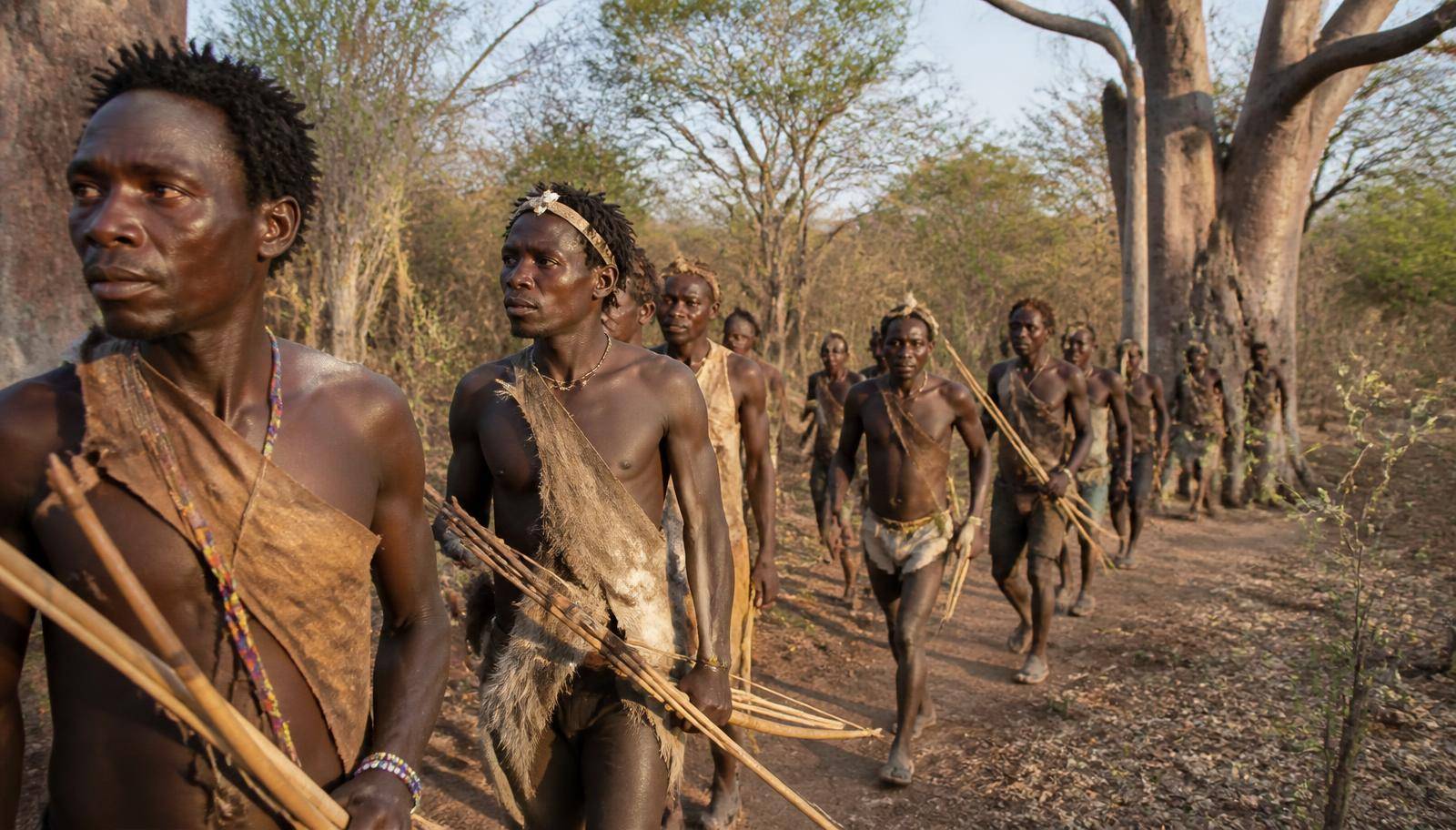
Culture
The Hadzabe Tribe in Tanzania: Culture, Traditions & Responsible Travel
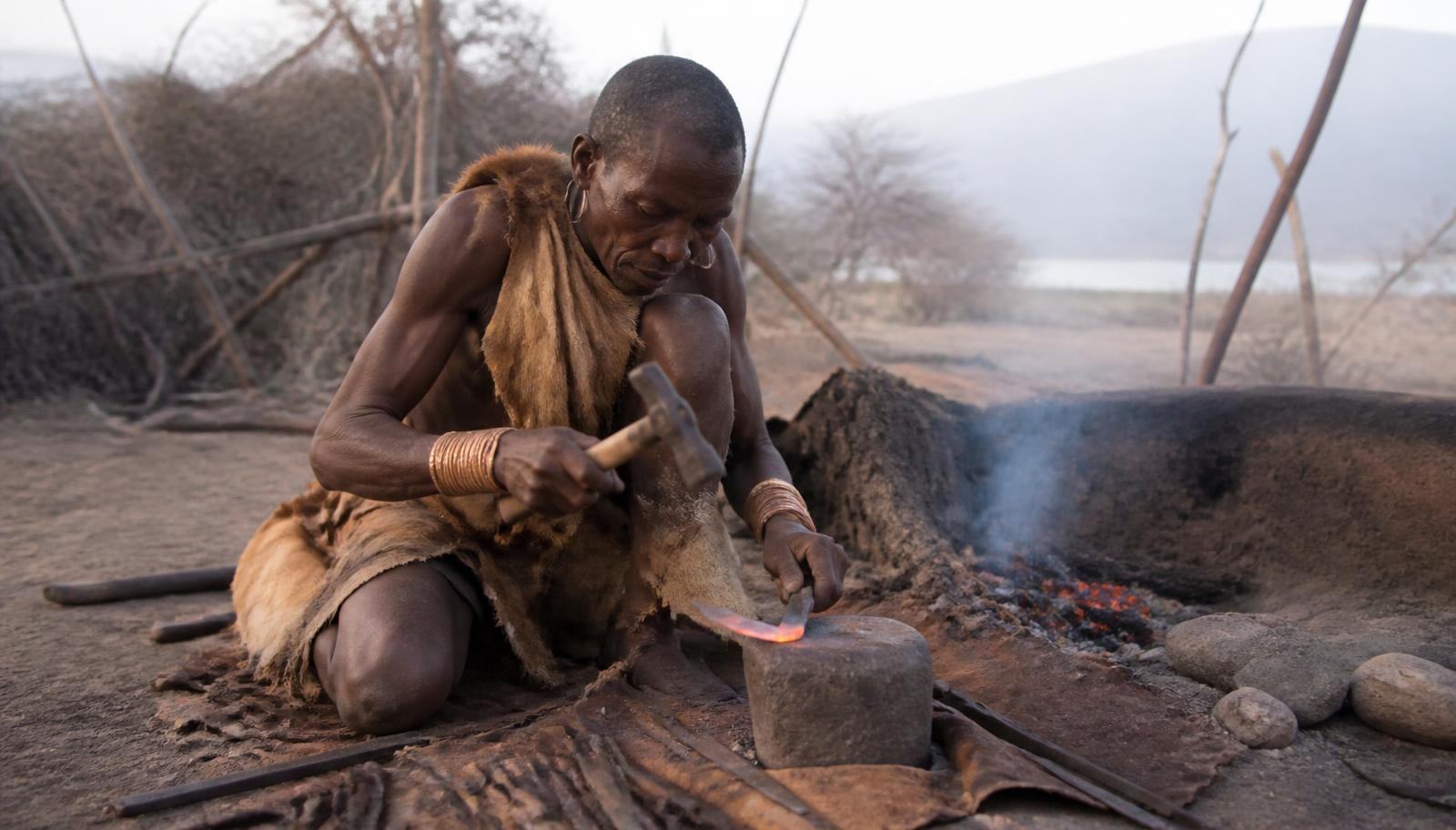
Culture
The Datoga Tribe in Tanzania: History, Culture & Responsible Cultural Tourism
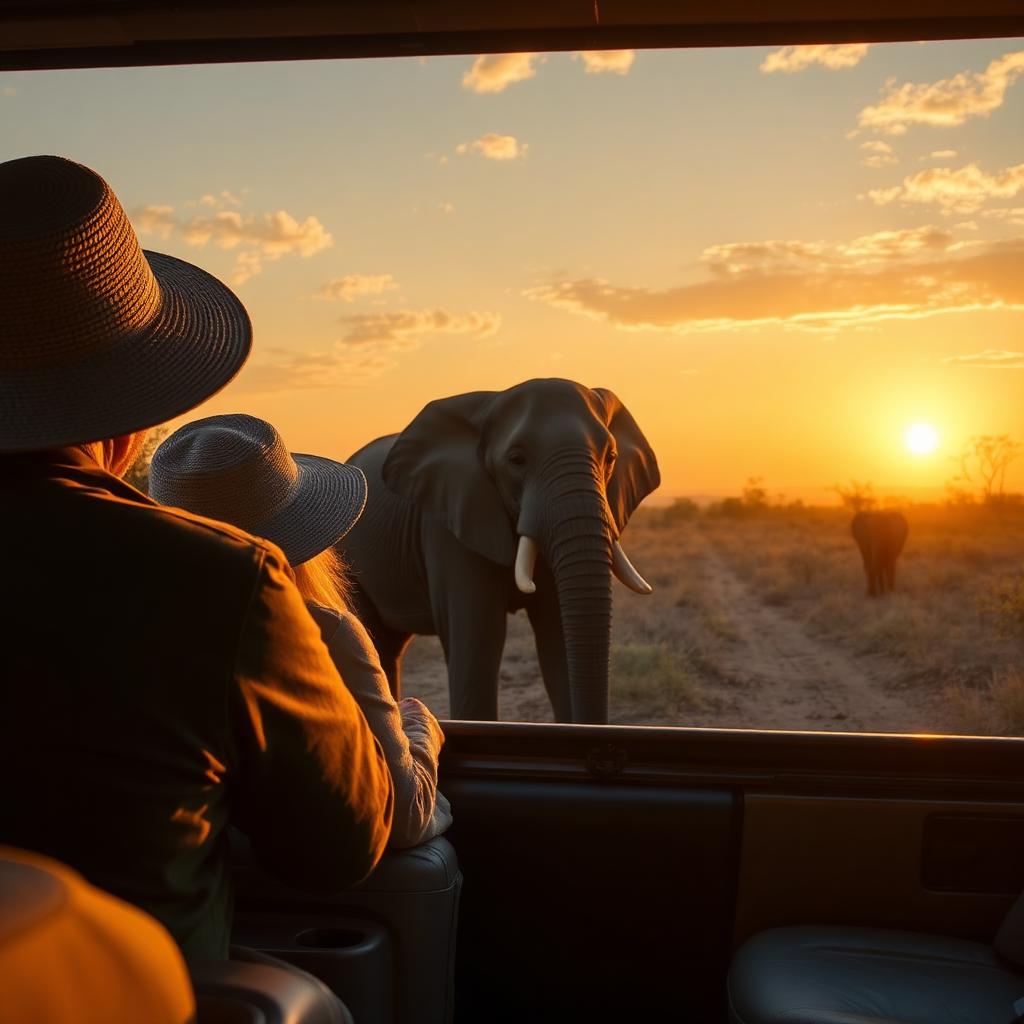
Culture
Tanzania Safari Etiquette: Essential Do's and Don'ts for First-Time Visitors
Safari Guides
The Ultimate Tanzania Travel Guide: Everything You Need to Know Before You Visit
Kilimanjaro
Mount Kilimanjaro Climbing Guide: Everything You Need Before Your Adventure
Zanzibar
Zanzibar Travel Guide: Everything You Need Before Visiting the Island
Plan Your Journey
Add an authentic Maasai cultural visit to your safari
We work with community-run programs in Longido, Monduli and Ngorongoro where the village sets the terms and receives the fees. Tell us your dates and we'll build a respectful cultural day into your Tanzania itinerary.
- TALA Licensed Operator
- 4.9 ★ Guest Rating
- No Booking Fees