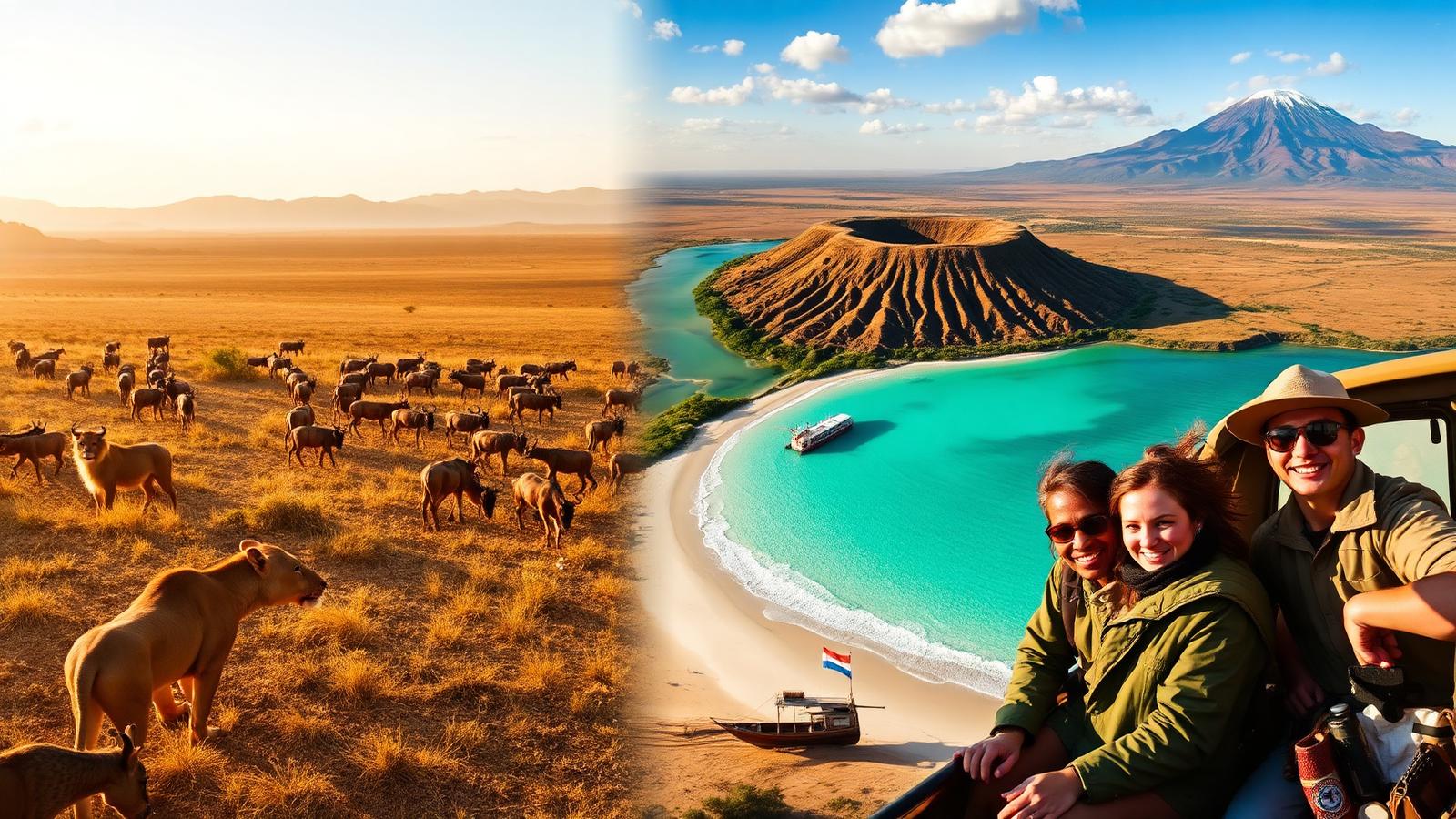
Serengeti & Wildlife
Lions of Tanzania: The Complete Safari Guide
Where to see Africa's king of the savannah, park by park and month by month — from the Arusha-based team that watches Tanzania's prides every week of the year.

There's a moment on every Tanzania safari that guests remember for the rest of their lives. It usually happens before breakfast. The Land Cruiser rolls to a stop in the tall grass, the engine dies, and thirty meters away a lioness lifts her head, looks straight at you, and yawns. The sound of the pride — cubs squeaking, a male's low rumble carrying across the plain — settles the whole vehicle into silence. That is the moment you meet the king of the savannah.
Tanzania is, quite simply, the best country on earth for wild lions. We hold roughly 40% of Africa's remaining lion population — around 14,000 to 15,000 individuals — across ecosystems that stretch from the volcanic caldera of Ngorongoro to the endless plains of the Serengeti and the baobab-studded wilderness of Ruaha. This guide is the one we wish every guest read before they stepped off the plane in Arusha: where the lions actually live, how they behave, when to visit, and how to plan a safari that gives you the encounters most travelers only dream of.
Why Tanzania Is One of the Best Places to See Lions
Kenya's Masai Mara gets more magazine covers, and South Africa's Kruger sells more lodge nights, but neither country comes close to Tanzania for wild lions. Three things put us in a category of our own.
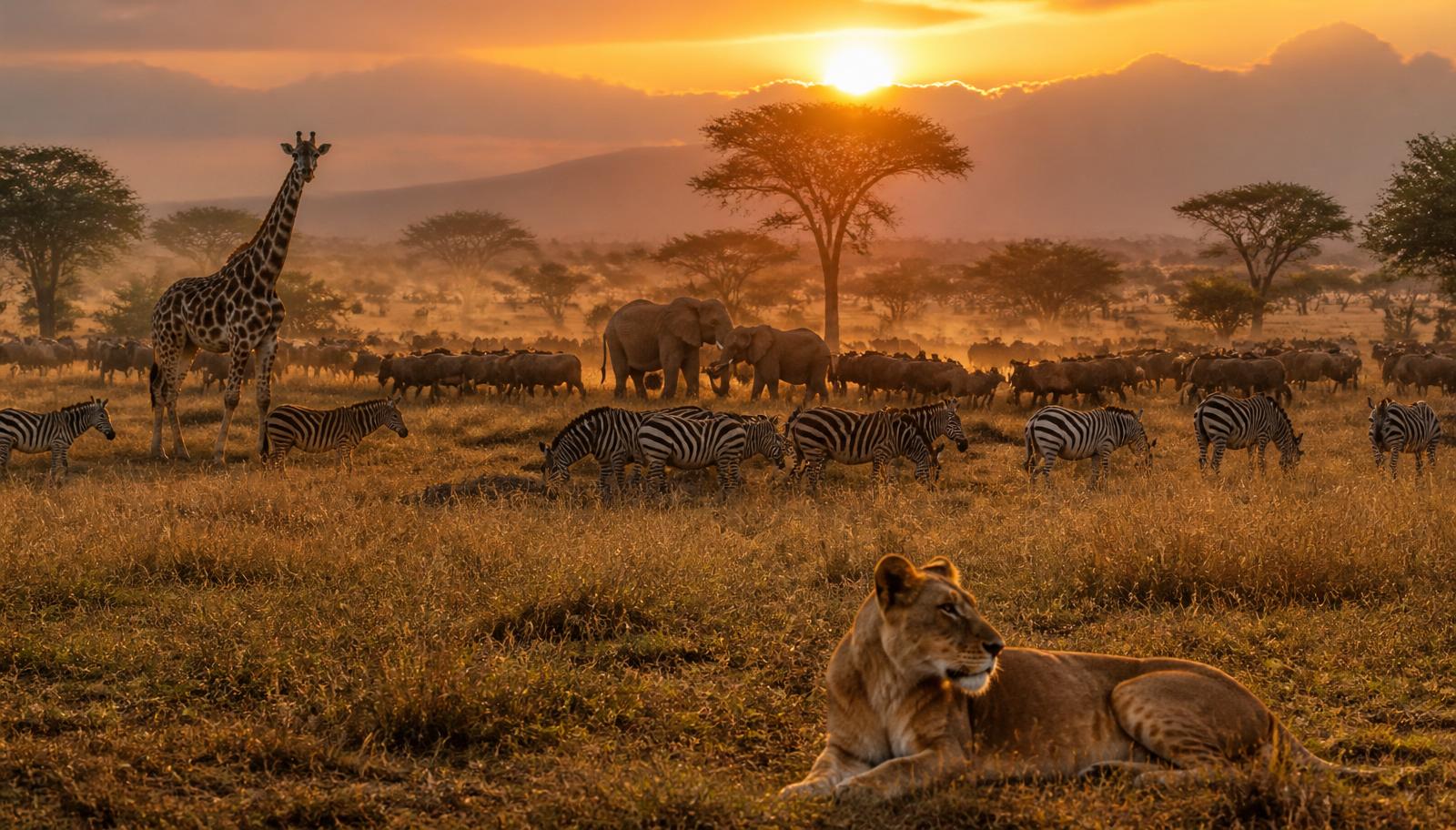
Scale. The greater Serengeti ecosystem is nearly 30,000 km² of protected savanna — five times the size of the Masai Mara. That space supports the largest connected lion population on earth. Prides here have never been isolated, which means genetic diversity remains intact and pride structures still function the way they evolved to function.
Habitat variety. In a single Tanzania itinerary you can watch lions on open short-grass plains (southern Serengeti), climbing acacias (Lake Manyara), stalking through miombo woodland (Ruaha), lying on volcanic rock kopjes (central Serengeti), or dozing on the floor of an ancient caldera (Ngorongoro). No other country lets you observe the same species behaving this many different ways.
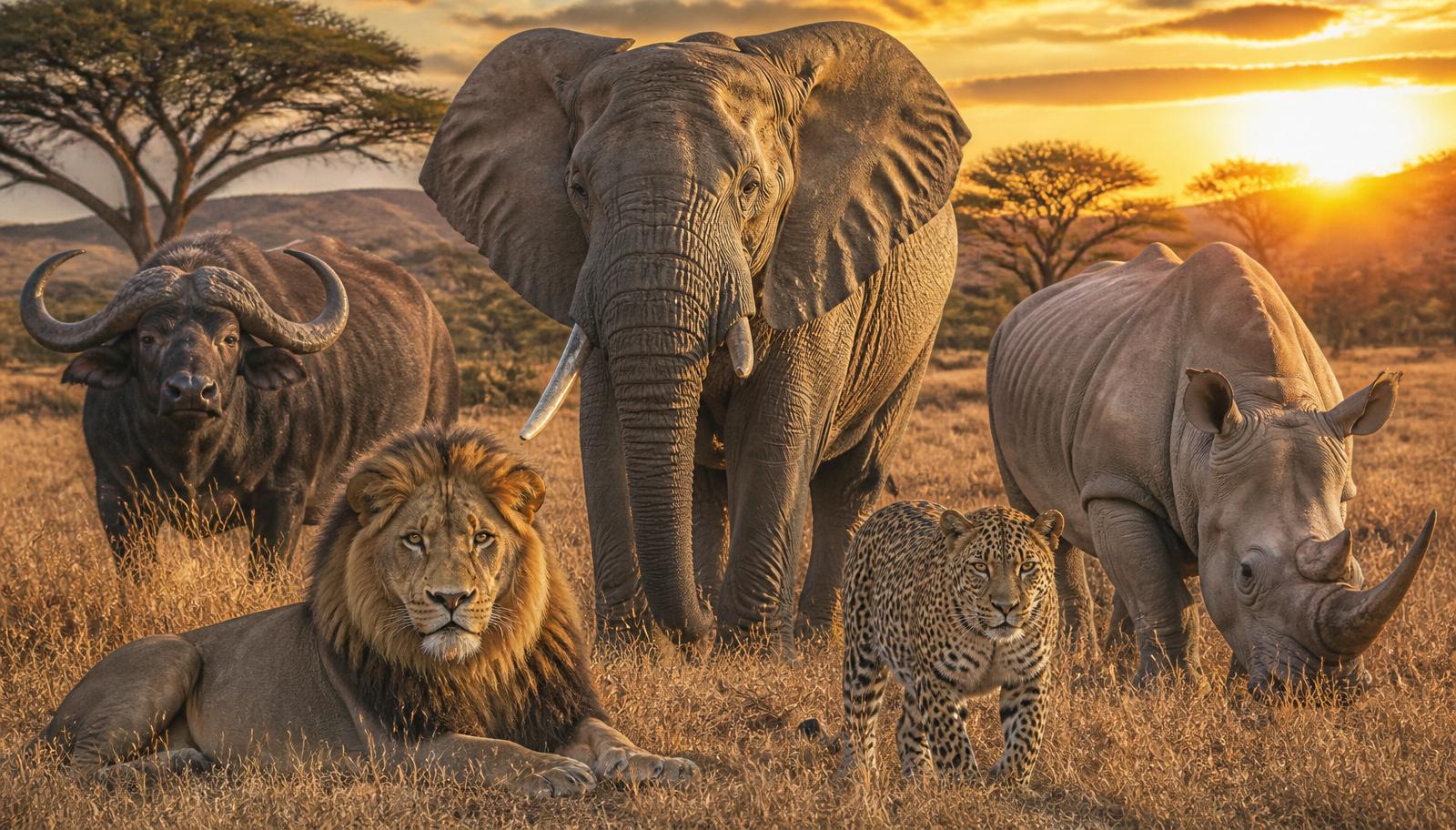
Access without crowds. Tanzania's parks are large enough that even in peak season a good guide can move you away from vehicle clusters. In Ruaha and Katavi you can watch a pride of twenty lions for an hour and never see another Land Cruiser. That kind of solitude is almost extinct in East Africa outside Tanzania. For the wider context, read our Big Five in Tanzania guide, where lions sit at the top of every guest's wishlist.
Lion Population in Tanzania
Wild lion numbers across Africa have collapsed from an estimated 200,000 in 1975 to around 20,000 today — one of the great conservation losses of our lifetimes. Tanzania is the exception. Our population has held steady at roughly 14,000 to 15,000 individuals for the last decade thanks to a combination of huge protected landscapes, tourism revenue, and improving human-wildlife coexistence programs around park borders.
| Ecosystem | Estimated lions | Notes |
|---|---|---|
| Greater Serengeti | ~3,500 | Largest single population on earth; 300+ known prides |
| Ruaha–Rungwa | ~2,000 | About 10% of Africa's remaining lions; largest prides in Africa |
| Selous / Nyerere | ~4,000 | Vast, wild population; hunted historically, now protected |
| Katavi | ~1,000 | Enormous dry-season prides tied to hippo and buffalo densities |
| Ngorongoro Crater | ~60 resident | Highest density on earth per km² |
| Tarangire | ~500 | Concentrated around Silale Swamp in dry season |
| Lake Manyara | Small resident group | Famous tree-climbing behavior |
These are working estimates — accurate counts of a nocturnal apex predator across this much terrain are impossible — but the ranking is well established and stable. What matters for planning: if you want a serious lion safari, you pick between the northern circuit (Serengeti + Ngorongoro) for reliability and density, or the southern circuit (Ruaha, Katavi, Nyerere) for scale and solitude.
Lion Behavior and Social Structure
Lions are the only truly social cat. Every other big cat — leopard, cheetah, jaguar, tiger — is essentially solitary. Lions live in prides of 3 to 30 individuals, and understanding pride structure changes everything about what you see on safari.
The pride
A typical Serengeti pride is 6–12 lionesses (all related — mothers, daughters, sisters, cousins), their dependent cubs, and one to four adult males called a "coalition." The females do 80–90% of the hunting and stay in the same territory for their entire lives. Males are transient. A coalition may hold tenure of a pride for two to four years before being pushed out by younger, stronger challengers.
Coalitions
Male lions typically leave their birth pride at 24–36 months, forming coalitions with brothers or unrelated bachelors. These coalitions patrol enormous territories — up to 400 km² — roaring at dusk and dawn to warn rivals. A pair of males can hold a pride; three or four brothers can hold two prides at once. This is why some Serengeti coalitions become legendary — the "Black Manes of Sametu," for example, dominated central Serengeti for six years.
Communication
Lions communicate constantly. Roars travel eight kilometers on a still Serengeti night and are used to declare territory, locate pride members, and intimidate rivals. Head-rubbing is a bond-strengthening ritual — always watch when a pride regroups at dawn; the cheek-rubs and low grunts are the family greeting. Tail-tip flicks, ear positions and the flehmen response (that upper-lip curl) all mean something specific. A good guide will translate for you in real time.
Best National Parks to See Lions
Every safari park in Tanzania has lions, but five stand out. Here's how they compare for lion viewing specifically.
| Park | Density | Sighting probability | Best for |
|---|---|---|---|
| Serengeti (Seronera) | Very high | 95%+ multiple sightings per day | First-timers, big prides, lion-on-kopje photos |
| Ngorongoro Crater | Highest per km² | 95%+ within a single day | Dark-maned males, up-close encounters |
| Lake Manyara | Low but iconic | 40–50% | Tree-climbing lions, forest sightings |
| Tarangire (dry season) | Moderate–high | 70–80% Jul–Oct | Dry-season prides at Silale Swamp |
| Ruaha | Very high | 80–90% | Enormous prides, solitude, big cats hunting buffalo |
| Katavi | Very high | 80–90% in dry season | Remote wilderness, hippo-hunting behavior |
| Nyerere (Selous) | High | 70–85% | Boat safaris, walking safaris, wild south |
Read our Serengeti Wildlife Guide for the deeper picture, and our Ngorongoro Crater Guide for the crater in detail.
Serengeti Lion Hotspots
The Serengeti's 14,750 km² can feel overwhelming until you know where to go. For lions specifically, there are four sectors that consistently deliver.
Seronera Valley (central Serengeti)
The single best all-year lion territory in Tanzania. Multiple resident prides use the Seronera River and its kopjes as vantage points. Sightings here are not a question of if but of how many — three or four separate prides in a single morning is normal. Kopjes like Simba, Maasai, and Moru are the classic photo locations.
Lobo (northeast Serengeti)
Quieter, wilder, and home to some of the largest coalitions in the ecosystem. Lobo's rocky outcrops and permanent water hold resident prides year-round, and during the migration's return south (November) prey is abundant.
Northern Serengeti (Kogatende, Lamai)
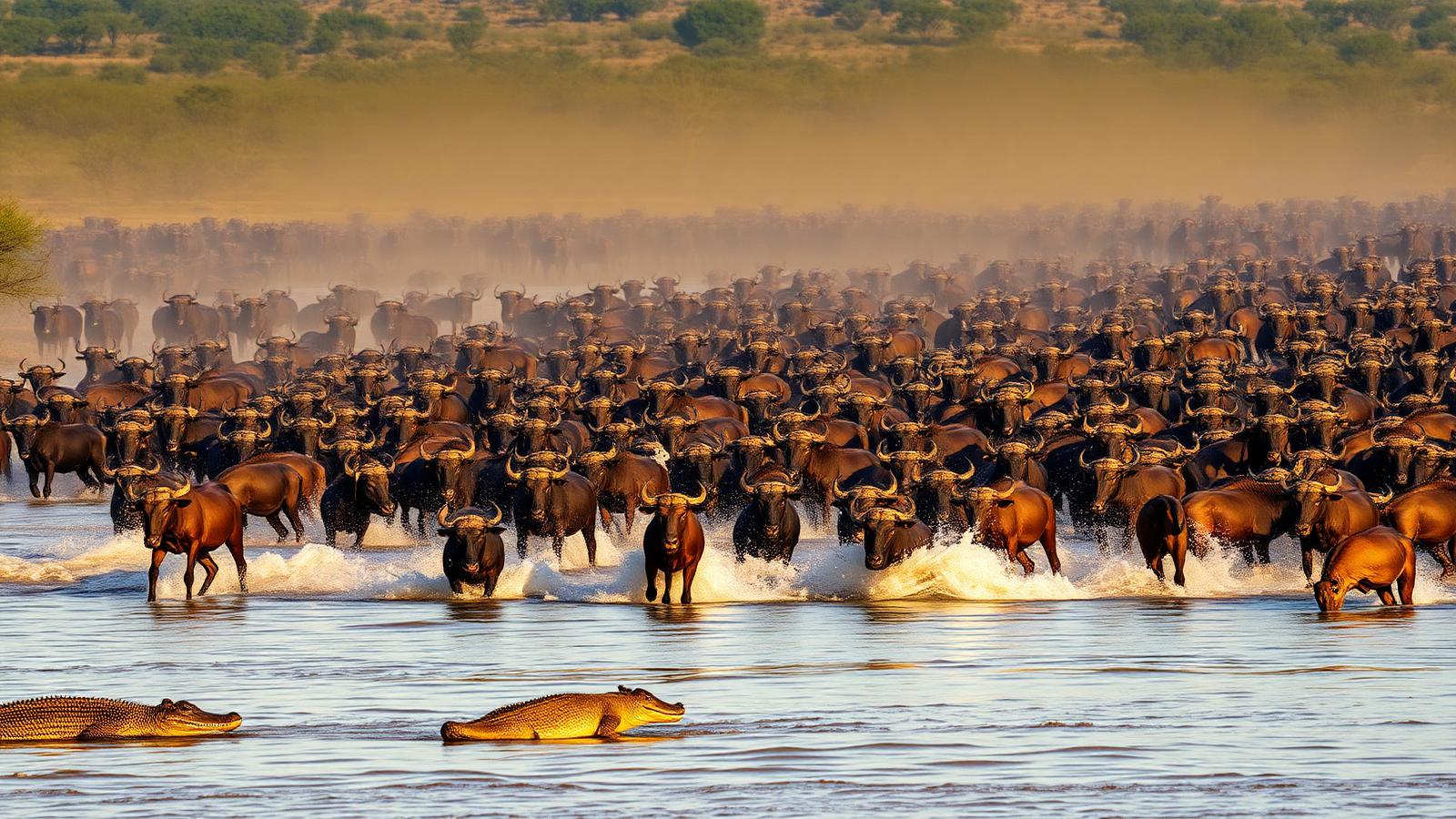
From July through October, the lions here follow the Mara River wildebeest crossings. Watching a pride ambush wildebeest at a crossing point is one of the most powerful predator experiences on the continent. Our Northern Serengeti Guide breaks this down month by month.
Ndutu (southern plains)
From January to March, Ndutu is the epicenter of the wildebeest calving season — and lion behavior explodes. Lionesses time their own births to match, cubs are everywhere, and hunting success rates are among the highest anywhere. Our Ndutu Migration Guide covers the calving window in depth.
Ngorongoro Crater Lions
The Ngorongoro Crater is the most extraordinary lion habitat on earth. Around 60 lions live permanently on the crater floor — a 260 km² caldera surrounded by 600 meters of vertical wall — which gives Ngorongoro the highest lion density anywhere in Africa. The crater floor prides are also the most habituated wild lions on the continent. A crater male will walk within two meters of your Land Cruiser without a second glance.
Two features make Ngorongoro lions special. First, the males carry unusually dark, full manes thanks to cool crater temperatures and consistent nutrition. Second, the population is genetically isolated — very few lions climb in or out of the crater walls, so bloodlines are close and inbreeding is monitored by the Ngorongoro Conservation Area Authority. In the 1960s, a plague of biting flies nearly wiped the entire crater population out; today's 60 lions descend from just seven survivors.
Tree-Climbing Lions of Lake Manyara
Lake Manyara National Park is small (only 330 km² of land, plus the lake itself) but famous for one behavior found in almost nowhere else — lions that regularly climb into trees. The Manyara lions are usually seen draped across the horizontal branches of large acacia trees, ten meters off the ground, sound asleep.
Why they climb is still debated. The most credible theories are: to escape the swarms of tsetse flies on the ground, to catch cooler breezes in the heat of the day, and to gain a vantage point over the buffalo herds moving through the woodland. Whatever the reason, Manyara lions have been climbing trees for generations — cubs learn the behavior from their mothers.
Sightings here are not guaranteed. The Manyara population is small (fewer than 20 individuals) and the forest is dense. But when you find them, it is one of the most surreal images in African wildlife. Our Lake Manyara National Park Guide covers timing, lodges and how to combine Manyara with the wider northern circuit.
Best Time to See Lions
Lions are present every day of the year, but seasons and time of day change everything about your sighting rate and the quality of the experience.
| Season | Months | What to expect |
|---|---|---|
| Dry season (long) | Jun–Oct | Highest overall sighting rate; prides concentrate at water; kills are visible |
| Calving season | Jan–early Mar | Ndutu / southern Serengeti; intense predation; young cubs |
| Green season | Nov–Dec | Migration returns south; sightings still strong; low prices |
| Long rains | Mar–May | Green landscapes; grass tall; lions harder to find but photos beautiful |
For the full monthly picture, see our Best Time to Visit Tanzania guide.
Time of day matters as much as season. Lions sleep 18–20 hours out of every 24. The two windows when they actually move — hunting, patrolling, mating, greeting cubs — are dawn to about 8:30 AM and 4:30 PM to sunset. A game drive built around those windows will always beat a mid-morning drive, however comfortable the light may feel.
Lion Hunting and Feeding Behavior
Lions hunt cooperatively — the only cat that does — and that cooperation is what makes them so effective. A single lion catches perhaps 15% of what it chases. A coordinated pride of six catches closer to 40%, and against large prey like buffalo or giraffe, cooperative hunting is the only way it happens at all.
Most hunts occur at night. Lionesses do 80–90% of the work — they are lighter, faster and better camouflaged than males. Males contribute mainly to hunts of very large prey (buffalo, sub-adult giraffe, occasionally young elephant in Ruaha and Katavi) where their size and power are decisive.
The technique is almost always the same: encircle at distance, close the gap by stalking through cover, and rush from 20–30 meters. Lions cannot sustain a chase beyond 200 meters — their heart-to-body ratio is small. Prey that gets past the ambush usually escapes. What you sometimes witness in the northern Serengeti is the exception: a wildebeest crossing point where prey is exhausted and pinned, and the pride hunts by attrition rather than stalk.
At the kill
Once a kill is made, hierarchy takes over instantly. Adult males eat first (regardless of who caught the prey), then dominant females, then the rest of the pride, then cubs. Scavengers arrive within minutes — hyenas, vultures, jackals — and the pride will defend the carcass aggressively. Some of the most powerful safari moments happen at a fresh kill, but they can also be graphic. Ask your guide what to expect before deciding how close to approach.
Lion Cubs and Breeding Season
Lions breed year-round in Tanzania. There is no fixed mating season, but pride biology tends to synchronize births — several lionesses in the same pride often give birth within weeks of each other, which allows communal nursing and cooperative cub protection.
Gestation is 110 days. Cubs are born blind, weighing about 1.5 kg, and hidden in dense cover for the first six to eight weeks. This is the most vulnerable period — mortality can exceed 50% due to predation by hyenas, leopards and (heartbreakingly) invading male coalitions who kill unrelated cubs to bring females back into estrus.
Once cubs emerge into the pride at around 8 weeks, they become the most entertaining thing on safari. Wrestling, tail-chasing, stalking their siblings, and learning to react to the pride's calls — it is impossible to watch a mob of lion cubs and not smile. Cubs are fully weaned at 6 months, hunting alongside adults by 12 months, and reproductively mature at 3 to 4 years.
When to see cubs: the January–March calving season on the southern Serengeti plains is peak cub season, because lionesses time births to the wildebeest calving explosion. Ndutu in particular usually has visible cubs at every second sighting during this window.
Photography Tips
Lions are forgiving photographic subjects — they hold still, they tolerate close approaches, and they occupy landscapes that photograph beautifully. A few specifics from thousands of drives.
- Lens: a 100–400mm or 200–500mm zoom covers 90% of situations. Add a 70–200mm for pride-in-landscape shots and a fast prime (85mm f/1.4) for low light.
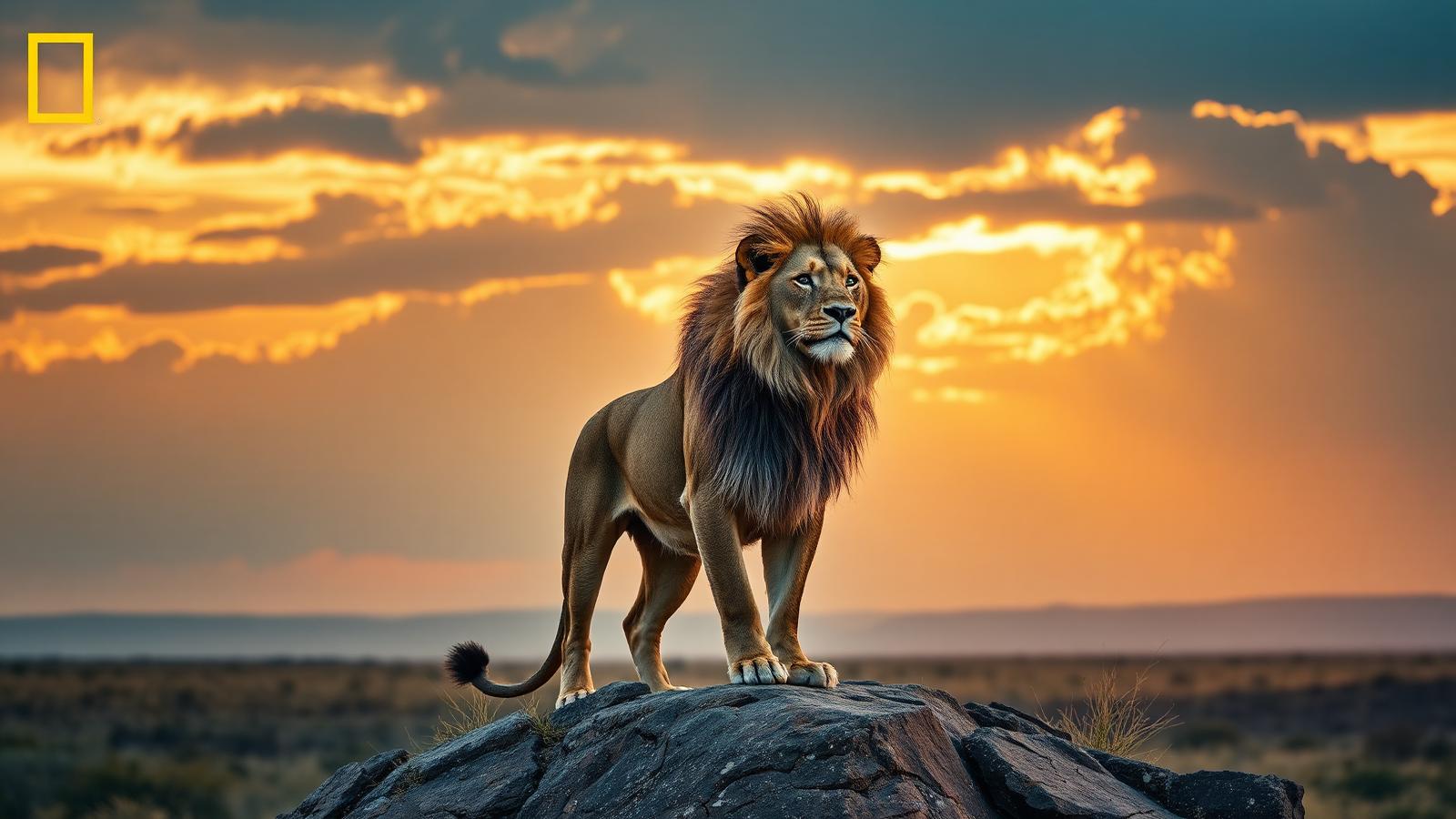
- Light: the first 45 minutes and last 45 minutes of daylight are non-negotiable. A male lion's mane backlit by a Serengeti sunrise is the classic frame — ask your guide to position with the sun behind the subject.
- Focus: always on the nearer eye. For sleeping lions, focus on the ear tip if the eyes are closed. Continuous autofocus (AI-Servo / AF-C) with animal-eye detection if your camera has it.
- Stability: a bean bag on the vehicle window is faster and steadier than a tripod. Turn the engine off when you frame — vibration is your enemy.
- Behavior over portrait: the best lion photographs are behavioral — cubs playing, a pride greeting, a male roaring, a hunt beginning. Wait for the moment. The static portrait is easy; the story is hard.
- Wide shots too: don't fill every frame with head-and-shoulders. A tiny lion pride on a Ngorongoro landscape says something no zoom can say.
For a fuller technical breakdown, see our Tanzania Safari Photography Guide.
Lion Conservation in Tanzania
Lions are classified as Vulnerable by the IUCN, with African populations having fallen roughly 43% over three generations. Tanzania is one of the few countries where the trend has stabilized. Several factors contribute.
Protected landscape at scale. More than 22% of Tanzania is under some form of protection — a proportion few countries anywhere match. The greater Serengeti–Mara ecosystem alone is nearly 30,000 km² of contiguous habitat, and the Ruaha–Katavi–Selous complex in the south is even larger.
Tourism revenue. Every safari permit, park fee and lodge night funds anti-poaching patrols, veterinary care and community programs. When lions have measurable economic value, communities living alongside them are more likely to tolerate — and even protect — them.
Human-wildlife coexistence. Programs like the Ruaha Carnivore Project and the Serengeti Lion Project (one of the longest-running large-carnivore studies in the world) work directly with pastoralist communities on livestock-guarding dogs, predator-proof bomas, and compensation schemes. Retaliatory killing of lions after cattle predation has fallen sharply in the last decade.
Threats remain. Habitat fragmentation on park boundaries, road development (particularly the proposed trans-Serengeti highway), climate change altering prey distribution, and the illegal trade in lion body parts for traditional medicine — these are all active challenges. Responsible tourism is the single most important economic counterweight.
As a traveler you contribute simply by choosing a licensed Tanzanian operator, respecting park distance rules, and supporting community-run camps in the Loliondo, Randilen and Wildlife Management Area concessions. Read our Ultimate Tanzania Travel Guide for the wider planning context and Tanzania Safari Cost Breakdown for how tourism dollars flow into conservation.
Suggested Big Cat Itineraries
7-Day Northern Circuit — Classic Lion Safari
Arusha → Tarangire (2 nights) → Ngorongoro Crater (2 nights, full crater day) → Central Serengeti (3 nights). The highest-probability lion itinerary we run. Multiple sightings daily, all-in-one week. See our Best Tanzania Safari Itineraries for the full breakdown.
10-Day Big Cat Deep Dive
Adds Lake Manyara for tree-climbers and northern Serengeti (Kogatende) for Mara-crossing prides in July–October. Our most-requested photography-focused trip.
9-Day Southern Circuit — Wild Lion Country
Ruaha (4 nights) + Nyerere (3 nights), with a Zanzibar beach extension. Enormous prides, huge landscapes, almost no vehicles. For repeat safari-goers who want lions without the traffic.
Ndutu Calving Special (Jan–Mar)
Arusha → Tarangire (1) → Ngorongoro (1) → Ndutu / southern Serengeti (4). The densest predator action of the year and the best window for lion cubs. Read our Ndutu Migration Guide for the calving calendar.
Explore all curated options on our safari packages page, or send our team your dates and we'll design a private big-cat itinerary from scratch.
Common Questions
Frequently Asked Questions
Lions are found across every major Tanzanian safari park, but the strongest populations are in the Serengeti (about 3,000 lions), the Ngorongoro Crater (around 60 resident lions), Tarangire (dry-season prides around Silale Swamp), Ruaha (Tanzania's largest population outside the Serengeti at around 10% of Africa's lions), and Nyerere (Selous). Lake Manyara is famous for a small tree-climbing population, and Katavi holds huge prides that follow buffalo herds. For a first Tanzania safari, the Serengeti + Ngorongoro combination is the highest-probability lion route on the continent.
The Serengeti holds the most lions in absolute numbers — around 3,000 individuals in more than 300 known prides, the largest lion population of any single ecosystem on earth. Ruaha National Park is second, with roughly 10% of Africa's remaining lions and some of the largest average pride sizes anywhere. For density per square kilometer, the Ngorongoro Crater is unmatched — 60 lions inside a 260 km² caldera means you rarely spend a morning without a sighting.
Yes. Lions breed year-round in Tanzania, so cubs are always somewhere in the ecosystem. Cubs stay hidden for their first 6–8 weeks, then join the pride and are visible during daylight — playing, wrestling, and learning to hunt. The southern Serengeti during the January–March calving season is the best time to see very young cubs, because pregnant lionesses time births to coincide with the wildebeest calving explosion and its abundant prey.
The dry season — June through October — is the highest-probability window. Water sources shrink, prides congregate near rivers and swamps, and grass is short enough that sightings are easy. The late-January to early-March calving season on the southern Serengeti plains is the other peak: predator action is at its most intense as thousands of newborn wildebeest arrive daily. Time of day matters too — dawn and the last hour before sunset are when lions actually move.
Lions are primarily crepuscular and nocturnal — most hunting happens between dusk and dawn. During the heat of the day they sleep, often for 18–20 hours out of every 24. But 'sleeping lions' are still one of the great safari experiences: you can watch a pride at ten meters, listen to cubs squabble, and see the entire social structure of the pride at rest. Early morning drives (5:30–8:30 AM) and late-afternoon drives (4:30–6:30 PM) give you the best chance of active behavior — hunting, mating, cub interaction and pride reunions.
From a vehicle, no. Lions do not perceive a game-drive 4×4 as a threat or as food — they simply see one large, non-food object and ignore it. This is why guides insist on staying seated and never standing up: as long as your outline doesn't separate from the vehicle, you are invisible. Walking safaris are a different matter and are only conducted by highly trained, armed guides at conservative distances. In more than two decades of guiding, incidents involving lions and tourists in vehicles are vanishingly rare.
Yes — closer than almost anywhere else in Africa. Tanzania's park rules allow vehicles within roughly 25 meters of big cats, and habituated prides in Seronera, the Ngorongoro Crater and Ndutu often ignore the vehicle entirely. A 100–400mm or 200–500mm zoom lens covers most situations. A bean bag on the window sill is more stable than a tripod. For portraits, focus on the near eye and shoot at first or last light — the low golden sun on a mane is the classic Serengeti frame.
A 7-day northern circuit — Arusha, Tarangire, Ngorongoro Crater and central Serengeti — is our most popular lion itinerary and delivers multiple sightings virtually every day. For serious lion travelers, add 2–3 nights in Ndutu during January–March (calving season) or in northern Serengeti during July–October (Mara River crossings). For remote, high-density lion viewing away from vehicles, Ruaha or Katavi in the southern circuit is exceptional. Tell our team you want a big-cat-focused safari and we'll build the itinerary around known pride territories.
Conclusion
Tanzania holds around 40% of Africa's remaining wild lions — more than any other country on earth. Whether it's a black-maned crater male at dawn, a Seronera pride draped across a kopje, a Manyara lioness dozing in an acacia branch or a Ruaha pride hunting buffalo at dusk, the lion is the animal that defines a Tanzania safari. With the right park, the right season and a guide who reads the bush, you don't just see lions — you understand them.
The lion is the animal that draws most travelers to Africa in the first place, and Tanzania is where you should be to meet them properly. Not in a zoo, not behind a fence, not glimpsed at a hundred meters — but sitting quietly in a vehicle, engine off, at ten meters from a pride that has been in this valley for generations. When you're ready to plan that trip, we're here.
Plan Your Journey
Design your Tanzania big cat safari
Tell our Arusha team your dates and travel style — we'll build a private, tailor-made itinerary focused on Tanzania's incredible lion prides and big cats.
- TALA Licensed Operator
- 4.9 ★ Guest Rating
- No Booking Fees