
Safari Planning
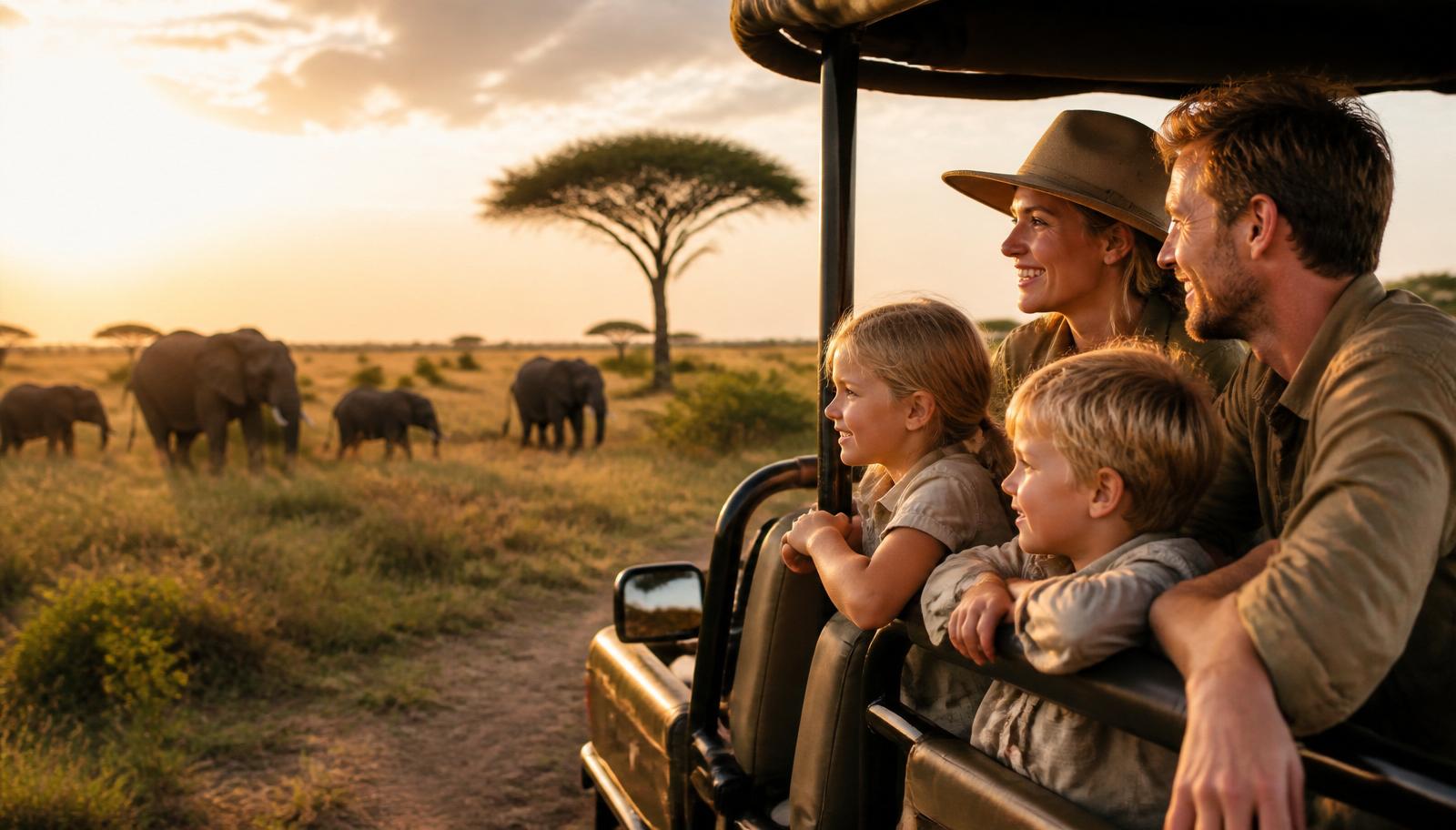
Family Safari in Tanzania: Everything Parents Need to Know
An Arusha-based planner's guide to ages, parks, daily pacing, driving times, lodges and Zanzibar extensions — written for parents deciding whether a Tanzania family safari is right for their children.

Most parents who contact us about a family safari are not asking whether Tanzania has good wildlife. They already know it does. They are asking something more practical: will a week of early mornings and long drives work for a seven-year-old, a teenager and two adults who would quite like to relax at some point.
That question has a real answer, and it depends far more on how the trip is built than on the country itself. A family safari uses the same parks as any other safari, but the pacing, the vehicle arrangement and the choice of lodges carry much more weight. This guide covers the decisions that actually change the experience, including the ones we advise families against.
Is Tanzania Good for Families?
For most families, yes — and the reasons are structural rather than sentimental. The northern circuit packs four strong parks into a compact area, so you are rarely more than a few hours from the next destination. Almost every safari here runs in a private four-wheel-drive vehicle with your own guide rather than a group coach, which means your day is yours to adjust. Lodges across every price band are accustomed to children, and English is the working language of the industry.
There is also a practical safety picture that reassures most parents once they understand it. Game drives happen inside the vehicle, guides are licensed, and camps either sit behind fencing or use escorts between rooms after dark. Our separate guide on travel safety in Tanzania covers the country-level detail in full.
Where families struggle is when the itinerary ignores the realities of traveling with children: too many parks, too many transfer days, and no unscheduled time. That is a planning problem, not a destination problem, and it is fixable.
Recommended Ages, Honestly Assessed
Age is the first thing we ask about, because it determines the route more than the budget does. No single age is wrong for Tanzania, but the plan has to change with it. Children also differ enormously — some five-year-olds watch a lion for twenty minutes, and some twelve-year-olds lose interest after ten. Treat the table below as a planning guide, not a promise about your own child.
| Age | How it usually goes | How to plan around it |
|---|---|---|
| Under 4 | Possible, but the safari is mostly for the parents. | Stay in one or two lodges, keep game drives to 2–3 hours, and accept that naps will shape the day. Several camps set minimum ages, so the property list gets short. Confirm each lodge's child policy in writing before you pay a deposit. |
| 5 to 6 | Works well when the pace is built around them. | Two short drives beat one long one. Pick lodges with a pool and open lawn space. Tarangire and the Ngorongoro highlands suit this age better than long Serengeti transfers. |
| 7 to 12 | The easiest age range on safari. | Children can manage a full-day drive with breaks, follow a guide's explanations, and use binoculars properly. Most of the standard northern-circuit routes work with only small adjustments. |
| 13 to 17 | Strong fit, with a caveat about interest levels. | Teenagers usually engage deeply once they have a role — photography, navigation, species lists. Where permitted and age-appropriate, walking activities and balloon flights give them something distinct from a family drive. |
| Multi-generational | Common, and manageable with the right vehicle plan. | Two vehicles for groups over six, seat choice for grandparents, and at least one internal flight to remove a long transfer day. Ground-floor or low-step rooms should be requested at booking. |
Best Parks for Families
Families do not need a different set of parks; they need a shorter list of them. Three destinations do most of the work, and each earns its place for a different reason.
| Park | Why it works with children | What to plan around |
|---|---|---|
| Tarangire | Short driving distances, dense elephant activity in the dry season, and a landscape that reads clearly to children — baobabs, river, herds. | Wildlife concentrates along the river from roughly July to October. In the green season animals disperse and sightings take longer. |
| Ngorongoro Crater | One descent delivers the widest range of large mammals in the shortest time, which suits shorter attention spans. | The descent-to-ascent window is limited by park rules, so it is a structured day with an early start and a picnic lunch. Rim mornings are cold. |
| Central Serengeti (Seronera) | Reliable predator activity close to camp, plus family rooms and pools at several established properties. | Getting there by road is a long day. Flying in from Arusha or the crater keeps the trip comfortable for younger children. |
| Lake Manyara | Compact, shaded, and easy as a half-day on the way to or from the highlands. Baboons, hippos and birdlife hold attention. | It is a supporting park, not a headline one. Treat it as a break in a transfer day rather than a two-night stop. |
| Arusha National Park | Close to town and useful for a jet-lag day. Giraffe, colobus monkeys and easy walking areas where permitted. | No lions or elephants in numbers. It complements a safari; it does not replace one. |
| Southern and western parks | Wild, quiet and rewarding for experienced safari travelers. | Longer flights, fewer family rooms, and more remote medical access. We rarely recommend them for a first family trip. |
For deeper detail on each destination, our Tarangire guide, the Ngorongoro Crater guide and the Serengeti wildlife guide cover terrain, seasons and species in far more depth than a family overview can.
How Long Should a Family Safari Be?
Five days is enough for Tarangire and the crater. Seven to eight days lets you add the Serengeti without rushing. Ten days gives you room for slower mornings and a second Serengeti area. Beyond ten days on safari alone, most children start to flag, which is precisely why the beach extension exists.
- 4–5 days: Tarangire plus the Ngorongoro Crater, with Lake Manyara as a half-day. Short, coherent, and easy on younger children.
- 7–8 days: The standard family route, adding two or three nights in the central Serengeti with one internal flight.
- 10 days: The same route with genuine rest days and a second Serengeti region, which suits teenagers and keen photographers.
- 12–14 days: Safari plus Zanzibar. The version most families tell us afterwards they were glad they booked.
If you want to compare routes by length rather than by audience, our itinerary comparison guide sets out the main options side by side.
A Family-Friendly Itinerary That Works
The eight-day plan below is close to what we build most often for a family of four with children between roughly six and fourteen. It deliberately alternates a demanding day with an easier one, and it flies the longest leg.
| Day | Plan | Pacing |
|---|---|---|
| Day 1 | Arrive, transfer to a lodge near Arusha, pool and early dinner. | Recovery day, no game drive. |
| Day 2 | Drive to Tarangire, afternoon game drive. | About 2.5 hours driving, 3 hours in the park. |
| Day 3 | Morning drive, lunch at camp, optional short afternoon drive. | Free afternoon built in. |
| Day 4 | Transfer toward the Ngorongoro highlands with a Lake Manyara or Karatu break. | Split transfer, no full day in the vehicle. |
| Day 5 | Crater descent with picnic lunch, back to the lodge mid-afternoon. | Long but high-reward day; early start. |
| Day 6 | Fly to the central Serengeti, afternoon drive near camp. | Replaces a 6-hour road transfer. |
| Day 7 | Morning drive, camp time, short sunset drive. | Two short outings instead of one long one. |
| Day 8 | Final morning drive, fly out to Arusha or on to Zanzibar. | Travel day. |
The daily rhythm that suits children
Wildlife is most active early, so a 6:00 or 6:30 departure is normal. With children we usually run a three-hour morning drive, return to camp for brunch, leave the middle of the day free, then head out again from around 4:00 p.m. for two hours. That structure gives you the two best light windows and gives children a swim, a nap or a book in between. Full-day drives with a picnic still have a place — the crater in particular — but one or two in a week is plenty.
Managing Long Drives
Driving times are the part families most often underestimate. Roads inside the parks are unpaved and slow by design, and the map distance tells you very little. These are realistic planning figures rather than best-case ones.
| Leg | Typical time | Family note |
|---|---|---|
| Kilimanjaro Airport → Arusha | About 1 hour | Easy arrival leg. Worth an overnight before any long driving. |
| Arusha → Tarangire | 2 to 2.5 hours | The gentlest first safari day for young children. |
| Tarangire → Ngorongoro rim | 3 to 4 hours | Break it with a stop at Lake Manyara or Karatu. |
| Ngorongoro rim → central Serengeti | 5 to 7 hours by road | The day most families should replace with a flight. |
| Central Serengeti → Arusha | About 1 hour by air | Light aircraft; luggage limits apply, usually soft bags only. |
| Arusha → Zanzibar | About 1.5 hours by air | Direct hops also run from some Serengeti airstrips in season. |
- Break transfers into two halves with a proper stop — a viewpoint, a coffee in Karatu, or a short Lake Manyara loop.
- Ask your guide to plan a bathroom stop schedule in advance; facilities on transfer routes are limited and spaced unevenly.
- Sit younger children in the middle row. It is the least bumpy position and closest to a parent.
- Download offline audiobooks or music before you travel. Mobile coverage across the parks is patchy, and a headset for the dull stretch of a transfer is not a failure of the safari.
- Where the budget allows, convert the crater-to-Serengeti leg into a flight. Nothing else buys back as much of the day.
Private vs Shared Safari for Families
On a shared group departure you travel with strangers on a fixed schedule. That arrangement can be perfectly good value for two adults. With children it usually is not, because the whole advantage of a family itinerary is the ability to change it mid-morning.
A private vehicle gives you four things that matter with children:
- The ability to return to camp early when a child is tired, without negotiating it with six other travelers.
- Departure times you choose, including a later start after a rough night.
- A guide who learns what your children respond to and adjusts the commentary accordingly.
- Space — seats, bags, snacks, and a window each, which prevents most of the small arguments.
If cost is tight, the trade-off we suggest is a private vehicle with mid-range lodges rather than a shared vehicle with smarter camps. Our comparison of luxury and mid-range safaris explains where the extra spend does and does not change the day.
Accommodation Considerations
Lodge choice affects a family trip more than it affects a couple's trip. The questions that matter are rarely about décor.
- Room configuration. Family rooms, interconnecting rooms and triple tents are limited in number and go early. Ask what is actually available for your dates rather than what the property offers in general.
- Minimum age. Some camps accept children only above a certain age, and some restrict very young children in particular room types. Policies differ by property and season, so confirm them at booking.
- Distance between rooms and the main area. In unfenced camps you are escorted after dark, which is safe but means you cannot leave older children alone in a tent while you have dinner across the camp.
- A pool or shaded space. The middle of the day is long. Somewhere to swim or move around changes the afternoon mood entirely.
- Power and charging. Some camps run generators or solar on a schedule. If a device keeps your child settled on transfer days, check when it can be charged.
- Location relative to game areas. A camp thirty minutes closer to the wildlife saves an hour a day, which is worth more than a larger room.
Food and Meal Planning
Safari catering is generally reliable. Lodges cook to a set menu or buffet with plenty of simple options — rice, pasta, grilled chicken, fresh fruit, soups and bread. Most kitchens will cook something plain on request for a child who is not adventurous with food, but they need notice, particularly at small camps that carry limited supplies.
- Declare allergies and dietary needs at booking, then confirm again on arrival at each property. Remote camps restock infrequently.
- Ask for early dinner for younger children. Many camps serve at 7:30 or 8:00 p.m., which is late after a 6:00 a.m. start.
- Bring a small supply of familiar snacks for the first two days. It smooths the transition more than anything else you can pack.
- Stick to bottled or filtered water, cooked food and peeled fruit. Our vehicles carry a cool box, and most lodges provide refill stations.
- Picnic lunches on full-day drives are standard. If your child will not eat a packed box, arrange a return to camp for lunch instead — it is usually possible on a private itinerary.
Keeping Children Comfortable
Comfort on safari is mostly about temperature, dust and time. Mornings on the Ngorongoro rim can be genuinely cold, midday in Tarangire is hot, and the vehicle is open at the roof for much of the day. Layers solve most of it.
- Fleece and long trousers for the first two hours, shorts and a sun hat by ten o'clock.
- A buff or light scarf for dust on dry-season roads, which children tolerate better than they expect.
- A cushion or folded fleece for the seat on long transfers.
- Motion sickness remedies if your child is prone to it — park tracks are rough, and this is worth discussing with your doctor before travel.
- Their own small pair of binoculars. Sharing one pair between four people is a reliable source of frustration.
- A notebook or checklist so each drive has a task attached to it.
Wildlife Viewing With Children
Set expectations before the first drive. Wildlife viewing involves waiting, and a lion sleeping under a tree for forty minutes is a normal sighting rather than a disappointing one. Children who understand that in advance handle it well. Children who have been promised constant action do not.
Guides adjust naturally once they know your children's ages. With younger children they lean on the animals that are easy to find and fun to watch — elephants, giraffes, zebras, hippos, baboons — and keep explanations short. With older children they go further into behavior, tracks and ecology. Tell your guide on day one what your children are interested in; it changes the week.
A few practical points. Vehicles stay on the tracks and keep a distance from animals, and everyone stays seated when close to wildlife. Voices carry further than people expect, so quiet is a rule rather than a courtesy at sightings. Predator kills are part of the ecosystem and can be distressing for some children, so tell your guide in advance if you would rather move on. Our safari etiquette guide covers the wider conventions, including photography around local communities.
Safety and Health Considerations
The practical risks on a family safari are the ordinary ones: sun, dehydration, insect bites and unfamiliar food. They are manageable with preparation, and none of them are reasons to leave children at home.
- Medical advice comes first. Speak to a travel clinic well before departure about vaccinations and malaria prevention for each family member. Requirements and suitable medications depend on age, health and where you are traveling from, and we are not able to advise on them.
- Yellow fever certificates may be required depending on your route and any countries transited. Check the current entry rules for your itinerary before you book flights.
- Insect protection. Repellent at dusk, long sleeves in the evening, and mosquito nets where provided.
- Sun. Broad-brim hats, high-SPF sunscreen reapplied after the pool, and water in the vehicle throughout the day. Standing in an open roof at altitude burns faster than people expect.
- Travel insurance. Take a policy that includes medical evacuation and covers every family member. Read what it says about activities such as balloon flights.
- Medication and documents. Carry prescriptions in original packaging in hand luggage, with a doctor's letter, and keep passport copies separate from the originals.
On the ground, the rules are simple and your guide will reinforce them: stay in the vehicle unless the guide says otherwise, no standing while moving, no hands or arms outside the vehicle, and follow camp escort procedures after dark.
Family Packing Tips
Pack lighter than instinct suggests. Light aircraft transfers restrict luggage to soft bags with a weight limit that airlines set individually, so check the allowance for your specific flights. Most lodges offer same-day laundry, which means three or four outfits per child is genuinely enough.
- Neutral colors for game drives; avoid dark blue and black in tsetse areas.
- One warm layer per person for cold rim mornings and open-roof drives.
- Closed shoes for the vehicle, sandals for camp, swimwear for pools and the coast.
- Child-sized binoculars, a notebook and colored pencils.
- A comfort item for younger children, and headphones for older ones.
- Family first-aid basics, rehydration salts and any prescribed medication.
The full list, including adult gear, camera equipment and laundry strategy, is in our Tanzania safari packing guide.
Combining Safari With Zanzibar
The safari-then-beach pattern exists because it works. After a week of early starts, four or five nights on the coast lets everyone recover, and it gives children a completely different kind of day — shallow water, swimming, boats and no fixed schedule.
- Order matters. Safari first, beach second. Reversing it means starting the demanding half of the trip already relaxed, and most families find that harder.
- Length. Four nights is the minimum that justifies the flight; five or six is better if the trip allows.
- Where you stay changes the water. Tides on parts of the east coast recede a long way at low tide, which affects swimming. Northern and north-western areas are generally easier for young swimmers.
- Activities. Snorkeling trips, boat excursions and Stone Town's spice farms all work with children, with age and safety rules set by each operator.
For how the two halves connect logistically, see combining a safari with Zanzibar, and for choosing a coast and a resort area, where to stay in Zanzibar.
What Families Actually Spend
Family pricing works differently from couple pricing in three ways. Children sharing a room with parents often qualify for a reduced rate, park fees for children are lower than the adult rate, and a private vehicle cost is shared across the whole family rather than charged per person — which means a family of four gets better value from a private vehicle than a couple does.
- The vehicle and guide are a fixed daily cost for the group, so the per-person figure drops as the family gets larger.
- Park fees are charged per person per day at published government rates, with reduced rates for children in defined age bands. These are set by the authorities and change from time to time.
- Child rates at lodges are common but not universal, and they usually require the child to share with adults. This is a question to ask property by property.
- Internal flights are priced per seat, including children, so adding flights to a family of five costs more than it does for a couple.
Rather than repeat figures that vary by season and property, our safari cost breakdown sets out what each line item covers and how the totals are built. If you are still weighing up whether Tanzania is the right first safari at all, our guide for first-time visitors is the better starting point.
Common Mistakes Parents Make
These are the six we see most often, and all of them are easy to avoid at the planning stage.
| Mistake | What happens | Better approach |
|---|---|---|
| Booking too many parks in too few days | Children spend more hours in transit than watching animals, and everyone arrives tired. | Cut one park. Two nights minimum per destination, and use a flight for the longest leg. |
| Taking a shared group departure to save money | The vehicle runs on the group's schedule, not your child's, and you cannot cut a drive short. | Book a private vehicle. For families it is the single most useful line item in the quote. |
| Choosing a lodge on photographs alone | Beautiful camps with no pool, no shade and no space to move can be difficult with young children. | Ask about family rooms, minimum ages, pool safety, and how far the rooms are from the main area at night. |
| Planning full-day drives every day | Interest collapses by day four, usually right before the best sighting of the trip. | Alternate one demanding day with one relaxed day. Build in at least two unscheduled afternoons. |
| Leaving Zanzibar out of a long trip | Families finish the safari worn out rather than rested. | Add four or five nights at the coast at the end, not the beginning. |
| Confirming child policies too late | Age minimums, family room availability and child rates differ by property and can block a booking. | Confirm every child-related policy in writing at the quotation stage, before deposits are paid. |
Related Guides
- Tanzania Safari for First-Time Visitors — the basics of how a safari works before you plan a family version of it.
- Best Tanzania Safari Itineraries — route options compared by trip length.
- Tanzania Safari Cost — what each line item on a quotation actually covers.
- Tanzania Safari Packing List — the complete list, including luggage limits for light aircraft.
- Zanzibar and Safari Tanzania — how to join the two halves of the trip.
- Serengeti Wildlife Guide — species, seasons and where to find them.
Common Questions
Frequently Asked Questions
For most families, yes. The northern circuit parks sit close together, almost every safari runs in a private vehicle with your own guide rather than a group coach, lodges are used to children, and English is the working language of the industry. The trips that go wrong are usually the over-packed ones — too many parks and too many transfer days — rather than a problem with the destination itself.
Ages 7 to 12 are the simplest to plan for. Children in that range can manage a longer drive with breaks, follow a guide's explanations and use binoculars properly. From about 5 it works well with shorter drives and a slower route. Under 4 is possible but needs a single-base itinerary, short outings and careful lodge selection, since some properties set minimum ages. Children differ, so treat these as planning guides rather than rules.
Tarangire, the Ngorongoro Crater and the central Serengeti carry most family trips. Tarangire has short driving distances and strong dry-season elephant activity, the crater delivers a wide range of animals in a single structured day, and the central Serengeti combines reliable predator sightings with family rooms and pools. Lake Manyara works well as a half-day, and Arusha National Park is useful on a jet-lag day. Remote southern and western parks are better saved for a later trip.
Four to five days covers Tarangire and the crater. Seven to eight days adds the central Serengeti without rushing, and ten gives you genuine rest days. Beyond about ten days on safari alone, younger children tend to tire, which is why most families add four or five nights in Zanzibar at the end rather than extending the game drives.
In almost all cases, yes. On a shared departure the schedule belongs to the group, so you cannot return to camp early, start later after a bad night, or spend longer at a sighting your children are enjoying. A private vehicle also gives every child a window seat and space for bags and snacks. Because the vehicle is a fixed daily cost shared across the group, families get better value from it than couples do.
Cut a park from the itinerary, keep two nights minimum in each place, and fly the longest leg. A typical family day is a three-hour morning drive, brunch back at camp, a free middle of the day, then two hours out again in the late afternoon. Full-day drives have their place — the crater in particular — but one or two in a week is enough.
Ask what family or interconnecting rooms are actually available for your dates, what the minimum age is for children in that room type, how far the rooms sit from the main area at night, whether there is a pool or shaded space, when power is available for charging, and whether early dinner can be arranged. Policies vary by property and season, so get the answers in writing at the quotation stage.
Most kitchens will prepare something plain on request, and buffets usually include simple options such as rice, pasta, grilled chicken and fruit. Small remote camps restock infrequently, so declare allergies and dietary requirements at booking and confirm them again on arrival. Bringing familiar snacks for the first couple of days smooths the transition more than anything else you can pack.
The practical risks are the ordinary ones: sun, dehydration, insect bites and unfamiliar food. Game drives happen inside the vehicle with a licensed guide, camps are fenced or use escorts between rooms after dark, and guides enforce simple rules about staying seated and keeping arms inside the vehicle. Speak to a travel clinic well before departure about vaccinations and malaria prevention for each family member, and take insurance that includes medical evacuation.
It suits most families, and the order matters. Safari first, then four or five nights at the coast, gives everyone a recovery period after a week of early starts. Four nights is roughly the minimum that justifies the flight. Tides vary considerably by coast, so if your children are young swimmers, choose the area with that in mind.
Usually not, but the discounts are not automatic. Park fees are charged per person per day at published government rates with reduced rates for children in defined age bands, many lodges offer a child rate when the child shares with adults, and the vehicle and guide are a fixed group cost rather than a per-person one. Internal flights are priced per seat, including children. Ask for the child rates to be shown as separate lines on your quotation.
Yes, with a plan built for them. Stay in one or two places rather than moving daily, keep drives to two or three hours, choose a property that accepts children of that age and has family accommodation, and expect naps to shape the day. Age minimums differ by lodge and by activity, so confirm each one before committing.
Final Thoughts
A family safari in Tanzania succeeds or fails on pacing. The parks are excellent regardless of who is in the vehicle; what changes with children is how many hours a day they can spend in it and how well the week is broken up. Choose fewer destinations, book a private vehicle, fly the longest leg, pick lodges with space to move, and leave part of each day unplanned.
Not every child will love every part of it, and any planner who promises otherwise is selling rather than advising. But with a route built around your youngest traveler rather than around a brochure, most families find the trip lands somewhere close to the one they imagined.
Get the pacing right and Tanzania handles the rest. Fewer destinations, a private vehicle, one flight instead of the longest drive, and lodges with room to move will do more for a family trip than any upgrade on the quotation.
Plan Your Journey
Tell us your children's ages, and we'll build the itinerary around them
Send us your travel dates, the ages of everyone traveling, how long you have and the style of accommodation you prefer. Our Arusha-based team will put together a customized family safari — appropriate parks, realistic daily schedules, family rooms confirmed with each lodge, a private vehicle and guide, child-friendly routing, and a Zanzibar extension if you want one.
- TALA Licensed Operator
- 4.9 ★ Guest Rating
- No Booking Fees
Keep Reading
More Safari Experience Guides
Safari Experiences
Beyond the Wilderness: What to Expect on a Luxury Tanzanian Safari
Safari Experiences
Tanzania Safari for Couples: How to Plan a Comfortable, Well-Paced Trip
Safari Experiences
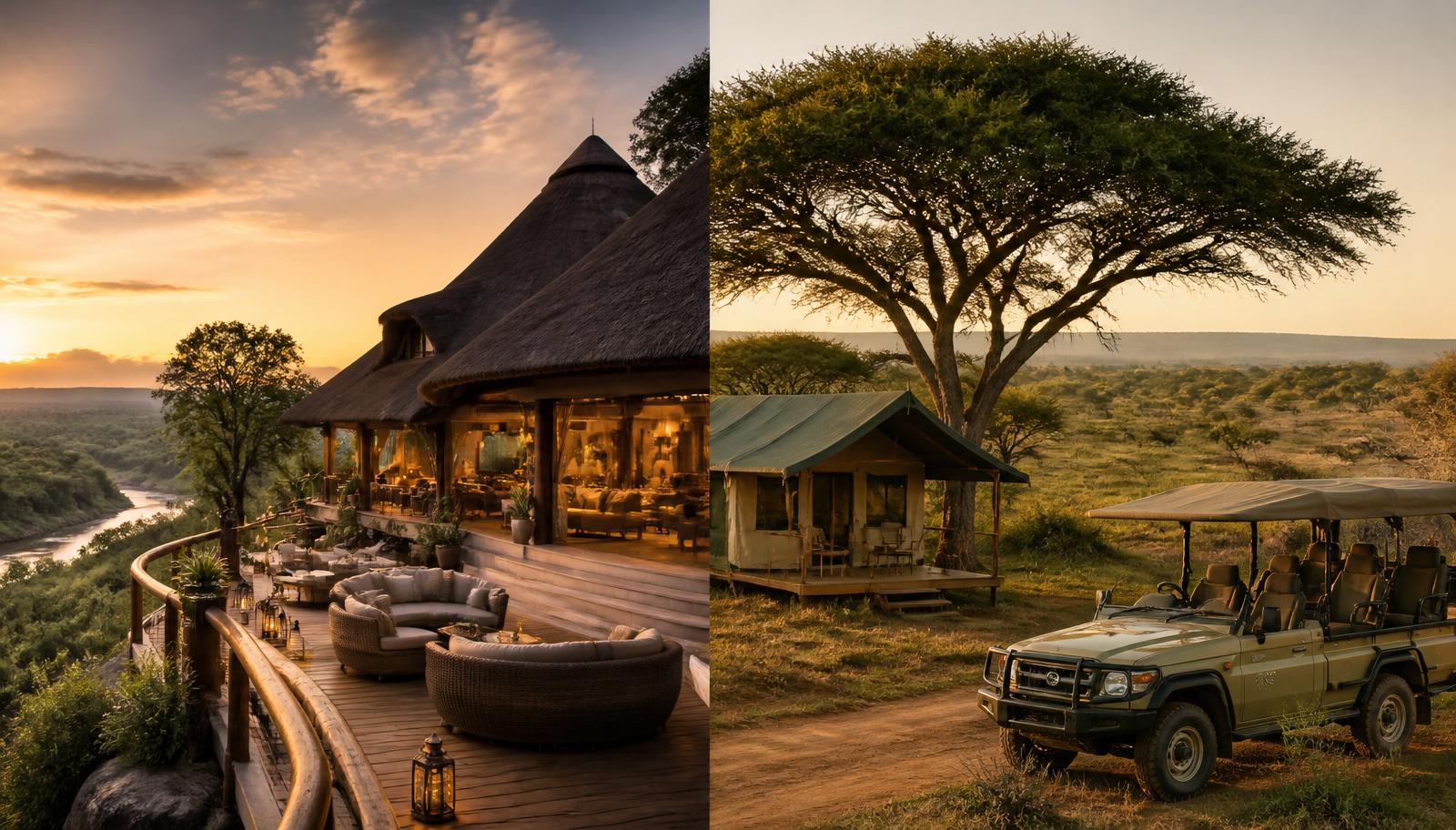
Luxury vs Mid-Range Tanzania Safari: Which Experience Is Best for You?
Safari Guides
The Ultimate Tanzania Travel Guide: Everything You Need to Know Before You Visit
Kilimanjaro