Tanzania Safari Guide
Tanzania Northern Circuit Safari: The Complete Route Guide
Tarangire, Lake Manyara, the Ngorongoro Crater and the Serengeti — how the Northern Circuit actually fits together, written by the team in Arusha who drive it every week.

Introduction
Most people arrive in Arusha with a list of park names and no sense of how far apart they are. That's the single thing worth fixing before you book anything. A Tanzania Northern Circuit safari is not a set of separate trips — it is one road, climbing out of the Maasai Steppe, over the Rift Valley wall at Manyara, around the Ngorongoro highlands and down onto the Serengeti plains. Get the order and the nights right and the trip flows. Get them wrong and you spend your holiday looking at the back of a headrest.
I've been sending vehicles up that road out of our Arusha office for years, and the pattern in the feedback never changes. Nobody comes home complaining that a camp was too simple. They come home complaining that they only had one night in the Serengeti, or that they drove eight hours on their last day, or that they were 40 kilometres from where the herds actually were in February.
So this guide is built the way we build itineraries: parks first, then seasons, then the honest arithmetic of days and money. Everything here reflects how the circuit works on the ground in 2026 — current park fees, current road conditions, current flight schedules.
What the Northern Circuit Actually Is
The Northern Circuit is the cluster of protected areas within a day's drive north-west of Arusha. It covers about 30,000 square kilometres of very different country: acacia savannah at Tarangire, a groundwater forest and soda lake at Manyara, montane highlands and a collapsed volcano at Ngorongoro, and then the short-grass and long-grass plains of the Serengeti running to the Kenyan border.
It carries roughly three-quarters of Tanzania's safari visitors, and it earns that. Nowhere else in Africa puts this much ecological variety within a single week's travel, with tarmac for the first three hours and airstrips at the far end. The Southern Circuit — Ruaha, Nyerere, Katavi — is wilder and emptier, and we love it, but it is a second-safari destination for most people.
Northern Circuit Overview Map
There is no clever loop to discover. The circuit is essentially a line out and a line back, and the only real decision is whether you return by road or by air. Here is the geography as your driver-guide sees it:
  KILIMANJARO AIRPORT (JRO)
        │  50 min
  ARUSHA  ●───── Arusha National Park (45 min)
        │
        │  2 hr, tarmac
  TARANGIRE ●
        │  1.5 hr
  LAKE MANYARA ●
        │  climb the Rift escarpment, 45 min
  KARATU ●  (base for the crater)
        │  30 min to Loduare Gate
  NGORONGORO CRATER ●
        │  2.5 hr across the Conservation Area
        │  past Olduvai Gorge & Naabi Hill Gate
  NDUTU ● ─────── SERENGETI (Seronera) ●
   (Dec–Mar)              │  3 hr north
                    KOGATENDE / LAMAI ●
                      (Jul–Oct, Mara River)

  Return: Seronera or Kogatende airstrip
          → Arusha by light aircraft, 1 hr
Approximate driving times in normal dry-season conditions. Add 30–45 percent in April and May.
The Parks, One by One
Arusha National Park
Small, green, forty-five minutes from town, and consistently underrated. There are no lions and no rhino, which is precisely why you can walk here with an armed ranger — a completely different way of being in the bush from a vehicle. Momella Lakes hold flamingo, giraffe drift through the fever trees, and Mount Meru fills the sky behind everything. We use it as a first-morning park for guests who arrive the night before and don't want to lose a day. Our Arusha National Park guide covers the walking and canoeing options in detail.
Tarangire National Park
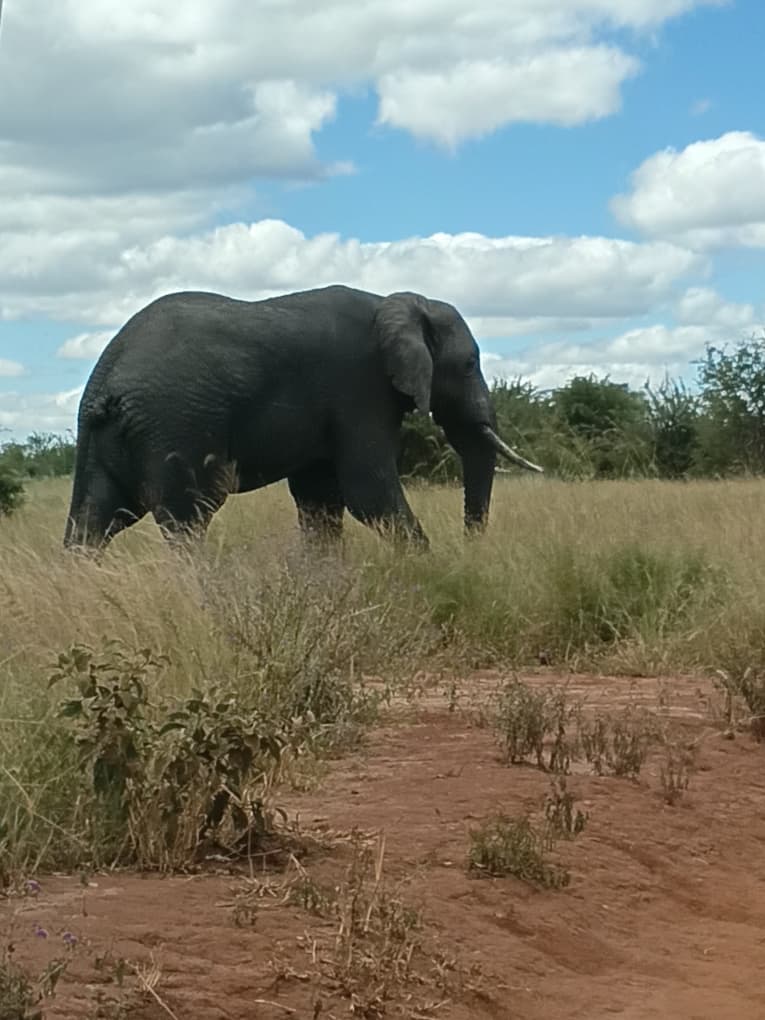
Tarangire is the elephant park, and in the dry season it is genuinely astonishing. Between July and October the Tarangire River is one of very few permanent water sources in the ecosystem, and the herds concentrate — 200-strong groups moving down to drink in a landscape of enormous baobabs. It also holds dry-country species you won't see elsewhere on the circuit: fringe-eared oryx, gerenuk, lesser kudu.
The honest caveat: in March, April and May the game disperses across a much larger ecosystem and Tarangire can feel empty. It's still beautiful, but if you're travelling in the long rains, one night is enough. Full detail lives in our Tarangire National Park guide.
Lake Manyara National Park
Manyara is the smallest park on the circuit and the most varied per square kilometre. You enter through a dense groundwater forest fed by springs at the base of the escarpment — figs, mahogany, blue monkeys, enormous baboon troops — then break out onto floodplain with the soda lake and its flamingos beyond. Half a day covers it comfortably.
About the tree-climbing lions: they are real, and they are not reliable. In fifteen visits you might see them twice. Any operator who promises them is telling you something about themselves, not about the park. See our Lake Manyara National Park guide for what to expect month by month.
Ngorongoro Crater and Conservation Area
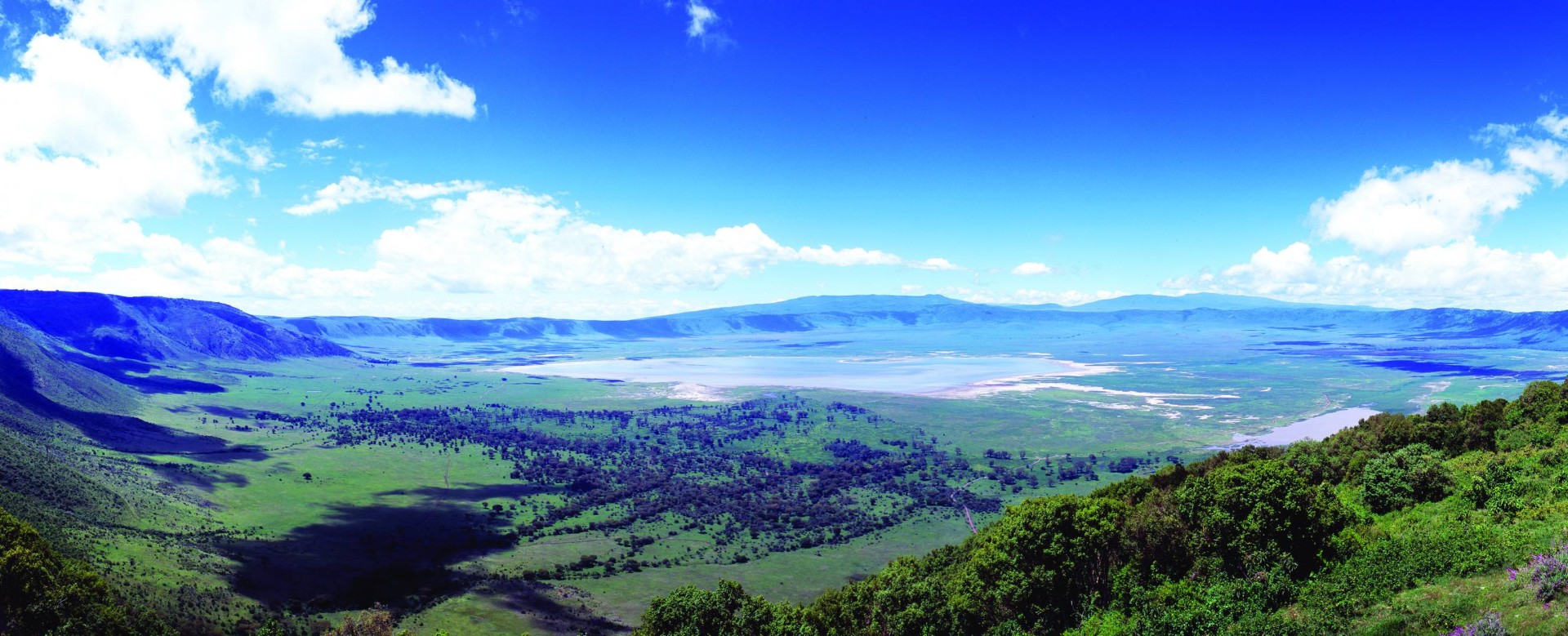
The crater is a 260-square-kilometre caldera with walls 600 metres high and something in the order of 25,000 to 30,000 large animals living inside it. Because the walls are steep and the grazing is year-round, most of that population never leaves — which is why the crater delivers the highest Big Five odds of any single morning in Tanzania. It's also the one place you have a realistic chance of black rhino, with roughly 25 to 30 on the floor.
What people don't expect: the rim is cold. It sits at about 2,300 metres and dawn in July is single digits Celsius. Bring a proper fleece. Also expect company — this is the busiest wildlife area in the country, and vehicle numbers on the floor at 9am in August are real. The answer is simply to descend at 6:30. Our Ngorongoro Crater safari guide explains the descent rules, the six-hour limit and the fee structure.
Serengeti National Park
Fourteen thousand square kilometres, and the reason the whole circuit exists. Think of it as three working regions. The central Serengeti (Seronera) holds resident lion, leopard and cheetah year-round and is the safe choice whatever your dates. The southern plains and Ndutu host the calving season from late January to mid-March. The northern Serengeti (Kogatende and Lamai) is where the Mara River crossings happen, roughly July to October.
Three nights is the floor. Two means you have essentially bought a very long drive. Our Serengeti wildlife guide breaks down what lives where, and the Great Migration guide maps herd position month by month.
Park Comparison Table
A planning summary of the whole circuit. Drive times are from Arusha and assume dry-season roads.
| Park | From Arusha | Days needed | Signature | Our verdict |
|---|---|---|---|---|
| Arusha National Park | 45 min from Arusha | Half day | Momella Lakes, Mount Meru, walking safaris and canoeing | Best used as a jet-lag day or a Big-Five-free walking add-on |
| Tarangire National Park | 2 hr from Arusha | 1–2 days | Baobabs, the highest elephant density in northern Tanzania | Superb June–October; quiet and green in the shoulder months |
| Lake Manyara National Park | 2 hr from Arusha | Half day–1 day | Groundwater forest, flamingos, tree-climbing lions | A scenic, compact stop on the way up the escarpment |
| Ngorongoro Conservation Area | 3.5 hr from Arusha | 1–2 days | The crater floor, black rhino, Maasai grazing lands, Olduvai | Highest Big Five success rate in Tanzania in a single morning |
| Serengeti National Park | 6 hr from Arusha (or 1 hr flight) | 3–4 days minimum | The migration, big cats, endless plains, kopjes | The heart of the circuit — never give it fewer than three nights |
| Ndutu / Southern Plains | 5 hr from Arusha | 2–3 days (Dec–Mar) | Calving season, predators, short-grass plains | The best-value migration experience of the year |
Wildlife Highlights by Park
What each place is genuinely good for — and, just as usefully, what it isn't.
| Park | Star species | Don't expect | Field note |
|---|---|---|---|
| Tarangire | Elephant, lion, leopard, fringe-eared oryx, gerenuk, lesser kudu | Rhino (absent), reliable cheetah | Dry-season elephant herds of 200+ along the river are a northern Tanzania spectacle you will not see anywhere else. |
| Lake Manyara | Elephant in forest, baboon troops, blue monkey, flamingo, hippo | Rhino, cheetah, big open-plain herds | Tree-climbing lions exist but are genuinely uncommon — treat a sighting as a bonus, never as a promise. |
| Ngorongoro Crater | Black rhino, lion, elephant bulls, buffalo, hyena, golden jackal, flamingo | Giraffe (the crater walls are too steep), impala | Roughly 25–30 black rhino remain on the crater floor. Morning light and a good spotting scope matter. |
| Central Serengeti (Seronera) | Lion prides, leopard in the sausage trees, cheetah, hippo pools | Rhino (rare), solitude in peak season | The Seronera valley holds resident game year-round, which is why it works whatever your dates. |
| Northern Serengeti (Kogatende) | Mara River crossings, huge lion prides, elephant, giraffe | Anything at all in April–May, when the herds are far south | The river crossings run roughly July to October, and no honest operator will guarantee a date. |
| Ndutu & the southern plains | Wildebeest calving, cheetah hunting on short grass, serval, bat-eared fox | Crossings, dry-season concentration at waterholes | Late January to mid-March. Around 8,000 calves are born a day at the peak. |
Best Time to Visit Each Park
Tanzania has no bad month, but each park has a rhythm. This is the table we use internally when a client's dates are fixed and we have to build around them.
| Park | Best months | Also good | Weakest window |
|---|---|---|---|
| Tarangire | July–October | June, November | March–May (game disperses into the wider ecosystem) |
| Lake Manyara | June–October, plus November for birds | January–February | Peak long rains in April, when forest tracks turn greasy |
| Ngorongoro Crater | June–October (dry, clear, cool) | December–March | Nothing truly — the crater holds game all year |
| Central Serengeti | All year; resident predators never leave | June and November shoulder weeks for value | Nothing, though April–May is wet and some camps close |
| Northern Serengeti | July–October (Mara River crossings) | Late June, early November | December–May (the herds are hundreds of kilometres south) |
| Ndutu / southern plains | Late January–mid March (calving) | December, late March | June–November (dry, and the herds have gone north) |
Two shoulder windows are worth knowing about because they are quietly excellent value: the first half of June, after the long rains break but before European school holidays, and the first three weeks of November between the short rains starting and the Christmas surge. Rates drop 20 to 30 percent and the parks feel like they did fifteen years ago. Our best time to visit Tanzania guide has the full month-by-month picture including rainfall and temperatures.
Sample 5-Day Northern Circuit Itinerary
This is the shortest version we're willing to sell, and it only works because the last leg is a flight. Best for travellers with limited leave, or as the safari half of a safari-and-Zanzibar combination.
Day 1
Arusha → Tarangire
Collected from Kilimanjaro Airport or your Arusha hotel by 8am, on the Tarangire gate by 11. Afternoon game drive along the river where the elephant herds gather. Overnight inside the park or on the eastern boundary.
Day 2
Tarangire → Karatu (via Lake Manyara)
Early drive in Tarangire, then up the Rift Valley wall. A short afternoon in Lake Manyara's groundwater forest — hippo pool, baboons, flamingos on the shoreline. Overnight at Karatu on the crater's outer slopes.
Day 3
Ngorongoro Crater → Serengeti
Descend at 6:30am with a packed breakfast. Five to six hours on the crater floor: rhino on the Lerai side, lion on the Munge, elephant bulls in the fever trees. Ascend at midday and drive on to the central Serengeti via Naabi Hill.
Day 4
Serengeti (Seronera)
A full day of game driving. Dawn start for cats, the kopjes mid-morning, hippo pool at noon, sausage-tree leopards in the late afternoon. Optional dawn balloon flight for those who want it.
Day 5
Serengeti → Arusha by air
One last morning drive, then a 45-minute flight from Seronera to Arusha. Land by early afternoon with time for the international connection or a Zanzibar hop.
Indicative cost: from USD 2,150 per person mid-range, from USD 4,600 per person luxury, including park fees, the internal flight, full board and a private 4×4 with driver-guide.
Sample 7-Day Northern Circuit Itinerary
This is the itinerary we recommend most often, and the one that produces the fewest regrets. Every park gets enough time to show you something, and no day is more than three hours in the vehicle between sightings.
Day 1
Arrival, Arusha
Airport transfer and an easy afternoon. Optional half day in Arusha National Park to shake off the flight — Momella Lakes, giraffe and colobus, no rush.
Day 2
Tarangire
Drive down after breakfast, full afternoon on the river circuit. Baobabs, elephant herds, and the best chance on the circuit of a leopard in a sausage tree.
Day 3
Tarangire → Lake Manyara → Karatu
Morning drive in Tarangire's southern swamps, then the escarpment road. Manyara in the afternoon for forest game and birdlife. Overnight Karatu.
Day 4
Ngorongoro Crater
Full crater morning from 6:30am, six hours on the floor, picnic lunch at Ngoitokitok Springs. Afternoon back on the rim, or a Maasai boma visit arranged honestly and paid fairly.
Day 5
Ngorongoro → Serengeti
Through the Conservation Area, past Olduvai Gorge and Naabi Hill Gate. Game drive all the way into the central Serengeti — the drive itself is a safari.
Day 6
Serengeti
Full day. In season, push north to Kogatende for river crossings or south to Ndutu for calving; otherwise the Seronera valley delivers cats reliably.
Day 7
Serengeti → Arusha
Final morning drive, bush airstrip by 11, in Arusha or at Kilimanjaro Airport by early afternoon.
Indicative cost: from USD 2,900 per person mid-range, from USD 6,400 per person luxury, all park and crater fees included.
How Many Days Do You Really Need?
- 3 days: Tarangire and the crater, or Manyara and the crater. Leave the Serengeti out entirely — it cannot be done justice and the driving ruins the trip.
- 5 days: The full circuit is possible if you fly one leg. Tarangire, crater, three nights split around the Serengeti, fly back.
- 7 days: The sweet spot. All four main parks, three Serengeti nights, no forced marches.
- 9–10 days: Adds a second Serengeti region — Ndutu in calving season or Kogatende for the crossings — plus a rest day. This is what we book for photographers.
- 12+ days: Northern Circuit plus Zanzibar, or plus Ruaha and Nyerere in the south for a genuinely wild contrast.
Driving vs Flying the Circuit
Almost every good Northern Circuit trip is a hybrid: drive out, fly back. Driving up gives you the landscape transitions — steppe to escarpment to highlands to plains — and those transitions are half the reason the circuit is special. The return leg gives you nothing except eight hours of corrugation.
| Consideration | Driving | Flying |
|---|---|---|
| Arusha–Serengeti time | 6–8 hours, game viewing en route | 60–75 minutes, no stops |
| Cost | Included in the vehicle rate | USD 250–350 per person per leg |
| Luggage | No practical limit | 15kg in a soft bag, strictly enforced |
| On arrival | Your own vehicle and guide throughout | Camp vehicle and a new guide each park |
| Best for | First-timers, families, budget-aware trips | Short trips, luxury travellers, back-hurting long drives |
What a Northern Circuit Safari Costs
Prices below are per person sharing, fully inclusive of park and crater fees, accommodation, all meals, a 4×4 with driver-guide and drinking water. Park fees alone run USD 70–83 per person per day in the Serengeti and USD 70 plus a USD 295 vehicle descent fee at Ngorongoro, so a large slice of any quote never reaches the operator.
| Tier | Per night | 7-day total | What you get |
|---|---|---|---|
| Comfort / mid-range | USD 350–550 pp per night | USD 2,600–3,800 pp for 7 days | Good tented camps and lodges, shared 4×4, road transfers, full board |
| Premium | USD 600–850 pp per night | USD 4,200–6,000 pp for 7 days | Camps inside the parks, private vehicle, one internal flight, better guiding |
| Luxury | USD 900–1,400 pp per night | USD 6,500–9,500 pp for 7 days | Senior named guide, fly-in between parks, small camps, all drinks and activities |
| Ultra-luxury / exclusive use | USD 1,600+ pp per night | USD 11,000+ pp for 7 days | Private concessions, exclusive-use camps, private aircraft, walking and night drives |
Two structural things move the number more than accommodation does: group size — a solo traveller pays for the whole vehicle, four people split it — and season, with July, August and the Christmas fortnight carrying peak supplements of 20 to 40 percent. Our Tanzania safari cost guide breaks every line item down, including tipping norms and what "all-inclusive" typically excludes.
Common Mistakes First-Time Visitors Make
These are the seven we see most, drawn from itineraries clients bring us to fix — usually after someone else quoted them.
| The mistake | What it costs you | The fix |
|---|---|---|
| Booking three nights for the whole circuit | Two full days lost to driving; no park gets more than a morning | Six nights is the realistic floor. Five works only if you fly one leg. |
| Sleeping outside the park gates to save money | 60–90 minutes of driving before and after every game drive | Pay the extra for at least your Serengeti and crater nights inside. |
| Chasing the migration without checking the month | Driving eight hours north in February to empty plains | Match the region to the season: Ndutu Dec–Mar, Kogatende Jul–Oct. |
| Doing the Serengeti as a day trip from the crater | Ten hours in a vehicle for perhaps two hours of game viewing | Three nights minimum in the Serengeti, or leave it out entirely. |
| Driving back to Arusha on the last day | A brutal eight-hour transfer on your final safari morning | Fly the Serengeti–Arusha leg. It costs USD 250–350 and buys a whole day. |
| Booking on price alone | Old vehicles, rotating driver-guides, hidden park-fee surcharges | Compare inclusions line by line — especially crater descent fees and park entry. |
| Ignoring the Ngorongoro six-hour rule | Being asked to leave the crater floor mid-sighting | Descend by 6:30am; use the full window in the productive early hours. |
Expert Planning Tips
- Book your Serengeti nights first, then work backwards. Camps in the right region for your month sell out nine to twelve months ahead for July–September. Everything else on the circuit has more availability.
- Sleep inside the parks where it matters. Karatu is a sensible, comfortable base for the crater — 40 minutes to the gate. But sleeping outside the Serengeti is a false economy: you lose the golden hour twice a day.
- Ask for your guide by experience, not by rating. On the Northern Circuit the guide determines your trip more than the camp does. Ask how many years, ask whether they're a Silver or Gold certified guide, and ask if they'll be with you for the whole route.
- One vehicle, one guide, the whole circuit. Handovers between parks are how operators cut costs. They also mean re-explaining on day four that you'd rather sit with a leopard than tick off another impala.
- Bring binoculars — one pair per person. Sharing a single pair is the most reliable source of quiet friction in a safari vehicle. 8×42 is the right spec.
- Pack layers, not warm-weather clothes. Crater rim mornings are near freezing; the Serengeti at midday is 30°C. Our Tanzania safari packing list is built around exactly this range.
- Carry USD cash in small notes, series 2013 or newer. Older bills are widely refused in Tanzania. Budget USD 10–20 per guest per day for your guide and USD 5–10 for camp staff.
- Build in one slow morning. Six consecutive 5:45am starts is a lot. A late breakfast on day five, and a game drive at 10 instead of 6, resets everyone.
Frequently Asked Questions
Common Questions
Frequently Asked Questions
Five protected areas: Arusha National Park, Tarangire National Park, Lake Manyara National Park, the Ngorongoro Conservation Area (including the crater) and Serengeti National Park. Most itineraries use the middle four and treat Arusha National Park as an optional first-morning or last-day add-on. Together they cover roughly 30,000 square kilometres, from acacia steppe and groundwater forest to montane highlands and open plains — all reachable on one road out of Arusha.
Seven days is the sweet spot and the length we recommend most often: Tarangire, Lake Manyara, a full crater morning and three Serengeti nights, with no day spending more than about three hours in the vehicle. Five days works if you fly the Serengeti–Arusha leg. Three days means leaving the Serengeti out entirely — the driving simply eats the trip. Nine to ten days lets you add a second Serengeti region, which is what we book for photographers and repeat visitors.
June to October is the classic dry season: game concentrates at water, the roads are firm, and the Mara River crossings run in the northern Serengeti from roughly July to October. Late January to mid-March is the other outstanding window, when around 8,000 wildebeest calves a day are born on the short-grass plains at Ndutu and predator action is at its highest. Early June and the first three weeks of November are the value pockets — rates fall 20 to 30 percent and the parks are quiet.
Per person sharing and fully inclusive of park and crater fees, a good mid-range circuit runs USD 350–550 per night, or roughly USD 2,600–3,800 for seven days. Premium trips with camps inside the parks and a private vehicle sit at USD 600–850 a night, and genuine luxury with fly-in transfers runs USD 900–1,400. Park fees alone are USD 70–83 per person per day in the Serengeti plus a USD 295 vehicle descent fee at Ngorongoro, so a large share of any quote never reaches the operator.
Yes, and it is one of the few routes in Africa where all five are realistic in under a week. Lion, elephant and buffalo are close to certain on any six-night trip. Leopard runs around 70 percent with three Serengeti nights and a guide who knows the Seronera sausage trees. Rhino is the variable and is effectively a Ngorongoro question — roughly 25 to 30 black rhino live on the crater floor, and your odds are best if you descend at first light before they drift into the Lerai forest.
It is the best first safari in Africa, for three practical reasons: the wildlife density is extraordinary, the first three hours out of Arusha are tarmac, and there are airstrips at the far end if you want to shorten the return. You also get genuine variety — forest, crater, savannah and plains in one week — which matters more than most first-timers expect. The Southern Circuit is wilder and emptier, but it is a second-safari destination for most people.
Most good trips do both: drive out, fly back. Driving up gives you the landscape transitions from Maasai steppe to Rift escarpment to Serengeti plains, and you game-view along the way. The return leg gives you nothing but eight hours of corrugated gravel, so we put clients on a light aircraft from Seronera or Kogatende to Arusha — 60 to 75 minutes, USD 250–350, and a whole extra morning in the park. Note the 15kg soft-bag luggage limit on bush flights.
Inside the parks where it matters, outside where it doesn't. For the Ngorongoro Crater, Karatu is a comfortable and sensible base 40 minutes from Loduare Gate, and the rate difference against a rim lodge is significant. For the Serengeti, sleeping outside the park is a false economy — you lose the golden hour at both ends of the day to gate driving. Book your Serengeti nights first for the region that suits your month, then build the rest of the itinerary backwards from there.
In Closing
Final Thoughts
The Northern Circuit rewards planning more than budget. Get the order right, give the Serengeti three nights, descend into the crater at first light and fly the last leg home, and you will have the safari people describe for years afterwards. Get it wrong and you will have seen the same animals through a windscreen after four hours of driving. That difference costs almost nothing — it is a matter of which nights go where, and it is exactly the conversation our planners in Arusha have every day. Tell us your dates and we will build the route around where the wildlife will actually be.