
Travel Tips & Planning
Solo Travel in Tanzania: A Practical Planning Guide
How solo travelers actually move around Tanzania — safari options, transport, accommodation, budgeting, safety and the parts of the trip worth handing to someone local.

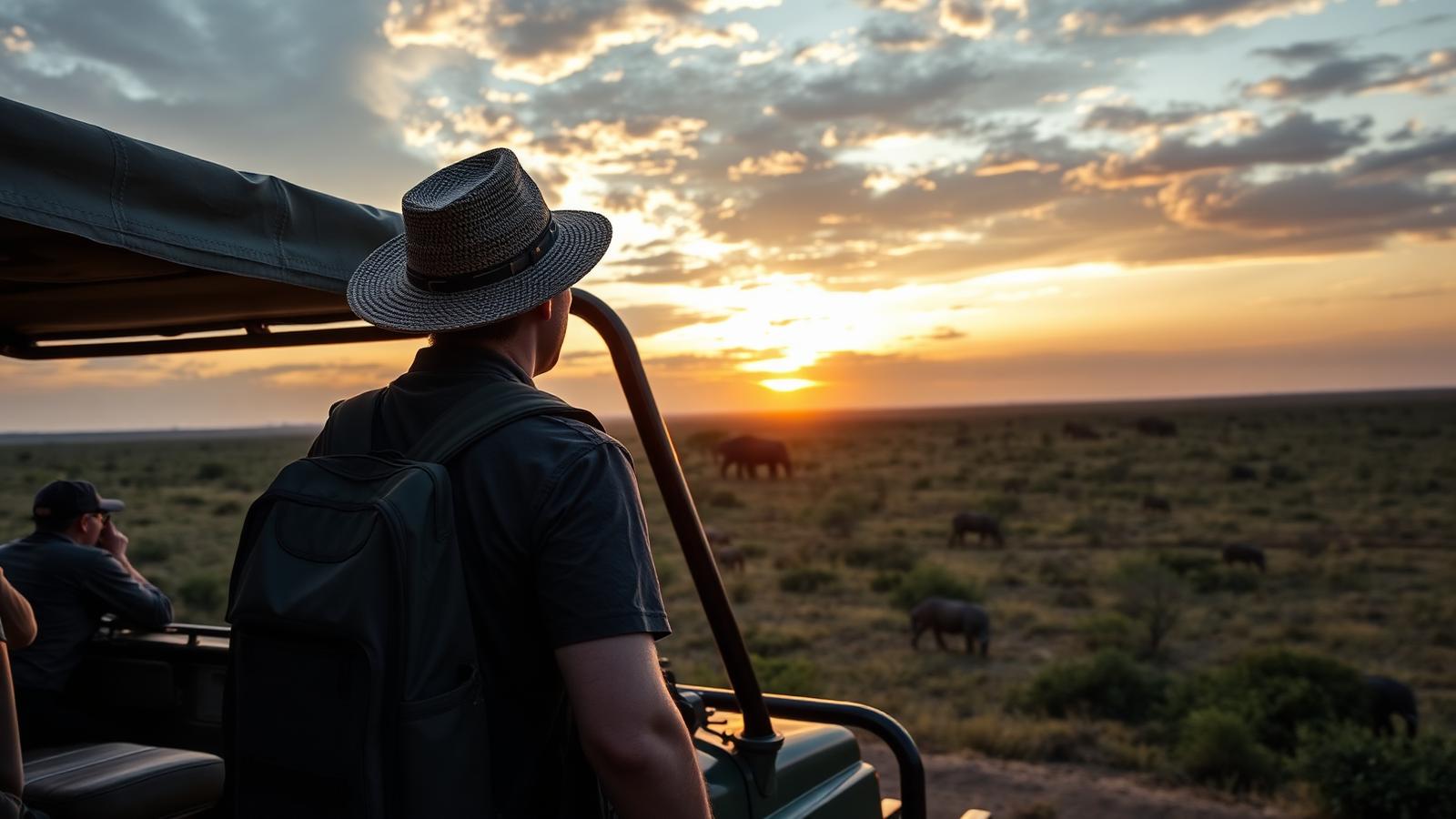
Most people who write to us about traveling alone are not asking whether Tanzania is worth seeing. They have already decided that. What they want to know is more practical: can one person handle the logistics, will the cost be punishing, and is it going to feel isolating to sit in a vehicle for six days without anyone to turn to.
The short version is that Tanzania handles solo travelers better than most long-haul destinations, mainly because the structure of the trip does a lot of the work. Almost everything worth doing here runs through a licensed guide or a camp, which means transport and accommodation are decided the moment you book. What is left for you to manage is smaller than it looks from home. This guide covers what genuinely changes when you travel alone, what stays the same, and where a solo trip needs a slightly different plan.
The Short Answer
Yes, one person can plan and run a Tanzania trip without a travel companion, and thousands do every season. The realistic decision is not whether to come alone but which format to travel in. Joining a scheduled safari gives you the lowest cost and built-in company. A private vehicle gives you control over pace and photography but concentrates the fixed costs on one traveler. Fully independent travel — public transport, budget guesthouses, day trips from a town base — is possible and cheaper, but it trades wildlife time for travel time.
Beyond that, solo travel here looks much like solo travel anywhere: arrive with the first night and the airport transfer arranged, keep your valuables unremarkable, move between towns in daylight, and tell someone at home roughly where you expect to be each day.
Is Tanzania Good for Solo Travelers?
It suits solo travelers better than the average long-haul destination, for reasons that have little to do with atmosphere and everything to do with how the country's tourism is organised. National parks are entered through controlled gates with fees, permits and, in most cases, a registered vehicle. Kilimanjaro requires a licensed operator and a registered crew. Diving and snorkelling on Zanzibar run through established centres. In practice this means the logistics that usually make solo travel tiring — finding transport, arranging entry, judging whether an operator is legitimate — are compressed into a small number of decisions you make before departure.
The social side works out too, though not automatically. Safari camps and lodges tend to serve dinner in a shared dining room, sometimes at communal tables. Trekking groups form on day one and stay together for a week. Coastal villages attract long-stay independent travelers. If company matters to you, choosing properties and formats with shared spaces does more than anything else on your itinerary.
What Tanzania is not is a spontaneous, hop-on-a-bus-and-see-what-happens destination for wildlife. The distances are large, park access is regulated, and the best sightings happen at hours when public transport is not running. Travelers who arrive expecting to improvise a Serengeti visit from a town bus station usually end up spending more and seeing less. For context on how a first safari typically comes together, our guide for first-time visitors walks through the sequence in detail.
How Travel Here Actually Works
It helps to picture the trip as two different systems. The first is the safari system: an operator supplies a vehicle, a driver-guide, park entry, and accommodation inside or near the parks, usually as one price for a set number of days. Once that starts, your day is planned around wildlife activity rather than your own navigation. The second is the general travel system: flights, town hotels, transfers, ferries and city movement. That part you can run yourself with ordinary travel skills.
Most solo trips mix the two. A traveler might arrange the safari through an operator, then handle Zanzibar independently, booking a guesthouse and a couple of day activities on arrival. That split works well because it puts professional support where the logistics are hardest and leaves you free where they are easy.
Solo Safari Options
There are five common formats, and they suit different people. Reading them side by side is usually enough to narrow the choice before you contact anyone.
| Format | How it works | Who it suits | Trade-off |
|---|---|---|---|
| Scheduled joining safari | You book a per-person seat on a set departure date and share a vehicle and guide with a handful of other travelers. | Travelers who want company, a lower per-person cost and a decision that is already made for them. | Fixed dates, shared pace, and you don't choose who sits next to you. |
| Private safari, solo occupancy | The vehicle, the guide and the schedule are yours. Accommodation is booked as a single room. | Photographers, light sleepers, anyone who wants to linger at a sighting or start before sunrise. | The full vehicle and guide cost sits on one person, so it is the most expensive way to travel. |
| Small-group set departure | An operator publishes fixed dates with a capped group size and a set itinerary for the whole trip. | First-time visitors who want structure across several destinations rather than a single park circuit. | Less flexibility to change route or extend a night once the trip is running. |
| Fly-in camp stays | You fly between airstrips and join game drives run by the camp with other guests staying there. | Shorter trips, remote areas, and travelers who dislike long road transfers. | Flights and camp rates add up quickly, and drive times are set by the camp, not by you. |
| Independent base-and-day-trip | You stay in Arusha or Karatu and book individual day trips into nearby parks. | Longer, slower trips and travelers on tighter budgets who want to pace their spending. | Long daily drives, limited access to the Serengeti, and more admin for you. |
If you are unsure, start with what you want from the days rather than from the budget. Someone who wants to photograph a single leopard sighting for forty minutes needs a private vehicle. Someone who wants dinner conversation and a lower bill should be looking at joining departures. The route itself matters less than people expect; the classic parks are the classic parks whichever format you choose, and our itinerary comparisons show how the same parks fit into trips of different lengths.
Private vs Shared Safari
This is the decision that shapes both cost and experience, so it deserves more than a price comparison.
The case for a private vehicle
- You control the day. Leaving at first light, staying with a sighting, or heading back early because you are tired are all your call.
- You get the whole row. Every seat is a window seat, camera gear has somewhere to live, and nobody is standing up in your frame.
- Your guide works to your interests. If you care about birds, or predators, or landscape light, the driving pattern adapts around that.
- Route changes are easier. If conditions shift, a private itinerary can usually be adjusted mid-trip.
The case for sharing
- Cost. The vehicle, fuel and guide are divided rather than carried alone, and that is where the saving comes from.
- Company. You have people to eat dinner with and compare notes with, without organising anything.
- More eyes. Five people scanning the bush spot more than one person does, and guides will tell you the same.
- Simplicity. Departure dates and routes are already set, which removes a lot of decision-making.
Joining a Group Safari
A joining safari means you book a place on a departure that other travelers are also booking. You share the vehicle and the guide, and usually the same lodges, but you have your own room. Group sizes vary by operator; the number of passengers per vehicle is the detail worth asking about, because it decides whether everyone gets a window and whether the vehicle feels crowded on long drives.
Questions worth asking before you book a joining departure:
- How many travelers are already confirmed, and what is the maximum per vehicle?
- Is the departure guaranteed, or does it need a minimum number to run?
- What happens if the minimum is not met — refund, date change, or a supplement?
- Are the other travelers on the same accommodation level as the price you were quoted?
- Is there a room-share option if you would rather avoid the single supplement?
- Does the group stay together for the whole route, or do people join and leave mid-trip?
Group dynamics are the part nobody can promise. Most groups get along easily because everyone has chosen the same trip for similar reasons. Occasionally they do not, and the practical protection against that is a room of your own and a couple of days at the end that are yours alone.
Understanding the Single Supplement
The single supplement is the extra amount charged when one person occupies a room priced on the assumption that two people will share it. It exists across the hospitality industry, not just here, and it is the main reason solo travel costs more per person than couple travel. The amount varies by property, season and room type, so it is a question to ask rather than a number to assume.
Practical ways solo travelers reduce it:
- Ask your operator which camps on the proposed route waive or reduce it, and whether the itinerary can be built around those properties.
- Travel in quieter months. Occupancy pressure drives the supplement, and low-season rates often soften it.
- Ask about a room-share match on group departures. Some operators will pair same-gender solo travelers on request.
- Consider a slightly simpler accommodation tier for the transit nights and keep the budget for the nights inside the parks.
Independent Travel vs Guided Travel
Independent travel works well for the parts of Tanzania that are not national parks. Towns, the coast, Stone Town, day hikes near Arusha, coffee farms, markets, ferries and domestic flights are all things a confident traveler can arrange alone with no particular difficulty. English is widely used in tourism, and hotels are generally happy to arrange transport for guests.
Guided travel earns its place inside the wildlife areas. Self-drive is possible in some parks but rarely sensible for a first-time visitor traveling alone: the roads are unmarked, distances are deceptive, recovery from a breakdown is your problem, and finding animals is a skill built over years. A guide is not a luxury here so much as the mechanism that makes the day work.
| Part of the trip | Independent | Guided |
|---|---|---|
| National park game drives | Difficult and slow for a first visit | Strongly recommended |
| Kilimanjaro and Meru treks | Not permitted without a registered crew | Required |
| Town stays and city moves | Straightforward | Optional |
| Zanzibar beaches and Stone Town | Easy and common | Useful for specific tours only |
| Cultural visits to communities | Possible but easy to get wrong | Better with a local guide who has a relationship there |
| Long-distance transfers | Doable by shuttle or flight | Simpler and safer when arranged |
Best Destinations for Solo Travelers
Not everywhere in Tanzania is equally easy alone. These are the places that consistently work for solo visitors, and what to keep in mind at each.
| Destination | Why it works alone | What to keep in mind |
|---|---|---|
| Arusha | The natural base for the northern circuit. Hotels are used to solo guests, operators are based here, and briefings and transfers are straightforward. | Treat it as a working city rather than a sightseeing town. Use arranged transport after dark and expect street offers of tours you did not ask for. |
| Tarangire, Lake Manyara, Ngorongoro, Serengeti | The classic route, with the widest choice of joining departures and the most predictable logistics for a first trip. | Distances are long. Two parks done well beat four rushed, especially when you are managing your own energy. |
| Karatu and the Ngorongoro highlands | A pleasant, low-key place to break the drive, with farm lodges, coffee walks and village visits that are easy to join alone. | Evenings are quiet. If you want people around, choose a lodge with a communal dining table. |
| Mount Kilimanjaro and Moshi | Trekking crews absorb solo climbers immediately; you are part of a team from the first morning briefing. | Fitness and acclimatisation matter more than anything social. Read the route detail before booking. |
| Stone Town, Zanzibar | Walkable by day, full of independent travelers, and easy to explore on foot with a rough sense of direction. | The lanes are a maze and unlit at night. Dress modestly away from hotels and arrange transport back after dinner. |
| Zanzibar east and north coast villages | Long-stay travelers, dive and kite schools and beach guesthouses make conversation easy without any effort. | Choose a stretch with other guesthouses nearby rather than an isolated property on an empty beach. |
| Southern and western parks | Quieter, wilder and rewarding for repeat visitors who already know how safari travel here works. | Fewer joining options, more flying, higher cost per day. Not the easiest first solo trip. |
The Northern Circuit Alone
The northern circuit is the default for a reason: the parks are close enough to link by road, the infrastructure is mature, and almost every operator runs departures on it. For a solo traveler the practical advantage is choice — more scheduled departures means more chance of finding a group on your dates. Our northern circuit overview explains how the parks connect, and the individual guides to Serengeti wildlife, Ngorongoro Crater and Tarangire go deeper on what each one offers.
Climbing Kilimanjaro Solo
Kilimanjaro is arguably the most solo-friendly thing you can do in Tanzania, because the format removes the question entirely. You climb with a registered crew, and on most routes you are grouped with other climbers from the first morning. By day two the group has usually settled into a rhythm and nobody is thinking about who arrived alone.
What matters far more than the social side is preparation: route choice, the number of nights allowed for acclimatisation, the quality of the crew, and honest fitness assessment. Insurance is worth checking closely here, since some policies limit cover above certain altitudes.
Zanzibar as a Solo Traveler
Zanzibar suits solo travelers who want to slow down after safari. Stone Town rewards aimless daytime walking and has a steady flow of independent travelers. On the coast, the villages with dive centres, kite schools and yoga guesthouses make it easy to fall into conversation without trying.
Two practical adjustments matter. First, Zanzibar is predominantly Muslim, and modest dress away from beach areas is expected rather than optional. Second, arrange your airport or ferry transfer through your accommodation. Arrival is the moment travelers are most likely to be approached by people offering unofficial help.
Accommodation Options
Where you sleep affects the solo experience more than most people expect, because it decides whether your evenings have people in them.
- Safari lodges. Comfortable, staffed, usually with a shared dining room and lounge. The easiest option for solo travelers who want company at dinner without organising it.
- Tented camps. Closer to the wildlife and often more sociable because the guest count is small. Staff escort guests between tents after dark as standard practice.
- Town hotels in Arusha, Moshi and Karatu. Fine for arrival and departure nights. Choose one with a restaurant so you are not obliged to go out at night.
- Guesthouses and hostels. Best on the coast and in the towns, where budget travelers cluster. The most reliable way to meet other independent travelers.
- Beach hotels. Comfortable and secure, though quieter socially than a guesthouse. Better for rest than for company.
Getting Around Tanzania
Distances are the thing travelers underestimate. Road journeys between the northern parks take hours, not minutes, and the last stretches are unpaved. Here is how the realistic options compare.
| Mode | Best used for | Notes |
|---|---|---|
| Operator vehicle and driver-guide | Park circuits and multi-day safaris | Your guide handles routes, park gates, timing and any problems on the road. This is the default for safari travel. |
| Domestic flights | Arusha–Serengeti, Arusha–Zanzibar, Dar–Zanzibar and southern parks | Light aircraft have strict baggage limits, usually a soft bag. Confirm the current allowance with the airline before you pack. |
| Pre-booked private transfer | Airports, hotels, evening restaurant runs | The simplest and most predictable option, and the one worth spending on when you arrive tired or after dark. |
| Ride-hailing apps | Daytime moves in Arusha, Dar es Salaam and Zanzibar Town | Availability and coverage vary by city and time of day. Check the driver and plate against the app before getting in. |
| Shuttle buses | Arusha–Moshi, Arusha–Nairobi | Tourist shuttles are a reasonable budget option in daylight. Book through your hotel rather than at the roadside. |
| Ferry to Zanzibar | Dar es Salaam–Stone Town | Buy tickets at the official counter or through your hotel, never from someone who approaches you at the port. |
| Dalla-dalla minibuses | Short local hops | Cheap and part of daily life, but crowded, unscheduled and awkward with luggage. Fine for short daytime trips once you have found your feet. |
The general rule solo travelers should follow is simple: move between towns in daylight. It is not that nights are inherently dangerous; it is that road conditions, animal crossings and limited lighting make night driving the highest-risk ordinary activity of the trip, and it is easily avoided with a little scheduling discipline.
Arrival Day and Airport Transfers
Long-haul arrivals often land in the evening, and arrival is when a solo traveler has the least local knowledge and the most luggage. Arrange the transfer in advance and confirm who will meet you, what name will be on the sign and what vehicle to expect. Have your first night booked and the address written down offline. If your onward safari starts the next morning, ask your operator when and where the briefing takes place so you are not guessing at breakfast.
Budget Considerations
Rather than quoting figures that go out of date, it is more useful to understand which parts of the budget change when you travel alone and which do not. That is what lets you compare quotes properly.
| Cost line | What it covers | How it behaves for a solo traveler |
|---|---|---|
| Safari day rate | Vehicle, guide, fuel, park fees, accommodation and meals on safari | The biggest single variable. Sharing a vehicle spreads the fixed costs; traveling privately concentrates them on you. |
| Single supplement | The extra charged when one person occupies a room priced for two | Applies at most lodges and camps. Some properties waive or reduce it in quieter months — worth asking rather than assuming. |
| Park and conservation fees | Government-set entry and camping fees per person per day | Charged per person, so they do not change whether you travel alone or in a group. Verify current rates before you budget. |
| Domestic flights | Light aircraft hops between airstrips and to Zanzibar | Priced per seat, so they are one of the few line items where solo travel is not penalised. |
| City nights and transfers | Arrival and departure hotels, airport pickups, evening taxis | Small individually, easy to underestimate across a two-week trip. |
| Tips and extras | Guide and crew tipping, drinks, laundry, souvenirs, activities | Tipping guidance varies by operator and property. Ask your operator what is customary for the trip you have booked. |
When you compare two quotes, look at what changes rather than the headline number: passengers per vehicle, how many nights are inside the park versus outside it, room category, whether park fees are included, and what is listed as an exclusion. Two prices that look far apart often describe genuinely different trips.
Money, Cards and Cash
- Carry more than one payment method and keep them in separate places.
- Use ATMs inside bank branches or hotel lobbies rather than unattended street machines.
- Tell your bank your travel dates so a legitimate withdrawal is not blocked while you are in a park with patchy signal.
- Keep some local currency for small purchases, tips and village markets, where cards are not usable.
- Ask your operator what is already paid for. On an inclusive safari, most of your daily spending is already covered.
Communication and Staying Connected
Mobile coverage is good in towns and along main roads, patchy inside parks and variable in remote camps. Most lodges offer wifi in communal areas, though speeds in the bush are modest and not something to rely on for work. A local SIM or an eSIM is the usual solution for data; buy it from an official outlet and bring your passport, since registration is required.
Practical habits that matter more when you are traveling alone:
- Download offline maps for the towns you will pass through before you leave home.
- Save your operator's number, your lodge numbers and your embassy contact in your phone and on paper.
- Send someone at home a copy of your itinerary with dates, properties and contact numbers, and message them at the predictable points where you have signal.
- Carry a power bank. Camp generators often run on a schedule rather than around the clock.
Safety and Situational Awareness
Tanzania is not risk-free, and no honest guide will tell you otherwise. Nowhere is. What can be said is that the risks travelers encounter here are mostly ordinary ones, they concentrate in predictable places, and the habits that reduce them are the same ones an experienced traveler uses anywhere.
Where problems tend to occur:
- Crowded urban areas and transport hubs, where opportunistic theft and distraction tactics are most common.
- Unarranged transport, particularly at night or when someone approaches you rather than the other way around.
- Roads after dark, where the risk is traffic rather than crime.
- Isolated stretches of beach in the evening, where there is nobody around if something goes wrong.
- Unlicensed operators, where the exposure is financial — deposits taken for trips that do not run.
Practical habits worth adopting:
- Book transport through your accommodation or operator rather than accepting street offers.
- Keep phones and cameras out of sight while walking in towns.
- Split cash and cards; leave the spare set in the room safe.
- Walk with purpose; a polite, firm decline ends most unwanted approaches.
- Verify that any operator you pay is properly licensed, and pay through traceable channels rather than informal transfers.
- Follow your guide's instructions around wildlife without improvising. Staying in the vehicle is not a suggestion.
For a wider view of regional considerations and how to read official travel advice, see our safety overview for visitors. Government travel advisories from your own country are the right source for current conditions; check them close to departure rather than relying on anything written months earlier.
Notes for Solo Female Travelers
Solo women travel in Tanzania regularly, and on organised safaris and treks the experience is largely indistinguishable from anyone else's, because you are with a professional crew throughout. In towns and on the coast the differences are the ones you would expect in many countries: more attention from vendors and self-appointed guides, and clearer expectations around dress.
- Dress modestly outside beach areas and hotels, particularly on Zanzibar.
- Arrange evening transport in advance rather than deciding at the restaurant door how you will get home.
- Choose accommodation with staffed reception and other guests around rather than an isolated property on a first trip.
- Practise a short, polite decline and keep walking. Persistence usually fades when it gets no response.
- Ask your operator directly about female guides, staffing and their policies. A serious operator will answer plainly.
Health and Medical Preparation
Speak to a travel health professional well before departure about vaccinations and malaria prevention for the regions you plan to visit; requirements and recommendations change and depend on your route and medical history. Bring any prescription medication in its original packaging with enough supply for the whole trip, since resupply in a remote camp is not realistic. Travel insurance that includes medical evacuation matters more for solo travelers than for anyone else, because there is nobody with you to make arrangements if you cannot.
Meeting Other Travelers
Loneliness is the concern people raise most and the one that resolves most easily, provided you choose formats that put you near other people rather than hoping it happens.
- Joining safaris. The most direct route. You spend days in a vehicle with the same small group.
- Kilimanjaro and Meru treks. Shared effort builds conversation faster than anything else on a trip.
- Camps with communal dinners. Ask at booking whether meals are served at shared tables.
- Activity-based days. Dive courses, kite lessons, cooking classes, spice tours and guided walks all come with a built-in group.
- Coastal guesthouses. Long-stay travelers gather in the same handful of villages and are easy to fall in with.
The reverse is also worth planning. Several days of constant company can be tiring in its own way. Build in a slow day with nothing scheduled, particularly after safari and before a coastal extension.
Eating Alone and Downtime
On safari this rarely comes up, since meals are part of the arrangement and usually shared. In towns and on the coast, eating at hotel restaurants and beachfront places is comfortable and normal for solo diners. Bring something to read for the quiet evenings, and treat early nights as sensible rather than disappointing — safari mornings start before sunrise.
Cultural Etiquette
Traveling alone puts you in more direct contact with people than traveling in a pair does, which makes basic cultural awareness more valuable, not less.
- Greetings matter. A greeting before a question is normal here, and skipping it reads as brusque. A few words of Swahili go a long way.
- Ask before photographing people, including staff, children and market vendors, and accept no as an answer.
- Dress modestly in towns, villages and anywhere with religious significance. Zanzibar in particular expects covered shoulders and knees away from beach areas.
- Use your right hand for giving and receiving, and keep public displays of affection low-key.
- Be patient with timing. Schedules run more loosely than many visitors are used to, and irritation achieves nothing.
- Ask your guide before giving anything to children or handing out gifts in villages; there are usually better ways to contribute.
Vehicle and camp conduct has its own conventions, from noise at sightings to how close a driver should approach an animal. Our etiquette guide covers those in more detail.
Solo Photography Tips
Traveling alone is genuinely good for photography. Nobody is rushing you, and in a private vehicle you can ask to hold a position while the light develops. A few things specific to shooting solo:
- Tell your guide at the start of the trip that photography is a priority and describe the kind of images you want. Guides position vehicles differently once they know.
- A bean bag is more useful than a tripod in a vehicle, and it packs flat. Roof hatches and window ledges become your support.
- Bring enough cards and batteries for the whole trip. Charging in camps is often limited to set hours, and replacements are not easy to find in the bush.
- Back up daily to a second card or a small drive. There is no travel companion whose photos overlap with yours.
- For pictures of yourself, ask your guide rather than balancing a camera on a rock. Most are used to it and know the good spots.
- Keep gear low-profile in towns. A discreet bag draws less attention than a branded camera strap.
For camera settings, lens choice and light, our safari photography guide goes into the technical side properly.
Safari Planning Tips for Solo Travelers
- Book the safari before the flights if you want a specific joining departure. Group dates fill and the seats set your travel window.
- Choose fewer parks and more nights. Solo travelers feel transfer fatigue more sharply, and wildlife rewards patience rather than distance covered.
- Put the arrival buffer in. A night in Arusha before the safari starts protects the whole trip against a delayed inbound flight.
- Get everything in writing. Route, vehicle type, passengers per vehicle, named properties, inclusions, exclusions and cancellation terms.
- Check the packing list against the flight limits if you have a light-aircraft leg. Soft bags and weight caps catch people out. Our packing guide covers what actually earns its place.
- Confirm entry requirements yourself with the official Tanzanian immigration channels and your airline close to departure. Rules and processing times change.
- Leave one day unplanned. A rest day between safari and coast is the single best addition most solo itineraries can make.
A Realistic Trip Shape
This is not a fixed itinerary, just the shape most solo first trips settle into once the practicalities are accounted for.
- Arrival and a buffer night in Arusha, with a transfer arranged and an operator briefing the following morning.
- Several days on the northern circuit, weighted toward the parks you care most about rather than spread evenly.
- A slow day back in Arusha or Karatu to do laundry, back up photos and stop moving.
- A coastal or cultural extension, most often Zanzibar, where you can be independent again.
- A departure buffer so an internal flight delay does not threaten your international connection.
The full Tanzania travel guide covers the wider country context if you want to look beyond the standard route.
Common Mistakes Solo Travelers Make
| Mistake | Why it causes problems | Do this instead |
|---|---|---|
| Booking on price alone | The cheapest quote usually cuts something you cannot see on paper — vehicle condition, guide experience, park nights, or the number of people per row. | Compare like for like: seats per vehicle, park nights, room category and what is excluded. |
| Packing the itinerary too tight | Solo travelers absorb every transfer, every early start and every logistical hiccup without anyone to share it with. Fatigue arrives faster. | Cut one park and add a night where the wildlife is. Fewer moves, better days. |
| Arriving late at night with nothing arranged | Tired arrival plus unfamiliar airport plus no transfer is where most avoidable problems start. | Pre-book the transfer and the first night, even if the rest of the trip is loose. |
| Carrying everything in one bag or one pocket | A single lost bag or stolen wallet becomes a trip-ending problem when there is no travel companion to fall back on. | Split cards, cash and documents across two places, and keep digital copies you can reach offline. |
| Assuming a shared vehicle means a shared room | Joining safaris share transport and guides, not bedrooms. Some travelers expect a rooming-share discount that does not exist. | Ask upfront whether the operator offers a room-share match; some do, many do not. |
| Skipping travel insurance | Medical evacuation from a remote park is the one expense nobody plans for and nobody can improvise. | Buy cover that includes evacuation and check the fine print for trekking altitude limits. |
| Walking city streets after dark with a camera out | Opportunistic theft is the most common issue travelers report anywhere, and visible gear raises the odds. | Keep the camera in the bag between the vehicle and the door, and take arranged transport at night. |
| Treating Zanzibar like a beach resort with no local culture | Dress and behaviour that pass at a beach hotel can read as disrespectful in villages and in Stone Town. | Cover shoulders and knees away from the beach and ask before photographing people. |
When a Local Operator Is Genuinely Useful
You do not need an operator for everything, and plenty of solo travelers put together good trips with a mix of self-booking and local arrangements. It is worth being clear about where local help earns its cost and where it does not.
An operator is most useful for:
- Park access, permits, vehicles and driver-guides, which are difficult to arrange well from abroad.
- Route planning that accounts for driving times, park gate hours and where wildlife is concentrating.
- Finding a joining departure on dates that suit you, and telling you honestly how full it is.
- Accommodation inside the parks, where availability is limited and rates are not always public.
- Airport transfers and internal flights coordinated with the safari schedule.
- Zanzibar extensions timed so a flight delay does not cost you a night.
- Having a local number to call when a plan changes while you are on the road alone.
An operator is less necessary for:
- Town hotels, coastal guesthouses and simple beach days.
- Stone Town walking, markets and restaurants.
- Day activities you can book locally once you have arrived and got your bearings.
Related Guides
- Planning a first Tanzania safari — the sequence of decisions from choosing a season to confirming a route.
- Safety in Tanzania for visitors — region-by-region context and how to read official advice.
- What a Tanzania safari costs — how quotes are built and which line items move.
- Safari packing list — what to bring, and what to leave behind when baggage is limited.
- Comparing safari itineraries — how trips of different lengths use the same parks.
- The Northern Circuit explained — how the main parks connect and what each contributes.
Common Questions
Frequently Asked Questions
Yes, for most travelers with ordinary travel experience. The reason is structural rather than emotional: national parks, Kilimanjaro treks and most coastal activities are run through licensed operators who provide the vehicle, guide, entry arrangements and accommodation as one package. That removes the parts of solo travel that usually cause difficulty. Towns and the coast can be handled independently. What Tanzania does not suit is improvising wildlife travel on public transport — the distances are long and park access is regulated.
It depends on what you want from the days. A joining safari puts you in a shared vehicle with other travelers on set dates, which lowers the per-person cost and gives you company without organising anything. A private vehicle costs considerably more for one person because the vehicle and guide are not shared, but you control the pace, the departure time and how long you stay at a sighting. Photographers and early risers usually prefer private; travelers who want a lower bill and dinner conversation usually prefer joining. Some solo travelers mix the two across one trip.
Two reasons. First, the single supplement: most lodges price rooms on the assumption that two people share, and one occupant pays an additional amount that varies by property and season. Second, safari vehicles and guides are priced per vehicle rather than per seat, so a solo traveler on a private trip carries the whole fixed cost. Park fees and domestic flights are charged per person and so do not change. Rates move between seasons and years, so confirm current pricing with your operator rather than relying on published figures.
On safari, your operator's vehicle and driver-guide handle the whole route. Between regions, most travelers use domestic flights — Arusha to the Serengeti, or to Zanzibar — which are quick but have strict light-aircraft baggage limits worth confirming with the airline. Tourist shuttles cover routes like Arusha to Moshi in daylight, ferries run between Dar es Salaam and Stone Town, and ride-hailing apps operate in the larger cities with varying coverage. For airport runs and evening moves, pre-booked transport through your accommodation is the simplest option.
Tanzania is not risk-free and no honest guide will describe it that way, but the risks travelers encounter are largely ordinary and concentrate in predictable places: crowded urban areas and transport hubs, unarranged transport at night, roads after dark, isolated beach stretches in the evening, and unlicensed operators taking deposits. On organised safaris and treks you are with a professional crew throughout, which is why most travelers describe those days as the easiest part of the trip. Check your own government's current travel advice close to departure.
Solo women travel here regularly. On safari and on Kilimanjaro the experience differs little from anyone else's, because a licensed crew is with you throughout. In towns and on the coast, expect more attention from vendors and self-appointed guides, and clearer expectations around dress — modest clothing away from beach areas matters, particularly on Zanzibar. Practical steps that help: arrange evening transport in advance, choose accommodation with staffed reception and other guests nearby, and ask your operator directly about their staffing and policies.
Easier than most people expect, provided you choose formats that put you near others rather than hoping it happens. Joining safaris and Kilimanjaro treks create an instant small group. Camps and lodges with communal dining make conversation automatic at dinner. Activity-based days — diving courses, kite lessons, cooking classes, spice tours — come with a built-in group. Coastal guesthouses attract long-stay independent travelers. It is also worth planning a quiet day; constant company can be tiring in its own way.
Arusha as a base, the northern circuit parks, Kilimanjaro and Zanzibar are the easiest. They have the most scheduled departures, the most travelers moving through, and the most established logistics. Karatu and the Ngorongoro highlands make a pleasant, low-key break in a road route. The southern and western parks are quieter and rewarding, but they involve more flying, fewer joining options and higher daily costs, which makes them better suited to a repeat visit than a first solo trip.
Partly. Towns, the coast, Stone Town, ferries, domestic flights and day activities are all straightforward to arrange yourself, and English is widely used in tourism. Inside the national parks it is different: self-drive is possible in some areas but rarely sensible for a first-time visitor alone, because the roads are unmarked, distances are deceptive, breakdown recovery is your responsibility, and finding wildlife is a skill built over years. Many solo travelers use an operator for the safari and handle the rest independently.
Most solo first trips settle at roughly a week to two weeks once buffers are included: an arrival night before the safari starts, several days on the circuit weighted toward the parks you care most about, a slow day to reset, an optional coastal extension, and a departure buffer so an internal flight delay does not threaten an international connection. Fewer parks with more nights consistently produces a better trip than a longer list rushed.
Coverage is good in towns and along main roads, patchy inside parks and variable at remote camps. Most lodges have wifi in communal areas, but bush speeds are modest. A local SIM or eSIM is the usual data solution; buy from an official outlet and bring your passport, as registration is required. Download offline maps before you leave, save your operator and accommodation numbers on your phone and on paper, share your itinerary with someone at home, and carry a power bank because camp generators often run on a schedule.
For park access, permits, vehicles and driver-guides, which are difficult to arrange well from abroad; for route planning that accounts for driving times and gate hours; for finding a joining departure on your dates; for accommodation inside the parks where availability is limited; for internal flights and transfers coordinated with the safari; and for having a local number to call when something changes while you are on the road alone. For town hotels, beach guesthouses and day activities you can book locally, you generally do not need one.
Final Thoughts
Traveling alone in Tanzania is practical, and the reasons have less to do with courage than with structure. The wildlife areas run on licensed guides and organised camps, which removes the hardest logistics from your plate. The towns and the coast are straightforward for anyone with ordinary travel experience. What remains is the same set of sensible decisions you would make anywhere: arrive with the first night arranged, move in daylight, keep valuables unremarkable, and tell someone where you expect to be.
The choice that shapes the trip most is format. Sharing a vehicle lowers the cost and hands you company without any effort. A private vehicle costs more and gives you the day on your own terms. Neither is the right answer for everyone, and a mix of the two often works better than either alone.
Verify the things that change — entry requirements, health advice, fees, baggage limits — close to departure, and take any figure you read online as a starting point rather than a promise. Beyond that, Tanzania is a country that tends to be easier in practice than it looks from a planning spreadsheet.
Solo travel here works because the structure does much of the heavy lifting: licensed guides, organised camps and a tourism system used to single travelers. Decide the format first, keep the route unhurried, verify the details that change, and the rest of the trip tends to look after itself.
Plan Your Journey
Planning a solo trip? We can help with as much or as little as you need
Tell us your dates, how long you have and whether you'd prefer to join other travelers or have a private vehicle. Our Arusha team can help with itinerary planning, airport transfers, accommodation, vehicle and guide arrangements, group or private options, route timing and Zanzibar extensions — and we're happy to answer questions even if you end up arranging parts of the trip yourself.
- TALA Licensed Operator
- 4.9 ★ Guest Rating
- No Booking Fees
Keep Reading
More Safari Experience Guides
Safari Experiences
Beyond the Wilderness: What to Expect on a Luxury Tanzanian Safari
Safari Experiences
Luxury vs Mid-Range Tanzania Safari: Which Experience Is Best for You?
Safari Experiences
Family Safari in Tanzania: Everything Parents Need to Know
Safari Experiences
Tanzania Safari for Couples: How to Plan a Comfortable, Well-Paced Trip
Safari Guides
The Ultimate Tanzania Travel Guide: Everything You Need to Know Before You Visit
Kilimanjaro