
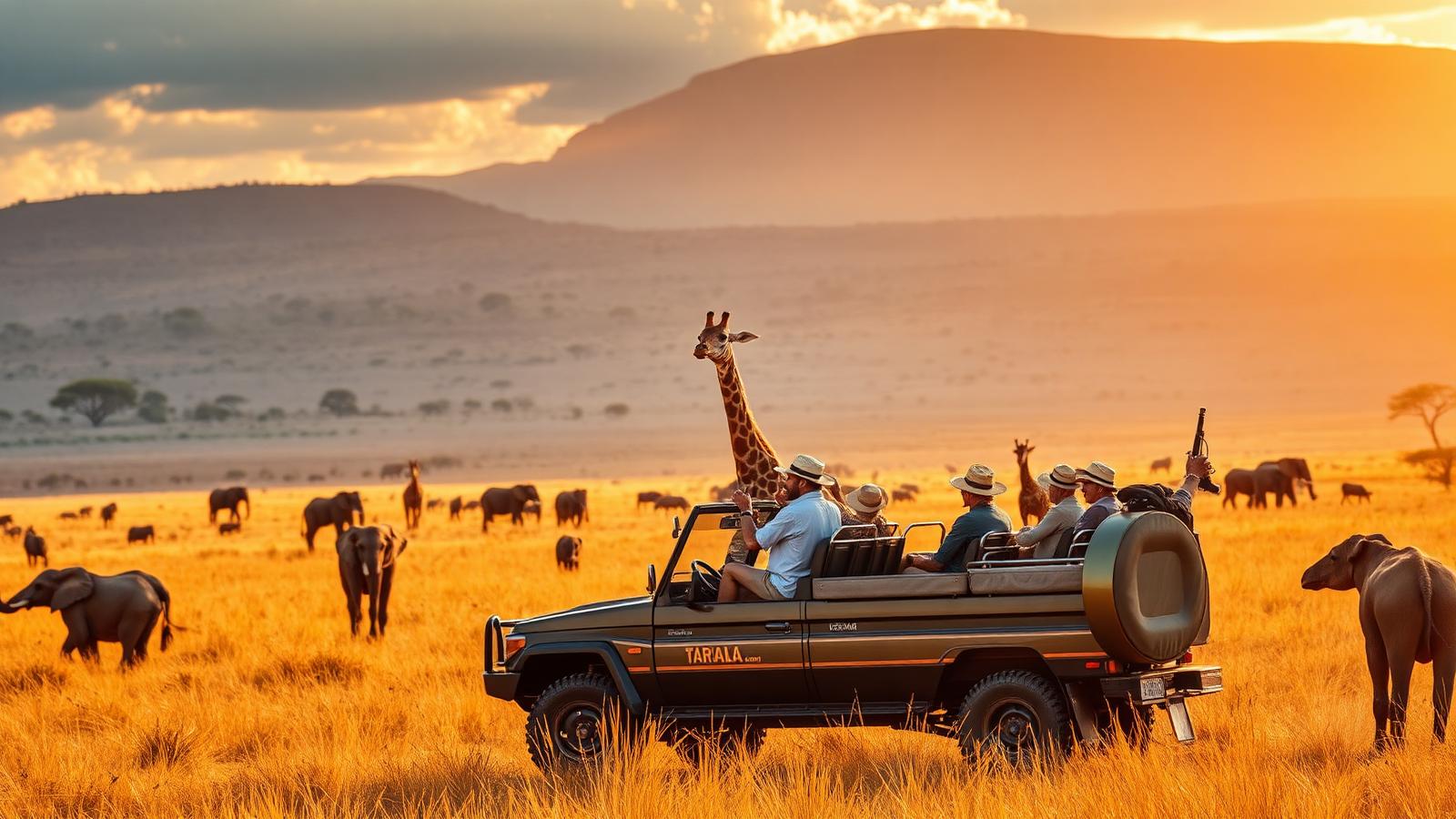
Travel Tips
Tanzania Safari Myths and Facts: Separating Fiction from Reality
The misconceptions travelers arrive with most often — about cost, wildlife, safety, weather, distance and booking — and what actually happens on the ground, explained by an Arusha-based operator.

Most people planning a first trip to Tanzania have already collected a set of half-facts: something a neighbor said, a forum thread from years ago, a documentary, a price they saw on one website and assumed was standard. Some of it is accurate. A surprising amount of it is either outdated or describes a different kind of trip entirely.
This guide works through the misconceptions we hear most often in planning conversations. The point is not to declare everything false. Several of these myths contain a real kernel — the useful part is understanding what the claim depends on, because in Tanzania the honest answer to most questions is that it varies by season, park, itinerary and what you personally expect from the trip.
How to Read These Myths
Each section below follows the same shape: the claim as travelers usually phrase it, what the situation actually is, and why the distinction changes a planning decision. That last part is the reason this guide exists. Knowing that a myth is false is mildly interesting; knowing what to do differently because of it is what saves money and disappointment.
A few of these verdicts are deliberately hedged. Park fees, entry requirements and health guidance are set by authorities that revise them from time to time, and no travel article should be your final source for any of them. Where that applies, treat what follows as orientation and confirm the specifics through official channels or your operator before you commit.
Why Safari Myths Persist
Three things keep these ideas in circulation. The first is age: safari travel changed substantially over the last two decades, and a lot of the advice floating around describes conditions that no longer apply. The second is marketing. Luxury properties advertise loudest because they have the margins to do so, which skews the prices people see before they have any sense of the market's shape.
The third is that Africa gets flattened into a single idea. Travelers who would never confuse Portugal with Ukraine will treat a headline from one part of the continent as relevant to a park circuit thousands of kilometres away. Tanzania has its own conditions, its own tourism system and its own regulations, and most of the useful answers are specific to it.
Myth vs Fact at a Glance
A summary before the detail. Scroll the table sideways on a phone if you need to, and use the sections below for the reasoning behind each verdict.
| Common claim | Verdict | What is actually going on |
|---|---|---|
| Safari is only for wealthy travelers | Mostly false | Price depends on accommodation tier, season and group size. Camping and mid-range lodge trips sit far below the luxury rates that dominate search results. |
| Tanzania is dangerous for tourists | Overstated | Ordinary urban precautions matter in the cities. On safari and on Kilimanjaro you are with licensed crews the whole time, and the risk profile is low. |
| You will see the Big Five in three days | False | Four are common on a standard northern route. Rhino sightings are limited and usually distant, and nothing about wildlife is guaranteed. |
| The migration happens once a year | False | It is a continuous cycle. What changes is where the herds are, and river crossings are a short seasonal chapter within it. |
| The rainy season ruins a safari | Mostly false | Rain usually comes in bursts rather than all day. Green season brings calving, fewer vehicles and lower rates, with muddier roads as the trade-off. |
| Safari means sleeping rough | False | Most travelers stay in lodges or permanent tented camps with real beds and en-suite bathrooms. Mobile camping is a choice, not the default. |
| You need a professional camera | False | A modern phone handles landscapes and close sightings. A zoom lens or good binoculars help far more than an expensive body. |
| Zanzibar is a separate trip | False | Short domestic flights connect the northern parks and the coast. Combining the two is the standard shape of a Tanzania holiday. |
| Booking direct with a local operator is risky | Depends | Licensing, references and payment terms are what matter, not whether a company is local or overseas. Verify before you transfer money. |
Safari Cost Myths
Myth
A Tanzania safari is a luxury purchase, priced for honeymooners and celebrities.
Fact
Safari pricing spans a wide band. Camping and mid-range lodge trips sit well below the fly-in luxury rates that dominate search results, and the gap between tiers is driven mainly by accommodation.
Why it matters
If you assume the top of the market is the market, you either abandon the idea or overpay for a tier you did not need. Knowing the range lets you set a realistic budget and then choose where to spend it.
The structure of a safari price is simpler than it looks. Park fees are set by the authorities and are the same whoever you book with. The vehicle, guide and fuel are a fixed daily cost shared among the people in the car. Accommodation is the variable that actually separates a modest trip from an expensive one, and it can differ by a factor of five or more per night for the same park and the same game drives.
That structure has a practical consequence. Two travelers sharing one vehicle carry the whole fixed cost between them; four travelers halve it each. Solo travelers feel this most, along with the single supplement most lodges apply. Our cost breakdown guide works through the line items in detail, and the comparison of luxury and mid-range trips covers what the extra spend buys you.
What a Day Rate Does and Doesn't Cover
"All-inclusive" means different things to different companies, and this is where most quote confusion starts. Here is what is typically inside and outside a safari day rate.
| Line item | Usually | What to check |
|---|---|---|
| Park and conservation fees | Included in a quoted day rate | Government-set and charged per person per day. Rates are periodically revised, so confirm the figures used in your quote. |
| Vehicle, fuel and driver-guide | Included | The largest fixed cost. Splitting it across four people rather than two changes the per-person price more than any other single factor. |
| Accommodation and meals on safari | Included | The tier you choose drives most of the price gap between a $250 day and a $900 day. |
| International flights | Not included | Almost never part of a safari quote. Budget it separately and early, since airfare swings by season. |
| Domestic and bush flights | Sometimes included | Depends on the itinerary. Ask whether transfers between parks are by road or air before comparing two quotes. |
| Drinks, tips and personal items | Not included | Plan for guide and camp staff tipping. It is customary here and is a real line in your budget. |
| Visa and travel insurance | Not included | Requirements and fees can change. Check current rules with the official Tanzanian immigration service before you travel. |
| Balloon rides, walking safaris, cultural visits | Not included | Priced per activity and often booked in advance because capacity is limited. |
Cheap Quotes and What They Leave Out
Myth
If one operator quotes far less than everyone else for the same days and parks, the others are overcharging.
Fact
Unusually low quotes almost always differ somewhere: lodges outside the park gates, more people per vehicle, fewer nights in the expensive areas, or fees excluded from the headline figure.
Why it matters
Comparing prices without comparing structure is how people end up driving two hours each way to a gate every morning. Read what each quote actually contains before deciding one is better value.
Wildlife Myths
Myth
The parks are so full of animals that you will see everything you hope for in a couple of days.
Fact
Sightings in the main northern parks are frequent and reliable, but they are still wild animals in enormous landscapes. Density, season and time of day all affect what a given drive produces.
Why it matters
Expecting a checklist turns a good trip into a disappointing one. Expecting variety, with some days better than others, is closer to how safari actually unfolds.
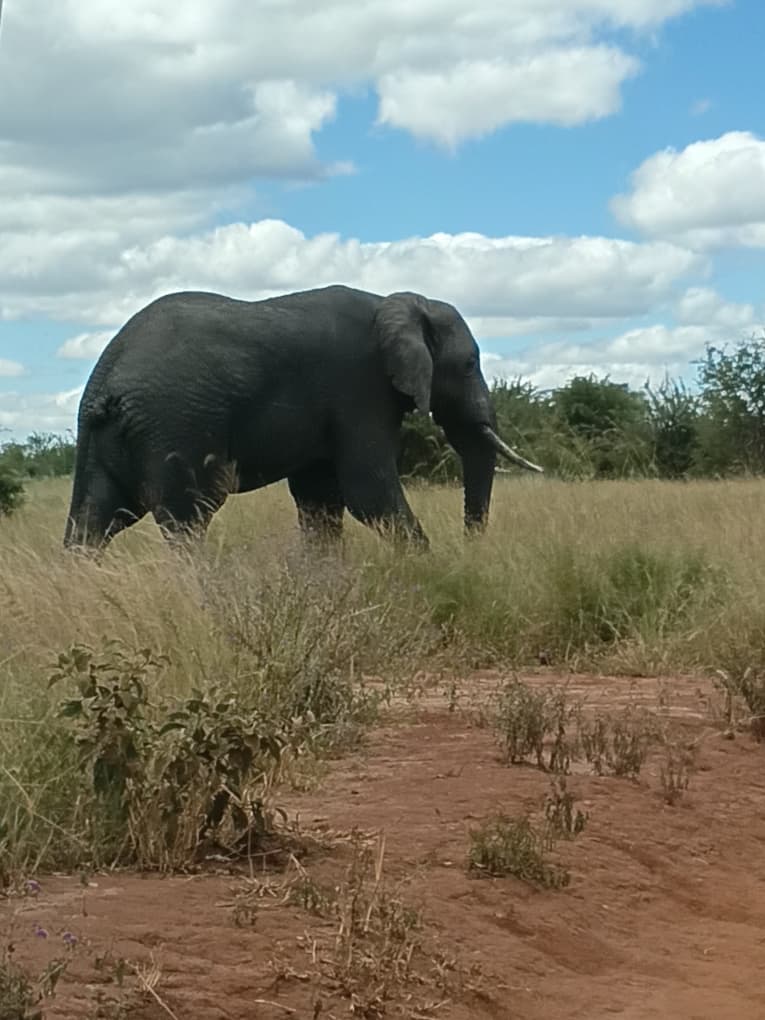
The northern parks earn their reputation. Elephants, giraffes, zebras, buffalo, wildebeest and a range of antelope are near certainties on a normal itinerary, and predator sightings are common in the right areas. What varies is the quality and the drama. A lion asleep under a tree is a sighting; a hunt is luck. The longer you stay in one area, the more chances you get.
The Big Five Guarantee Problem
Myth
A good operator can guarantee the Big Five on a short itinerary.
Fact
Four of the five are commonly seen on a standard northern circuit. Rhinos are the exception — numbers are limited, they are protected closely, and sightings tend to be distant when they happen at all.
Why it matters
Any promise of specific animals is a promise nobody can keep. Choose an itinerary for time in good habitat rather than for a guarantee, and treat a rhino as a bonus.
Leopards deserve a similar caveat. They are present across the Serengeti and are seen regularly, but they are solitary and well camouflaged, and a lot depends on your guide's ability to read a tree line. For what lives where and when, our Serengeti wildlife guide goes species by species.
Animals and Vehicle Safety
Myth
Being close to lions and elephants in an open vehicle is dangerous.
Fact
Animals in the main parks are habituated to vehicles and generally treat them as neutral objects rather than as threats or prey. Incidents are rare when guests follow the guide's instructions.
Why it matters
Understanding why it works also tells you the rules: stay seated, keep limbs inside, keep noise down, and never stand up or step out unless your guide says the situation allows it.
Great Migration Myths
Myth
The Great Migration is an annual event that happens at a set time, and you either arrive for it or miss it.
Fact
The migration is a continuous, year-round movement of herds around the Serengeti ecosystem. There is no start date. What changes month to month is which part of the ecosystem holds the herds.
Why it matters
This reframes the planning question. Instead of asking whether you will see the migration, ask where the herds are likely to be during your dates and build the itinerary around that area.
Movement is driven by rainfall and grazing, and rainfall is not a calendar. Patterns repeat broadly year to year, which is why month-by-month guidance is useful, but the herds can be early, late or spread across a wider area than usual. Anyone quoting exact dates months in advance is describing an average, not a forecast. The full cycle is covered in our wildebeest migration guide, and the timing detail sits in best time to see the migration.
River Crossings and Timing
Myth
Booking during crossing season means you will watch a river crossing.
Fact
Crossings happen within a season, not on a schedule. Herds may gather at a bank for hours and turn back, or cross somewhere else entirely, and vehicles cannot always reach the point they choose.
Why it matters
If a crossing is your priority, plan several nights in the right area rather than one, and accept that the rest of the trip has to be worth it on its own terms.
Safety Myths
Myth
Tanzania is a risky destination and travelers should expect trouble.
Fact
Tanzania has a long-established tourism industry, and the standard risks travelers encounter are ordinary ones: petty theft in busy urban areas, opportunistic scams, and road safety on long journeys.
Why it matters
Broad fear leads to the wrong precautions. Specific awareness — arranged transport at night, discretion with valuables, care with cash — addresses what actually happens.
The safari environment itself is structured. You are with a licensed driver-guide, on known routes, staying at registered properties, with an operator tracking where the vehicle is. That structure removes most of the uncertainty that makes independent travel feel exposed elsewhere. Cities are where normal urban judgement applies, and it applies the same way it would in any large city at home.
Our dedicated guide on whether Tanzania is safe for tourists goes region by region rather than repeating generalities. Government travel advisories are also worth reading directly, since they are updated and this article is not.
Solo and Female Travelers
Myth
Traveling alone here, particularly as a woman, is impractical or unsafe.
Fact
Solo travelers are common on safari and on Kilimanjaro, and the guided structure suits them well. Most of the adjustments involve modest dress in some settings, arranged evening transport, and choosing accommodation with other guests around.
Why it matters
The realistic obstacle for solo travelers is usually cost, not safety. Single supplements and unshared vehicle costs are the part that needs planning.
The practical detail is covered in our solo travel guide, including how joining departures work and when a shared vehicle makes sense.
Weather and Season Myths
Myth
Africa is hot, so a safari means dressing for heat.
Fact
Much of the northern circuit sits at altitude. Early morning game drives and the Ngorongoro highlands can be genuinely cold, while afternoons in lower parks like Tarangire get hot.
Why it matters
A single-temperature packing plan leaves people shivering through the best hours of the day. Layers solve it, and the first hour of a morning drive is when you will be glad you brought a fleece.
The temperature swing across a single day is the part travelers underestimate most. A pre-dawn departure on the crater rim and a midday stop in the Serengeti can feel like different climates, because in practical terms they are. The packing list has the full kit, and best time to visit Tanzania covers the seasonal picture properly.
The Green Season Misunderstanding
Myth
Traveling in the rainy months means constant rain and a ruined safari.
Fact
Rain in the green months typically arrives as afternoon showers or short heavy bursts rather than all-day drizzle. Parks stay open, wildlife stays present, and rates and vehicle numbers both drop.
Why it matters
Dismissing these months removes a genuinely good option, particularly for photographers and travelers on a tighter budget. The real trade-offs are road conditions and less concentrated game viewing.
| Period | What conditions are generally like | Trade-off |
|---|---|---|
| June to October | Dry, cooler mornings, thinner vegetation and animals concentrated near water. The most predictable game viewing of the year. | Highest rates, busiest parks and the earliest booking window. Popular camps fill many months ahead. |
| November to mid December | Short rains arrive in bursts, landscapes turn green and visitor numbers drop noticeably. | Afternoon showers and some muddy tracks. Sightings remain good, but movement can slow. |
| January to February | A drier window inside the green months, and the calving period in the southern Serengeti and Ndutu area. | A short, popular season for predator activity. Ndutu accommodation is limited and books early. |
| March to May | The long rains. Fewest vehicles, lowest rates, and dramatic skies for photography. | Some camps close, black-cotton tracks get difficult, and a few areas become impractical to reach. |
Weather patterns shift, and recent years have not always followed the textbook timing. Treat these bands as general tendencies rather than promises, and ask your operator what conditions have actually looked like recently in the areas you are considering.
Accommodation Myths
Myth
Safari accommodation means either a five-star lodge or a tent on the ground.
Fact
The middle of the market is where most travelers stay: comfortable lodges and permanent tented camps with private bathrooms, hot water, prepared meals and electricity for at least part of the day.
Why it matters
Assuming there are only two options leads people to overspend or to rule out the trip entirely. The comfort tier that suits most travelers sits between the extremes.
What a Tented Camp Actually Is
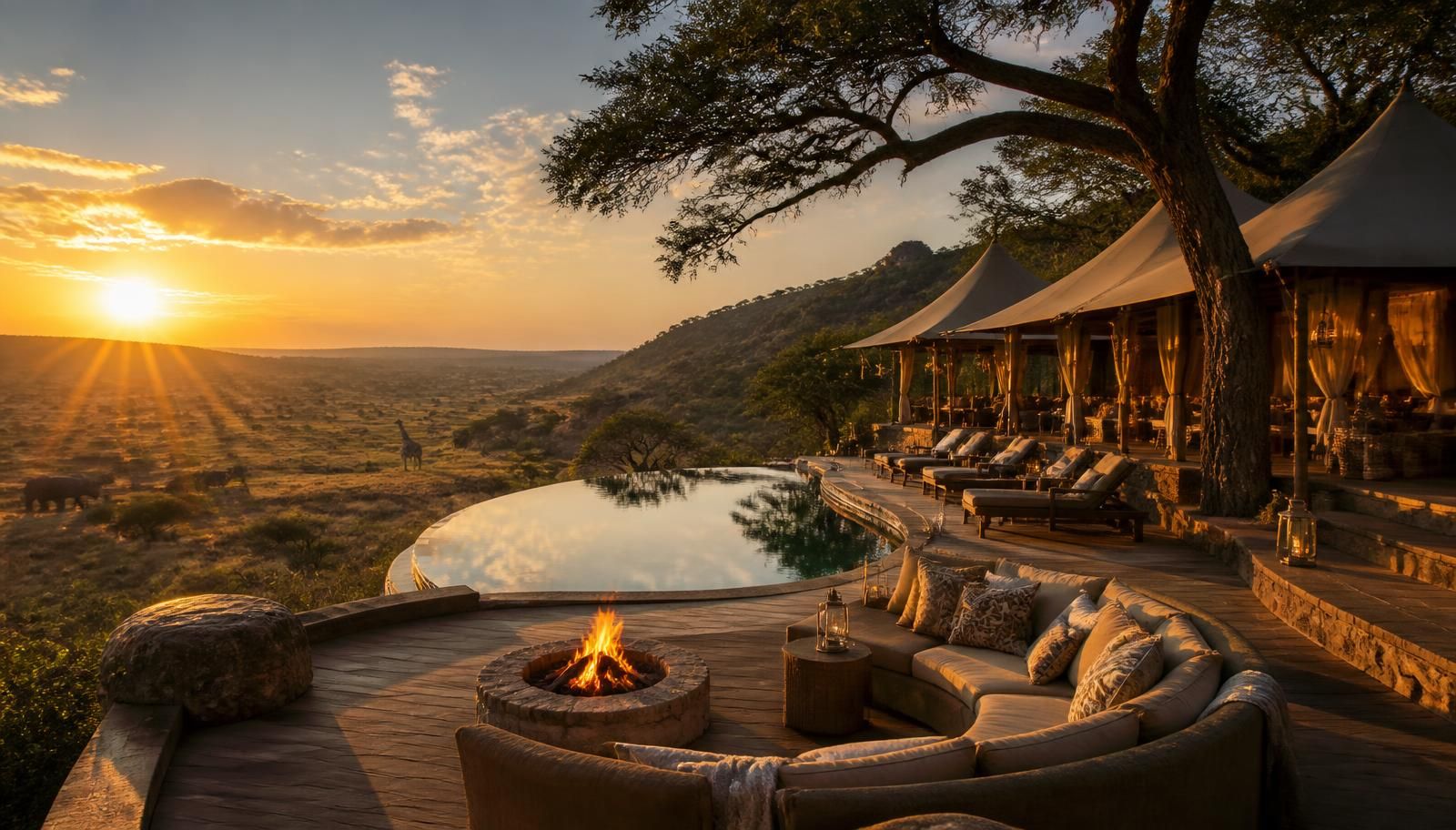
The phrase causes more confusion than any other in safari planning. A permanent tented camp is a canvas structure on a raised platform with a proper bed, an en-suite bathroom with a flushing toilet and a shower, furniture, and a veranda. Meals are cooked and served. Staff handle laundry at many properties. The canvas is the only thing it shares with the tent in your garage.
Mobile camps are a separate category — smaller, lighter, moved seasonally to follow the herds — and they range from simple to genuinely comfortable. Basic public campsites also exist for budget trips, and those are closer to what most people picture when they hear camping. Ask which of the three a quote refers to, because all of them can be described as "tented".
Driving and Distance Myths
Myth
The parks are close together, so you can add another one without much cost to the itinerary.
Fact
Northern Tanzania covers a lot of ground and park roads are unpaved by design. Moving between areas is frequently a half-day, and internal Serengeti transfers alone can take several hours.
Why it matters
Distance is the single most common reason itineraries feel rushed. Every added park subtracts wildlife time, even when the map makes the move look small.
| Leg | Typical travel time | Planning note |
|---|---|---|
| Kilimanjaro Airport to Arusha | About 1 to 1.5 hours | Straightforward tarmac. Most travelers do this on arrival day. |
| Arusha to Tarangire | Around 2 to 2.5 hours | Easy morning transfer that still leaves a full afternoon game drive. |
| Arusha to Karatu | Roughly 3 to 4 hours | The usual overnight base before descending into the Ngorongoro Crater. |
| Karatu to central Serengeti | Around 5 to 7 hours | Long, and the reason many itineraries fly one direction instead of driving both. |
| Serengeti internal transfers | 2 to 4 hours between areas | The park is vast. Moving from the south to the north is a travel day, not a detour. |
| Serengeti airstrip to Zanzibar | Under 2 hours flying, often with a stop | Light aircraft schedules vary. Confirm routing and baggage limits with your operator. |
Times vary with road conditions, weather, gate queues and how often you stop for wildlife — and you will stop, because that is the point. Treat these as working estimates rather than schedules.
When Flying Beats Driving
Myth
Bush flights are an expensive luxury add-on.
Fact
On longer itineraries a one-way flight often pays for itself in recovered time, particularly on the Serengeti leg. Whether it makes sense depends on trip length, budget and how much driving you tolerate.
Why it matters
Flying one direction and driving the other is a common compromise: you see the landscape on the way in and save most of a day on the way out.
Light aircraft have strict baggage limits and usually require soft bags. Confirm the current allowance with your operator before packing, since it is tighter than most travelers expect. Sample routings are laid out in our itinerary guide.
Photography Myths
Myth
You need professional camera gear to come home with good safari photographs.
Fact
Modern phones handle landscapes, camp scenes and close sightings well. Where dedicated gear helps is reach — a telephoto lens for distant or small subjects — and low light at the beginning and end of the day.
Why it matters
Buying a complicated camera days before departure usually produces worse results than using equipment you already know. If you want reach, rent or borrow, and practise before you fly.
The things that actually improve safari photographs cost little: a beanbag or rolled jacket to steady the camera on the roof hatch, a spare battery and card, a dust-resistant bag, and the discipline to put the camera down occasionally. Guides also matter — positioning the vehicle for light and angle is a skill, and it is worth telling your guide that photography is a priority for you.
Binoculars are the underrated purchase. A modest pair changes every sighting that is further away than the next vehicle, and they cost a fraction of a lens. Technique and settings are covered in our safari photography guide.
Cultural Tourism Myths
Myth
Village and cultural visits are staged performances with no real value.
Fact
Quality varies widely. Some visits are rushed and transactional; others are community-run programmes where the arrangement is clear and the money reaches the community directly.
Why it matters
The difference is worth investigating rather than assuming. Ask who organises the visit, how the fee is distributed, how long you stay and what the visit actually involves.
Photography is the part people get wrong most often. Ask before photographing anyone, accept a refusal without negotiating, and understand that a payment arrangement, where one exists, should be agreed up front rather than improvised. Our etiquette guide covers this, along with dress and greeting conventions that make interactions easier.
A related misconception is that all communities near the parks are the same. Tanzania has many distinct peoples with different languages, livelihoods and histories, and treating a visit as generic "African culture" misses most of what makes it interesting.
Zanzibar and Safari Myths
Myth
Zanzibar is a separate holiday that needs its own international flight and a long overland journey.
Fact
Zanzibar is part of Tanzania and connects to the mainland safari circuit by short domestic flights. Combining a safari with time on the coast is a normal itinerary rather than an unusual one.
Why it matters
Ruling out the coast because it looks logistically hard removes the easiest way to end a trip well: a few unhurried days after a run of early mornings.
Two practical points get overlooked. Zanzibar's tides are dramatic on parts of the east coast, which affects swimming at some hours and at some times of the month, so the beach you choose matters. And Zanzibar is predominantly Muslim, so modest dress away from beaches and resorts is the norm rather than an imposition. Combination routing is covered in our safari and Zanzibar guide.
First-Time Visitor Myths
Myth
Tanzania is too complicated for a first trip to Africa and should wait until you are a more experienced traveler.
Fact
The northern circuit is one of the more structured wildlife destinations available. Guides handle logistics, parks are well established, and English is widely used across the tourism industry.
Why it matters
Waiting for experience you do not need costs years. What a first-timer should focus on is pacing and expectations, not whether they can handle the destination.
The genuine first-timer mistakes are different from the imagined ones: packing too much, booking too many parks, underestimating the early mornings, and arriving with a checklist. Our guide for first-time visitors deals with all of those, and the full Tanzania travel guide covers the country-wide practicalities.
Health and Vaccination Myths
Myth
You will need a long list of vaccinations, and malaria makes the trip risky.
Fact
Requirements and recommendations depend on your route, your medical history and where you are travelling from. Malaria risk varies by area and season, and prevention is a routine part of travel here.
Why it matters
Health planning is one of the few areas where a travel article should not be your source. A travel clinic can advise on your specific itinerary, and requirements change over time.
Altitude is the health factor travelers forget entirely. The crater rim and much of the northern circuit sit well above sea level, and Kilimanjaro is a different category again. Anyone climbing should read our altitude sickness guide rather than relying on general safari advice.
Common Booking Misconceptions
These are the assumptions that cost the most money, and they usually come up in the last stage of planning when people are comparing proposals.
| Common assumption | A better approach |
|---|---|
| The cheapest quote is the same trip for less money | Compare park nights, vehicle sharing, lodge locations and whether fees are included. Two quotes that look similar often describe different trips. |
| You can plan a high-season trip a few weeks out | Rooms inside the parks are limited. For June to October, booking many months ahead protects both location and price. |
| More parks means a better itinerary | Each move costs half a day. Fewer parks with longer stays almost always produces better sightings and a calmer trip. |
| An overseas agent is automatically safer than a local operator | What matters is licensing, verifiable references and sensible payment terms. Ask for the operator's licence details either way. |
| The itinerary is fixed once it is written | Good operators adjust pacing, lodge tier and routing during planning. Say what you actually want before you sign off. |
| Everything can be arranged after arrival | Day trips and town hotels can be. Park accommodation, permits and internal flights in busy months usually cannot. |
Myth
Booking directly with a Tanzanian operator is riskier than going through an agent at home.
Fact
Both models include good and bad companies. What distinguishes them is licensing, verifiable references, clear written terms and a payment structure that is not entirely up front.
Why it matters
Judging on geography rather than on evidence is how travelers end up paying more for less. Ask for licence details, read independent reviews, and confirm what happens if plans change.
What to Stop Worrying About
- Language. English is used throughout the tourism industry. Learning a few Swahili greetings is appreciated, not required.
- Food. Lodges and camps cater to international guests, and dietary requirements are routine when notified in advance.
- Being unreachable. Mobile coverage is good in towns and patchy but present across much of the circuit. Most camps have some form of connectivity.
- Vehicle comfort. Safari vehicles are built for these roads, with roof hatches, charging points and cool boxes as standard on most fleets.
- Animals near the vehicle. Proximity is normal and managed. Following your guide's instructions is all that is asked of you.
What Actually Deserves Planning
- Timing your dates against the season. This affects cost, crowds, road conditions and where the herds are, all at once.
- How many parks you attempt. Fewer areas with longer stays consistently produces a better trip than a tour of everything.
- Booking windows for busy months. Availability inside the parks, not price, is the constraint from June to October.
- Entry requirements and health advice. Verify current rules from official sources close to departure rather than relying on older information.
- Baggage limits on light aircraft. Tighter than commercial flights, and usually soft bags only.
- Budget for what is excluded. Tips, drinks, optional activities, visa and insurance sit outside most day rates.
Related Guides
- Tanzania Safari for First-Time Visitors — how to structure a first trip, and the pacing mistakes worth avoiding.
- Is Tanzania Safe for Tourists? — the region-by-region picture rather than a single verdict.
- Best Time to Visit Tanzania — month by month, with the trade-offs of each window.
- Tanzania Safari Cost Breakdown — where the money in a quote actually goes.
- The Great Wildebeest Migration — the full cycle and how to plan around it.
- The Ultimate Tanzania Travel Guide — the country-wide reference for everything else.
Common Questions
Frequently Asked Questions
That safari is a single, expensive product. In practice the price depends on accommodation tier, season, and how many people share the vehicle. Park fees are set by the authorities and are the same wherever you book, the vehicle and guide are a fixed daily cost shared among passengers, and accommodation is where the largest differences appear. Once you see the structure, the question stops being whether you can afford a safari and becomes which tier and season suit your budget.
No, and any company that does is promising something outside its control. Four of the five are commonly seen on a standard northern circuit itinerary. Rhinos are the exception — numbers are limited and closely protected, and sightings, where they happen, are often distant. The realistic approach is to allow enough time in good habitat and treat the rarer species as a bonus rather than a target.
No. The herds move continuously around the Serengeti ecosystem in response to rainfall and grazing, so the migration is happening every month of the year. What changes is location. River crossings are a seasonal chapter within that cycle, but they occur when the herds decide to move, not on a schedule, so planning around a general window and staying several nights in the right area works better than targeting specific dates.
Not necessarily. Rain in the green months usually comes in bursts rather than lasting all day, parks stay open, and rates and vehicle numbers are lower. The genuine trade-offs are road conditions on some tracks, less concentrated game viewing while water is widely available, and a small number of camps that close during the long rains. For photographers and travelers with flexible budgets, these months can be an advantage rather than a compromise.
Only if you choose that. Most travelers stay in lodges or permanent tented camps, which have raised platforms, real beds, en-suite bathrooms with flushing toilets and hot showers, prepared meals and furnished verandas. Mobile camps that follow the herds are a separate category and vary from simple to comfortable, and basic public campsites exist for budget trips. Because all three can be described as 'tented', it is worth asking which one a quote refers to.
Distances are the most commonly underestimated part of a Tanzania itinerary. Northern Tanzania covers a lot of ground, park roads are unpaved by design, and internal Serengeti transfers alone can take several hours. Adding a park usually means adding travel time rather than wildlife time. In most cases, fewer areas with longer stays produce better sightings and a calmer trip.
No. Modern phones handle landscapes, camp scenes and close sightings well. Dedicated gear helps mainly with reach for distant subjects and with low light early and late in the day. If you want that reach, renting or borrowing and practising beforehand beats buying an unfamiliar camera days before departure. A modest pair of binoculars improves more sightings, for far less money, than most lens upgrades.
The risks travelers actually encounter are ordinary ones: petty theft in busy urban areas, opportunistic scams, and road safety on long journeys. On safari and on Kilimanjaro you are with licensed crews on known routes and staying at registered properties, which removes much of the uncertainty. In Arusha, Dar es Salaam and Stone Town, normal city judgement applies — arranged transport after dark, discretion with valuables and care with cash. Government travel advisories are updated regularly and are worth reading directly.
Yes, and solo travelers are common on both safari and Kilimanjaro. The guided structure suits people travelling alone, since logistics, driving and park access are handled for you. The realistic obstacle is usually cost rather than safety: single supplements apply at most lodges, and an unshared vehicle concentrates the fixed daily cost on one person. Joining a shared departure is the usual way to manage that.
No. Zanzibar is part of Tanzania and connects to the mainland safari circuit by short domestic flights, so combining the two is a normal itinerary rather than an unusual one. Two practical details are worth knowing: tides on parts of the east coast affect swimming at certain hours, so the beach you pick matters, and Zanzibar is predominantly Muslim, so modest dress away from beaches and resorts is the local norm.
That depends on your route, your medical history and the countries you travel through, and it is one of the few planning questions where a travel article should not be your source. Requirements — including any yellow fever certificate rules tied to transit countries — are set by authorities and can be revised. Speak to a travel health clinic several weeks before departure, and ask specifically about malaria prevention for the areas and season you are visiting.
Not inherently. Both models contain strong and weak companies, and geography is a poor proxy for reliability. What matters is whether the operator is properly licensed, whether you can find verifiable independent references, whether the terms are written clearly, and whether the payment structure is reasonable rather than fully up front. Ask for licence details either way and confirm what happens if your plans change.
Final Thoughts
The pattern running through all of this is that Tanzania is usually less frightening and more nuanced than the myths suggest. The country is not dangerous in the way people fear, but cities deserve normal caution. Safari is not only for the wealthy, but the price is real and depends on choices you control. Wildlife is abundant, but not on demand.
If you take one habit from this guide, make it this: when someone gives you a flat answer about Tanzania, ask what it depends on. Season, park, itinerary and expectations change most answers, and the operators worth working with will tell you that rather than promising certainty they cannot deliver.
Rules, fees and health guidance shift over time. Confirm the specifics through official sources or your operator before you travel, and treat anything you read online — including this article — as a starting point for the conversation rather than the last word.
The useful habit when planning Tanzania is to ask what an answer depends on. Season, park, itinerary and your own expectations change most of them, and the operators worth working with will say so rather than offering certainty nobody can deliver.
Plan Your Journey
Still weighing conflicting advice? Ask us directly
Tell us your dates, who is travelling and what you hope to see, and our Arusha-based team will give you a straight answer on destinations, realistic costs, the right season for your trip and how to shape the itinerary — with no obligation to book.
- TALA Licensed Operator
- 4.9 ★ Guest Rating
- No Booking Fees
Keep Reading
Related Tanzania Safari Guides
Safari Guides
The Ultimate Tanzania Travel Guide: Everything You Need to Know Before You Visit
Safari Guides
Best Tanzania Safari Itineraries: How to Choose the Right Route for Your Days
Safari Guides