Tanzania Safari Guide
Katavi National Park Guide: Wildlife, Seasons and Whether the Journey Is Worth It
Western Tanzania's most remote major park, explained honestly — what the floodplains and river pools deliver, when to go, how long to stay, and when Ruaha or the Serengeti is the better choice.

Katavi National Park sits in western Tanzania, well away from the routes most safaris follow. It is one of the country's largest parks and one of its least visited, and those two facts together explain most of what travelers like and dislike about it. There is a lot of space, very few vehicles, and very little infrastructure to fall back on.
This guide covers what Katavi is actually like in the field: the landscapes, the wildlife you can realistically expect, how the seasons change the park, what the drives and walks involve, how to get there, and how it compares with Ruaha and the Serengeti. For the wider planning picture, our worked itineraries and the complete Tanzania travel guide cover routing and trip structure in more depth.
The Short Answer
Go to Katavi if you have already done a mainstream safari, you value space and quiet more than variety of camps and activities, and you have the days and budget to reach a park served by limited scheduled flights. Late in the dry season, as surface water shrinks, wildlife gathers along the Katuma River and remaining pools, and you may have those scenes entirely to yourself.
Choose somewhere else if this is a first safari, if your trip is under about ten days, or if you need flexible flight days and a choice of accommodation. Remoteness is not automatically better viewing — it buys solitude and atmosphere, and it costs money, time and flexibility.
Where Is Katavi National Park?
Katavi lies in western Tanzania, inland from Lake Tanganyika and south of Lake Victoria, in the flat, hot basin of the Rukwa Rift. The town of Mpanda is the nearest sizeable settlement. The park's core is a system of floodplains and seasonal lakes fed by the Katuma River, surrounded by broad miombo woodland and framed by low escarpments.
Nothing about the geography is convenient. There is no major airport nearby and no quick road link to the northern or southern safari circuits. Travelers arrive on scheduled light aircraft that connect the park to Arusha, Dar es Salaam and southern parks, usually with at least one stop, on a limited number of days each week during the operating season.
Why the Remote Location Matters
Remoteness shapes the experience in ways that go beyond the drive from the airstrip. It affects how many people share your sightings, what a camp can offer, how much the trip costs, and what happens if plans change.
- Traffic. Most drives happen without meeting another vehicle. Sightings that would gather a queue elsewhere are simply yours, for as long as you want them.
- Supply. Everything in camp arrives by air or long road transfer. That drives up nightly rates and limits how elaborate the operation can be.
- Flexibility. With few flights, adding or dropping a night mid-trip is rarely simple. Itineraries need to be firmer than on the northern circuit.
- Medical and logistical distance. Evacuation and resupply take longer from western Tanzania. Comprehensive travel insurance that covers remote areas matters more here — our insurance guide explains what to look for.
- Atmosphere. The quiet is real. For some travelers that is the whole point; for others it feels isolating after a few days.
None of this makes Katavi better or worse than a busier park. It makes it a different trade: you exchange convenience, choice and flexibility for space and solitude.
What Makes Katavi Different?
Three things distinguish Katavi from the parks most travelers know.
The first is the seasonal water system. The Katuma River and the two seasonal lakes drive the park's rhythm. As the dry season advances, water withdraws into pools and shallow margins, and animals that were spread across the woodland come to the same few places to drink. Viewing follows that shift.
The second is the openness of the floodplains. Katisunga and the ground along the river give long sightlines across grass, which makes it easier to watch large herds move and to follow predator behaviour over distance rather than through a screen of bush.
The third is the sense of scale relative to the number of people in the park. There is no queue for a sighting, no radio chatter drawing vehicles in, and no fixed order to the day. A morning can be spent entirely at one hippo pool if the behaviour is interesting.
Landscape and Ecosystems
Understanding the park's zones helps set expectations, because the drive circuit spends most of its time in two of them.
| Zone | Character | What you tend to see |
|---|---|---|
| Katuma River and floodplains | A seasonal river running through open floodplain grassland; a proper watercourse in the rains, a chain of pools late in the dry season | Hippo, crocodile, buffalo and elephant coming down to drink, with predators working the edges |
| Katisunga plain | One of the park's larger open grass plains, framed by woodland and easy to scan from a vehicle | Buffalo, zebra, topi, impala and giraffe in open country; good visibility for spotting predators |
| Lake Chada and Lake Katavi basins | Shallow seasonal lakes and swampy margins that shrink sharply as the dry season progresses | Waterbirds, hippo, buffalo and grazers concentrating along the retreating shoreline |
| Miombo woodland | Broadleaf woodland covering much of the park, denser and harder to see into than the floodplains | Elephant, roan and sable antelope, woodland birds; sightings take patience and time |
| Escarpments and rocky ground | Higher, broken ground on the edges of the Rukwa Rift basin | Scenery and vantage points more than reliable wildlife viewing |
Seasonal Water and Wildlife
Katavi's reputation rests on what happens when water becomes scarce. In the rains the floodplains hold water widely and animals have no reason to gather. As the dry season progresses, the river breaks into separate pools, the lake margins pull back, and grazers, elephants and hippos have fewer options.
That process is real, but its timing and intensity change from year to year. A late end to the rains, or a strong short-rains season, shifts everything. Some years the pools shrink dramatically by August; other years the same scene arrives in October, or never quite reaches the extremes people expect. Plan for the pattern, not for a specific photograph.
- Hippo numbers per pool rise as water reduces, and competition between animals becomes more visible.
- Buffalo move in larger, more predictable groups between grazing and water, often morning and late afternoon.
- Crocodiles concentrate where water remains, and some shelter in bank burrows when conditions get extreme.
- Predators work the routes between grazing and water, which is why late-season drives often revolve around the floodplain edges.
Wildlife You Can See
The table below sets realistic expectations for a dry-season visit of three or four nights. Chances describe typical patterns, not promises; wildlife viewing is never guaranteed anywhere.
| Species | Likelihood | Where and when |
|---|---|---|
| Hippo | Very high in the dry season | Katuma River pools and remaining water; numbers per pool rise as water shrinks |
| Cape buffalo | Very high in the dry season | Floodplains and open plains, often in large herds moving to and from water |
| Elephant | High | Floodplain edges, woodland and around water; herd sizes vary with season and conditions |
| Nile crocodile | High | River pools and lake margins, including animals sheltering in bank burrows late in the dry season |
| Lion | Good, not guaranteed | Floodplain edges and plains where prey concentrates; often near water in the late dry season |
| Giraffe, zebra, topi, impala | High | Open plains and woodland margins throughout the drive circuit |
| Roan and sable antelope | Uncertain | Miombo woodland; a genuine Katavi draw, but they take time and luck to find |
| Leopard | Uncertain | Riverine bush and woodland; seen, but never something to plan a trip around |
| Spotted hyena | Good | Plains and around carcasses; often heard at night from camp |
| African wild dog | Low and unpredictable | Wide-ranging across the wider ecosystem; treat any sighting as a rare bonus |
| Rhino | Not present | Rhino are not part of the Katavi picture |
Elephants and Large Mammals
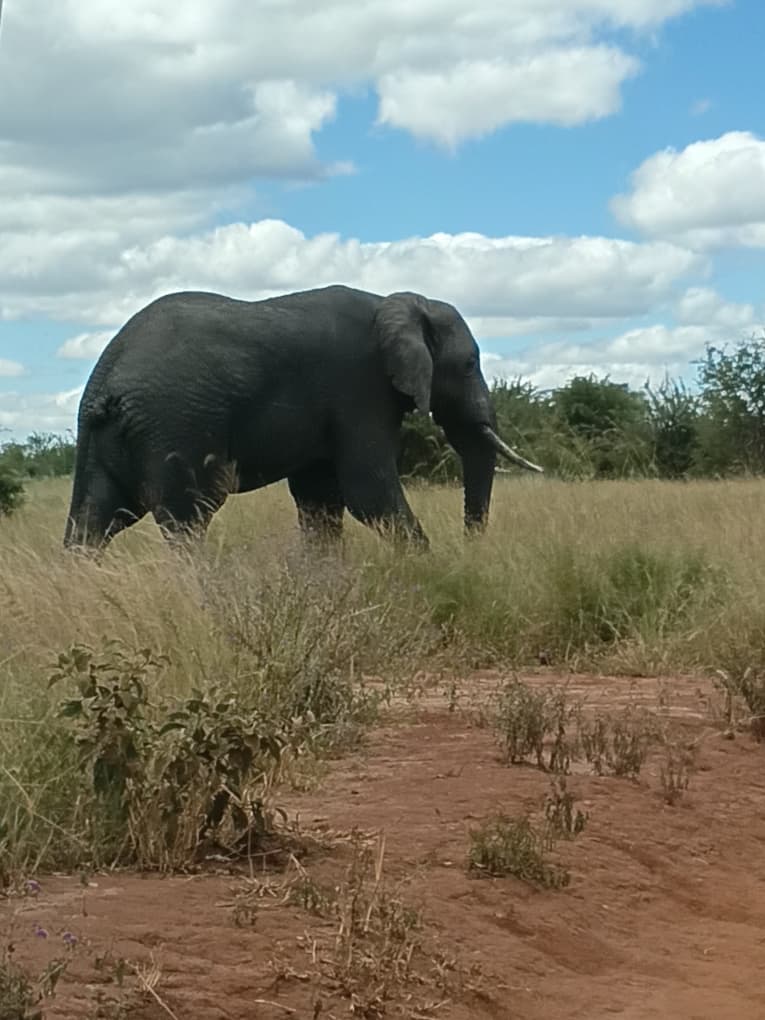
Elephants are a regular presence, moving between woodland and water. In the woodland they can be difficult to see until you are close; along the floodplain they are easier to watch at a distance and photograph in open light. Herd sizes vary through the season, and the largest gatherings tend to coincide with the driest weeks.
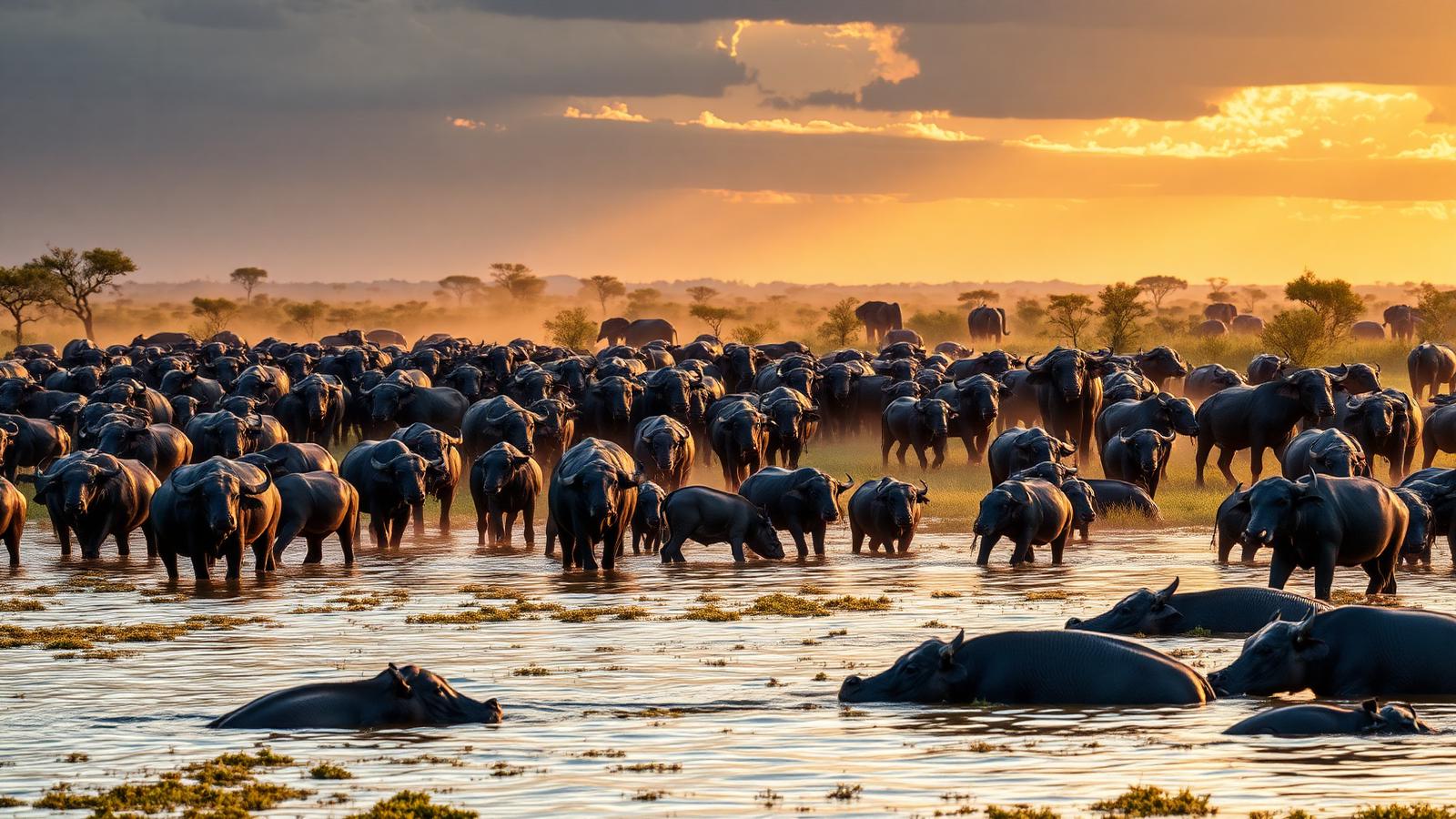
Buffalo are the animal most associated with Katavi. Large herds cross open ground on their way to water, which produces the dust-and-scale scenes the park is known for. Herd size varies; the point is not a number but the way an open floodplain lets you watch a herd behave as a single moving group.
Giraffe, zebra and eland use the plains and woodland margins, and hippos out of water at night are a common sound around camps.
Hippos and Crocodiles
Hippo viewing here is unlike most parks. Where water is plentiful, hippos spread out; where it is not, they crowd. Late in the dry season, pools that are a fraction of their wet-season size can hold a great many animals in close contact, and the resulting jostling, gaping and displays are constant and loud.
It is worth being clear about the ethics of watching this. These are stressed animals in a shrinking resource, not a performance. Good guides keep a respectful distance, avoid pushing vehicles to the water's edge and read when a group is agitated.
Crocodiles share the same water and are easy to find sunning on the banks. Their behaviour in extreme conditions, including the use of bank burrows, is one of the more unusual things guides here will point out.
Lions and Other Predators
Lions are the predator you are most likely to encounter, usually near where prey concentrates. Sightings tend to come from patient work along floodplain edges early and late in the day rather than from following radio calls, since there is rarely anyone to call.
Spotted hyena are common enough to be part of most trips, particularly around carcasses and at night. Leopard occur in riverine bush and woodland but are unpredictable, as they are almost everywhere. African wild dog range across very large areas and are not something to plan a Katavi trip around; if you see them, treat it as luck rather than expectation.
If big-cat viewing is the main goal of your safari, the Serengeti and Ruaha are more dependable choices, and both are easier to reach.
Plains and Woodland Antelope
Topi, impala, zebra, waterbuck, reedbuck and defassa waterbuck all use the open ground and floodplain margins. In the miombo, roan and sable antelope are the species keen wildlife travelers come hoping to see. Both are genuinely present and both take time; woodland viewing is slower, and a sighting often depends on an early start and a guide willing to spend a morning in cover rather than on the plains.
Birdlife
Katavi rewards birders, particularly around water and in the woodland. Waterbirds gather along the shrinking lakes and pools through the dry season, while the miombo holds species that many visitors will not have seen on the northern circuit. The green season brings migrants and breeding plumage, and is the better period for a birding-led visit if you can work around access and camp closures.
What Katavi Does Not Offer
Being direct about this saves disappointment.
- No rhino. If seeing all of the Big Five matters, this is not the park for it — see our Big Five guide for where that fits.
- No migration spectacle. Katavi's concentrations are driven by water, not by a moving herd system.
- Limited choice of camps, and very little in the budget range.
- Limited flexibility once dates are set, because flights run on fixed days.
- Little in the way of cultural add-ons, shopping or non-safari activities nearby.
Best Time to Visit
The dry season is the practical answer, with the later weeks generally producing the most concentrated viewing. The table sets out what each part of the year tends to look like.
| Period | Conditions | Viewing |
|---|---|---|
| June – early July | Land drying out, tracks improving, water still reasonably widespread | Good and getting better; landscapes still green in places, animals less tied to single water sources |
| Late July – October | Hot, dusty, water reduced to pools and remnant lake margins | The park's strongest period. Animals concentrate near remaining water, hippo pools become crowded, predator activity around water is easier to find |
| November – December | First rains arrive, dust settles, some tracks soften | Wildlife begins to disperse as new water appears; birding improves, scenery greens up quickly |
| January – March | Wetter, hot and humid; black-cotton ground can become difficult | Dispersed wildlife, excellent birding, dramatic skies; access and camp availability are the main limits |
| April – May | Heaviest rains; many camps in remote Tanzania close for the season | Generally not a practical time to plan a Katavi safari; confirm operating dates before considering it |
Our month-by-month weather guide covers the wider national pattern if you are fitting Katavi around other parks.
Dry Season vs Wet Season
Dry season. Easier travel, firmer tracks, sparse vegetation and animals tied to remaining water. It is hot and dusty by September and October, and the landscape is bleached rather than pretty. This is when most people should go.
Wet season. Green, dramatic and excellent for birds, with far fewer people still. But wildlife disperses, black-cotton ground can make sections of the park impassable, and camp operating dates shrink. For most travelers making a long journey, the trade is not worth it.
How Long Should You Stay?
| Nights | Verdict | Why |
|---|---|---|
| 1 – 2 nights | Usually not worth the flying | You spend a large share of the trip in transit for a short time in the field; better to add nights or choose a closer park |
| 3 nights | Practical minimum | Two full days lets you cover floodplain, river and plains areas at an unhurried pace |
| 4 nights | The sweet spot | Room for slow mornings at water, a walk where available, and a second look at anything that was quiet on day one |
| 5+ nights | For photographers and repeat visitors | Time to work the same areas in different light and wait out behaviour rather than chase it |
The arithmetic matters more here than in most parks. Flying days eat into short stays, so a two-night visit can leave barely one full day in the field. If your trip cannot absorb three or four nights plus the flying around them, the honest advice is to put those days into a park that is easier to reach.
The Game Drive Experience
Drives here are slower and less structured than on the northern circuit. There is no network of vehicles sharing information, so the day is built around habitat, light and where water is holding. A typical pattern is an early start onto the floodplain, a long mid-morning at water, a break through the heat, and an afternoon working the plains and woodland edges.
- Distances between productive areas can be long; expect real driving time between sightings.
- Dust is significant late in the dry season — pack accordingly.
- Full-day drives with a packed lunch are common and usually more productive than two short outings.
- Night drives may be offered where park arrangements allow; confirm rather than assume, since rules and availability vary.
What to bring is broadly the same as anywhere in Tanzania, with extra attention to dust protection and layers for cold early starts. Our packing list covers the detail.
Walking and Other Activities
Walking safaris are part of Katavi's appeal, and several camps arrange them with an armed ranger. Fly-camping — a night out in a light mobile camp — is also offered by some operations. Both depend on park arrangements, ranger availability, conditions and minimum-age rules, and none of it should be presented to your group as certain until the camp confirms it for your dates.
A walk here is not a substitute for a drive. It is slower and covers little ground, and its value is in detail: tracks, dung, plants, insects, birds and the different feeling of being on foot in country where buffalo and elephant are close by.
Accommodation Options
Katavi has a small number of camps, most of them seasonal and most of them positioned for access to the floodplain and river areas. Styles range from classic tented camps with generator or solar power to simpler seasonal setups. There is very little at the budget end, and self-drive camping is not a realistic plan for most visitors.
- Book early for the peak dry-season months; capacity across the whole park is small, so a handful of bookings can close out your preferred dates.
- Check what is included. In remote camps, drinks, laundry, park fees and activities are packaged differently between properties.
- Confirm opening and closing dates for the season, especially at the edges of the dry period.
- Expect simpler infrastructure than a comparable-priced lodge on the northern circuit — the cost reflects logistics, not luxury.
Our accommodation guide explains the camp categories and what changes between them.
How to Get There
For practical purposes, Katavi is a fly-in park. Scheduled light aircraft connect it with Arusha, Dar es Salaam and southern-circuit parks on a limited number of days per week during the operating season, usually with one or more stops en route. Seats are limited and baggage allowances are strict — soft bags, low weight limits.
Overland access exists from the Mbeya and Kigoma directions, but it involves long distances on rough roads and is only relevant to travelers already making an extended overland journey. It is not a way to save money on a normal safari itinerary.
- Build the itinerary around flight days before choosing camps or fixing other parks.
- Leave buffer before international departures; bush flights are weather and load dependent.
- Check baggage limits early, especially with camera gear.
- Expect the flight itself to be a scenic part of the trip rather than dead time.
Remote Safari Considerations
A few practical points that matter more in western Tanzania than in the parks most travelers visit.
- Connectivity. Assume limited or no reliable internet and patchy phone signal. Tell people at home before you go quiet.
- Medication and spares. Bring what you need with you. Nothing can be bought locally, and resupply is not quick. Our health guide covers the basics to discuss with your doctor.
- Heat. The Rukwa basin gets very hot late in the dry season. Plan around midday rather than through it.
- Tsetse flies. Miombo country has them. Neutral clothing that covers arms and legs helps; dark blue and black attract them.
- Contingency. Weather or aircraft changes can shift a day. Build slack rather than scheduling a tight international connection off the back of a bush flight.
Photography Notes
Katavi suits photographers who like working a scene rather than collecting species. Nobody is waiting behind you, so you can stay with a hippo pool or a buffalo herd through changing light. Open floodplains give clean backgrounds; miombo does not.
- Dust is a real risk to gear. Bring sealed bags, blowers and cleaning cloths, and change lenses sparingly.
- Long lenses earn their weight at water, where distance keeps behaviour natural.
- A wider lens is useful for herd-and-landscape frames that show the scale of open ground.
- Late afternoon dust and low sun produce the park's most distinctive light.
Technique and settings are covered in our safari photography guide.
What Drives the Cost
Katavi is expensive relative to time in the field, and it helps to understand why rather than to compare nightly rates in isolation.
- Scheduled light-aircraft seats on long, low-frequency routes.
- Camp supply chains, where fuel, food and staff all travel a long way.
- Short operating seasons, which concentrate a camp's annual costs into fewer months.
- Small guest numbers, so fixed costs are spread across fewer beds.
- Park and activity fees, which change periodically and should be confirmed at the time of booking.
For the wider budgeting picture across Tanzania, see our safari cost guide and the detailed cost breakdown.
Katavi vs Ruaha
This is the comparison that matters most, because both are large, wild, non-northern parks and most travelers will only fit one into a trip.
| Factor | Katavi | Ruaha |
|---|---|---|
| Access | Fly-in from a limited set of routes, usually with a stop; schedules are seasonal and seats are limited | Easier to reach, with more frequent flights and a road option from the Iringa side |
| Traffic at sightings | Very low; long stretches of a drive with no other vehicle in sight | Low by Tanzanian standards, but noticeably busier than Katavi around the main river circuit |
| Signature scene | Floodplains, seasonal river pools, hippo and buffalo concentrated by shrinking water | Baobabs, sand rivers and a strong predator reputation along the Great Ruaha |
| Camp choice | Very limited; a handful of camps, mostly seasonal | Wider range across budgets and styles |
| Best fit | Repeat safari travelers who want space and are comfortable with remote logistics | Travelers wanting a southern-circuit park with strong wildlife and simpler logistics |
For most travelers choosing one, Ruaha is the more practical option and delivers a great deal of what people imagine when they picture a wild Tanzanian park. Katavi makes sense when solitude itself is the priority and the logistics are not a problem. The Ruaha guide goes into that park in depth, and the Nyerere guide covers the boat-safari alternative in the south.
Katavi vs Serengeti
| Factor | Katavi | Serengeti |
|---|---|---|
| First safari suitability | Rarely the right first choice; logistics and cost weigh heavily on a short trip | The standard first-safari destination, with reliable access and broad wildlife |
| Vehicle numbers | Often none besides your own | Popular sightings in busy areas can attract several vehicles, especially in high season |
| Wildlife spread | Concentrated near remaining water late in the dry season; quieter elsewhere | Wildlife across huge areas year-round, with the migration moving through seasonally |
| Activities | Game drives, with walking and fly-camping possible where arrangements allow | Game drives, balloon flights in some areas, walking in designated concessions |
| Cost per night | Higher once flights and remote-camp supply costs are counted | A wide price range from mid-range to top end |
These parks are not really substitutes. The Serengeti offers breadth, reliability and access; Katavi offers space and a narrower, water-driven kind of viewing. Travelers who enjoy Katavi most are usually those who have already had the Serengeti experience and know what they want more of.
Combining Katavi With Other Parks
Katavi rarely works as a standalone destination, and the pairing you choose shapes the whole trip.
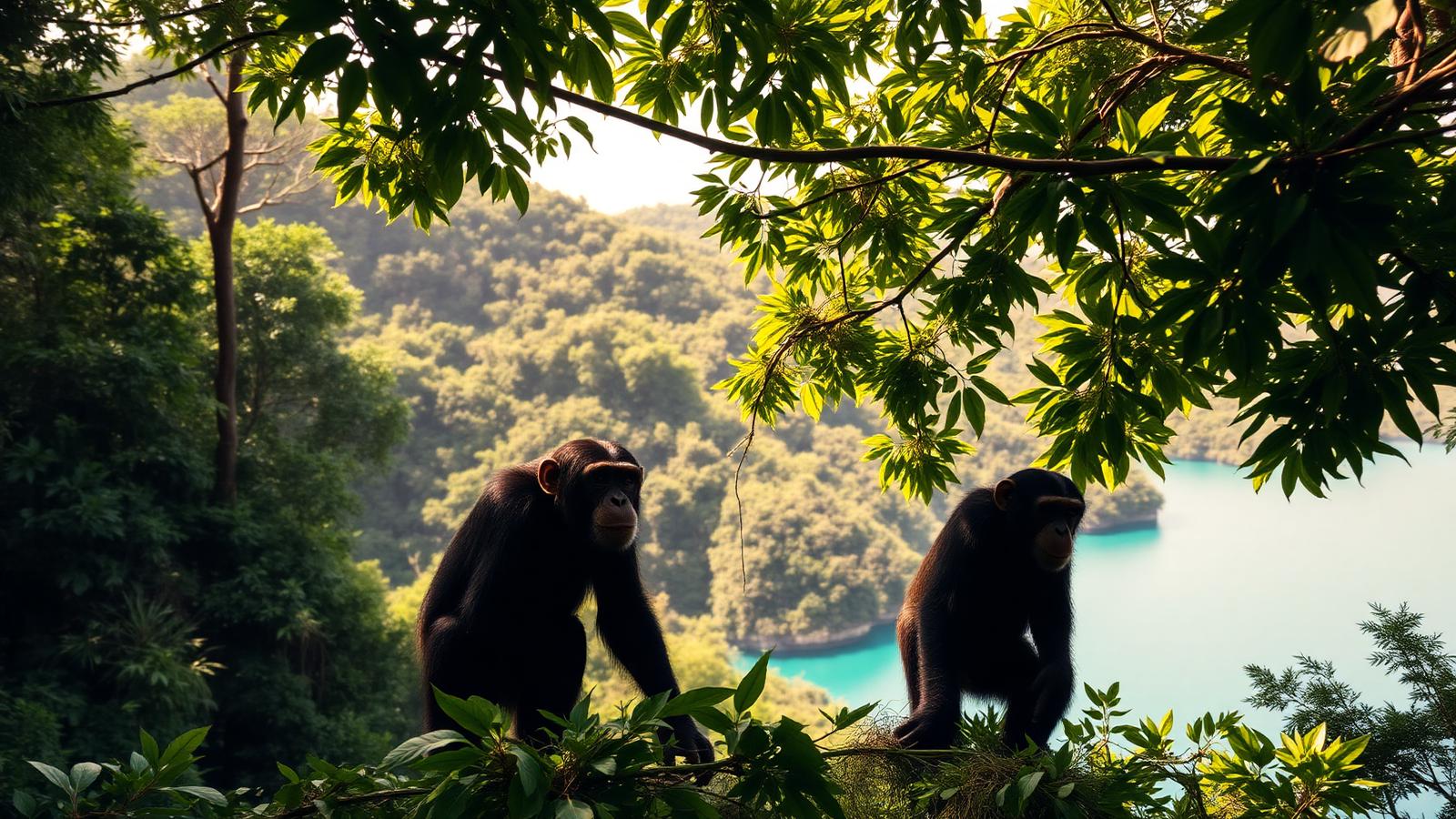
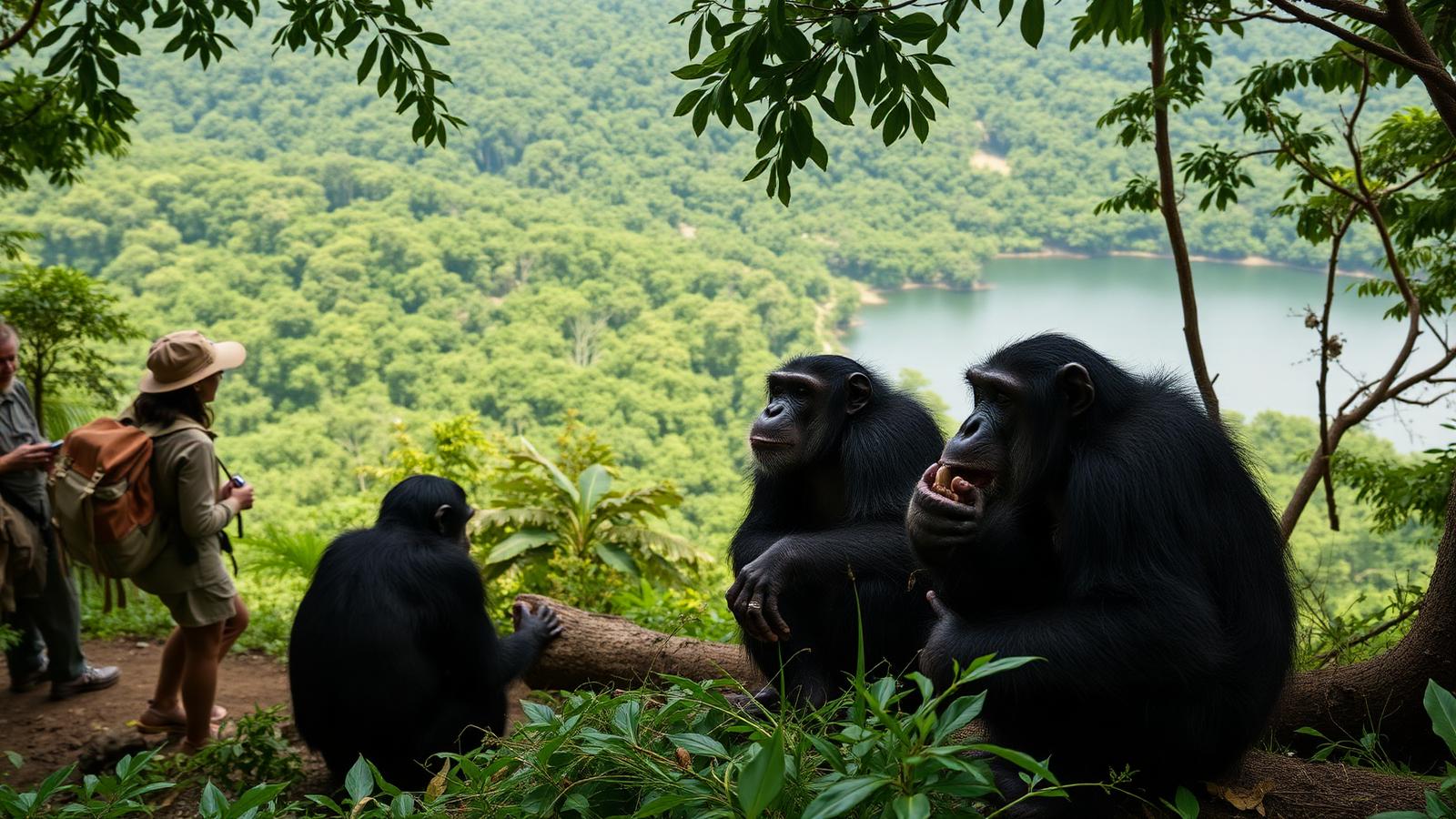
- With Mahale Mountains. The classic western pairing — floodplain wildlife followed by chimpanzee trekking and Lake Tanganyika. It is the most coherent combination and needs roughly a week between the two, plus flying.
- With a southern-circuit park. Ruaha or Nyerere can be linked by air, though it makes for a lot of flying. Works best on longer trips.
- With the northern circuit. Possible, but it means crossing the country. Only sensible when the total trip is long and the budget allows.
- With Zanzibar. A common finish, but check the connections carefully — the routing back east adds a travel day.
Worked routings and realistic night counts are set out in our itinerary guide.
Who Is Katavi Best For?
- Repeat safari travelers who already know what they enjoy in the field.
- Photographers who want time and space rather than variety.
- Travelers who value solitude highly and are unbothered by simple logistics.
- Keen birders and people interested in miombo species like roan and sable.
- Anyone building a longer western Tanzania trip around Mahale.
When Another Park Makes More Sense
- First safaris. The breadth and reliability of the northern circuit serves first-timers better — our first-timers guide explains why.
- Trips under about ten days, where flying consumes too much of the time available.
- Families with young children, given flight legs, heat and activity age limits.
- Travelers who want a Big Five checklist, since rhino are absent.
- Anyone who needs flexible dates or a wide choice of accommodation.
Common Planning Mistakes
| Mistake | Better approach |
|---|---|
| Adding Katavi to a short trip with a packed northern itinerary | Give it its own leg on a longer trip, or leave it for a return visit |
| Booking a two-night stay to save money | Three nights minimum, so the flying is justified by time in the field |
| Assuming daily flights | Build the itinerary around the actual flight days for your travel dates before fixing anything else |
| Expecting guaranteed hippo super-pods or huge buffalo herds | Plan for the late dry season, when concentration is most likely, and treat the scale as variable |
| Promising walking safaris to your group before confirming | Ask the camp and operator what can actually run on your dates, and on what terms |
| Traveling in April or May without checking | Confirm camp operating dates; much of remote Tanzania closes during the heaviest rains |
Related Guides
- Ruaha National Park guide — the most likely alternative, and easier to reach.
- Nyerere National Park guide — river and boat safaris in the south.
- Serengeti wildlife guide — what the country's headline park delivers.
- Tanzania safari itineraries — worked routings and night counts.
- Tanzania safari cost guide — how budgets are built and what changes them.
- Safari photography guide — gear and technique for long days in the field.
Common Questions
Frequently Asked Questions
It is worth it if solitude, big open floodplain scenery and unhurried sightings matter more to you than famous names and easy logistics. Katavi is one of Tanzania's least-visited large parks, and on many dry-season drives you will not share a sighting with another vehicle. It is harder to reach and more expensive per day than the northern parks, so it suits a longer trip or a repeat safari traveler more than a first, time-limited visit.
In the dry season, hippo, buffalo, elephant, crocodile, giraffe, zebra, topi and impala are all commonly seen along the floodplains and around remaining water. Lion sightings are good but never guaranteed. Roan and sable antelope live in the miombo woodland and take time and luck to find. Leopard and hyena occur, wild dog range widely and are unpredictable, and rhino are not part of the Katavi picture.
The dry season, roughly June to October, is the strongest period, with late July through October usually the most concentrated viewing as seasonal water shrinks. The green months bring dispersed wildlife, better birding and softer light, but heavier rain, tougher tracks and camp closures. How pronounced the dry-season concentration becomes depends on that year's rainfall.
Almost everyone flies in on a scheduled bush flight to an airstrip inside the park. Flight days are limited and routings often include stops, so confirm the current schedule with your operator before locking dates. Road access exists but involves very long journeys on rough tracks and only makes sense for travelers specifically wanting an overland trip.
No. It is one of the quietest large parks in Tanzania, and vehicle traffic is low even in peak season. That solitude is the main reason people make the effort to get there, and it is also why sightings tend to be long and unhurried.
Three nights is a sensible target and gives you two full days in the park after flight time. Two nights can work if the flight schedule cooperates, but it leaves little room if weather or a delayed connection eats into your first afternoon. Photographers and repeat visitors often stay four or more.
Ruaha is easier and cheaper to reach, has more camps and a wider road network, and offers strong big-game viewing with baobab-studded scenery. Katavi is quieter, more remote, more water-driven in character and more expensive per day. If you want wild southern-circuit Tanzania without complex logistics, Ruaha usually makes more sense. If solitude is the point of the trip, Katavi is the stronger choice.
They answer different questions. The Serengeti offers the widest range of wildlife, the migration, excellent infrastructure and many camps, along with far more vehicles. Katavi offers a fraction of the visitors, a smaller drive network and a landscape shaped by seasonal water. Most travelers do the Serengeti first and add Katavi on a later trip.
Yes, and it is the usual western Tanzania pairing. A common shape is three or four nights in Katavi followed by three or four in Mahale for chimpanzee trekking, linked by a short bush flight. Both are fly-in destinations with limited schedules, so the combination needs to be built around flight days.
Walking is offered by some camps, subject to guiding availability, the area you are staying in and current park regulations. It is not automatic with every booking, so ask before you commit if walking is one of your reasons for going.
It suits photographers who value time and space over species variety. Long unshared sightings, open floodplain light and dense dry-season dust make for strong images, though heat haze in the middle of the day and dust on gear are real practical issues. Bring more cleaning kit than you think you need.
Usually not, unless you have plenty of time and a specific interest in remote wilderness. First-time visitors generally get more out of the northern circuit or Ruaha, where access is simpler, costs are lower and the variety of wildlife per day is higher. Katavi rewards travelers who already know how they like to travel on safari.
Final Thoughts
Katavi's appeal is specific: a large, water-driven ecosystem in a part of Tanzania almost nobody reaches, where a good sighting belongs to you alone for as long as you want it. In the late dry season, when the river has pulled back into pools and the herds are moving to drink, it delivers something the busier parks cannot.
The trade-offs are equally specific. Limited flights, few camps, real cost, real heat and no guarantee that any given season will produce the scenes the park is known for. Judge it on whether those trades suit the trip you are planning — and if they do not, a park like Ruaha will give you a wild Tanzanian safari with far less friction.
Katavi asks for time, money and flexibility, and repays travelers who value quiet and space over convenience. If your trip has room for a fly-in leg and you have already seen the better-known parks, it is one of the most distinctive places to spend a few days in Tanzania. If it does not fit, Ruaha or Nyerere will give you a wild safari with far less friction.
Plan Your Journey
Thinking about a remote western Tanzania safari?
Send us your dates and the number of days you can give the trip, and our team will map what is realistic: which flight days work, how many nights Katavi warrants, whether to pair it with Mahale, Ruaha or Nyerere, which camps are open on your dates, private vehicle and walking arrangements where available, and how seasonal water is likely to affect viewing. If your trip is too short for Katavi to make sense, we will say so and suggest a better use of those days — and no one can guarantee wildlife sightings.
- TALA Licensed Operator
- 4.9 ★ Guest Rating
- No Booking Fees
Keep Reading
Related Tanzania Safari Guides
Safari Guides
The Ultimate Tanzania Travel Guide: Everything You Need to Know Before You Visit
Safari Guides
Mahale Mountains National Park Travel Guide: Everything You Need to Know
Safari Guides
Gombe Stream National Park Guide: Chimpanzee Trekking on Lake Tanganyika
Safari Guides
Nyerere National Park Travel Guide: Everything You Need to Know